
Wine · Wine region · Short entry
Côte de Beaune
Côte de Beaune
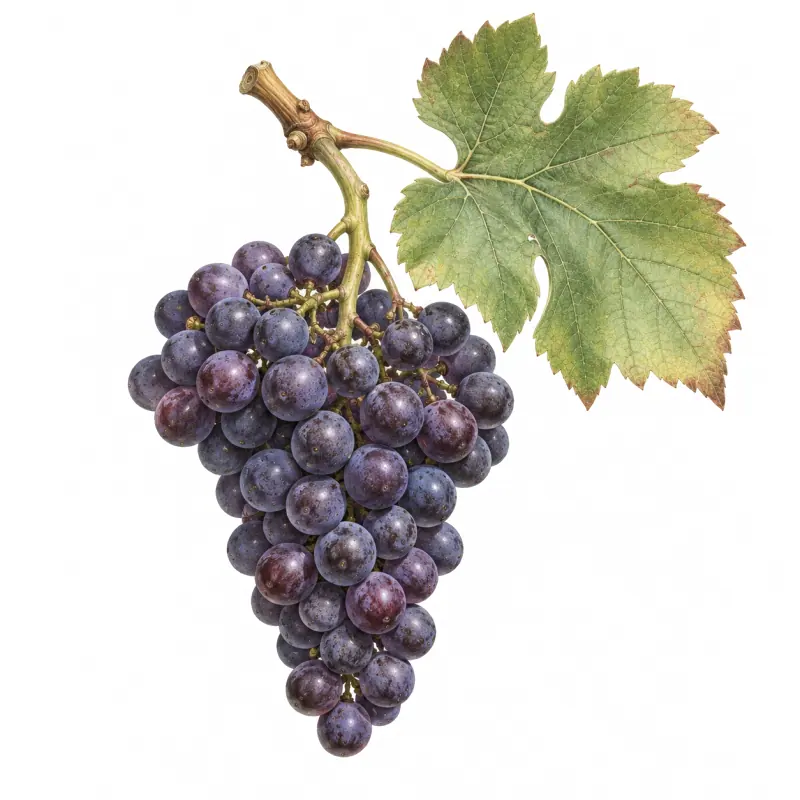
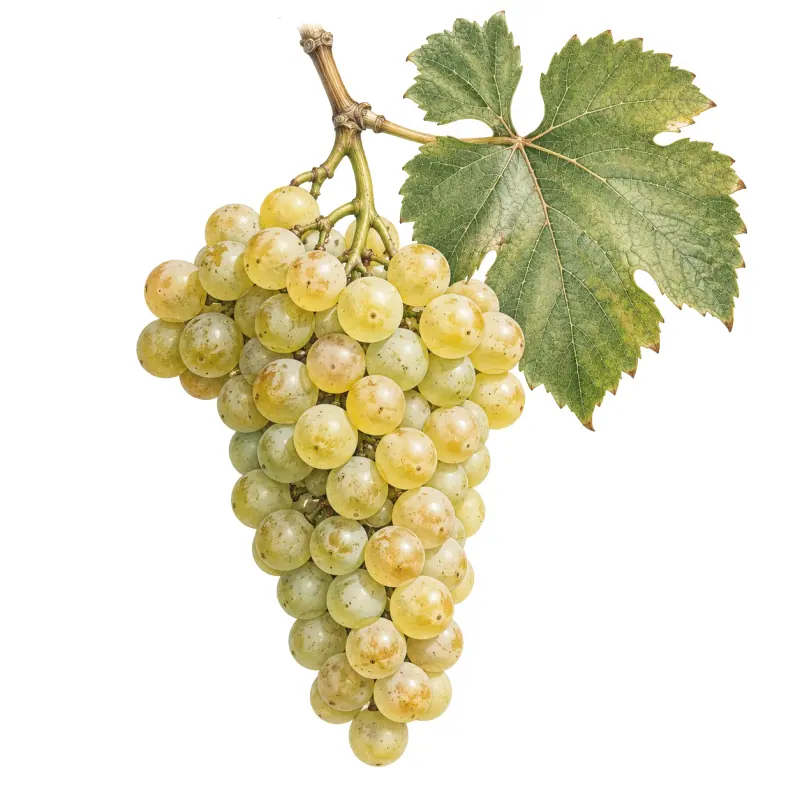
The Côte de Beaune is the southern part of Burgundy's Côte d'Or escarpment, running about 20 km from Ladoix-Serrigny to the Maranges hills. Pinot Noir leads around Beaune, Pommard and Volnay; from Meursault southward Chardonnay dominates. The geographic region is distinct from the single appellation also called Côte de Beaune.
From "vin de Beaune" to the AOC
According to a study by Pierre Forgeot cited in the Pommard specification, vines appeared in the Côte de Beaune in the second century BC. In 312 the orator Eumenius of Autun described old vines in the "Pagus Arebrignus" near Beaune, and around 570 Gregory of Tours wrote that the Côte was covered in vines. In 775 Charlemagne gave a vineyard on the hill of Corton to the collegiate church of Saint-Andoche at Saulieu.
In the Middle Ages the Dukes of Burgundy and the monks built the wines' reputation. They were sold simply as "vin de Beaune" or "pinot vermeil"; from the fifteenth century these light red wines were traded across Europe. In 1443 Nicolas Rolin founded the Hôtel-Dieu in Beaune, whose vineyards still fund the hospital through an auction on the third Sunday of November. The wines were classified under the AOC system from 1936.
Soil, slope and climate
The Côte is a straight tectonic escarpment running north-east to south-west. It separates the limestone plateaux of the Hautes Côtes, at 400–500 m, from the Bresse plain, a Tertiary rift valley at about 250 m. The vines occupy a band facing the morning sun, never more than a few hundred metres wide, on a slope about 150 m high. Callovian limestone outcrops low on the slope and Oxfordian marls and limestones higher up, mostly under scree, clay and silt. The BIVB describes the Côte de Beaune strata as about 25 million years younger than those of the Côte de Nuits. Soils are thin and very calcareous at the top and deeper and more clayey below.
The climate is cool oceanic with continental and southern influences: about 750 mm of rain a year and a mean of 10.5 °C. The Côte lies in the rain shadow of the Morvan, and the BIVB notes hot summers and frequent late, warm autumns.
What the place gives the wine
The BIVB links the two grapes to different ground. Pinot Noir does best on gently sloping limestone with a high stone content and good drainage; Chardonnay thrives on limestone and marl with plenty of clay, giving dry whites such as Puligny-Montrachet, Meursault and Corton-Charlemagne. This is why the red villages (Pommard, Volnay, Ladoix) cluster around Beaune, Chardonnay produces whites on the Corton hill, and from Meursault southward white wine dominates. Within each village the appellation specifications describe different wines from upper-slope, mid-slope and foot-of-slope plots.
Grapes and appellations
The Côte de Beaune is a geographic wine-growing region; Côte de Beaune is also the name of a distinct appellation. The BIVB lists seven Grand Cru appellations here: Corton, Corton-Charlemagne, Montrachet, Bâtard-Montrachet, Chevalier-Montrachet, Criots-Bâtard-Montrachet and Bienvenues-Bâtard-Montrachet. Village appellations, some with Premier Cru climats, include Aloxe-Corton, Auxey-Duresses, Beaune, Blagny, Chassagne-Montrachet, Chorey-lès-Beaune, Ladoix, Maranges, Meursault, Monthélie, Pernand-Vergelesses, Pommard, Puligny-Montrachet, Saint-Aubin, Saint-Romain, Santenay, Savigny-lès-Beaune and Volnay. Regional appellations such as Bourgogne, Bourgogne Aligoté and Crémant de Bourgogne are also made, and the Hautes Côtes de Beaune on the plateau has its own regional appellation.
How it connects
Wine region
- in Burgundy
- in Beaune
- in Pommard
- in Volnay
- in Meursault
- in Puligny-Montrachet
- in Chassagne-Montrachet
Grape variety
- grows Pinot Noir
- grows Chardonnay
Continue exploring
- CountryFrance162 entries in the atlas so far
- Grape varietyPinot Noir
- Wine regionBurgundyBeaune, France
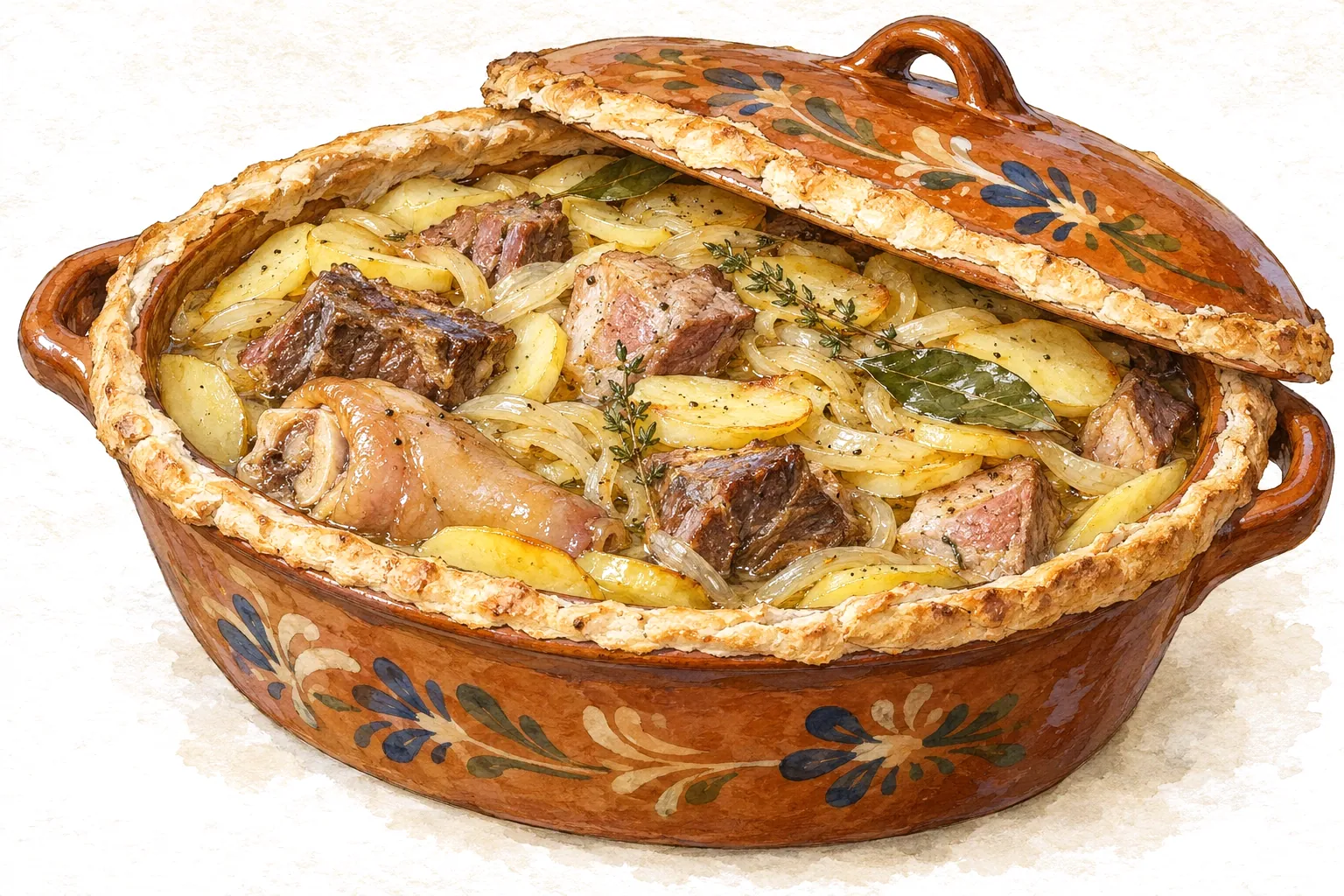 RecipeBaeckeoffeAlsace, France
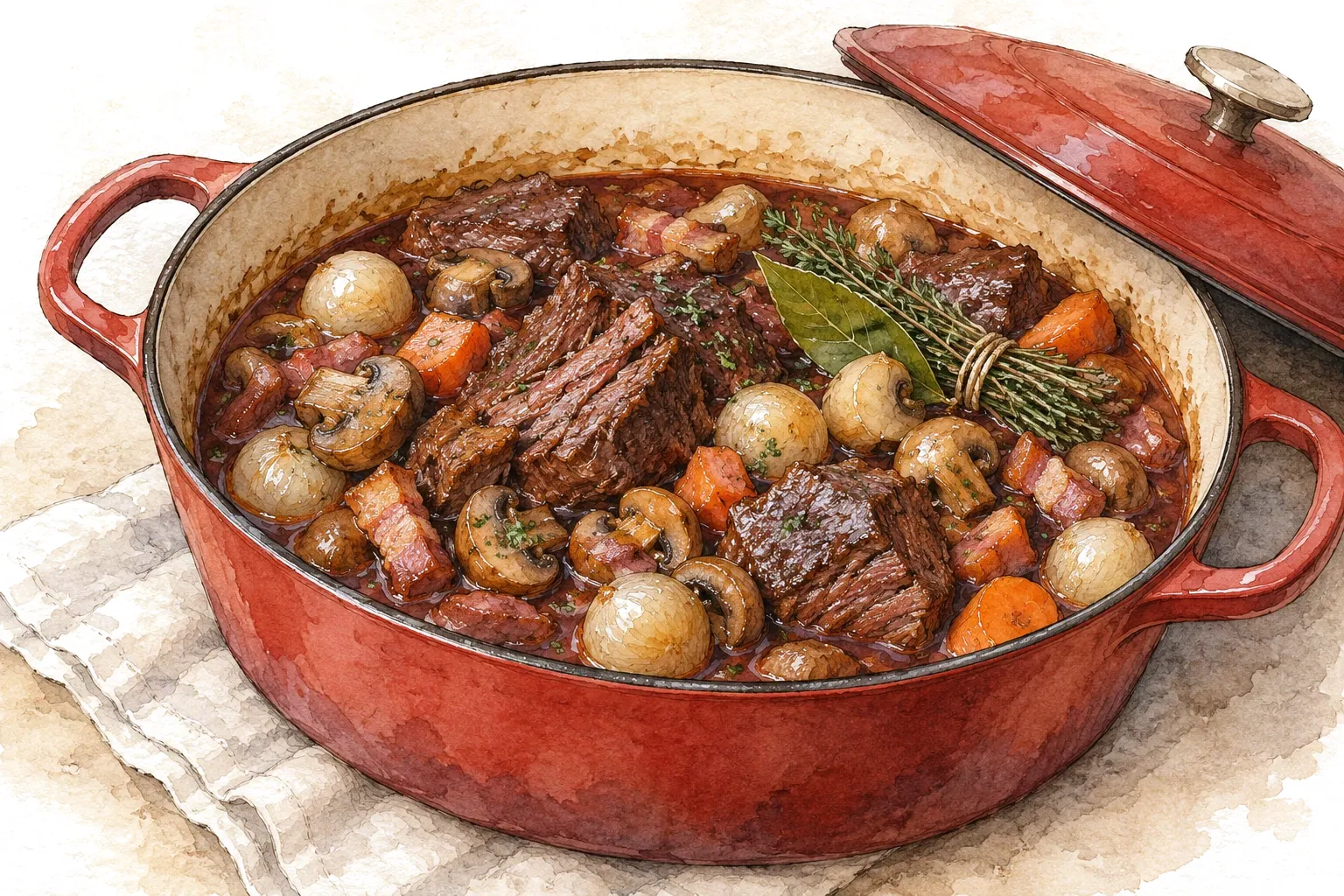 RecipeBœuf bourguignonDijon, France
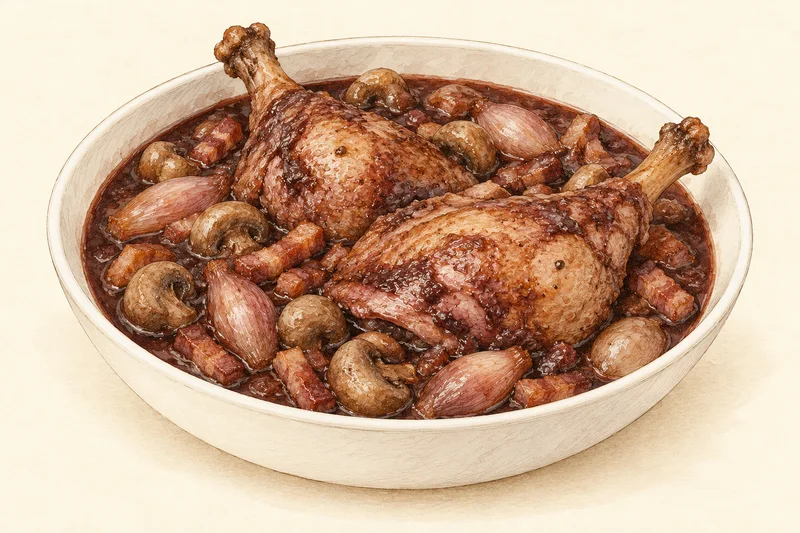 RecipeCoq au vinBurgundy, France
- Grape varietyChardonnay
- Wine regionBeauneBeaune, France
- Wine regionChassagne-MontrachetChassagne-Montrachet, France
- Wine regionMeursaultMeursault, France