
Wine · Wine region · Short entry
Meursault
Meursault
Meursault is a Côte de Beaune village appellation known chiefly for white Chardonnay, with a small red Pinot Noir production of about 2%. It was a white-wine village long before its neighbours, on a complex slope of limestone, dolomite and marl. It has village and Premier Cru wines but no Grand Cru appellation.
Cîteaux and a white-wine village
Evidence for vines here is plentiful from the eleventh century. In 1098 Eudes I, Duke of Burgundy, gave his vine near the castle to the newly founded abbey of Cîteaux. Later gifts built a large Cistercian estate with its own winery, the present "Château de Cîteaux" in the village, which keeps its twelfth-century vaulted cellars.
When most fine Burgundy was red, Meursault was already known for white wine, unlike Pommard or Volnay. In 1778 the abbé Courtépée named its best climats as Charmes, Perrières, Genevrières and Goutte d'Or, all now Premiers Crus. Jullien noted in 1816 that its whites were often sold as "Mont-Rachet". The AOC was recognised by the decree of 31 July 1937, and the Premier Cru list followed in 1943. From the 1940s growers began selling in bottle. The Paulée, an autumn banquet where each guest brings bottles to share, is one of the "Trois Glorieuses" with the Tastevin chapter and the Hospices sale.
Soil, slope and climate
The front of the Côte here rises about 150 m and is broken by intense faulting. The lower slope is mainly Middle Jurassic limestone: the massive but frost-prone Chassagne limestone, once quarried for building stone, a thin marl band, a dolomitic limestone, and then the platy Dalle nacrée, which forms a clear step mid-slope. Above lies a thick Upper Jurassic marl capped by hard limestone. Woods and dry grassland cover the hardest limestone bands, so vines are interrupted by strips of trees. Premier Cru plots lie on the lower slope, on Chassagne limestone or Middle Jurassic marl. The BIVB sheet notes that the Comblanchien limestone reappears here, puts the best soils at about 260 m, and gives exposures between east and south.
The climate is cool oceanic with continental and southern influences, on an east-facing slope with gentle gradients.
What the place gives the wine
The specification describes dry whites with a heady bouquet, very often combining a toasted character with almond, and a mellow palate lifted by the acidity needed for ageing. The BIVB sheet gives a green-gold to canary yellow colour, toasted almond and hazelnut, flowers and flint, with butter, honey and citrus, and a rich texture in silky balance with freshness. The rare reds show black cherry, freshness and finesse. The specification links these wines to the cool climate, the east-facing gentle slopes and the marl and dolomitic limestone soils. Producer, site and vintage influence the result, so the buttery or rich description of Meursault is not a rule for every bottle.
Grapes and classification
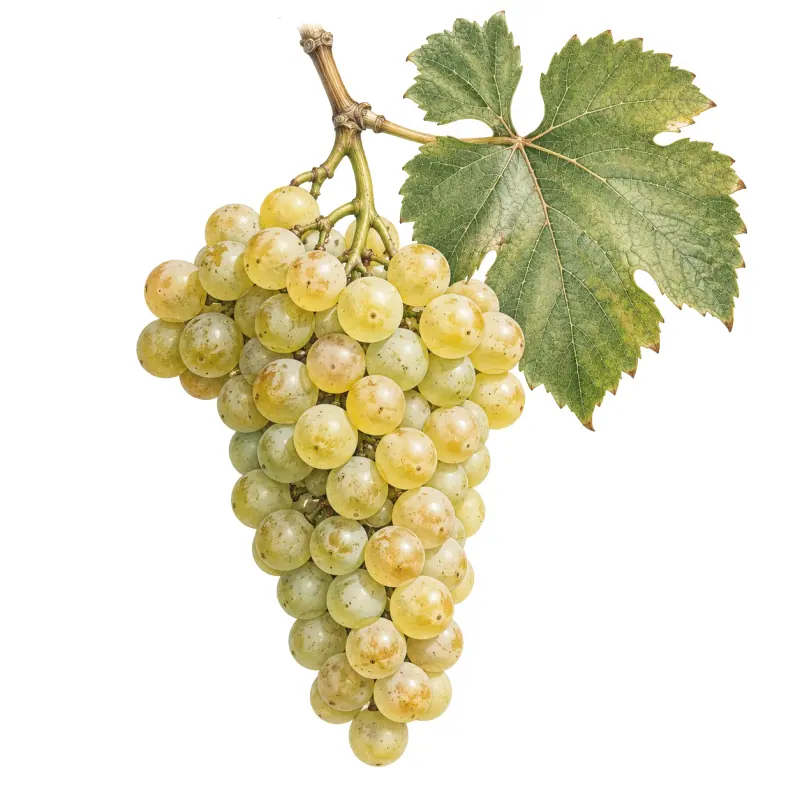
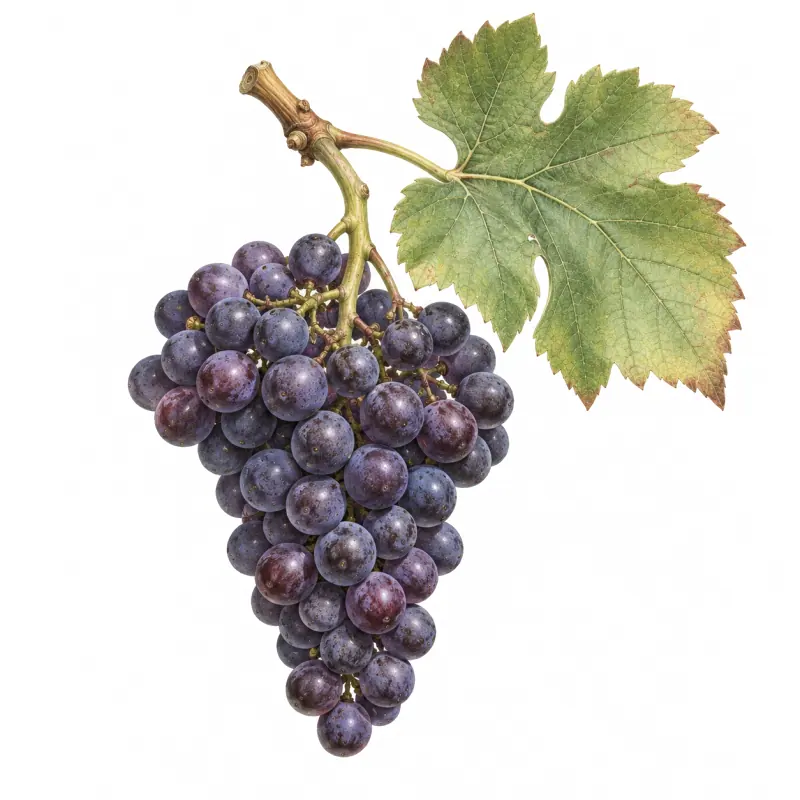
Whites are made from Chardonnay and Pinot Blanc; reds from Pinot Noir, with accessory varieties. Small amounts of Aligoté, Melon and Sacy for whites and César for reds are allowed under an INAO agreement, up to 10% and 1 ha per holding. The appellation has 19 Premier Cru climats. In 2022 the BIVB recorded 382.64 ha of white and 9.19 ha of red. Some red wine from the defined area can use the Côte de Beaune-Villages appellation, and red wine from the Santenots climat in Meursault may be labelled Volnay.
How it connects
Wine region
Grape variety
- grows Chardonnay
- grows Pinot Noir
Continue exploring
- CountryFrance162 entries in the atlas so far
- Grape varietyPinot Noir
 RecipeBaeckeoffeAlsace, France
 RecipeBœuf bourguignonDijon, France
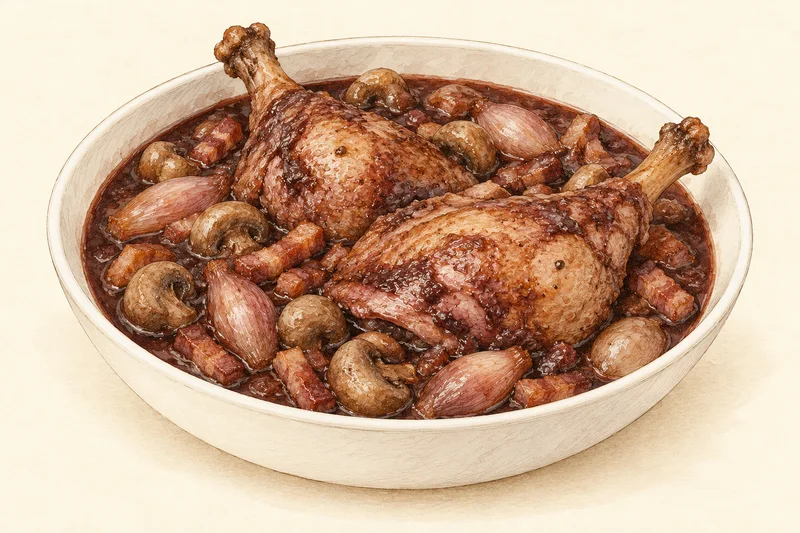 RecipeCoq au vinBurgundy, France
- Grape varietyChardonnay
- Wine regionCôte de BeauneBeaune, France
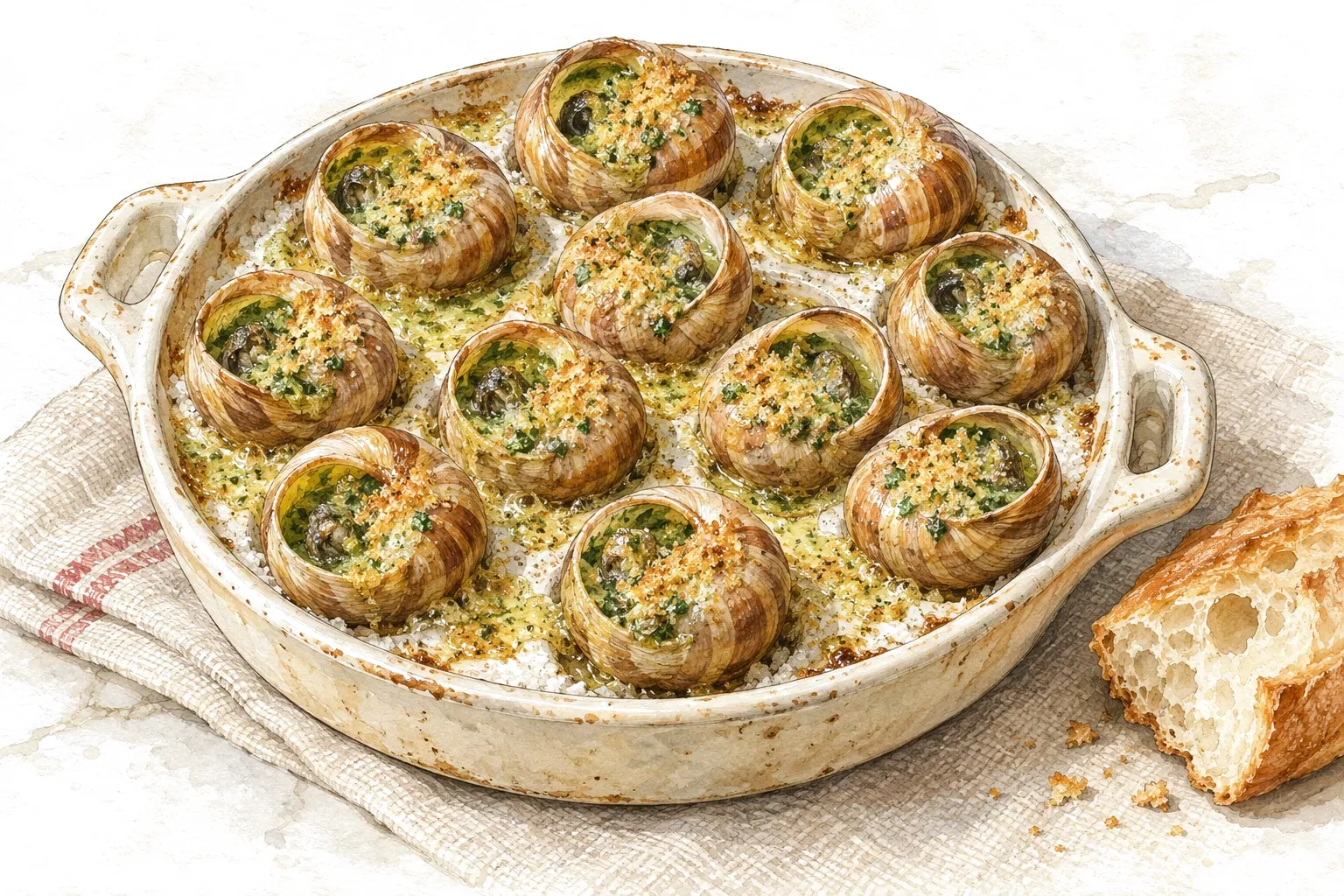 RecipeEscargots à la bourguignonneBurgundy, France
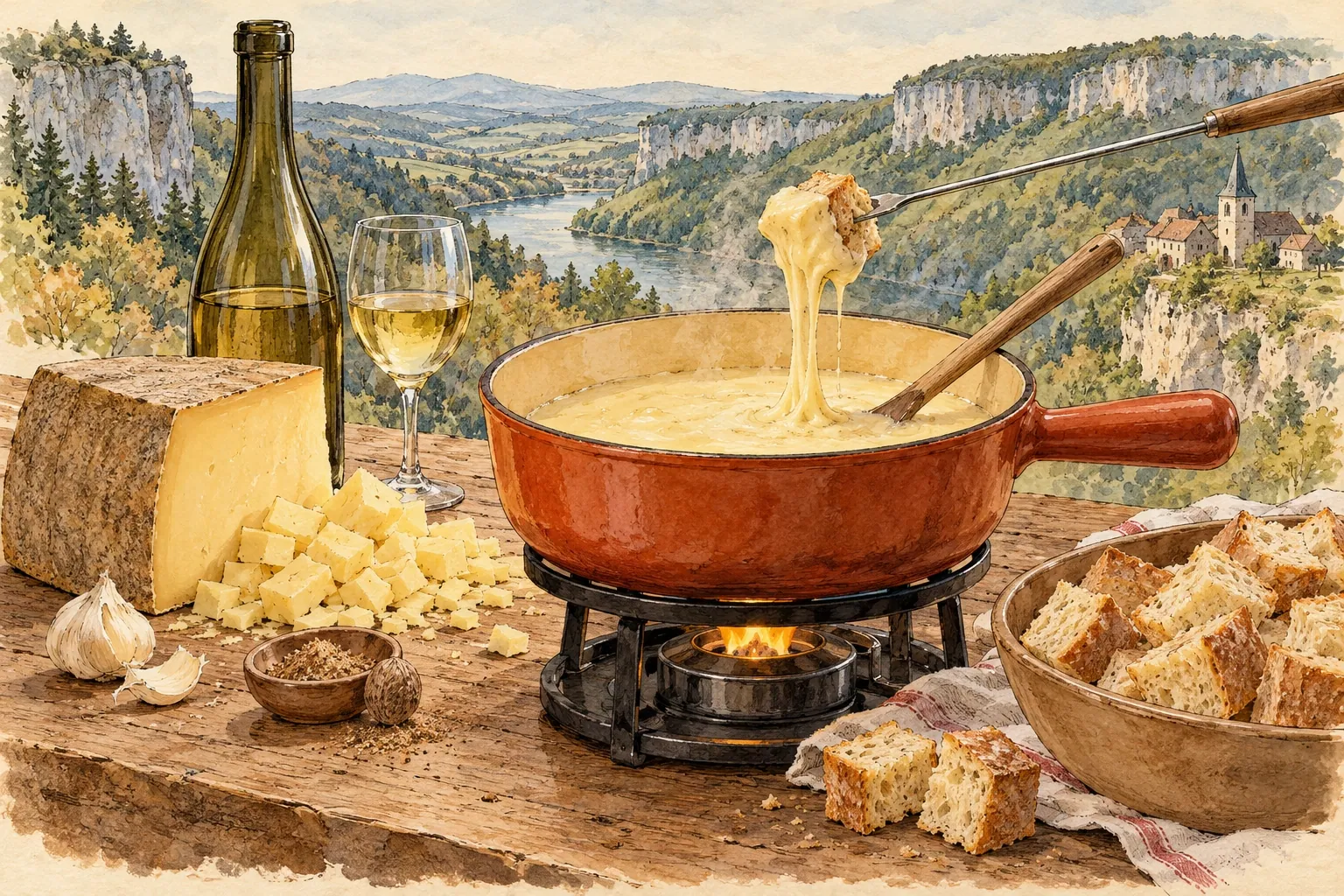 RecipeFondue au ComtéJura massif, Franche-Comté, France
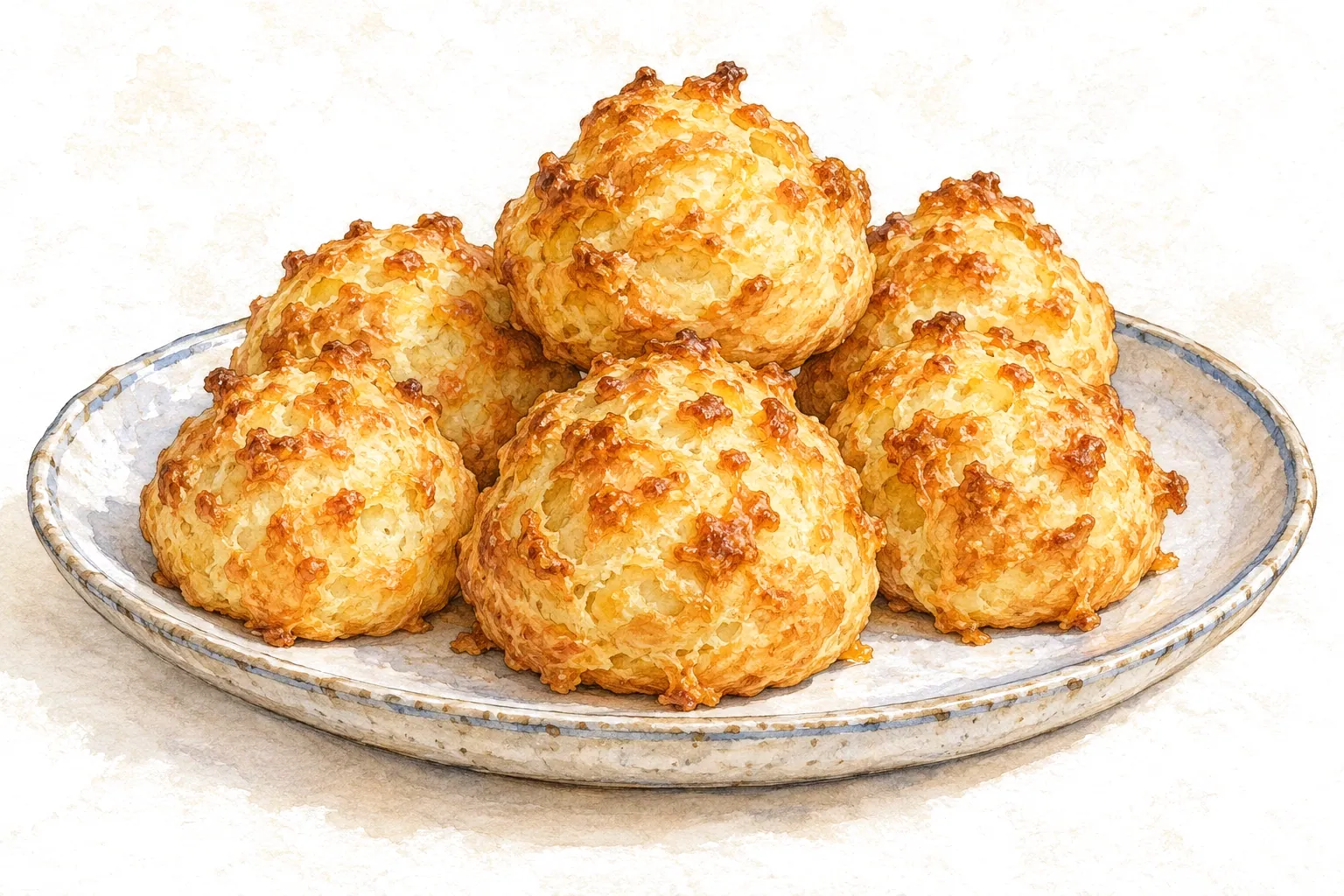 RecipeGougèresBurgundy, France