
Wine · Wine region · Short entry
Beaune
Beaune
Beaune is a Côte de Beaune village appellation producing red Pinot Noir and white Chardonnay, with one of the largest vineyards on the Côte. The town is the historic centre of Burgundy's wine trade and home of the Hospices de Beaune.
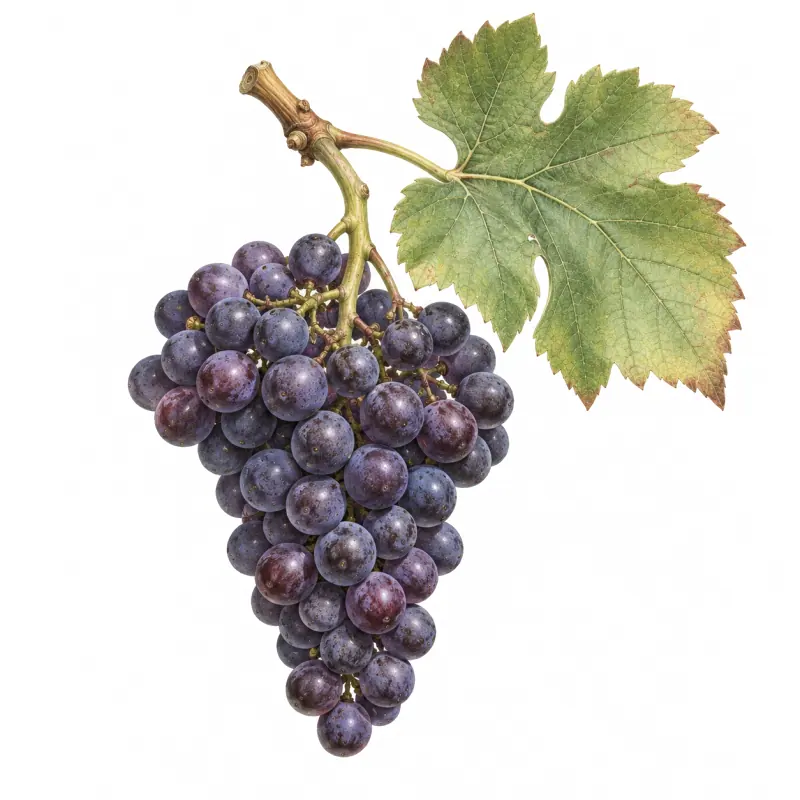
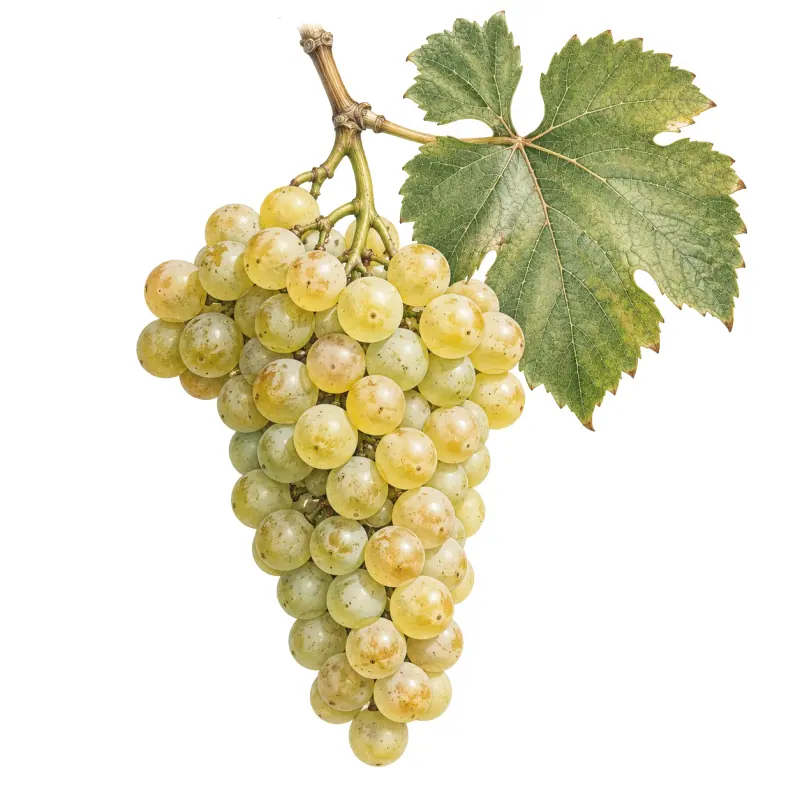
Dukes, hospital and merchants
In 312 the orator Eumenius of Autun praised the region's vineyards in a speech to the emperor Constantine, the first written record of Burgundy's terroir according to the BIVB. In the Middle Ages nobles planted vines on the hillsides around the town. The BIVB calls Beaune the source of the "Pinot vermeil" of the Dukes of Burgundy, a red wine whose reputation goes back to the late Middle Ages.
In 1443 Nicolas Rolin, chancellor to Philip the Good, founded the Hôtel-Dieu, a hospital for the poor funded by its own vineyards. The estate grew through bequests, and its wines have been sold at auction since 1859, on the third Sunday of November. In the eighteenth century merchants (négociants-éleveurs) began buying, ageing and selling wine from their cellars, and Beaune became the capital of the Burgundy wine trade. The AOC Beaune was among those set into law on 11 September 1936.
Soil, slope and climate
The vineyards rise above the town on slopes at 220–300 m, facing east to due south. The BIVB sheet places Beaune in the syncline of Volnay, where the hard Comblanchien limestone dips out of sight and the overlying Rauracian limestone takes its place. The slopes are quite steep, with thinnish black rendzinas formed from scree. Lower down are Argovian marls and deep soils, white, grey or yellow, tinged red by iron from the Oxfordian limestone. At the foot of the slope the limestone is mixed with clay. Named Premier Cru climats cover much of the hillside.
The BIVB describes the Côte de Beaune climate as one of hot summers and often warm late autumns. Burgundy receives about 700 mm of rain a year, mostly in May and June, and about 1,300 hours of sunshine between April and September.
What the place gives the wine
The BIVB sheet finds small differences by location: wines from the northern end of the commune are more often intense and powerful, those from the south smoother and fuller. The reds are a vivid scarlet, with black fruit (blackcurrant, blackberry), red fruit (cherry, gooseberry) and forest floor, and with age truffle, leather and spice; they are firm and upright when young. The whites are gold with green glints, with almond, dried fruit, bracken and white flowers, and can be drunk young or kept for a fuller texture.
Grapes and classification
The appellation makes both colours, though red Pinot Noir is the more familiar style; whites are from Chardonnay. It covers the commune of Beaune only and includes 42 Premier Cru climats. In 2022 the BIVB recorded 333.41 ha of red (257.99 ha Premier Cru) and 66.36 ha of white (42.21 ha Premier Cru). The Hospices de Beaune's annual wine sale is a charitable and commercial event, not a classification of the wines.
How it connects
Wine region
Grape variety
- grows Pinot Noir
- grows Chardonnay
Continue exploring
- CountryFrance162 entries in the atlas so far
- Grape varietyPinot Noir
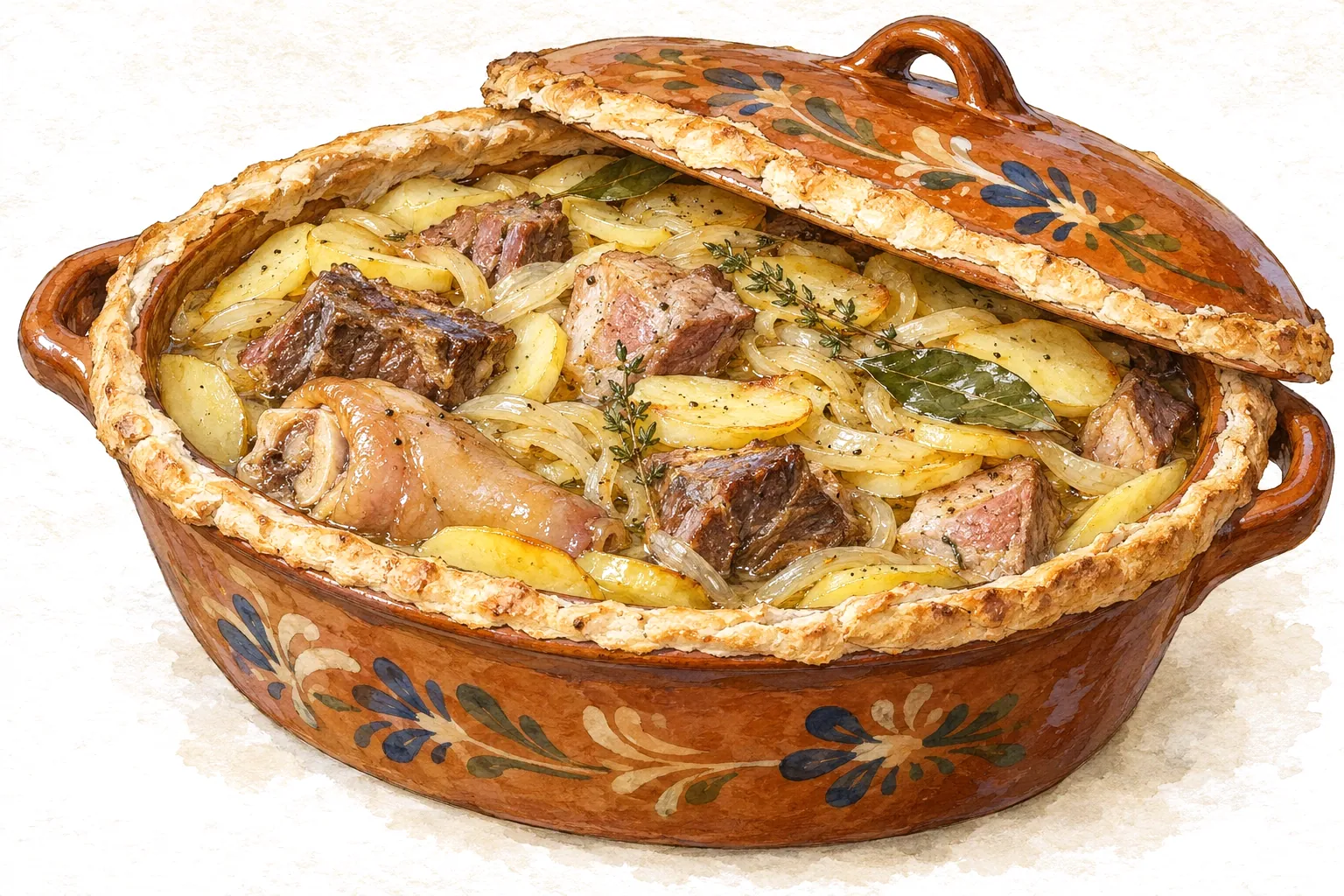 RecipeBaeckeoffeAlsace, France
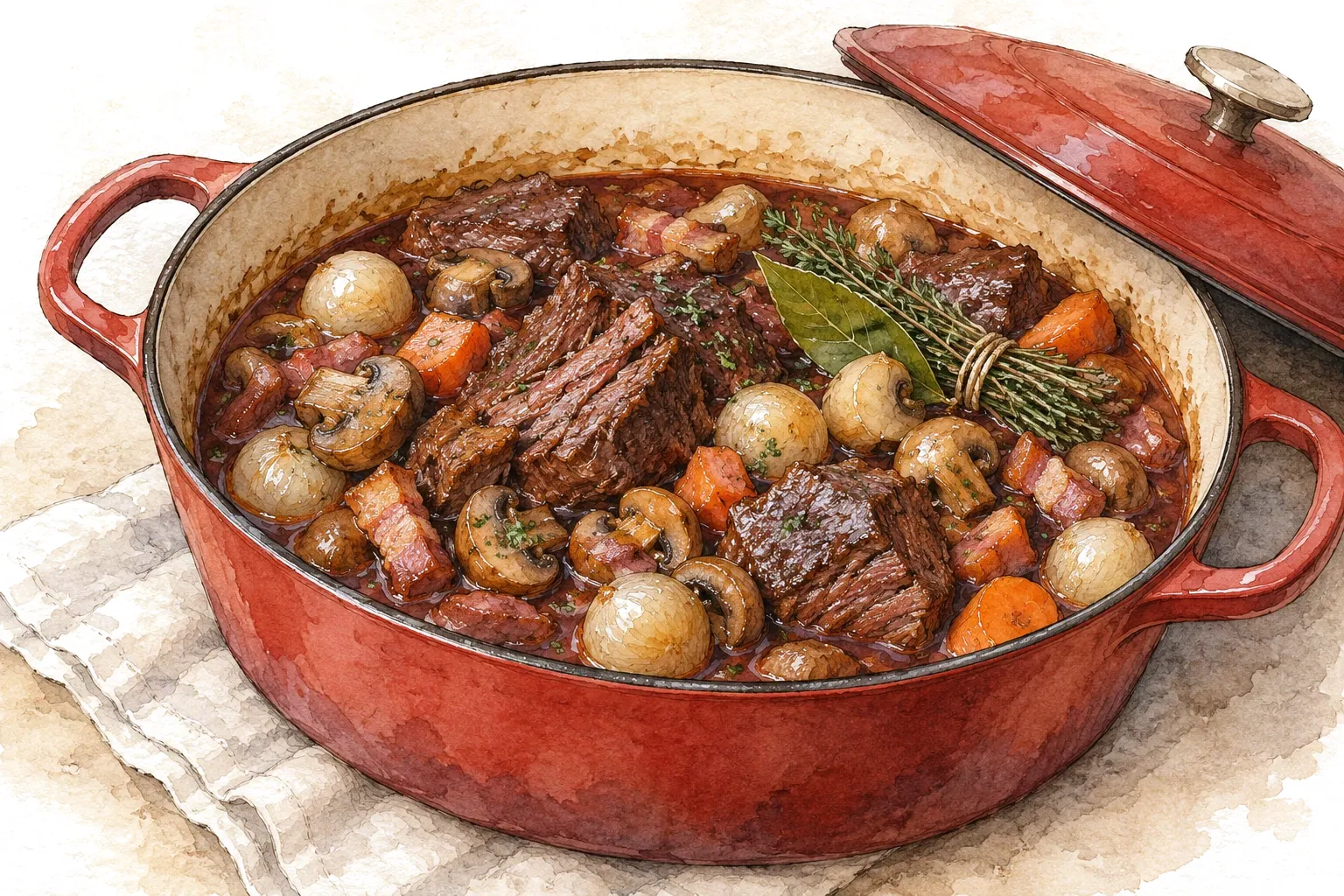 RecipeBœuf bourguignonDijon, France
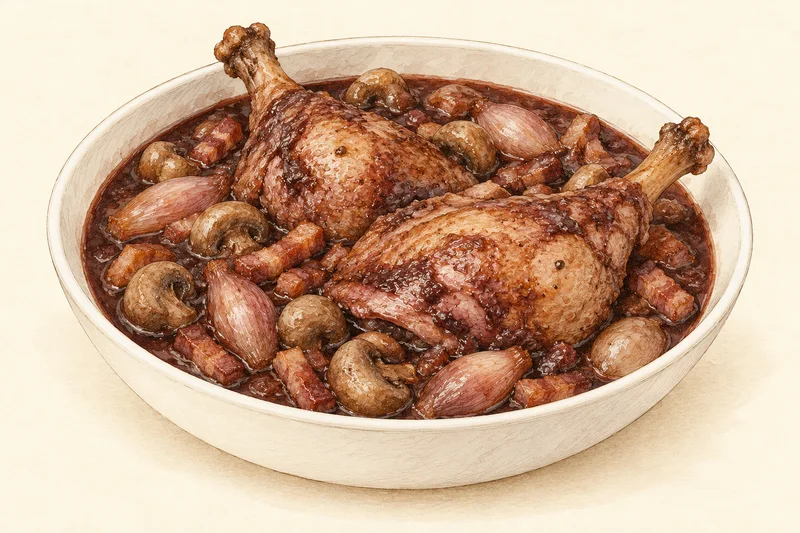 RecipeCoq au vinBurgundy, France
- Grape varietyChardonnay
- Wine regionCôte de BeauneBeaune, France
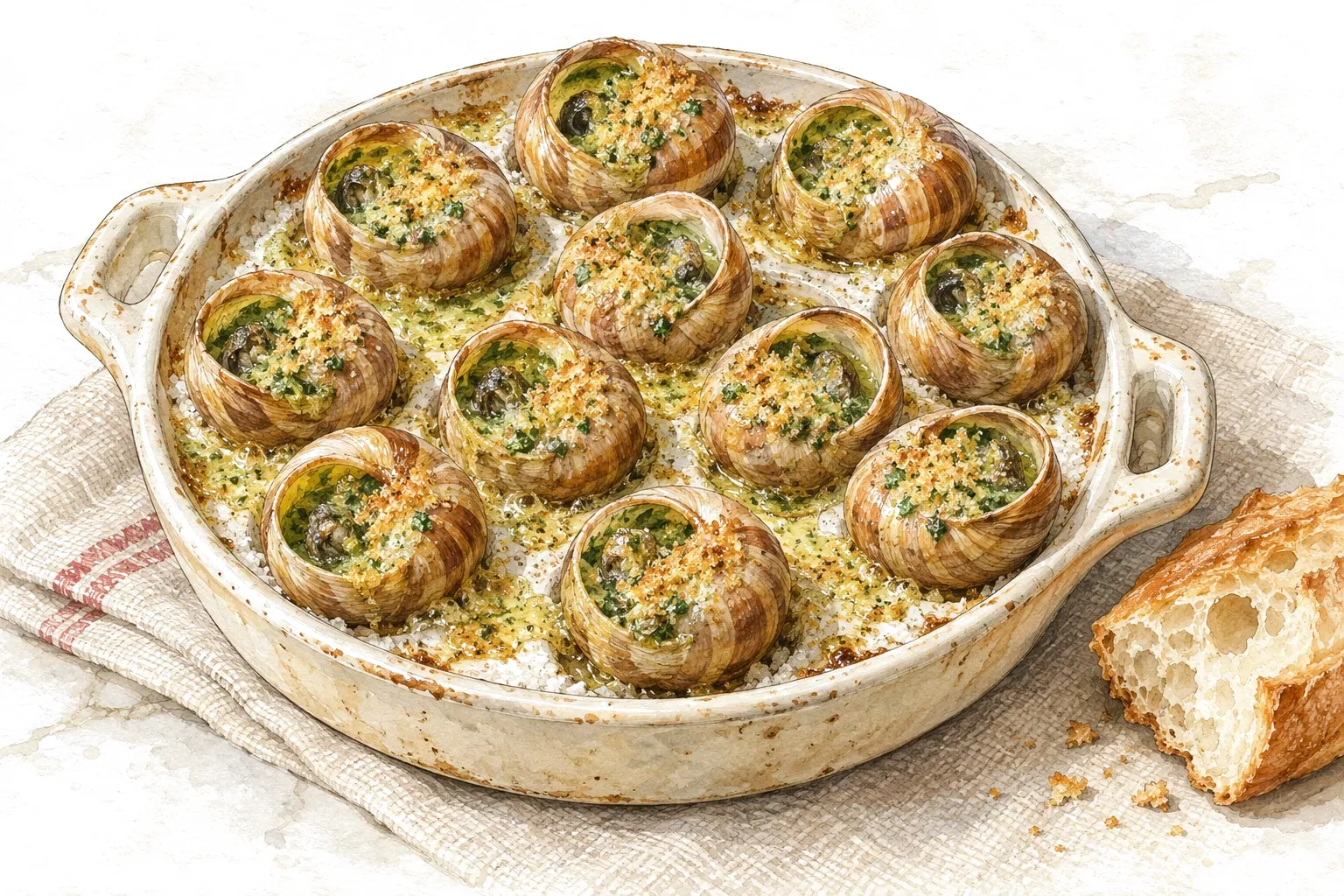 RecipeEscargots à la bourguignonneBurgundy, France
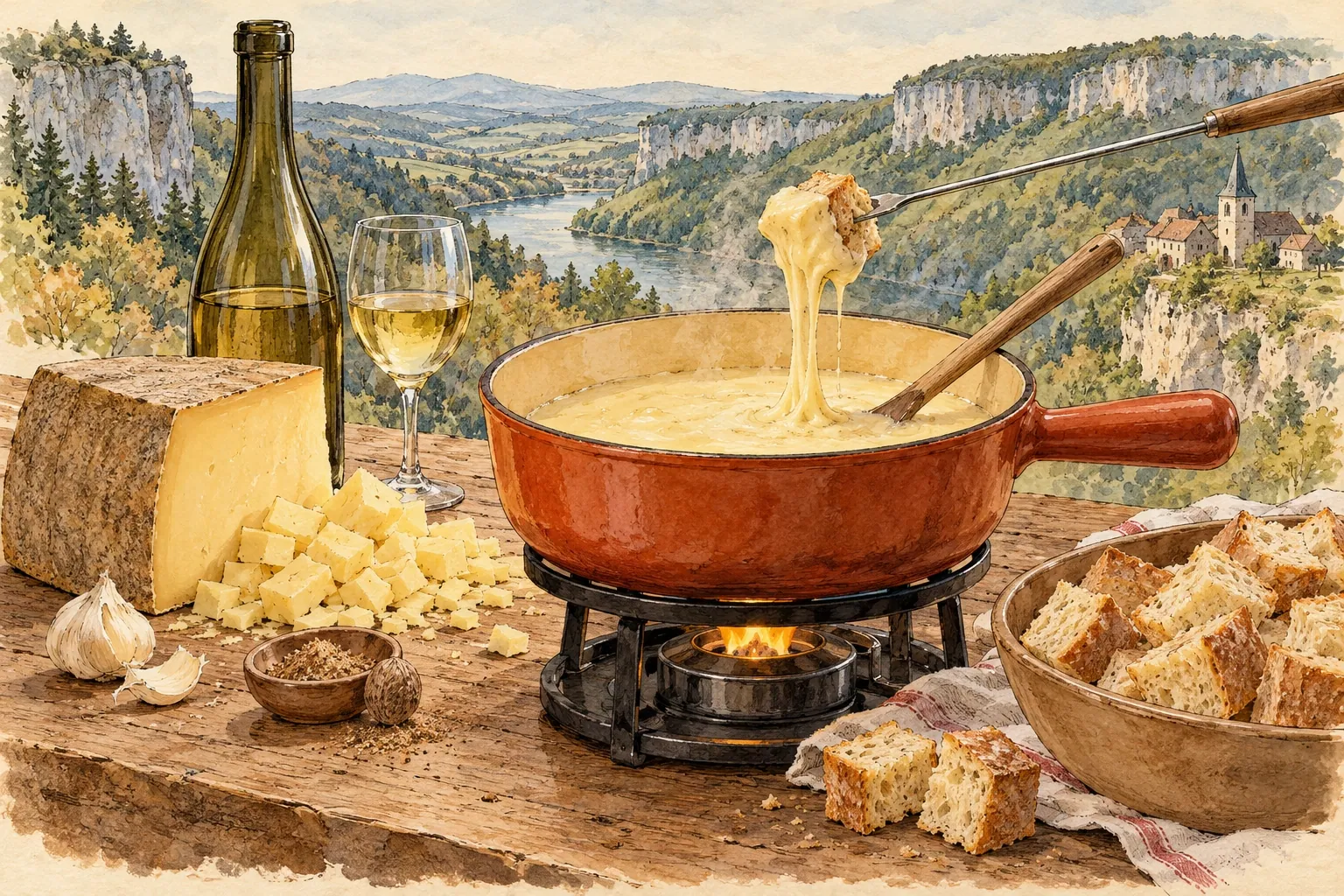 RecipeFondue au ComtéJura massif, Franche-Comté, France
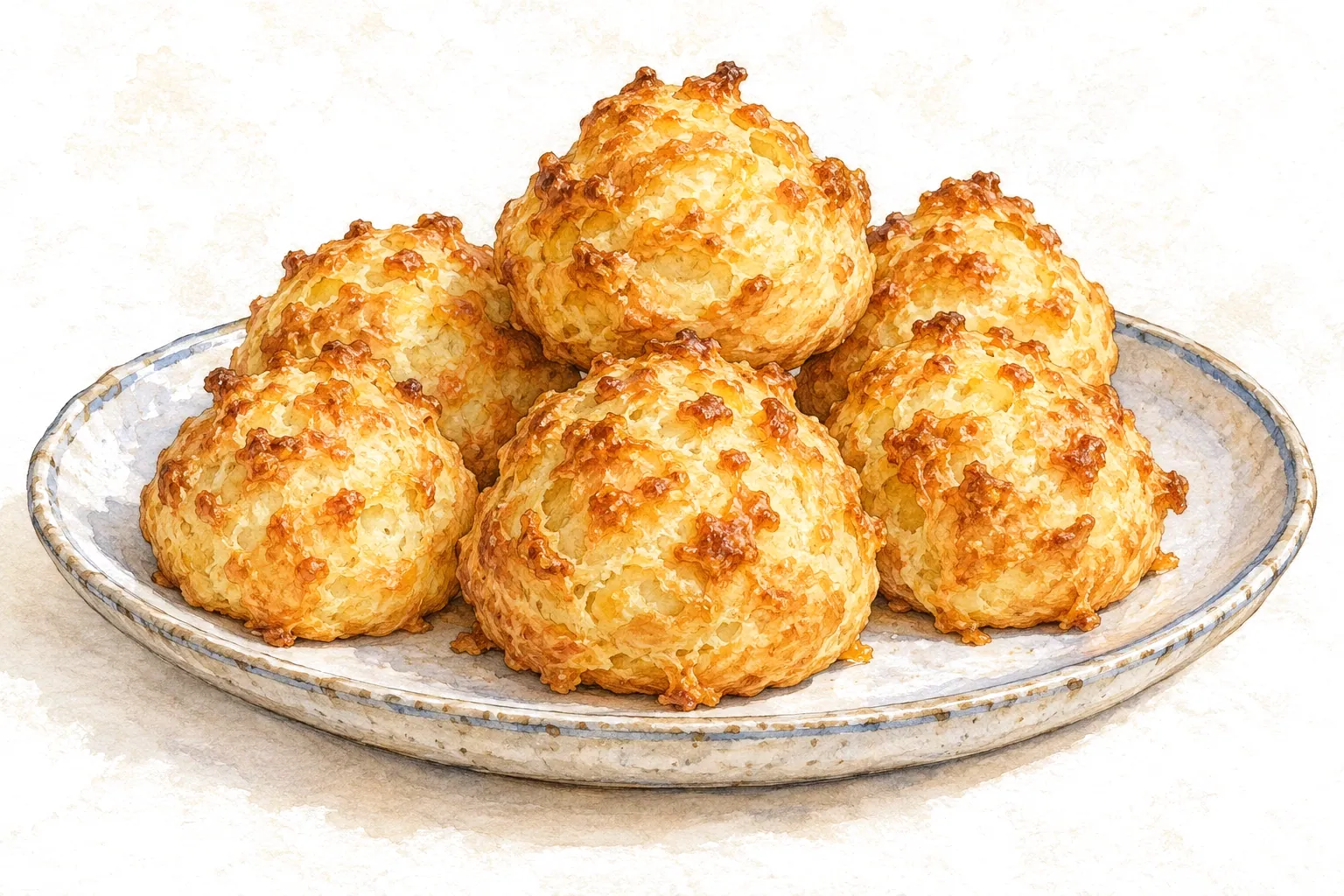 RecipeGougèresBurgundy, France