
Wine · Wine region · Short entry
Puligny-Montrachet
Puligny-Montrachet
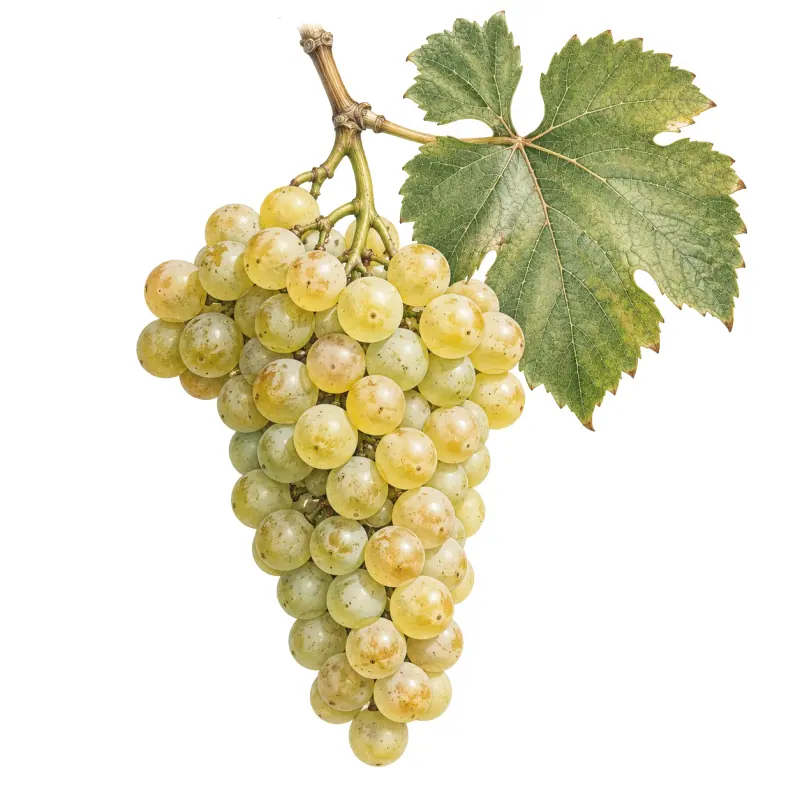
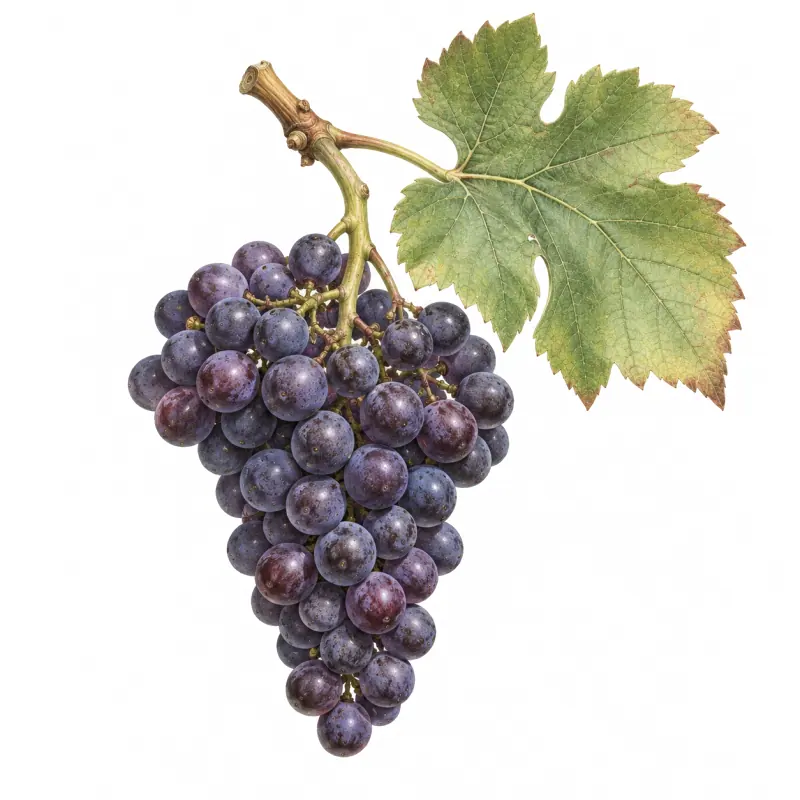
Puligny-Montrachet is a Côte de Beaune village appellation famous for white Chardonnay, which makes about 99% of its wine. The appellation also permits a very small amount of red Pinot Noir. The commune takes the second half of its name from Montrachet, one of five Grand Crus associated with it.
From red clairet to white Montrachet
The specification cites Eumenius of Autun on the vines near Beaune in the early fourth century and Gregory of Tours in 570: "the Côte de Beaune is covered with vines". The oldest title for Puligny is the charter by which its church was given to the abbey of Cluny in 1094, where the village appears as "Pulyniacus".
Puligny was not always white. A harvest ban of 1685 required "noirien" (Pinot Noir) above the old Roman road that crosses the commune, and the wine was a light red called clairet. Chardonnay took over the slope in the eighteenth century and Montrachet became famous. By 1818 white wine sold for three times the price of red. In 1878 the village added the name of Montrachet. The AOC was recognised by the decree of 31 July 1937, and a Premier Cru list followed in 1943.
Soil, slope and climate
Here the front of the Côte rises about 200 m above a plain at about 200 m, and its topography is complex, the result of varied rock and intense faulting. The rock alternates between limestones and marls from the Bathonian to the Oxfordian. The hardest limestone bands form uncultivated cornices with scrub or dry grassland; the "Mont Rachet", which gave its name to the Grand Cru, is one of these steps. Scree, clay and silt cover the slopes and spread out at the edge of the plain as a free-draining, moderately fertile piedmont. The BIVB sheet describes brown limestone soils or alternating limestone and marl, deep in places and with bare rock elsewhere, and clay alluvium coarser up the slope and finer at the foot. Exposures are east and south-east, at 230–320 m.
The specification describes a cool oceanic climate offset by the east-facing position and gentle slopes.
What the place gives the wine
The specification describes young whites as pale yellow with green glints, with subtle aromas of lemongrass, fern and spice over honey. Their discreet acidity gives balance and leaves room for richness and long, fresh persistence. With age they turn golden and recall almond, toast and candied fruit. It places Premier Cru plots on limestone slopes with shallow, well-drained soils and open views that give maximum sun. The BIVB sheet adds hawthorn, hazelnut, butter and flint, and calls the wines concentrated. The rare reds are fruity and supple, with strawberry and blackcurrant.
Grapes and classification
Whites are made from Chardonnay and Pinot Blanc; reds from Pinot Noir, with Chardonnay, Pinot Blanc and Pinot Gris as accessory varieties. Pinot Noir covers only about 1% of the area. The appellation has 17 Premier Cru climats. Five Grand Cru appellations are associated with the commune; they are separate from the village and Premier Cru tiers. Red wines from the defined area may use the alternative appellation Côte de Beaune-Villages. In 2022 the BIVB recorded 204.72 ha of white and 0.42 ha of red.
How it connects
Wine region
Grape variety
- grows Chardonnay
- grows Pinot Noir
Continue exploring
- CountryFrance162 entries in the atlas so far
- Grape varietyPinot Noir
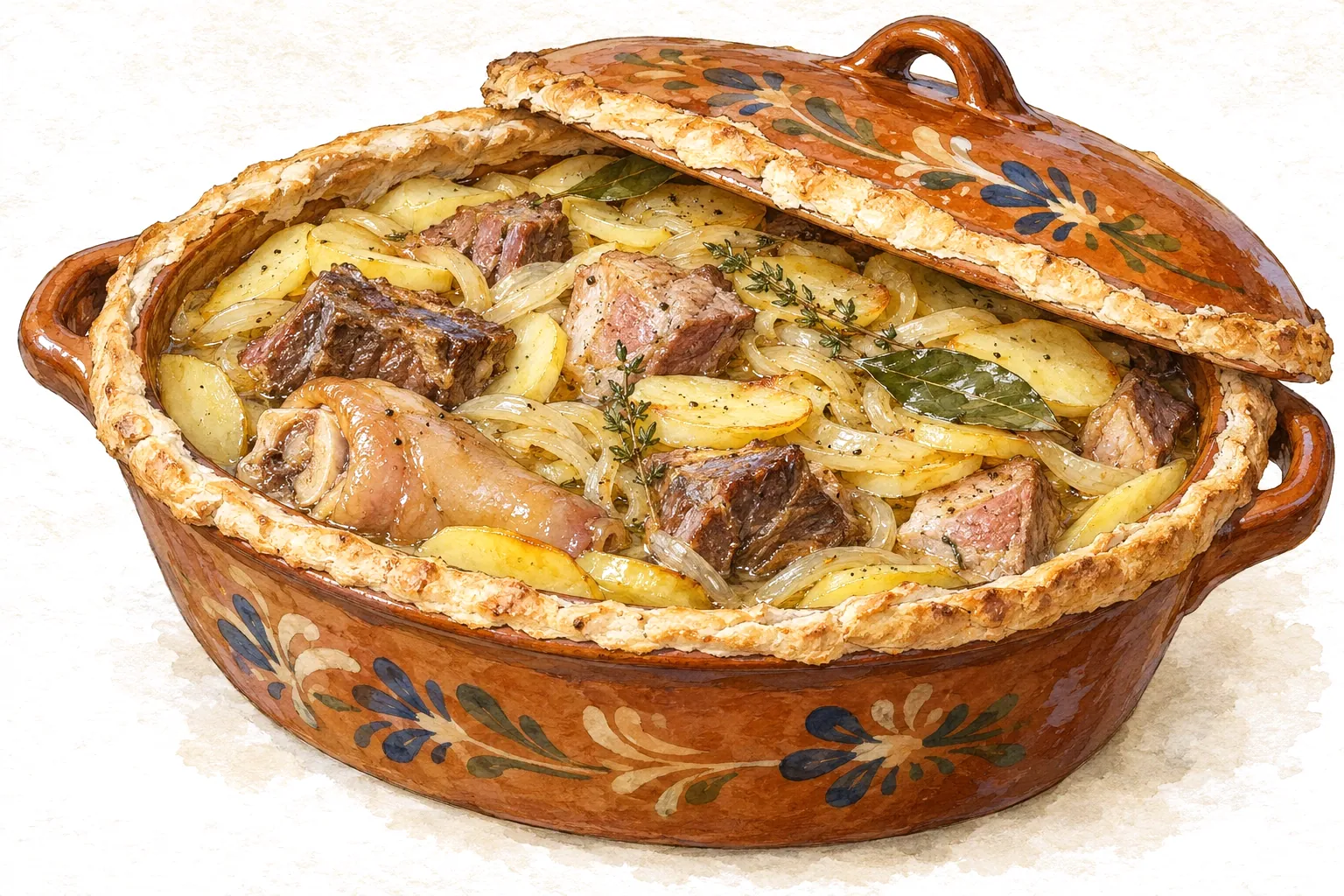 RecipeBaeckeoffeAlsace, France
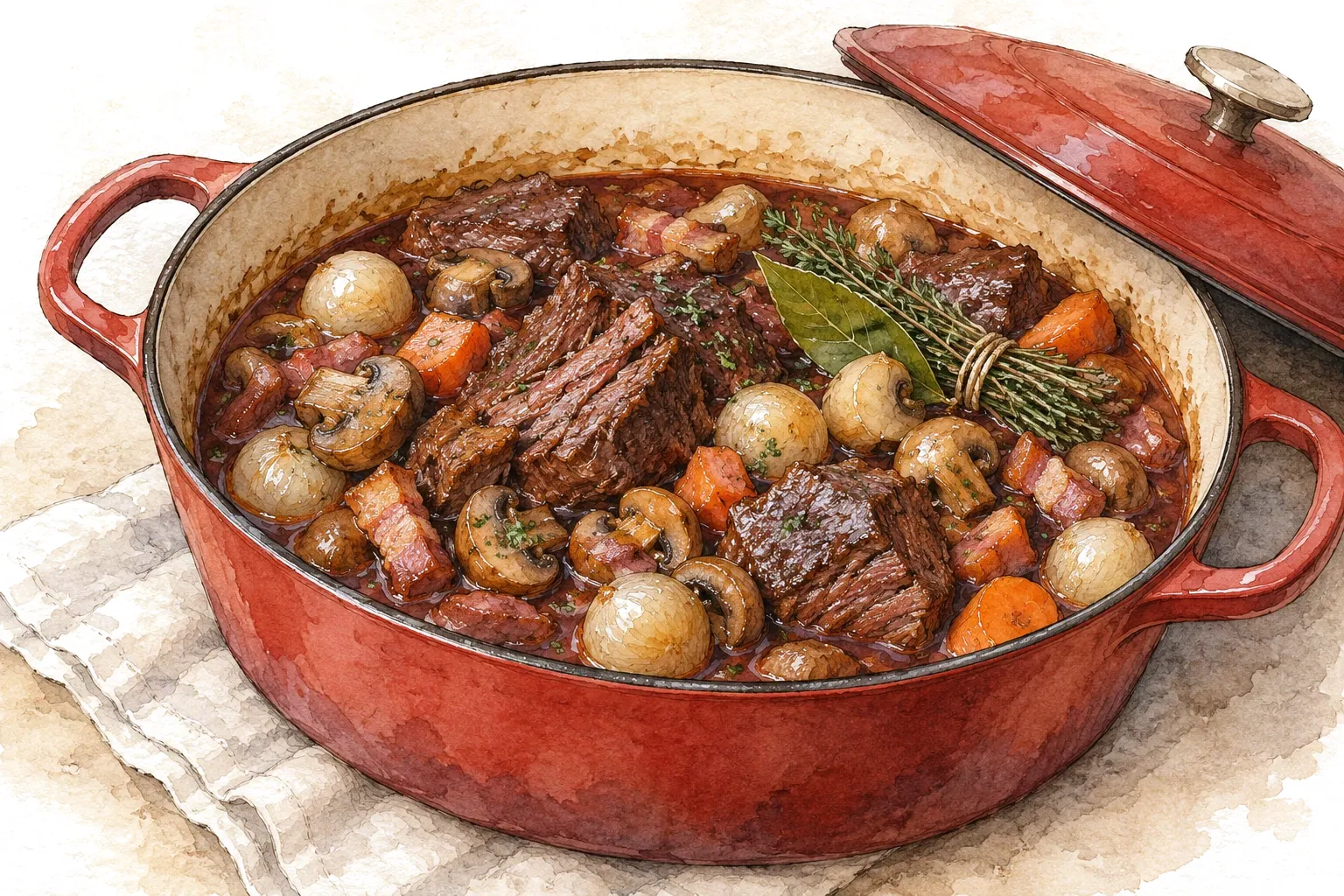 RecipeBœuf bourguignonDijon, France
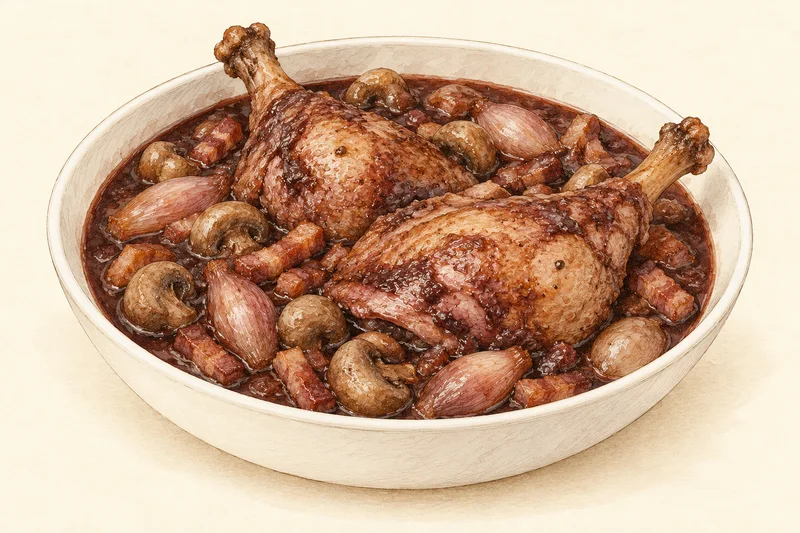 RecipeCoq au vinBurgundy, France
- Grape varietyChardonnay
- Wine regionCôte de BeauneBeaune, France
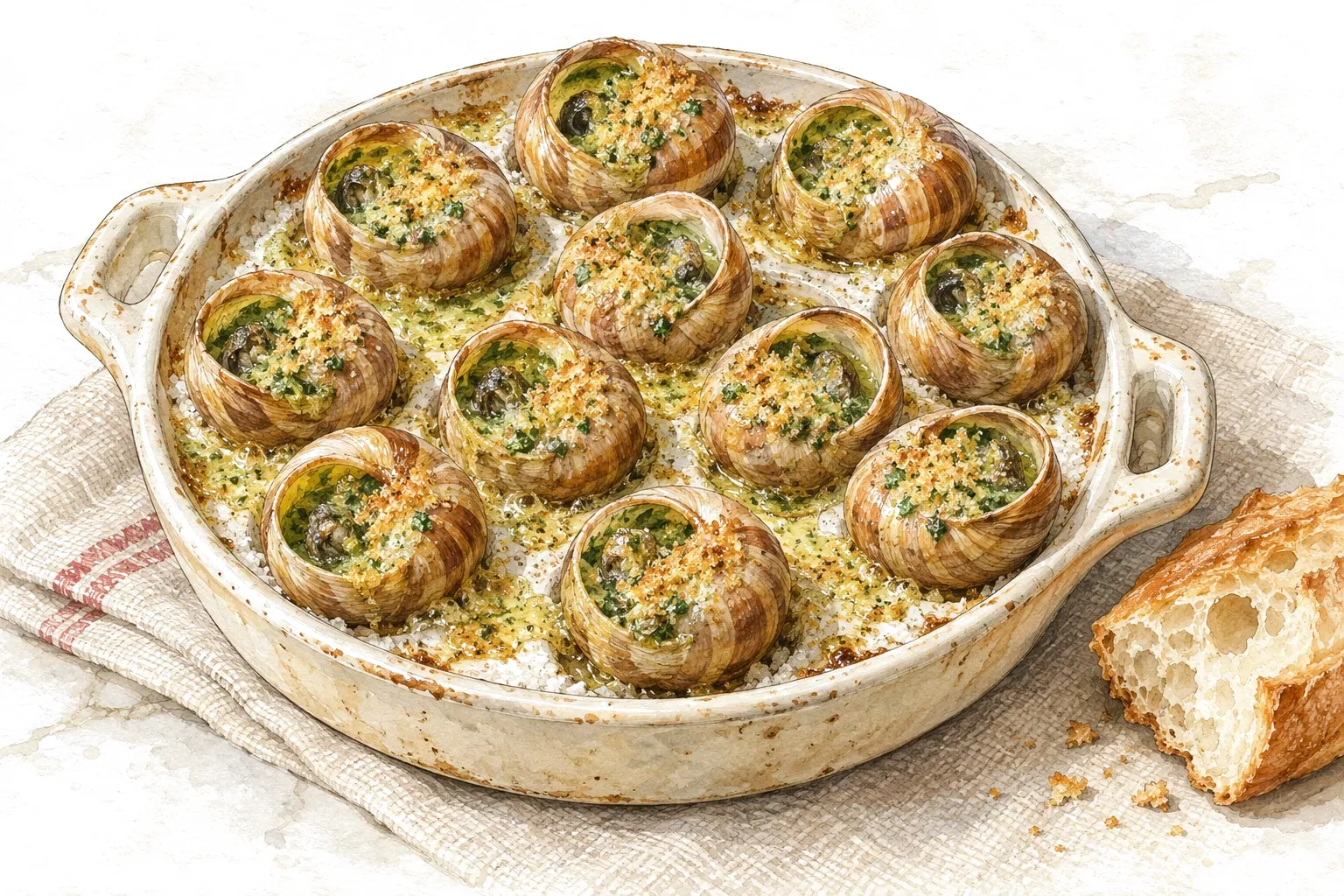 RecipeEscargots à la bourguignonneBurgundy, France
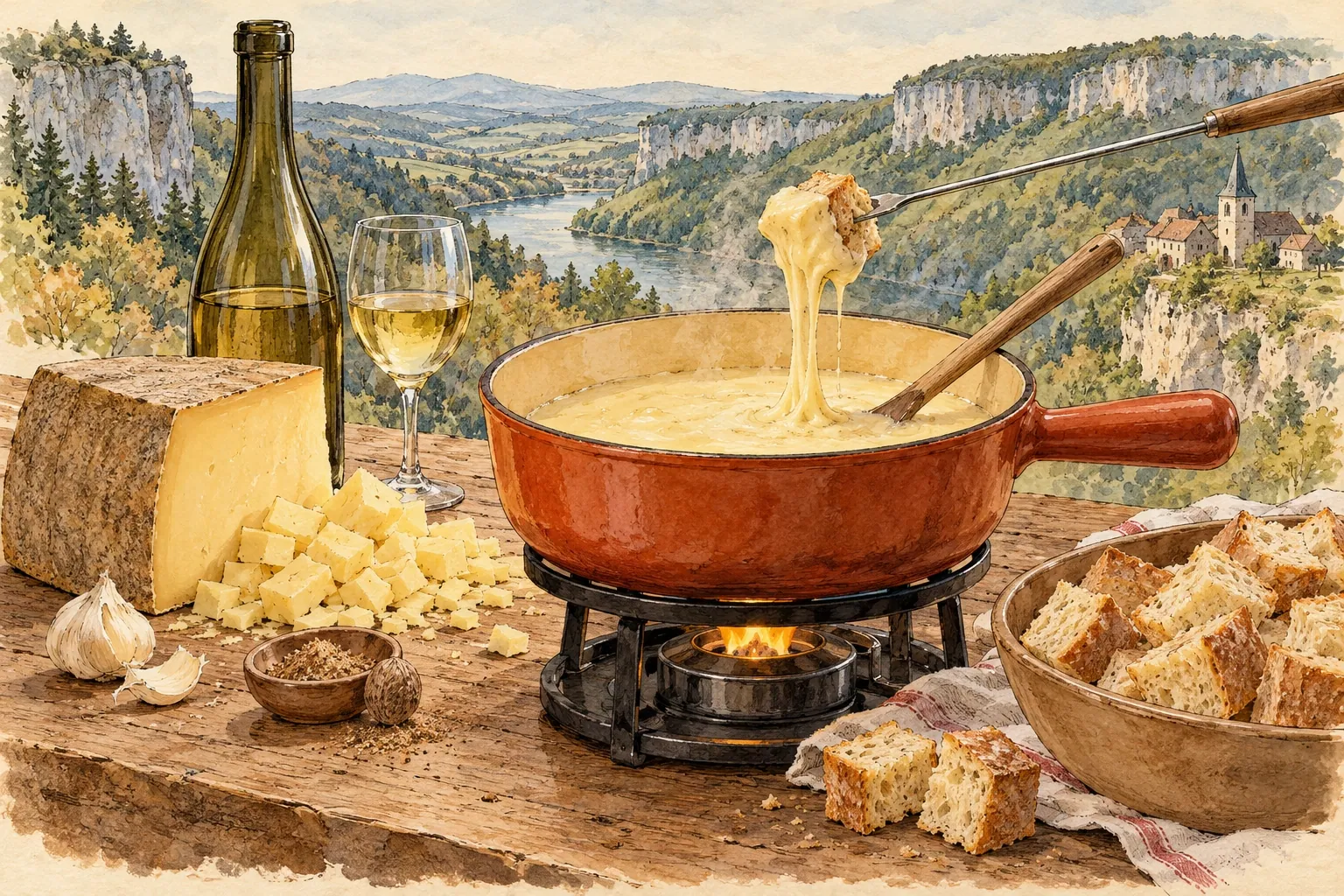 RecipeFondue au ComtéJura massif, Franche-Comté, France
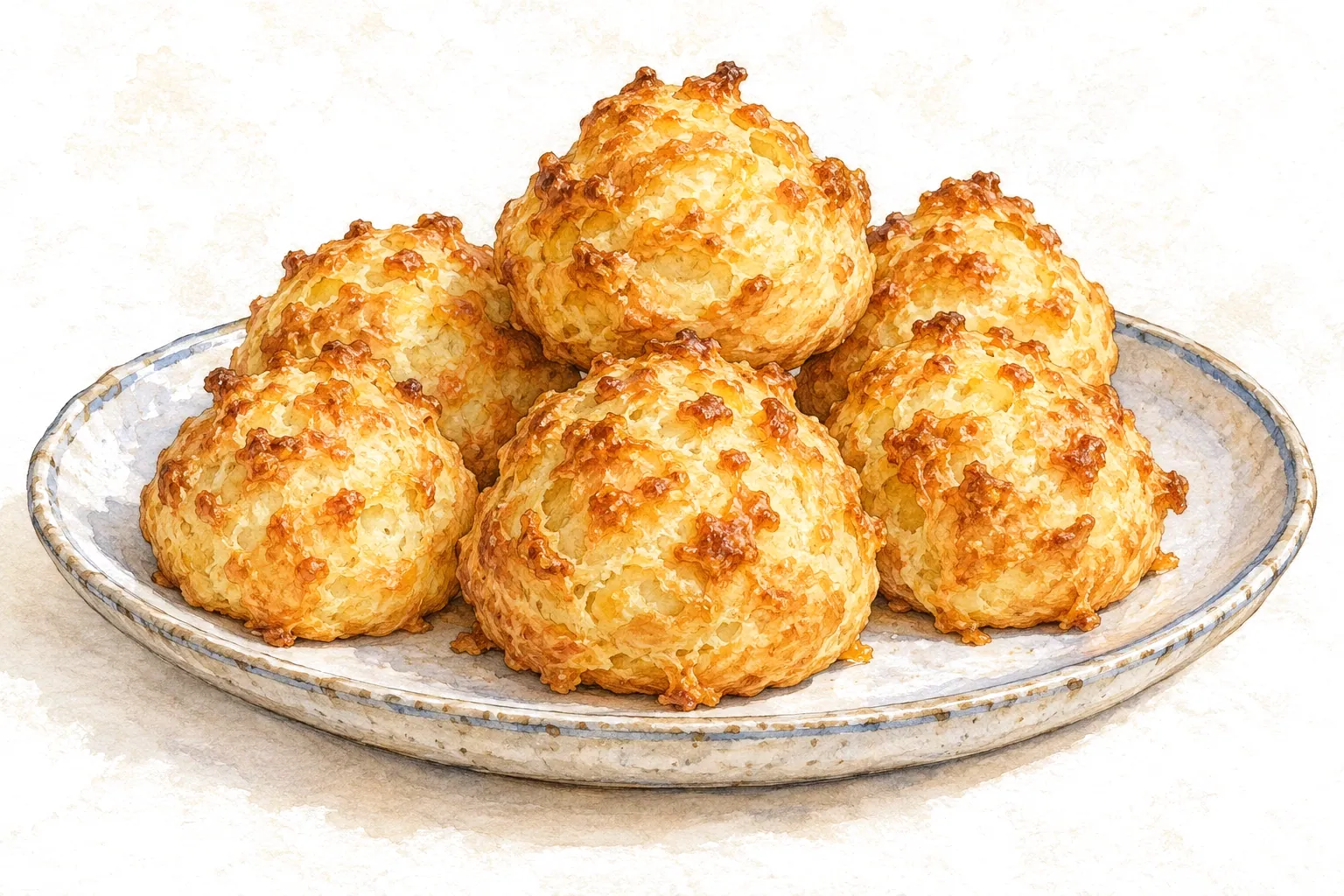 RecipeGougèresBurgundy, France