
Wine · Wine region · Short entry
Chassagne-Montrachet
Chassagne-Montrachet
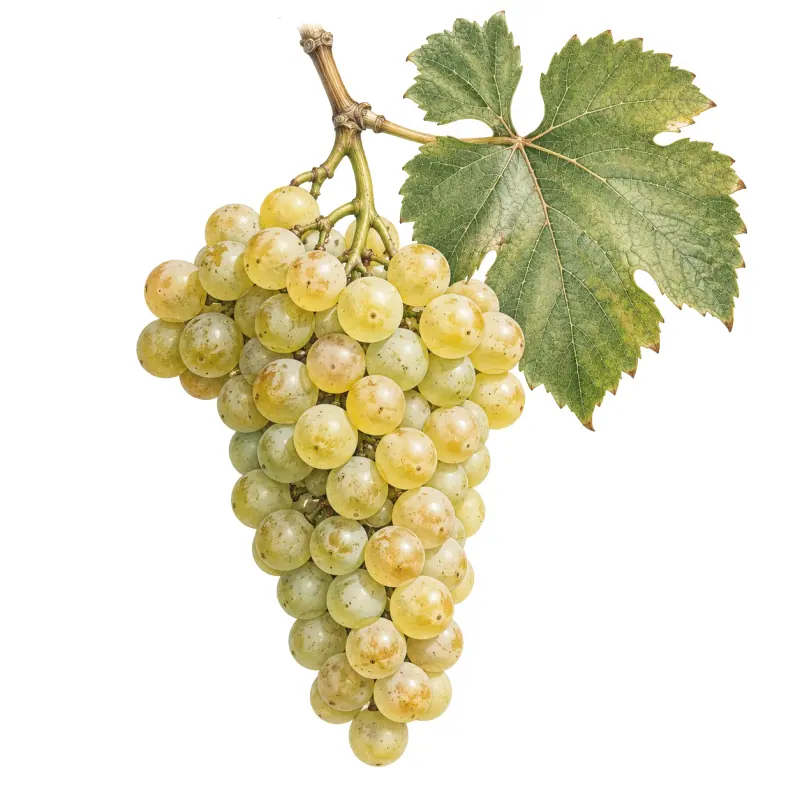
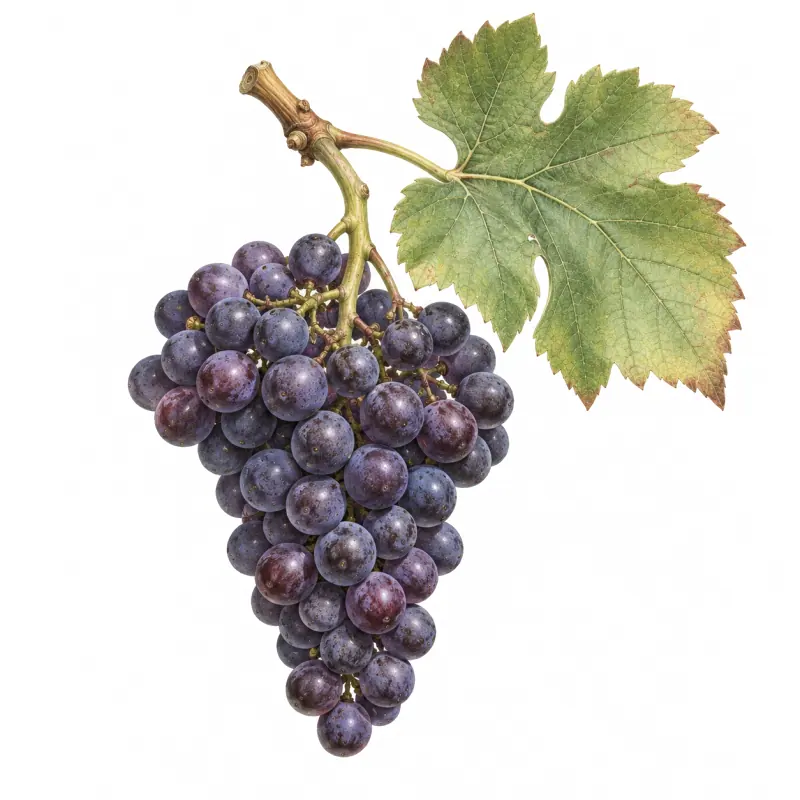
Chassagne-Montrachet is a Côte de Beaune village appellation producing both Chardonnay whites and Pinot Noir reds, which the BIVB says grow side by side because of the complexity of the soils. Its vineyards extend into neighbouring Remigny, and its quarries supplied stone for buildings in Paris.
Stone, Montrachet and the AOC
Like the rest of the Côte de Beaune, Chassagne's wines were long sold under the general name "vin de Beaune". The BIVB sheet describes extensive quarries in the commune that form a kind of cliff face; they supplied the pink and beige stone used for the Trocadéro in Paris and, more recently, the Louvre Pyramid.
Chassagne shares with Puligny the Grand Cru Montrachet. The AOC Chassagne-Montrachet dates from the decree of 31 July 1937. It includes some plots in the neighbouring village of Remigny that share the same soil conditions.
Soil, slope and climate
The hillside runs from about 220 to 325 m. The BIVB sheet gives the order of rocks from the top down as Rauracian, then Callovian, then Argovian, all Jurassic. The soils of the different climats range from pebbly limestones through marls to sandy soils on a Jurassic base. The same sheet notes that Pinot Noir and Chardonnay grow side by side here because the soils are so varied.
The BIVB describes the Côte de Beaune climate as one of hot summers and often warm late autumns. Burgundy receives about 700 mm of rain a year, mostly in May and June, and about 1,300 hours of sunshine between April and September.
What the place gives the wine
The BIVB sheet describes the whites as golden with green glints, with mayflower, acacia and honeysuckle, verbena and hazelnut, sometimes toast or fresh butter, and a flinty minerality; age brings honey or ripe pear. They are rounded and often opulent. The reds are well coloured, with morello cherry, cherry stone, wild strawberry, gooseberry and raspberry, and animal and spice notes. Their fleshiness partly hides tannins that are somewhat austere when young and become concentrated with age.
Grapes and classification
Whites come from Chardonnay and reds from Pinot Noir. The appellation covers Chassagne-Montrachet and Remigny and includes 55 Premier Cru climats. Site conditions vary across the wide appellation, so Chassagne is not exclusively white: in 2022 the BIVB recorded 223.12 ha of white (121.17 ha Premier Cru) and 86.13 ha of red (26.95 ha Premier Cru). Montrachet, Bâtard-Montrachet and Criots-Bâtard-Montrachet are separate Grand Cru appellations.
How it connects
Wine region
Grape variety
- grows Chardonnay
- grows Pinot Noir
Continue exploring
- CountryFrance162 entries in the atlas so far
- Grape varietyPinot Noir
 RecipeBaeckeoffeAlsace, France
 RecipeBœuf bourguignonDijon, France
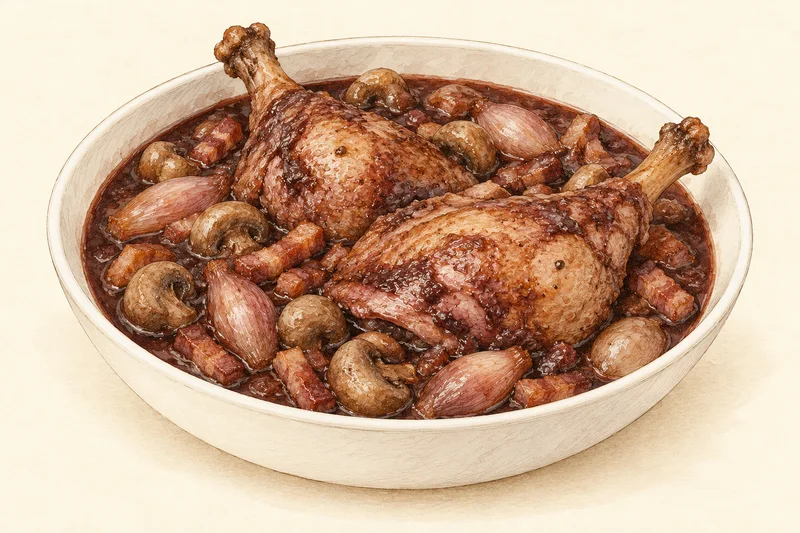 RecipeCoq au vinBurgundy, France
- Grape varietyChardonnay
- Wine regionCôte de BeauneBeaune, France
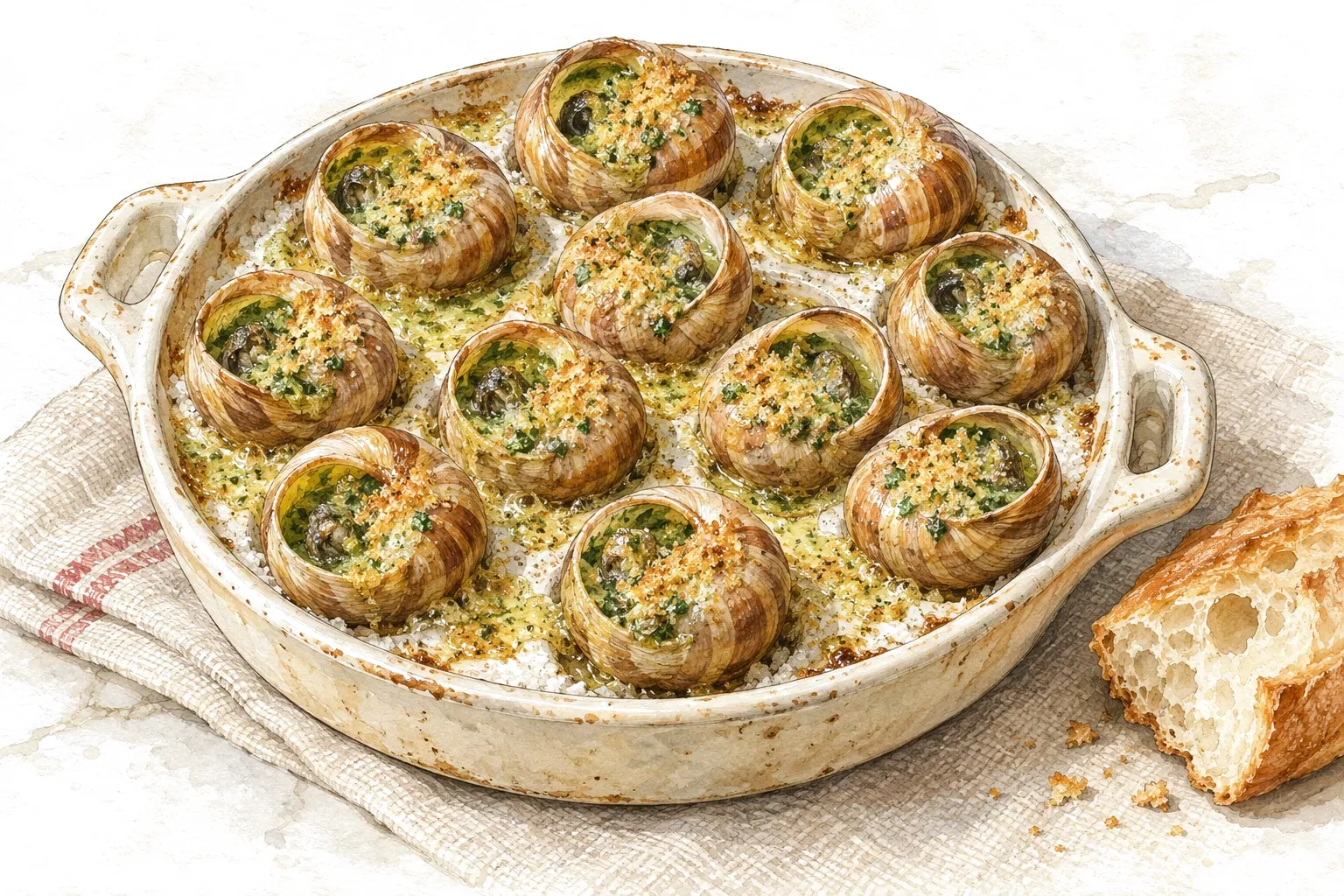 RecipeEscargots à la bourguignonneBurgundy, France
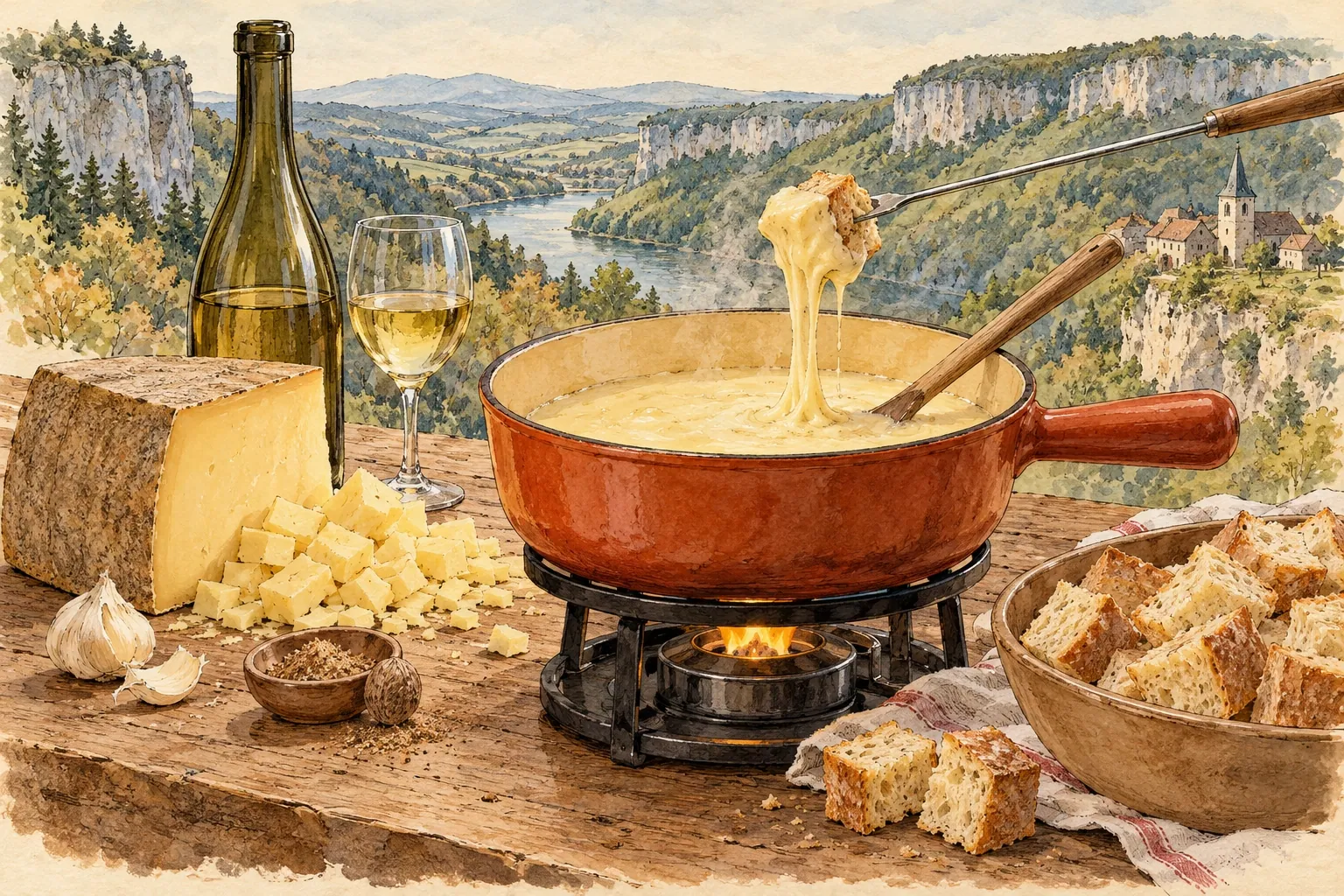 RecipeFondue au ComtéJura massif, Franche-Comté, France
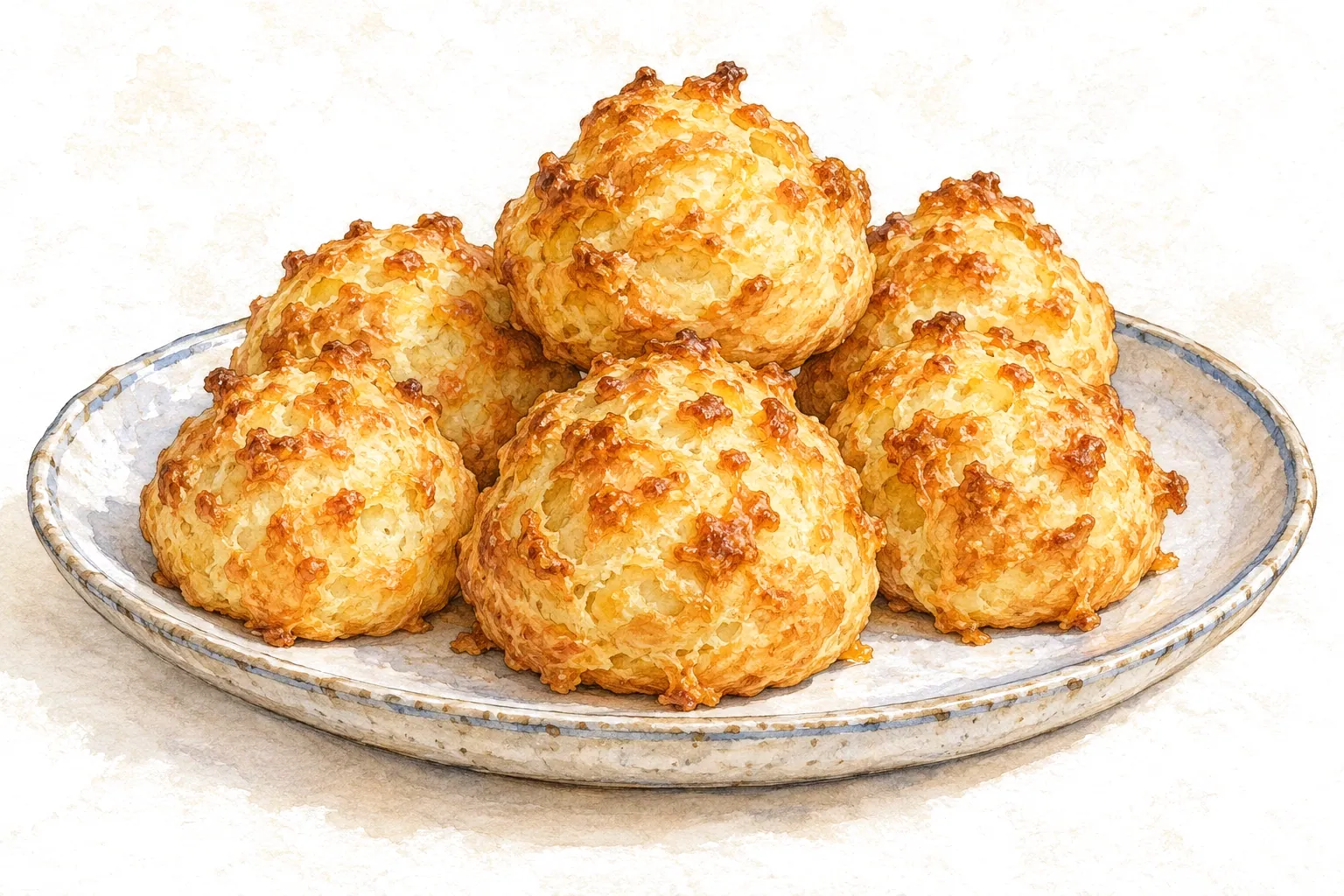 RecipeGougèresBurgundy, France