
Wine · Wine region · Reference page
Veneto
The region between Lake Garda, the Dolomites and the Venetian lagoon. It makes the dried-grape reds of Valpolicella, the white Soave, and Prosecco, whose DOC it shares with Friuli Venezia Giulia. Its hill zones lie on limestone, basalt and marine sandstone, its plain on Alpine river gravels and clays.
Venice and the wine trade
The production rules for the Venezia DOC trace vineyards on the Venetian and Treviso plain to Roman times, attested by many finds. Barbarian invasions destroyed much of the countryside. In the Middle Ages the bishops of Concordia Sagittaria had the abbey of Summaga built and entrusted it to Benedictines, who spread vines and wheat; monasteries became centres of teaching. Later the Republic of Venice fostered what the rules call an "aristocratic" viticulture, in which noble estates competed on quality and their wines outclassed the foresti, foreign wines.
The rules of the Prosecco DOC say the first documents naming a Prosecco wine date from the late 1600s and describe a white from the village of Prosecco on the Karst above Trieste; the grape later spread to the Treviso hills. In 1876 Conegliano gained the first school of viticulture and oenology in Italy. The Prosecco DOC followed in 2009 and the Venezia DOC in 2010, after replanting that followed the frost of 1985.
From the lake to the lagoon
The Veneto's vineyards fall into hills and plain. North of Verona the Lessini mountains send valleys and ridges into the plain. Here lie Valpolicella, on limestone and dolomite, basalt and moraine, and Soave, on dark volcanic soils. North of Treviso, the Conegliano Valdobbiadene hills are steep ridges of uplifted marine sandstone and marl beneath the Prealps.
The eastern plain towards Venice is humid and temperate, owing to its latitude, the Karst and Dolomite mountains to the north, the sea and lagoons, and flat land open to the winds. Its soils come from the meltwater of Alpine glaciers and then from the Piave and Livenza. The upper plain is gravel through and through; southwards sand increases until, at the line of resurgence springs, the soils turn to silts and clays.
Gravel for whites, clay for reds
For the plain, the Venezia DOC rules match soil to colour. Loose, stony soils go to white grapes and give fresh, floral, fruity wines with marked sapidity, well suited to sparkling wine; the rules count the Treviso hills and the Piave valley among the world's important areas for tank-method sparkling wine. Heavy clays go to red grapes and give deep colour that lasts, jam and berry notes or spicy tobacco and herbaceous ones, and good tannin. The humid temperate climate and day-night swings keep the grapes' aromas and acidity. In the hills, the rules of Soave credit volcanic soils with sapidity, and those of Valpolicella credit limestone with colour and polyphenols.
Prosecco, Soave and dried grapes
The Ministry lists 13 DOCG in Veneto, plus Lison shared with Friuli, and about twenty DOC of its own. The Prosecco DOC, created in 2009, covers parts of Veneto and Friuli Venezia Giulia and is based on Glera; the hill zones of Conegliano Valdobbiadene and Asolo are separate DOCG. Soave is based on Garganega, and Valpolicella, Ripasso, Amarone and Recioto on Corvina, Corvinone and Rondinella. On the plain the Venezia DOC covers reds, whites, passito wines from Verduzzo, and tank-method spumante and frizzante.
Classification
- DOCG13 DOCG, among them Amarone and Recioto della Valpolicella, Soave Superiore, Recioto di Soave, Conegliano Valdobbiadene - Prosecco, Asolo Prosecco and Bardolino Superiore; plus Lison, shared with Friuli.
- DOCAbout twenty DOC of its own, plus several shared with neighbours, among them Prosecco and delle Venezie.
How it connects
Wine region
- subregion Soave
- subregion Valpolicella
- subregion Conegliano Valdobbiadene
Grape variety
- grows Glera
- grows Garganega
- grows Corvina
- grown in Corvinone
- grown in Rondinella
Continue exploring
- CountryItaly107 entries in the atlas so far
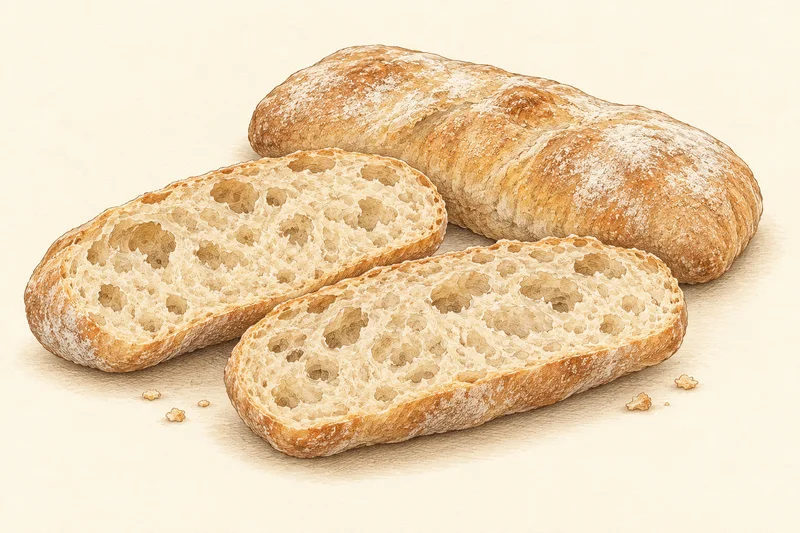 RecipeCiabattaAdria, Veneto, Italy
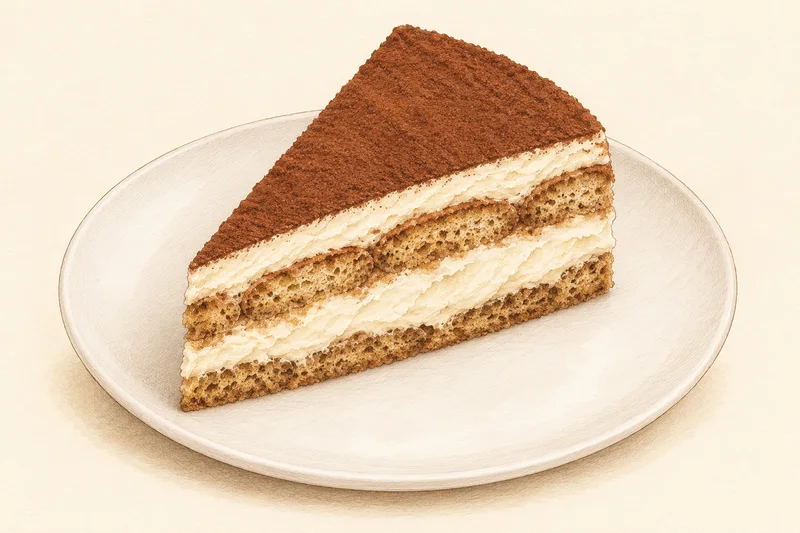 RecipeTiramisùTreviso, Italy
- Wine regionConegliano ValdobbiadeneValdobbiadene, Italy
- Wine regionValpolicellaSan Pietro in Cariano, Italy
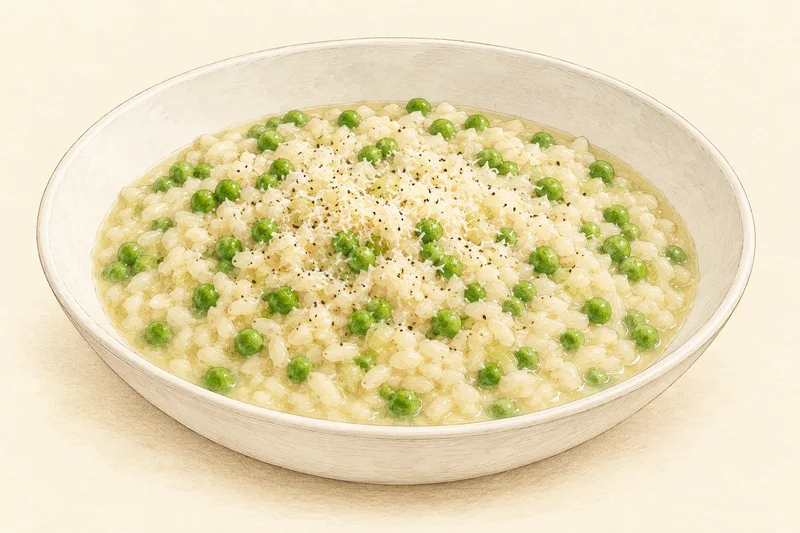 RecipeRisi e bisiVenice, Italy
- Grape varietyCorvina
- Grape varietyCorvinone
- Grape varietyGarganega
- Grape varietyGlera