
Wine · Wine region · Reference page
Valpolicella
The hills north of Verona between Lake Garda and the Lessini mountains, home of reds from Corvina, Corvinone and Rondinella. They range from the fresh Valpolicella DOC and Ripasso to Amarone and Recioto, made from grapes dried for 100-120 days after harvest.
From acinatico to Amarone
The Valpolicella rules attribute the first vines to the Paleo-Venetian or Etruscan-Rhaetic peoples of the seventh to fifth centuries BC; under Rome the area was the Pagus Arusnatium, and its wine was called retico. The name may come from Polesella, land of many fruits, or vallis-polis-cellae, valley of many cellars. The Amarone rules trace dried-grape wine to acinatico, requested by Cassiodorus, minister of King Theodoric, and cite the Edict of Rothari's penalties for damaging vines, an estimate of 1503 describing a rich valley, and the word "amaro" (bitter) used by Scipione Maffei for a special local wine.
In 1881 Stefano de' Stefani drew the first delimitation of Verona's wine zones. Unlabelled bottles of Amarone appeared early in the twentieth century for family and friends; the first was sold in 1953. Valpolicella became a DOC on 21 August 1968, and on 24 March 2010 Valpolicella, Ripasso, Recioto and Amarone became separate denominations.
The shape of a hand
The zone covers the whole foothill band of the province of Verona, from Lake Garda almost to the border with Vicenza, across 19 communes. The rules describe its valleys and ridges as entering the plain "in the shape of a hand". The Lessini shelter it from the north, Lake Garda tempers it, and south-facing slopes make the low hills and valley floors almost Mediterranean. Rain is 850-1000 mm, heaviest in winter.
Soils come from weathered limestone and dolomite, basalt, and glacial and river deposits, so the water supply to the vine varies from place to place. Vineyards reach about 500 m; higher up they sit on the gentler parts of ridges, while in the low and middle hills they face mainly south. Below 300 m the soils are sandy-gravelly and clayey; the highest slopes are marly limestone, the Biancone and Scaglia. Growers have restored the old dry-stone terraces, the marogne, and trained vines on the single pergola or pergoletta veronese.
Floor, hill and ridge
The rules separate the zone by height. Valley floors give moderate alcohol, floral aromas and delicate colour. The low and middle hills give good sugar, average acidity with much malic acid, and good anthocyanins. The calcareous southern and upper ridges give sugar, colour and polyphenols, and the Biancone and Scaglia limestones the deepest colour with intense floral and red-fruit notes. Corvina and Corvinone give structure and longevity, Rondinella colour. Young Valpolicella is ruby, vinous, with cherry and rose, fresh and slightly bitter. Amarone is deep red with garnet tints, with dried fruit, tobacco and spice that the rules link to noble rot during drying, and can keep more than twenty years.
Four wines from one grape mix
All four denominations use Corvina and/or Corvinone at 45-95% and Rondinella at 5-30%, with up to 25% other local red grapes. Valpolicella may be Classico or Valpantena; the Superiore ages at least one year from 1 January after the harvest. Valpolicella Ripasso is refermented for at least 3 days on the pomace left after making Amarone or Recioto, and is released from 1 January of the second year. For Amarone and Recioto the grapes, picked from late September to early October, dry in lofts for 100-120 days until they lose at least half their weight and reach 14% potential alcohol. No more than 40% of the fresh grape weight may become wine. Amarone ages at least two years, the Riserva four; Recioto della Valpolicella is the sweet version.
Classification
- Amarone della Valpolicella DOCGCorvina and/or Corvinone 45-95%, Rondinella 5-30%. Grapes dried in the zone; at least 2 years' ageing from 1 January after the harvest; Riserva at least 4 years. Maximum 40% of grape weight as wine.
- Classico and ValpantenaClassico: the communes of Negrar, Marano, Fumane, Sant'Ambrogio and San Pietro in Cariano. Valpantena: the valley of that name, with its own delimited area.
- Valpolicella Ripasso DOCValpolicella refermented on Amarone or Recioto pomace for at least 3 days; released from 1 January of the second year after the harvest.
How it connects
Grape variety
- grows Corvina
- grows Corvinone
- grows Rondinella
Continue exploring
- CountryItaly107 entries in the atlas so far
- Wine regionVenetoVerona, Italy
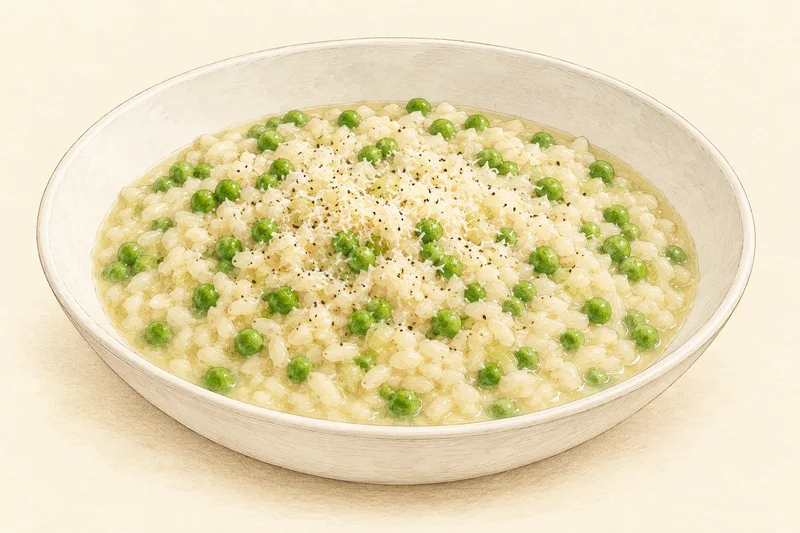 RecipeRisi e bisiVenice, Italy
- Grape varietyCorvina
- Grape varietyCorvinone
- Grape varietyRondinella
- Wine regionSoaveSoave, Italy
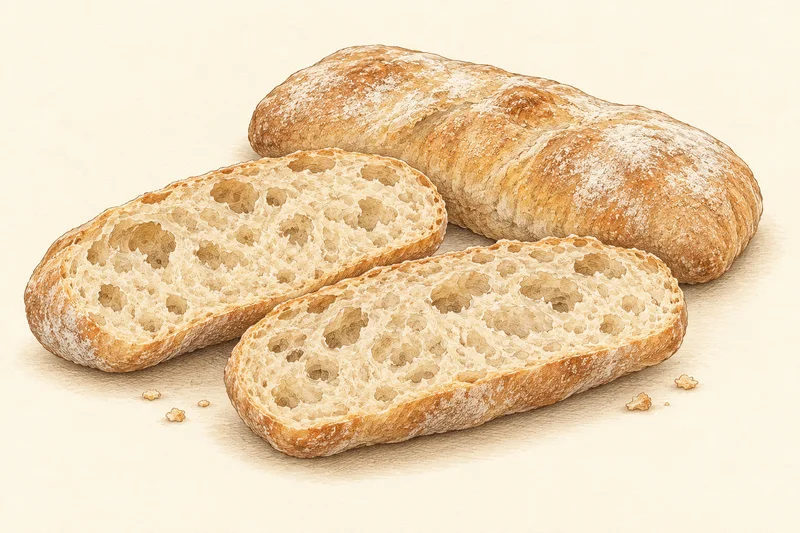 RecipeCiabattaAdria, Veneto, Italy
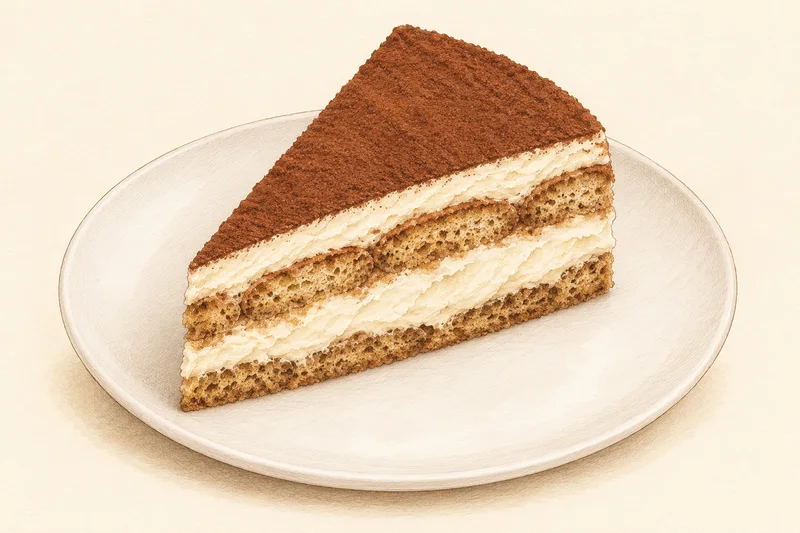 RecipeTiramisùTreviso, Italy
- Wine regionConegliano ValdobbiadeneValdobbiadene, Italy