Wine · Wine region · Short entry
Ticino
Ticino / Tessin
Ticino is Switzerland's only wine region south of the Alps, with about 1,200 ha in small, often steep plots divided by Monte Ceneri into the Sopraceneri and the Sottoceneri. Merlot, first planted in 1906, covers about four fifths of the vineyard and is made as red and as white. Wines from Ticino and the Graubünden valley of Mesolcina may carry DOC Ticino, managed by the Ticino vine and wine interprofession.
Merlot since 1906
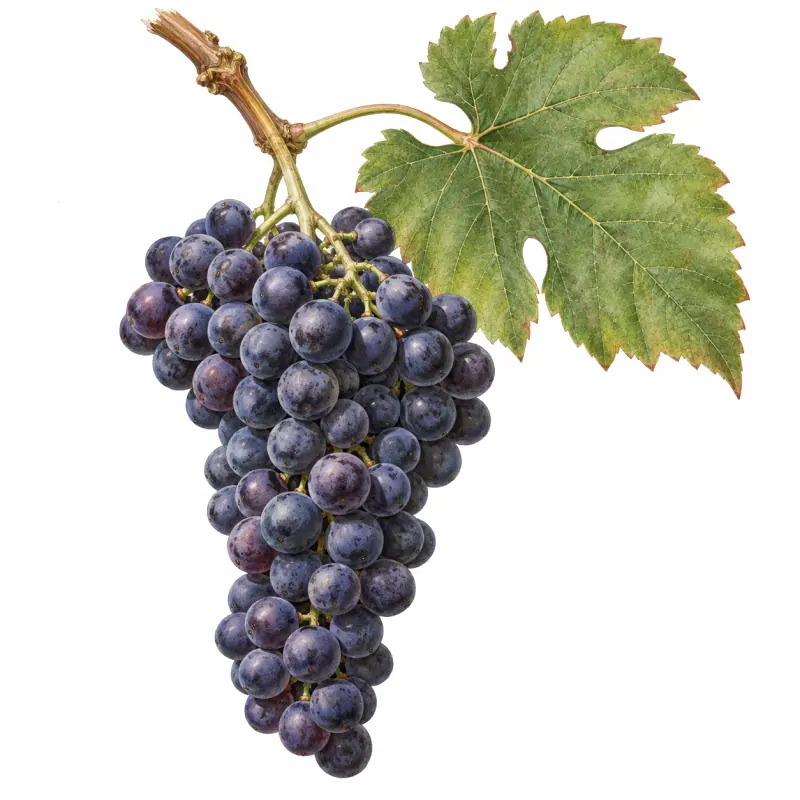
Ticinowine says vines have been grown in Ticino for more than two thousand years, but that quality development began in the early 20th century. Merlot from Bordeaux was first planted in 1906, and good trial results led the authorities and the main wineries to promote it. A VITI quality mark for the best Merlot reds was introduced by decree on 1 January 1948, helped by the strong 1947 vintage.
The first DOC Ticino wines came from the 1997 vintage, under an Ordine della DOC set up by the trade with the cantonal agriculture section. In April 2010 the order was dissolved and its tasks passed to the Interprofessione della Vite e del Vino Ticinese. The current viticulture regulation, of 11 September 2024, came into force on 13 September 2024 and moved technical rules into directives.
North and south of Monte Ceneri
Ticinowine places about 1,200 ha in small, often steep plots from Chiasso to the first slopes toward the Gotthard, at 220 to 700 m; a third of the area lies on slopes of 30%. North of Monte Ceneri, in the Sopraceneri, glaciers and torrents left stony moraines and alluvial fans rich in sand and silt. Agroscope describes black, acid soils on scree in valleys cut into a dome of gneiss there; Swiss Wine Promotion speaks of granite and slate. South, in the Sottoceneri, soils between Lake Lugano and Chiasso are rich, deep and clay-heavy; Agroscope adds moraines and limestone and dolomite screes in the Mendrisiotto and local volcano-sedimentary rocks around Lugano.
Swiss Wine Promotion describes abundant rain and generous sun with maritime influences, and a Mediterranean climate near Lakes Maggiore and Lugano. Agroscope notes often very dry winters and wet summers, with heavy rain late in the season that hinders late-ripening grapes.
Austere north, soft south
Ticinowine links the stony northern soils and a climate strongly marked by the Alps to austere wines suited to long ageing, and the warmer, clay-rich south to wines of elegance and softness. Swiss Wine Promotion reads the north differently, as cooler and giving lighter, more elegant Merlot, and calls southern Merlot powerful and full-bodied, often aged in barriques. Both describe Merlot as versatile here; Ticinowine says it gives very different wines depending on terroir and the producer's approach, including whites made from the red grape. The pergola once marked the north, and a local legend says a cat could walk on pergolas from Locarno to Giornico without touching the ground.
DOC Ticino, IGT and Nostrano
Under the 2024 regulation any reference to a geographical area, a locality or a part of the canton is reserved for DOC wines as defined by the federal ordinance. The Interprofessione della Vite e del Vino Ticinese (IVVT) regulates, manages and controls the DOC, and the cantonal agriculture section may set lower yields by directive. DOC grapes must at least meet the federal floors for Italian-speaking Switzerland: 15.8 °Brix for whites, 17.6 °Brix for reds and no more than 1.2 kg/m². Wines with a typical geographical indication (IGT), including those under the traditional name Nostrano, may use any variety in the vineyard register. Wines from Mesolcina may use DOC Ticino when grown and made in Ticino or Mesolcina. Merlot grows beside Chardonnay, Sauvignon Blanc, Pinot Noir, Gamaret and the native Bondola.
Classification
- DOC TicinoGrapes from Ticino or Mesolcina; federal floors of 15.8 °Brix white and 17.6 °Brix red and at most 1.2 kg/m²; detailed rules set by cantonal directives and the IVVT.
- IGT (incl. Nostrano)Any variety registered in the Ticino or Mesolcina vineyard register.
- VITI markQuality mark for Merlot reds introduced on 1 January 1948, awarded after tasting and analysis.
How it connects
Wine region
- in Switzerland
Grape variety
- grows Merlot