
Wine · Wine region · Reference page
Bordeaux
Bordeaux
The wine region of the Gironde department in south-west France, built along the Garonne, the Dordogne and the Gironde estuary. Its appellation area covers 494 of the department's 535 communes, and the specification calls it the largest area of appellation wine in France. It is known above all for red wines blended from Merlot and the two Cabernets, alongside dry whites and the sweet wines of Sauternes.
From claret to châteaux
Vines arrived in the first century AD, when the Bituriges Vivisques of Roman Burdigala took up winegrowing; excavations in the Graves date the first plantings to around 40 AD. The real expansion came in the twelfth and thirteenth centuries. The marriage of Eleanor of Aquitaine to Henry Plantagenet, future king of England, in 1152 opened the English market, which called the pale wine "claret". In the seventeenth century Dutch merchants and engineers helped drain the Médoc marshes and widened demand for white wines. Ageing in barrel and then bottle, helped by burning sulphur wicks, spread from about 1750, and Merlot began to spread only from about 1830.
The brokers' habit of ranking parishes and then estates led to the 1855 classification for the Paris Universal Exhibition. Phylloxera struck from 1875 to 1892, and Bordeaux mixture, a copper spray against mildew, came out of work by Millardet and Gayon published in 1887. A decree of 18 February 1911 first delimited Bordeaux, and the AOC followed on 14 November 1936. The frosts of the winter of 1956 forced a deep replanting.
Three rivers, young rocks, an oceanic climate
The Garonne flows in from the south-east and the Dordogne from the east; they meet at the Bec d'Ambès to form the Gironde estuary. The specification uses these waters to divide the region into three units: Nord-Gironde on the right bank of the Dordogne and the estuary, the land between the two rivers (Entre-deux-Mers), and the left bank of the Garonne and the estuary. The rocks are young: Eocene and Oligocene marls, molasses and limestones, covered by Plio-Quaternary gravel and sand, often under silt. Brown clay-limestone soils dominate on the Tertiary rock, well-drained gravel terraces line the rivers, and clay-rich palus lies along their banks.
The Atlantic, the estuary and the valleys moderate temperatures, but their protection against spring frost fades towards the forests of the Landes, Saintonge and the Double, so few vines grow at the northern and south-western ends. The specification gives 700–800 mm of rain a year, spread through the year. Météo-France's 1991–2020 normals at Bordeaux-Mérignac give 925 mm, a mean of 14.2 °C and about 2,070 hours of sunshine. Variable late-summer weather gives strong vintage differences.
What the soils give the wine
The specification links grape to ground through four soil types: clay-limestone and marly slopes, where Merlot does well; siliceous soils mixed with clay and limestone, suited to Merlot and Sauvignon Blanc; light boulbènes of fine silt, suited to dry whites; and warm, well-drained gravel terraces, ideal for Cabernet Sauvignon. It describes reds in which Merlot often leads as supple, fruity and low in acidity, with Cabernet Sauvignon and Cabernet Franc adding aromatic complexity and the tannic power to keep and develop a bouquet. Dry whites from Sauvignon Blanc are aromatic and fresh, with floral and citrus notes; Sémillon adds body. Clairet has an intense colour with raspberry glints and a more vinous palate than other rosés.
Blends, appellations and classifications
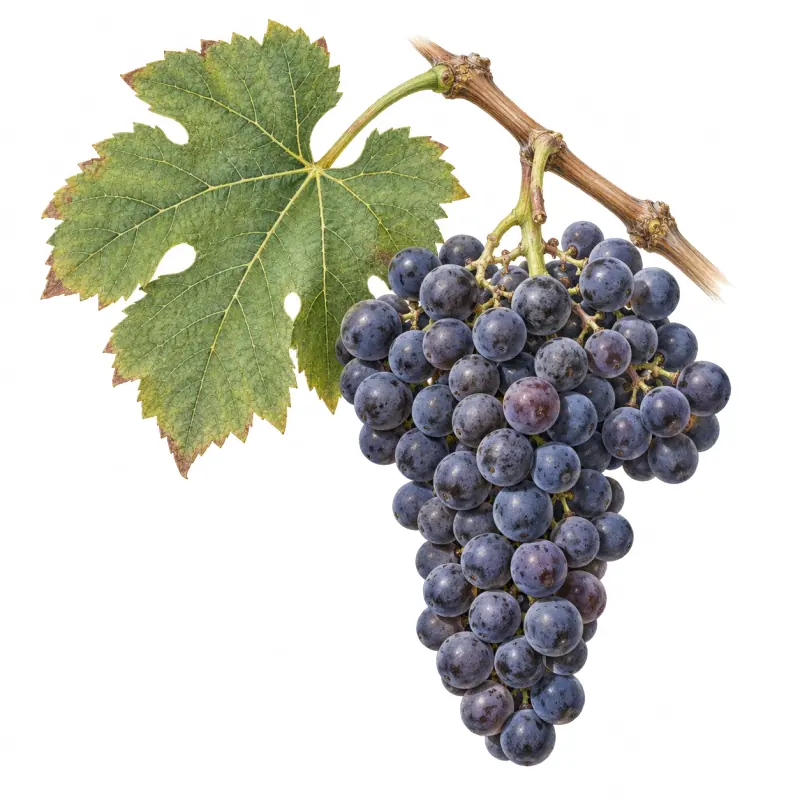
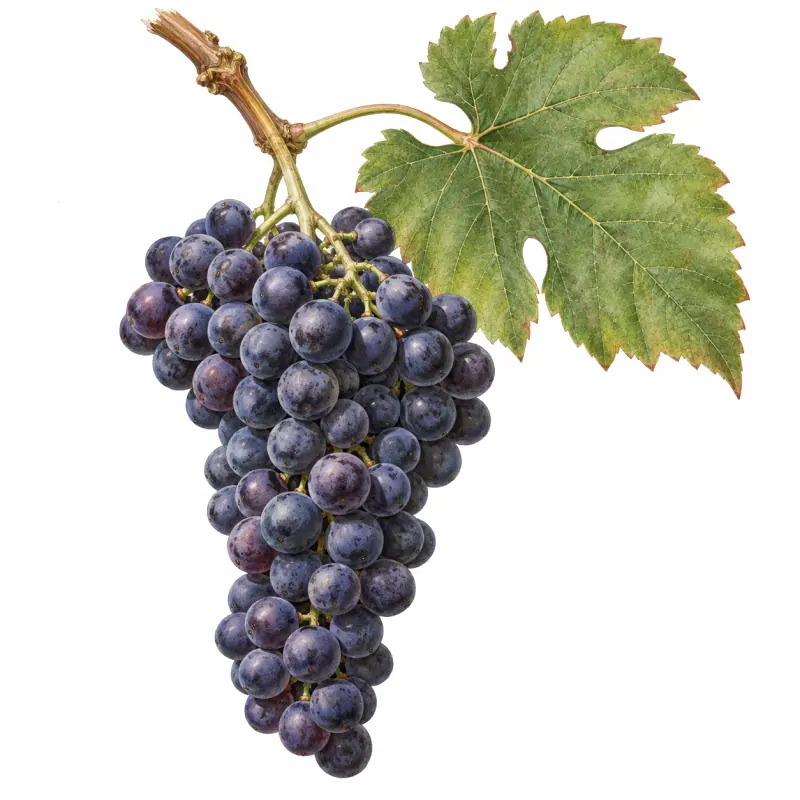
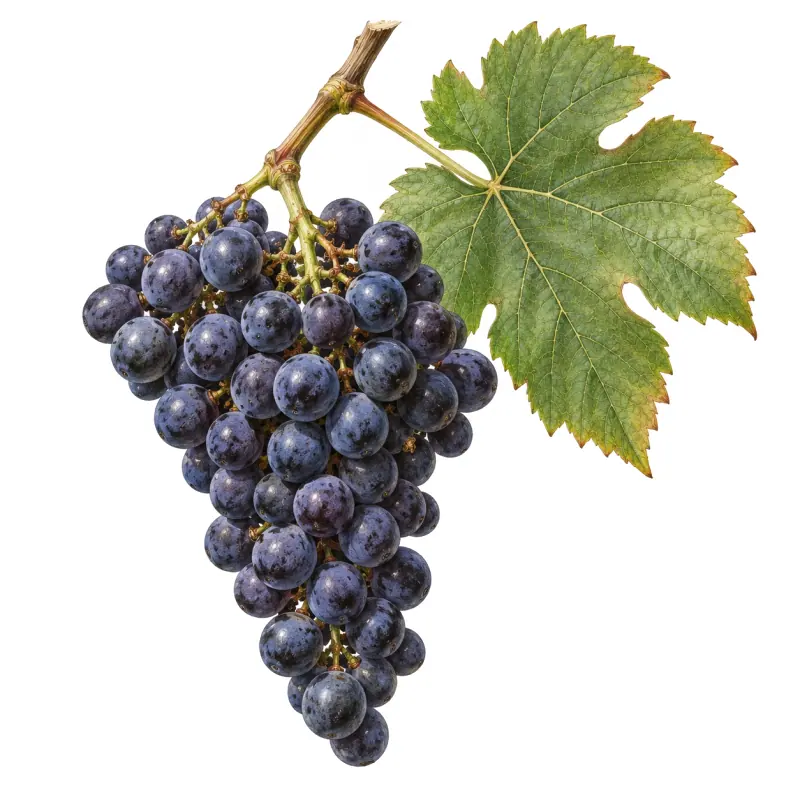
Bordeaux wines are usually blends. In 2020 red varieties made up 89 % of the vineyard: Merlot 66 %, Cabernet Sauvignon 22 %, Cabernet Franc 9 %, and small amounts of Malbec (Côt), Petit Verdot and Carménère. The white 11 % was mainly Sémillon and Sauvignon, with Muscadelle. Several appellations now also admit a few "varieties of interest for adaptation" to climate change, such as Arinarnoa, Castets, Marselan and Touriga Nacional, capped at 5 % of each estate in the Haut-Médoc.
The appellations form a pyramid. At the base, Bordeaux and Bordeaux Supérieur made 44 % of the volume in the 2021 key figures of the Bordeaux wine council (CIVB). Above them come district appellations such as Médoc and Graves, and then communal ones such as Pauillac or Pomerol. The CIVB counted 65 AOCs in 2021.
Classifications of estates sit beside the appellations. The 1855 classification, drawn up by the Bordeaux brokers at the request of Napoleon III and published on 18 April 1855, ranked 61 red wines in five classes, mostly from the Médoc plus Haut-Brion, and 27 sweet wines of Sauternes and Barsac. Its only two official changes are the addition of Cantemerle in September 1855 and the promotion of Mouton Rothschild in 1973. Later came the Graves classification (1959) and the Saint-Émilion classification, first made in 1955. Pomerol has never had one.
Classification
- Regional appellationsBordeaux (from 494 of the Gironde's 535 communes) and Bordeaux Supérieur. The Bordeaux appellation covers white, rosé and red; 'claret' is reserved for reds and 'clairet' for dark rosés.
- Subregional and communal appellationsThe CIVB counted 65 AOCs in 2021, from districts such as Médoc, Graves, Entre-deux-Mers and Côtes de Bordeaux to single communes such as Pauillac and Pomerol.
- Classifications of estatesSeparate from the appellations: the 1855 classification of Médoc and Sauternes (61 red and 27 sweet wines), the 1959 Graves classification, the Saint-Émilion Grand Cru classification revised about every ten years, and lists of Crus Bourgeois and Crus Artisans.
How it connects
Wine region
- subregion Left Bank (Bordeaux)
- subregion Right Bank (Bordeaux)
- subregion Entre-deux-Mers
- subregion Côtes de Bordeaux
Recipe
- origin Cèpes à la bordelaise
Story
Grape variety
- grown in Cabernet Sauvignon
- grown in Cabernet Franc
- grown in Merlot
- grown in Malbec
- grown in Petit Verdot
- grown in Carmenère
- origin Sémillon
Continue exploring
- CountryFrance162 entries in the atlas so far
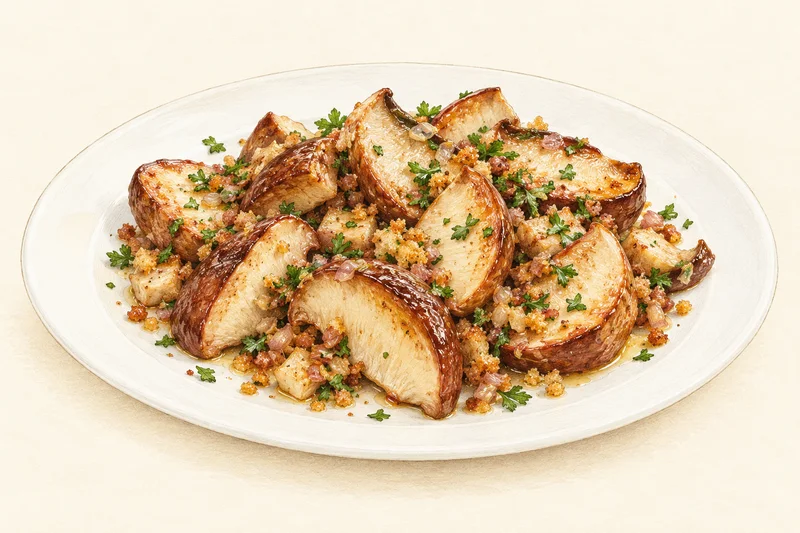 RecipeCèpes à la bordelaiseBordeaux, France
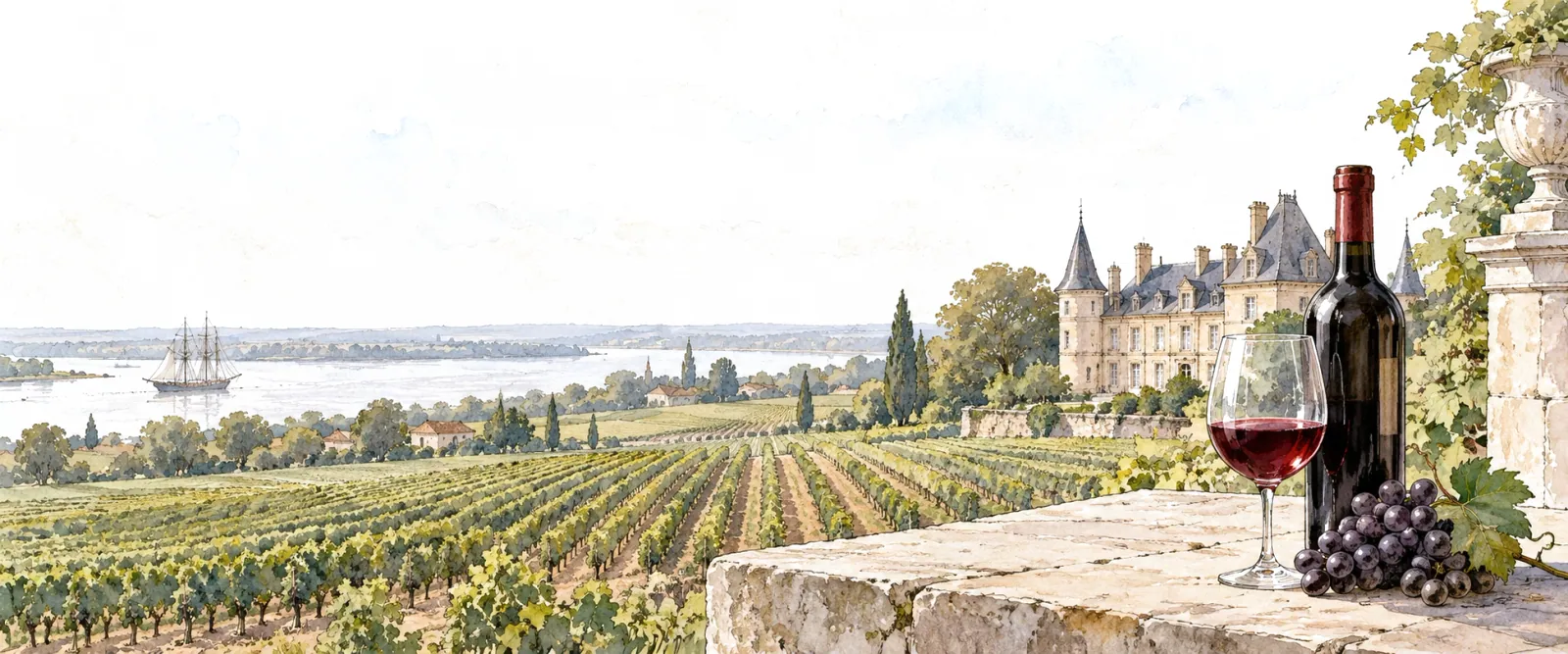 StoryThe 1855 Bordeaux classificationBordeaux, France
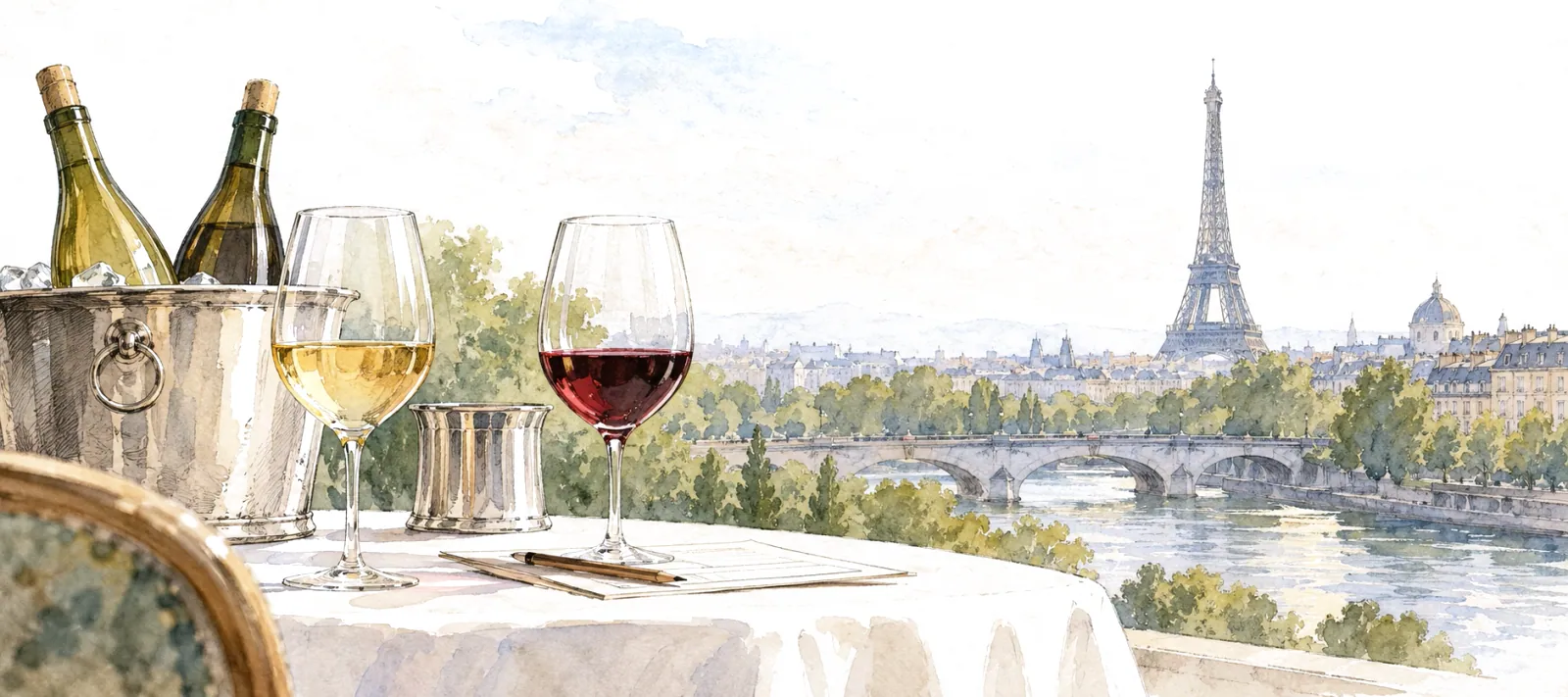 StoryThe Judgment of Paris, 1976Paris, France
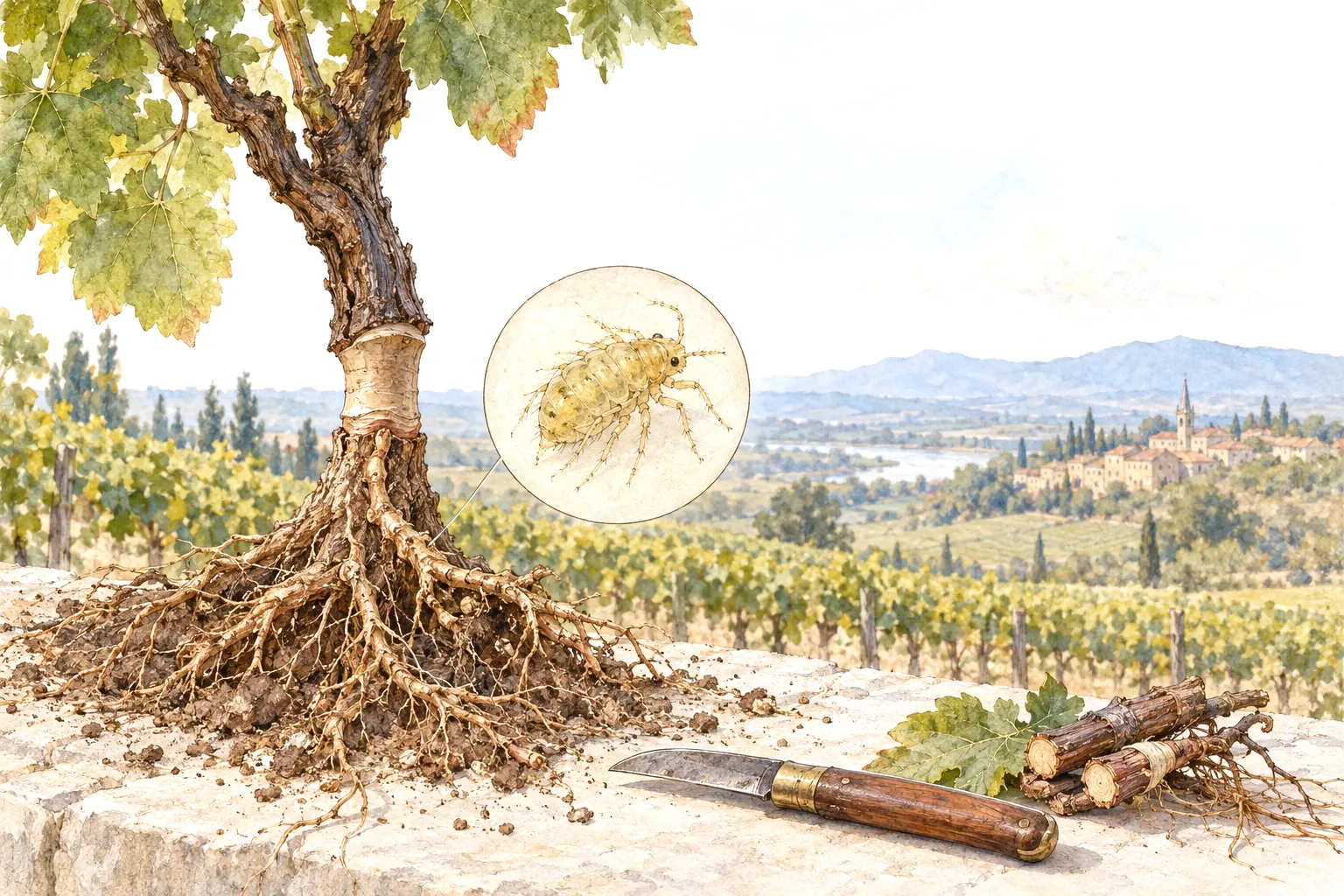 StoryPhylloxera: the insect that remade the vineyards of the worldFrance
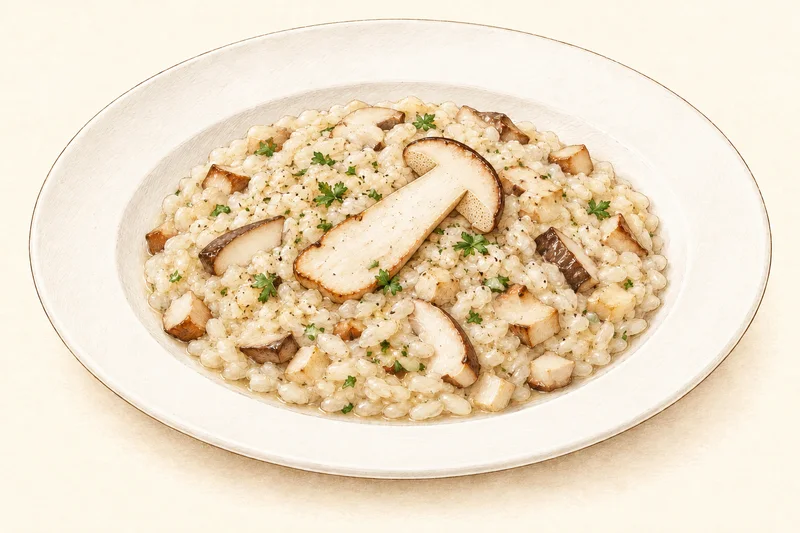 RecipeRisotto ai funghi porciniVal di Sole, Trentino, Italy
- Grape varietyCabernet Franc
- Grape varietyCabernet Sauvignon
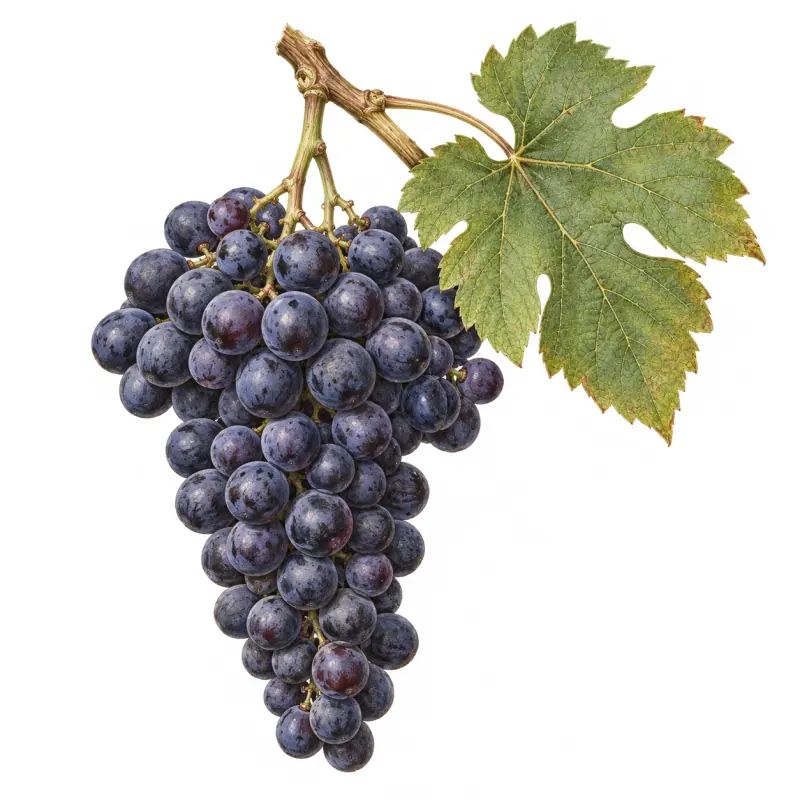 Grape varietyCarmenère
- Grape varietyMalbec