
Wine · Wine region · Short entry
Switzerland
Schweiz / Suisse / Svizzera
Switzerland has about 14,500 ha of vines, worked by more than 2,500 producers and grouped into six wine regions: Valais, Vaud, Geneva, German-speaking Switzerland, Ticino and Three Lakes. Under the federal wine ordinance each canton sets the rules for its own controlled designations of origin (AOC), within federal minimum sugar levels and maximum yields. Pinot Noir, Chasselas, Gamay and Merlot cover 66% of the vineyard.
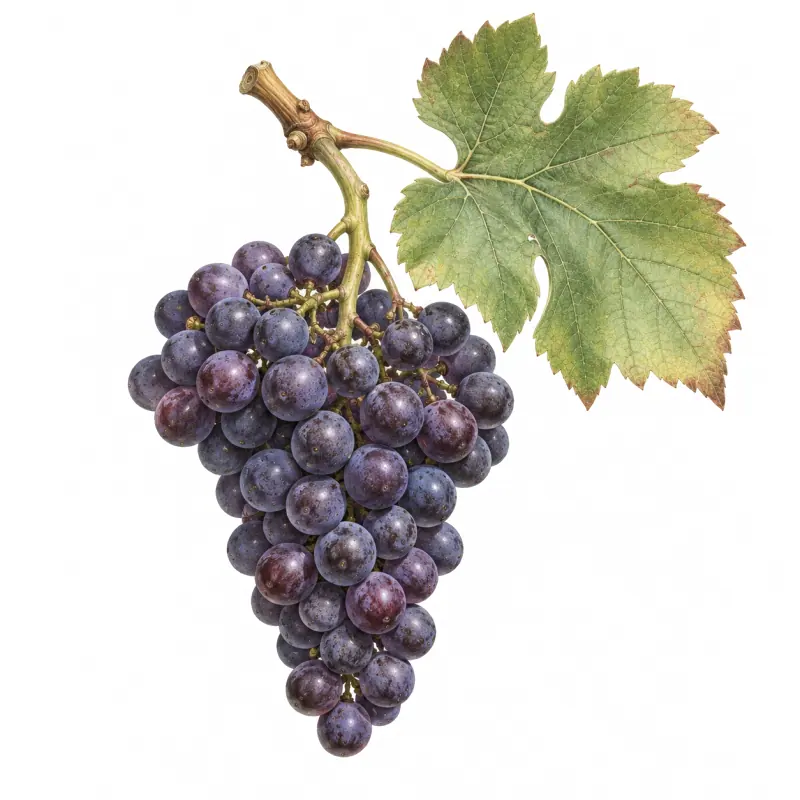
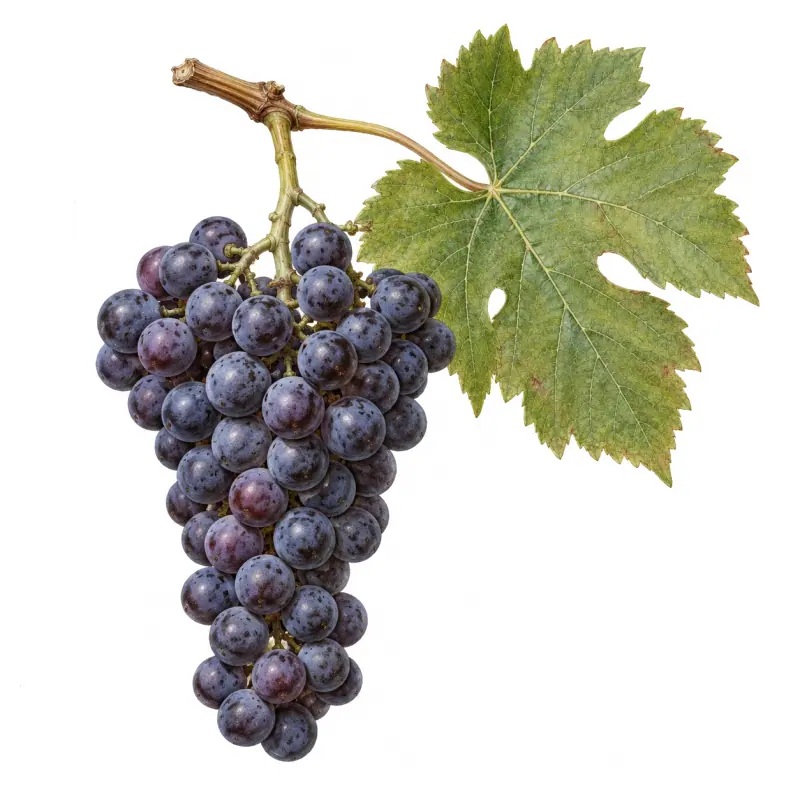
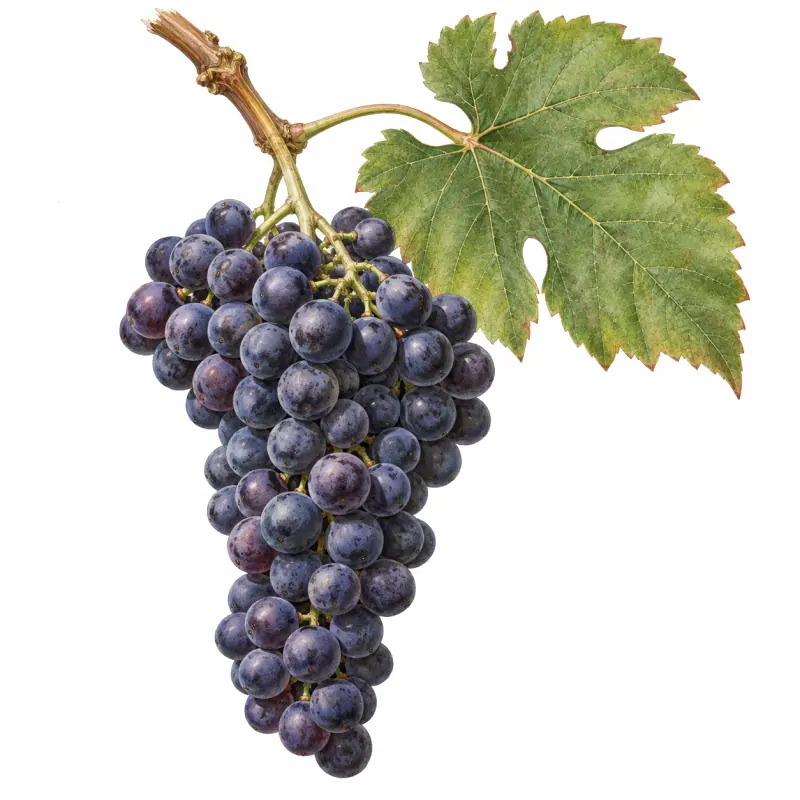
From Roman Helvetia to cantonal AOCs
Swiss Wine Promotion dates viticulture in Switzerland to Roman times and gives 58 BC, when Helvetia became Roman, for the introduction of vines. The Vaud wine office is more cautious: archives are scarce, vines were probably present before the Romans, and the first reliable mention of vines in Vaud dates from 966. Phylloxera, found in southern France around 1863, spread across Europe and into Switzerland.
In 1988, during a crisis of overproduction, Geneva introduced the first cantonal system of controlled designations of origin, and the other wine cantons followed. Ticinowine notes that the federal decree on viticulture of 1992 was the first Swiss law to name the controlled designation. The present federal ordinance on viticulture and wine imports dates from 14 November 2007 and implements Annex 7 of the 1999 agricultural trade agreement with the European Community.
Alps, lakes and moraines
Swiss Wine Promotion counts 14,569 ha, more than 2,500 producers, about 100 million litres a year, 26 cantons and 62 wine AOCs, grouped into six regions with their own landscape, geology and climate. The Alps cover 61% of the country and dominate the vineyards of Valais, the Vaud Chablais, part of Ticino and Graubünden, where growers have terraced the slopes. Most other vineyards lie on the shores of the large lakes, which reflect the sun in summer and protect against frost in winter, or follow rivers such as the Rhône, the Aar, the Limmat and the Rhine.
During the last Ice Age the country lay under ice sometimes more than 1,000 m thick, and moraines are found in every wine region. Alpine soils range from a few decimetres over rock to a metre of wind-blown sand, moraines, screes and alluvial fans. Agroscope's terroir studies in Vaud, Valais and Ticino found a large diversity of soils and singled out their water-holding capacity.
Grapes that carry their site
Agroscope linked the water status of the vine to the soil's water reserve. In its Vaud study, Chasselas under moderate water stress during ripening stopped growing earlier and had more sugar in the berries than vines without stress. The regional bodies present Chasselas as a grape that shows its site: Valais/Wallis Promotion calls its aromatic profile understated and crystalline, leaving room for floral, fruity or mineral nuances from the environment, and Swiss Wine Vaud says it translates the nuances of each terroir. Swiss Wine Promotion counts 252 grape varieties, 168 of them registered in a cantonal AOC, and puts native grapes, led by Chasselas (24%), on 36% of the area.
Three federal classes, cantonal rules
The federal ordinance divides the vineyard into French-speaking, German-speaking and Italian-speaking regions and defines three classes. An AOC wine carries the name of a canton or of an area within it. Each canton sets the area, grapes, growing and winemaking methods, minimum natural sugar and maximum yield, and tests the finished wine. Federal floors apply: AOC grapes need at least 15.2 °Brix for whites and 17.0 °Brix for reds in French-speaking Switzerland, 15.8 and 17.0 in German-speaking Switzerland and 15.8 and 17.6 in Italian-speaking Switzerland, and yields may not exceed 1.4 kg/m² for whites and 1.2 kg/m² for reds (1.2 for both in the Italian-speaking region). Landwein (vin de pays) carries the name of the country or of an area larger than a canton; Tafelwein is the lowest class. A wine that fails its class is declassified. Pinot Noir, Chasselas, Gamay and Merlot make up 66% of the area.
Classification
- AOC (KUB, DOC)Named after a canton or an area within it; rules set by the canton. Federal floors: at least 15.2 °Brix white and 17.0 °Brix red (French-speaking region), 15.8/17.0 (German-speaking), 15.8/17.6 (Italian-speaking); at most 1.4 kg/m² white and 1.2 kg/m² red (1.2/1.2 in the Italian-speaking region).
- Landwein / vin de paysNamed after the country or an area larger than a canton; at least 14.4 °Brix white and 15.2 °Brix red; at most 1.8 and 1.6 kg/m².
- Tafelwein / vin de tableSwiss grapes with at least 13.6 °Brix white and 14.4 °Brix red.
How it connects
Grape variety
- grows Pinot Noir
- grows Gamay
- grows Merlot
Recipe
- related Rösti
Wine region
- in Valais
- in Vaud
- in Ticino
- in Graubünden
Continue exploring
- CountrySwitzerland7 entries in the atlas so far
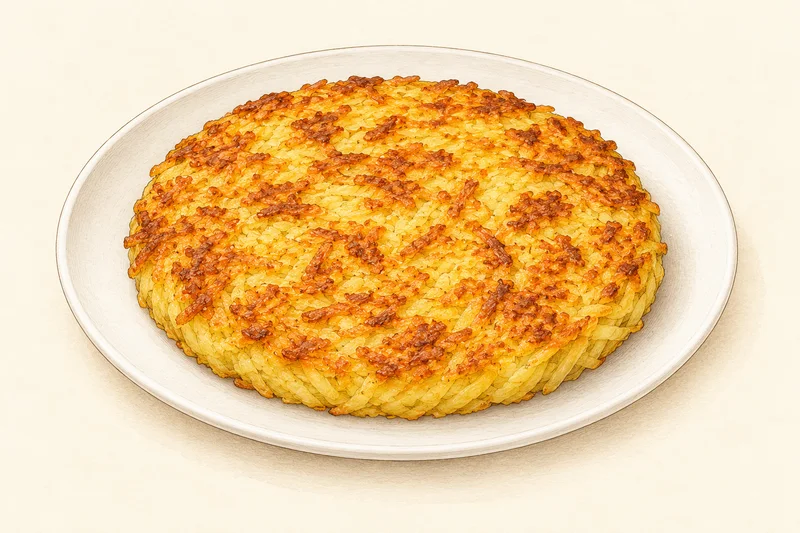 RecipeRöstiSwitzerland
- Grape varietyPinot Noir
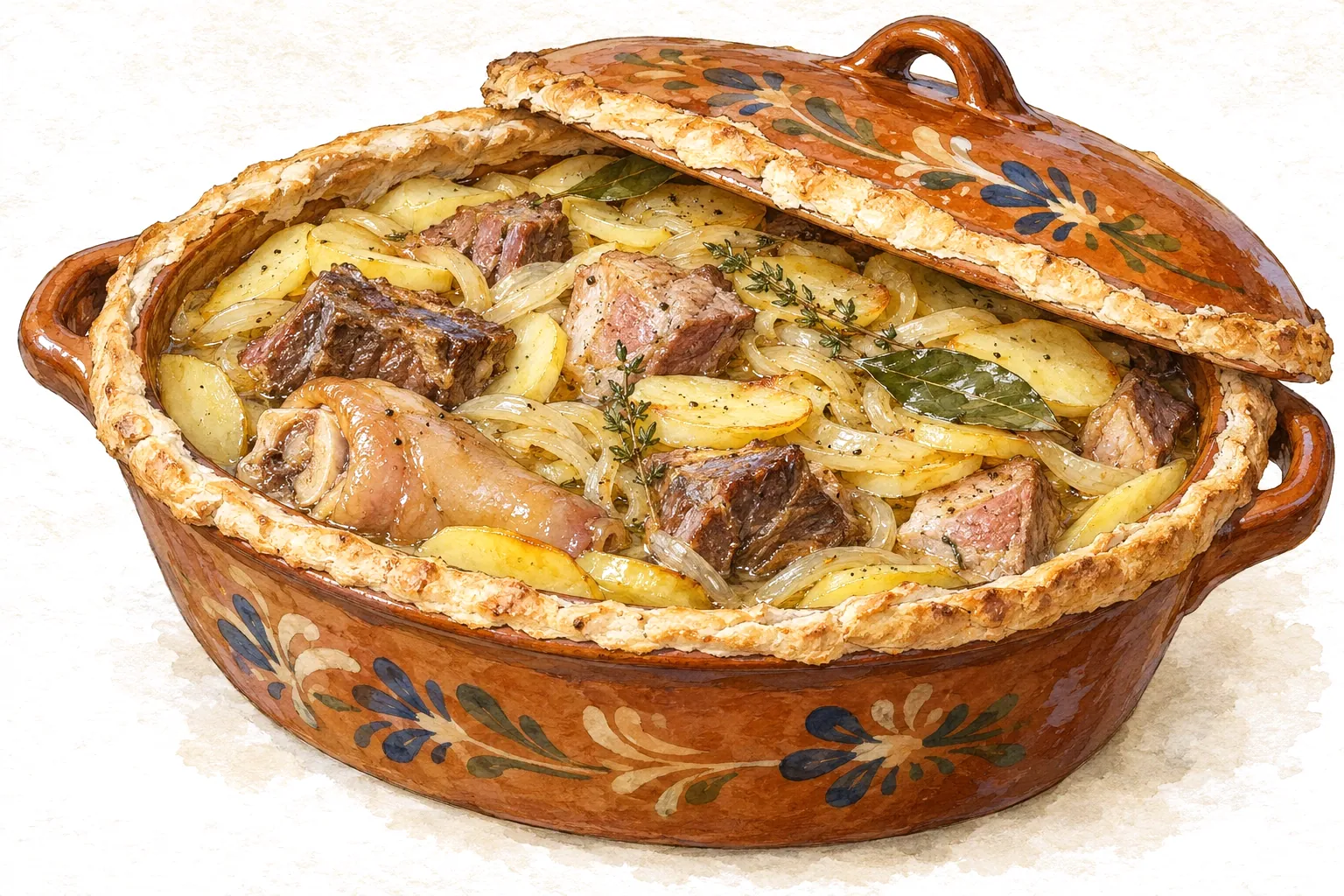 RecipeBaeckeoffeAlsace, France
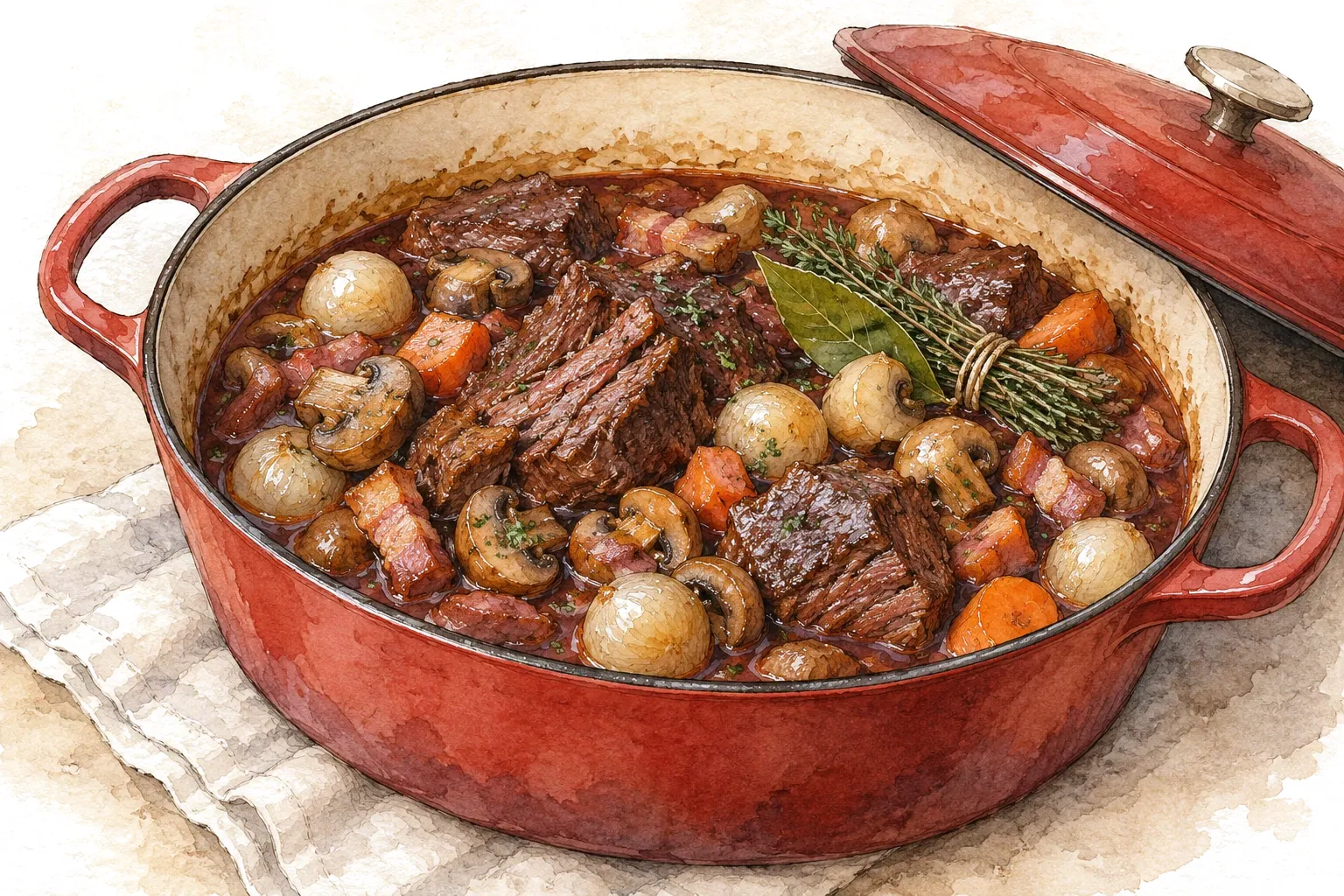 RecipeBœuf bourguignonDijon, France
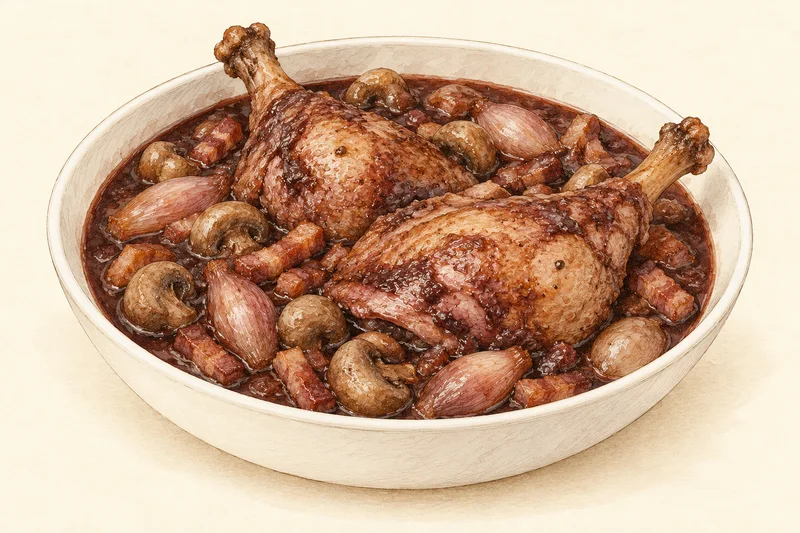 RecipeCoq au vinBurgundy, France
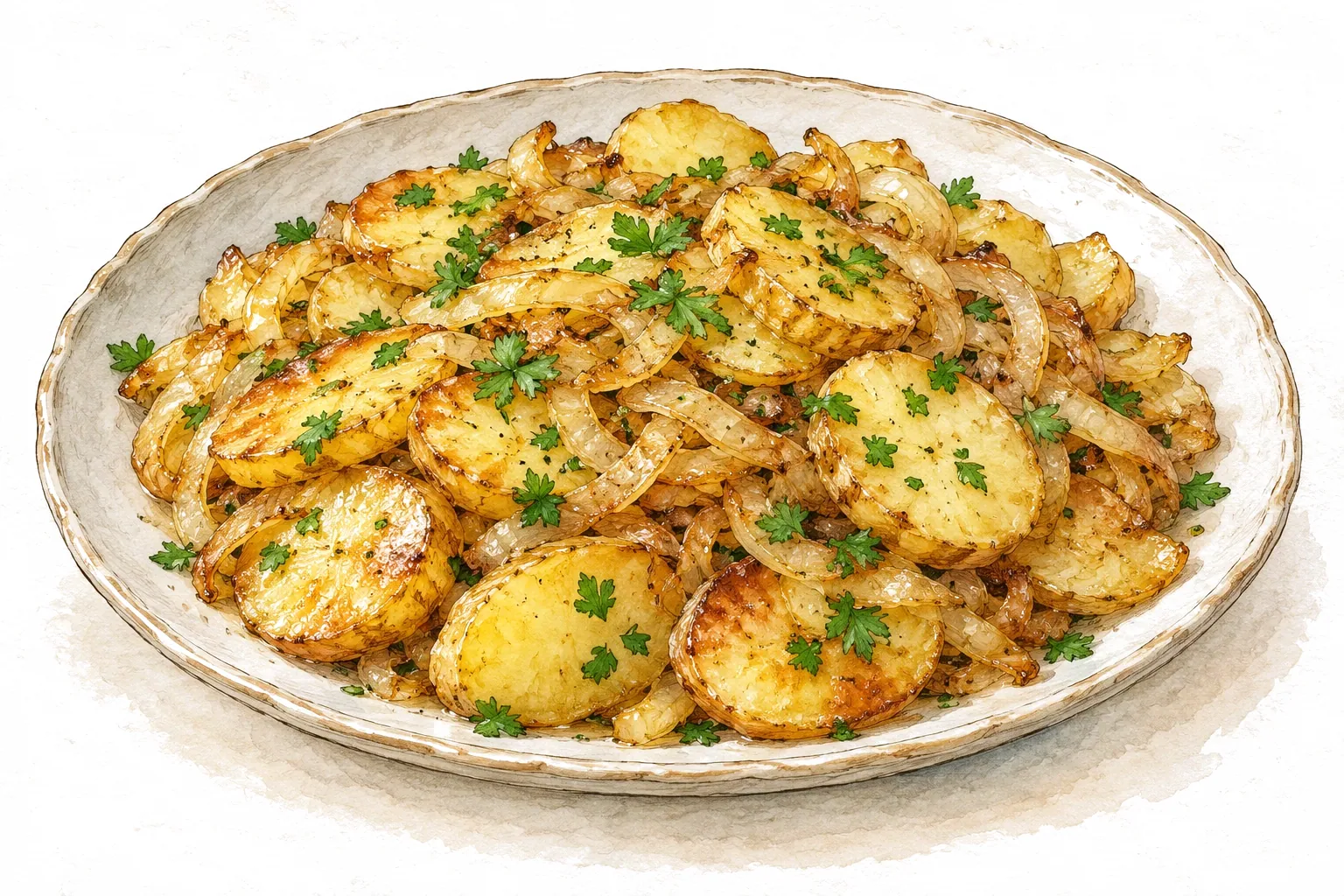 RecipePommes de terre à la lyonnaiseLyon, France
- Grape varietyGamay
- Grape varietyMerlot
- Wine regionGraubündenMaienfeld, Switzerland