
Wine · Wine region · Short entry
Brazil
Brazil's first geographical indication for wine, the Indicação de Procedência Vale dos Vinhedos, was registered in 2002, and by 2020 Rio Grande do Sul had seven wine indications, six IPs and one Denominação de Origem. The Brazilian Association of Oenology lists producing areas from Rio Grande do Sul and Santa Catarina to the irrigated, semi-arid Vale do São Francisco. Much of the grape crop, including American varieties such as Isabel and Concord, goes to juice as well as wine.
Jesuit missions, Italian settlers and the first GI
Embrapa's chapter on the wine indications of Rio Grande do Sul says vines reached the Campanha in the colonial period, from the Spanish Jesuit missions in the west and with the Portuguese in the east, for household use. In the Serra Gaúcha the wine landscape grew from colonisation by Italian immigrants from 1875, on small family farms. There, American varieties came first (until the 1920s), followed by expansion with American, hybrid and vinifera grapes and urban cooperatives (1930s-1960s), specialisation and more vinifera (1970s-1990s), and geographical indications from the 2000s. The Campanha attracted investment in fine wine from the 1970s. Industrial Property Law 9.279 of 1996 introduced positive protection of geographical indications. The IP Vale dos Vinhedos, prepared from 1995, was recognised in 2002 as the first Brazilian product and region registered as a GI and was soon recognised by the European Union. The DO Vale dos Vinhedos followed in 2012 as the first Brazilian wine DO.
Subtropical hills, pampas and a semi-arid valley
Of the seven wine indications in Rio Grande do Sul, Embrapa places six in the Atlantic Forest biome and one, Campanha Gaúcha, in the Pampa. The climate is mainly subtropical, with mild winters and rain spread through the year, so established vineyards do not need irrigation; vintages vary with El Niño and La Niña, which affect flowering and ripening. The Serra Gaúcha stands on Tertiary volcanic rocks of the Planalto das Araucárias, with a watershed at 700-900 m. The Campanha Gaúcha, 44,365 km² on the borders with Uruguay and Argentina, is the warmest wine region of southern Brazil. The Brazilian Association of Oenology also describes the Vale do Rio do Peixe and Planalto Serrano in Santa Catarina, areas in Paraná, São Paulo and Minas Gerais, and the Vale do São Francisco around Petrolina and Juazeiro, whose semi-arid climate requires irrigation. It notes pergola ('latada') training in the Serra and vertical trellis or lyre systems on the frontier.
Vintage variation and regional specialities
Embrapa notes that wines can vary significantly from year to year with the ripeness of the grapes, which producers offset with techniques such as longer maceration, thermovinification or barrel ageing. It says that in practice both DO and IP wines in Brazil have qualities linked to their origin, because the vine is strongly influenced by climate, soil and techniques. In the 1980s the Serra Gaúcha already stood out for sparkling wines, while the Campanha made mainly still varietal wines. The Brazilian Association of Oenology singles out the red wines and Moscatel sparkling wines of the Vale do São Francisco.
IP and DO under Law 9.279
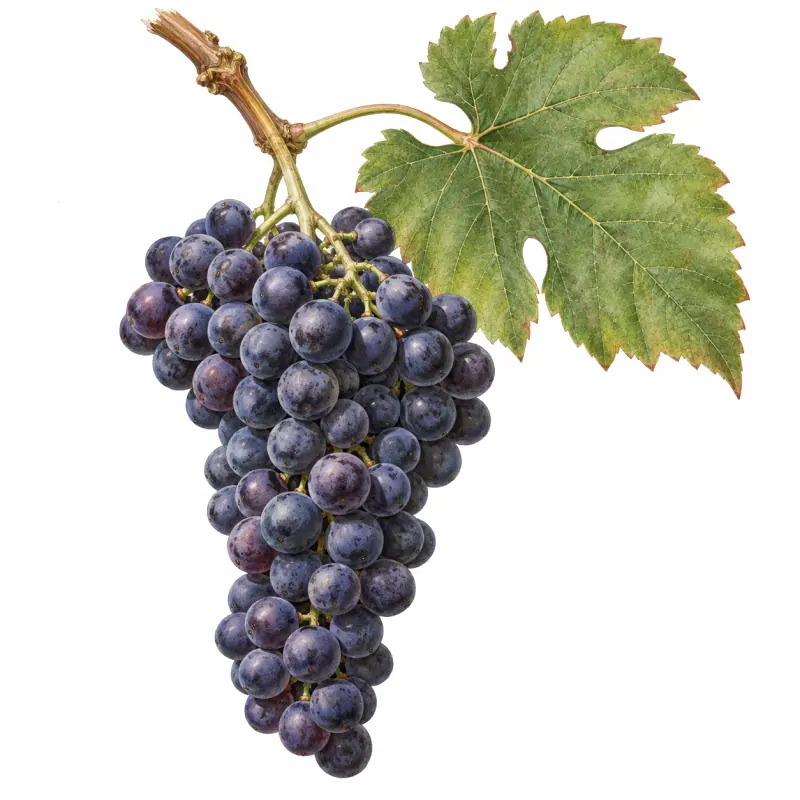
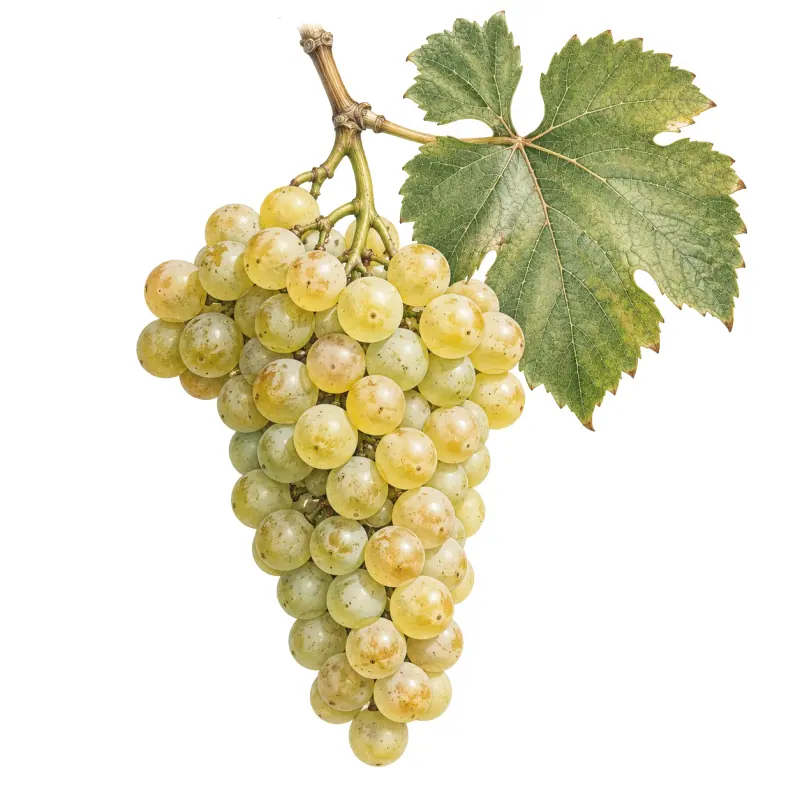
Under Brazilian law an Indicação de Procedência must show that the name has become known as a centre of production of the wine; a Denominação de Origem requires qualities or characteristics due to the geographical environment, including natural and human factors. Each indication has a Caderno de Especificações Técnicas, the term used since INPI normative instruction 095/2018, with a delimited area, authorised varieties, maximum yields, wine types and a control system run by the producers' association. Embrapa lists the IPs Vale dos Vinhedos (2002), Pinto Bandeira (2010), Altos Montes (2012), Monte Belo (2013), Farroupilha (2015) and Campanha Gaúcha (2020), and the DO Vale dos Vinhedos (2012); all use Vitis vinifera only. The Brazilian Association of Oenology lists Isabel, Concord, Bordô, Chardonnay, Cabernet Sauvignon, Cabernet Franc, Merlot, Moscato and Riesling among Rio Grande do Sul's main grapes. Vineyard area alone should not be read as area for fine wine, since much of the crop goes to juice.
Classification
- Indicação de Procedência (IP)The name has become known as a centre of production of the wine.
- Denominação de Origem (DO)The wine's qualities are due to the geographical environment, including natural and human factors.
How it connects
Wine region
- subregion Serra Gaúcha
- subregion Campanha Gaúcha
Grape variety
- grows Merlot
- grows Chardonnay
Recipe
- related Feijoada
Continue exploring
- CountryBrazil10 entries in the atlas so far
- RecipeFeijoadaBrazil
- Grape varietyChardonnay
- Grape varietyMerlot
- Wine regionCampanha GaúchaSantana do Livramento (municipality), Brazil
- Wine regionSerra GaúchaBento Gonçalves, Brazil
 RecipeEscargots à la bourguignonneBurgundy, France
 RecipeFondue au ComtéJura massif, Franche-Comté, France
 RecipeGougèresBurgundy, France
 StoryDid Dom Pérignon invent Champagne?Hautvillers, France