Wine · Wine region · Short entry
Morgon
Morgon
Morgon is one of Beaujolais's ten crus, a red-wine appellation in the commune of Villié-Morgon and the largest of the crus. Its vines grow on granite, on manganese-rich schist and on old slope deposits; the schist of the Côte du Py gives the style locals call "morgonner".
A cru since 1936
Vines at Villié-Morgon are attested by a deed of 956 recording the sale of a plot by the lord of Beaujeu to a vassal. From the late fifteenth century the bourgeoisie of Lyon, enriched by silk and banking, developed the vineyard. In the nineteenth century Jullien described Morgon, "a hamlet on the mountain of the Pic", as giving full-bodied, spirited wines that "last a long time and always end well".
The wines of Morgon were recognised as an AOC by the decree of 11 September 1936, one of the first group of Beaujolais crus. In 1953 the growers opened the region's first tasting cellar, at the Château de Fontcrenne, which still hosts the appellation's ceremonies.
Schist, granite and the Côte du Py
The area lies on the eastern flanks of the Monts du Beaujolais, on the first slopes of the Fût d'Avenas (842 m), between Villefranche-sur-Saône and Mâcon. Streams such as the Morcille and the Douby cut the hills, and the slopes rise from 220 to 480 m facing south-east over the Saône plain. The specification names three formations. Manganese-rich Upper Devonian schists in the centre and east, including the hill of the Py, break down into clay soils locally called "morgon". Porphyroid granites in the north and north-west weather into poor, sandy, free-draining soils. Quaternary colluvium and old river terraces cover the eastern lower slopes. Inter Beaujolais gives the shares as granite 52%, blue stone 11% and piedmont deposits 37%.
The climate is oceanic with continental and southern influences, with a mean of about 11 °C. The Monts du Beaujolais block west winds, and the Saône valley brings light (nearly 2,000 hours a year) and summer heat. About 10 km from the river, the vineyard gains its moderating effect but avoids freezing fog and late frosts.
What the place gives the wine
The specification describes wines that combine the fruit of Beaujolais with body, much minerality and aromas often of raspberry and kirsch, and that age well. It separates them by soil. Wines from granite sand are fruity and pleasant young. Wines from schist are more austere and benefit from a few years of keeping. Growers call the original character of the schist wines "morgonner", and the best-known example is the hill of the Py. Inter Beaujolais describes a deep garnet colour, stone fruit such as morello cherry, violet and kirsch, and suggests 5–10 years in the cellar.
Grapes and classification
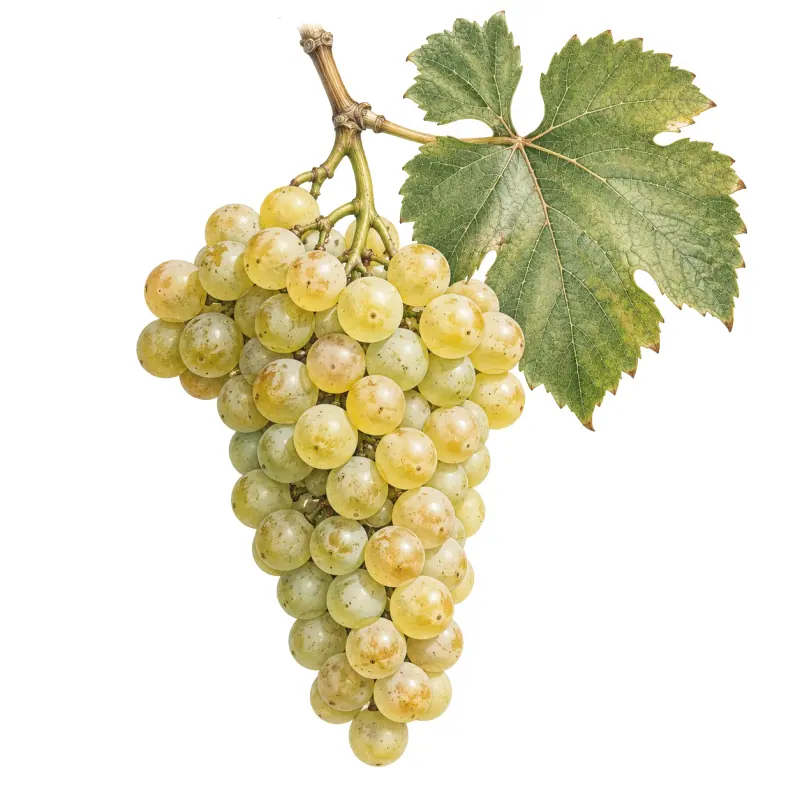
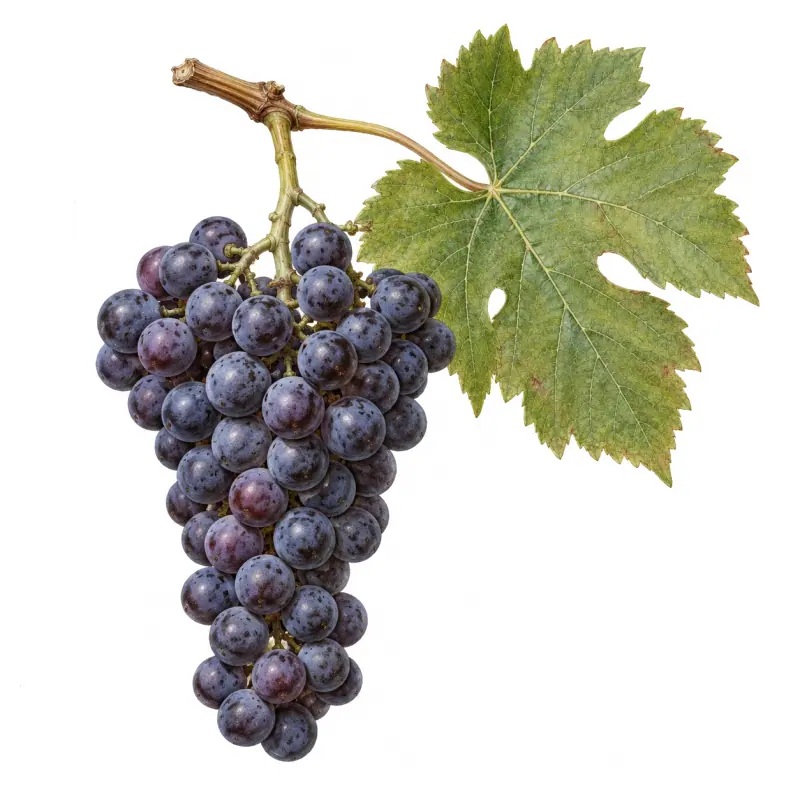
Morgon is reserved for still red wines. Gamay is the main grape; Aligoté, Chardonnay and Melon are allowed as accessory varieties, only interplanted and limited to 15% of each plot. Grapes are harvested, made and aged in Villié-Morgon. Growers combine traditional fermentation with semi-carbonic maceration and often name the lieu-dit on the label; Inter Beaujolais highlights Les Charmes, Côte du Py, Les Micouds, Les Grands Cras, Corcelette and Douby. In 2010 the vineyard covered more than 1,100 ha. "Morgonner" is a tasting expression, not a formal appellation category.
How it connects
Wine region
- in Beaujolais
Grape variety
- grows Gamay
Continue exploring
- CountryFrance162 entries in the atlas so far
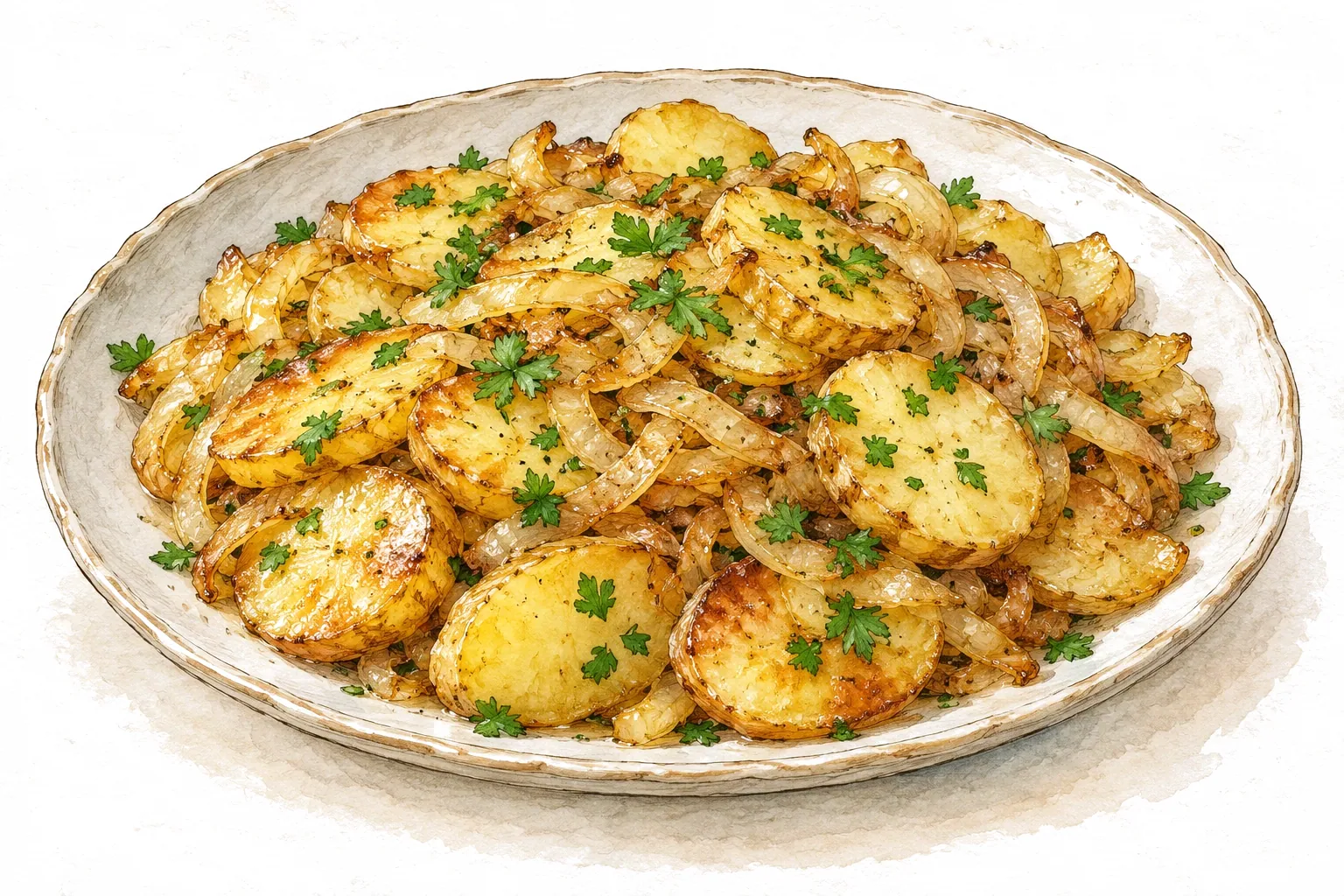 RecipePommes de terre à la lyonnaiseLyon, France
- Grape varietyGamay
- Wine regionBeaujolaisBeaujeu, France
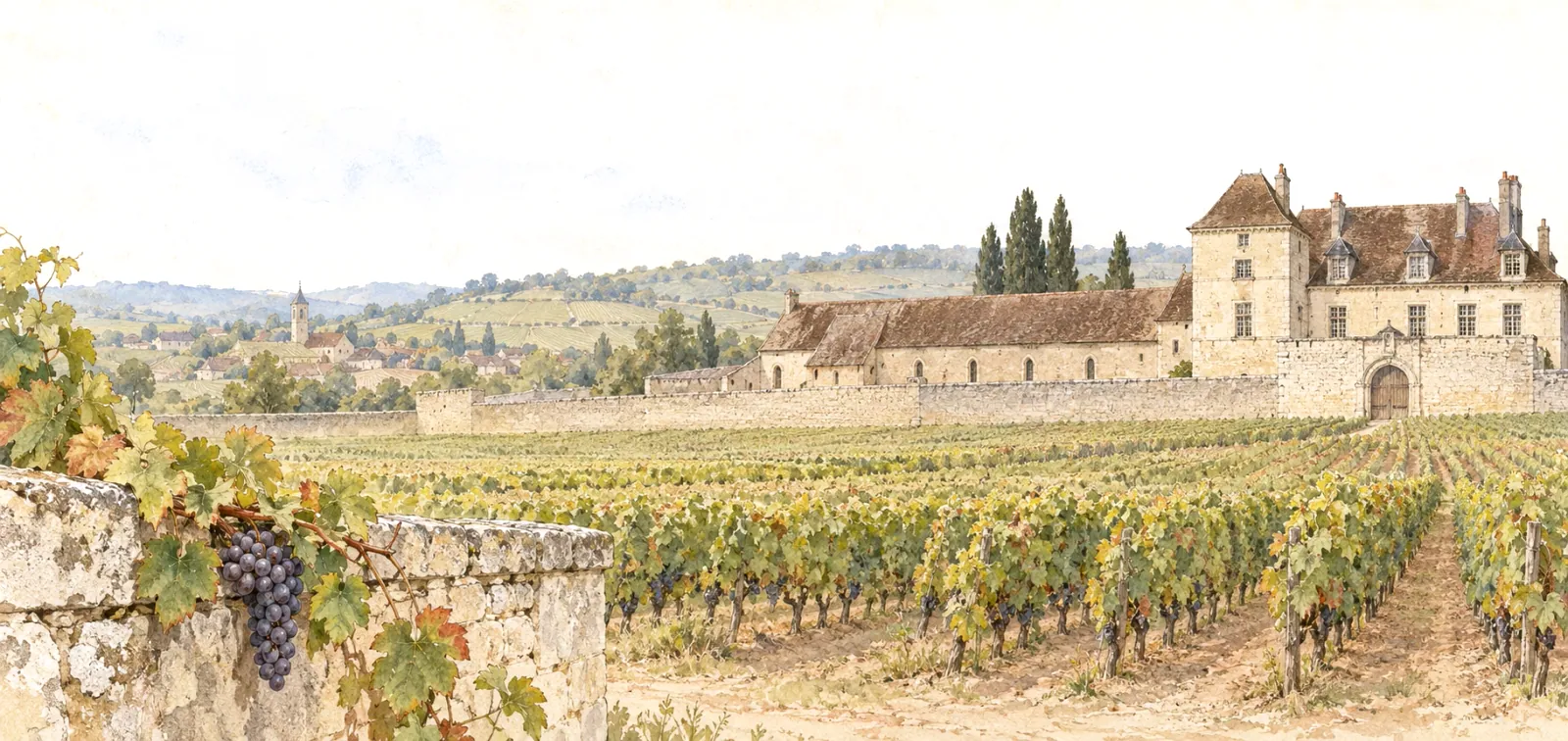 StoryThe Cistercians and the Clos de VougeotVougeot, France
 Grape varietyPinot Noir
- Wine regionBurgundyBeaune, France
- Wine regionAnjouAngers, France
- Wine regionMâconnaisMâcon, France
- Wine regionMoulin-à-VentRomanèche-Thorins, France