
Wine · Wine region · Short entry
Mâconnais
Mâconnais
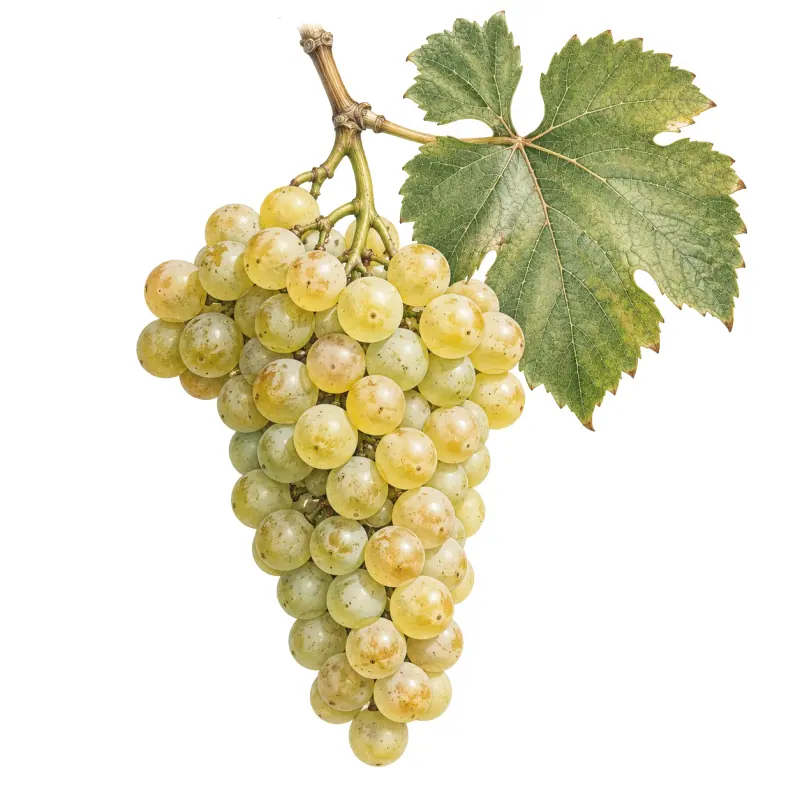
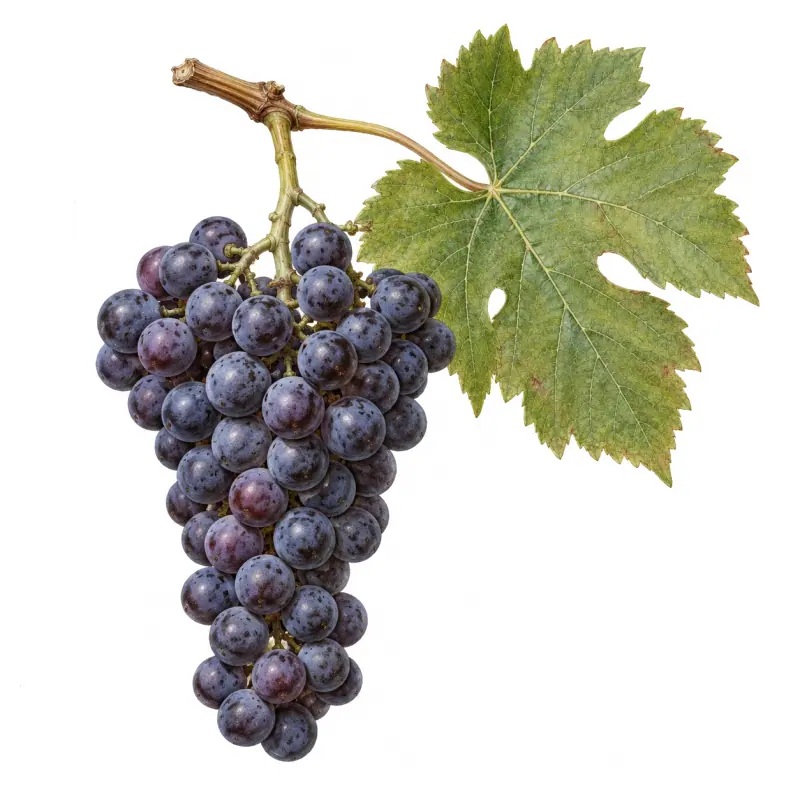
The Mâconnais is Burgundy's southernmost major wine-growing area, a strip about 35 km long and 10 km wide between the Grosne and the Saône. Chardonnay makes up about 80% of its vines; Gamay is important for reds. Its climate is hotter and drier than the rest of Burgundy, and the Mâcon specification links this to the fleshy, fruity character of its wines.
Abbeys, Gamay and the cooperatives
The Mâcon specification dates vines in the Mâconnais to the third century. Viticulture and the wine trade grew from the Middle Ages through the monastic orders, above all the abbey of Cluny, founded in 909 by William I, Count of Mâcon, and the abbey of Tournus to the north. Because the Mâconnais was not part of the Duchy of Burgundy, Philip the Bold's 1395 ban on Gamay did not apply here.
In 1620 an edict of the aldermen of Mâcon sought to restrict red wines to a fine variety called "petit gamay", and Chardonnay was planted for white wine at about the same time. Heavy taxes imposed by Lyon pushed growers toward finer wines for the Paris market; the BIVB tells of the grower Claude Brosse taking his barrels to Versailles. The AOC Mâcon was recognised by the decree of 31 July 1937. The first cooperative opened in 1926 at Saint-Gengoux-de-Scissé, and ten years later there were fifteen.
Soil, slope and climate
The Mâconnais is a set of long parallel ridges running north-north-east to south-south-west, separated by faults. Each ridge is tilted toward the east, so from west to east it exposes the Palaeozoic granite or schist basement and then Triassic and Jurassic limestones and clays. Granite outcrops are more frequent in the south and west. Soils follow the rock: acid and sandy on granite, stony and calcareous on east-facing Jurassic slopes, and silty on the marls. In the south the BIVB notes siliceous, sandy clay soils with chert, and the hard crinoidal limestone of the Roche de Solutré.
The climate is oceanic with a southern tendency. Air from the Rhône valley comes up the Saône and limits excess humidity, and the Monts du Charollais shelter the vines from the west. Rain averages 800 mm a year, the mean temperature is 11 °C and sunshine about 2,000 hours. The BIVB notes that harvest often starts about a week earlier than on the Côtes further north.
What the place gives the wine
The specification links the southern-leaning climate and early-warming sites to a "southern Burgundy" character, fleshy and fruity in the mouth. It ties each style to a ground. Reds show their freshness, fruit and power on well-exposed granite slopes. Whites gain aromatic freshness and balance on marly slopes and clay-silt soils at the foot of the hills. Mâcon-Villages wines take their roundness, power and ageing capacity from the best-exposed slopes on hard Jurassic limestone. Whites are described as fresh and aromatic, often with white flowers and lemon, gaining hazelnut, honey and toast with age. Reds are fleshy, with blackcurrant and raspberry.
Grapes and appellations
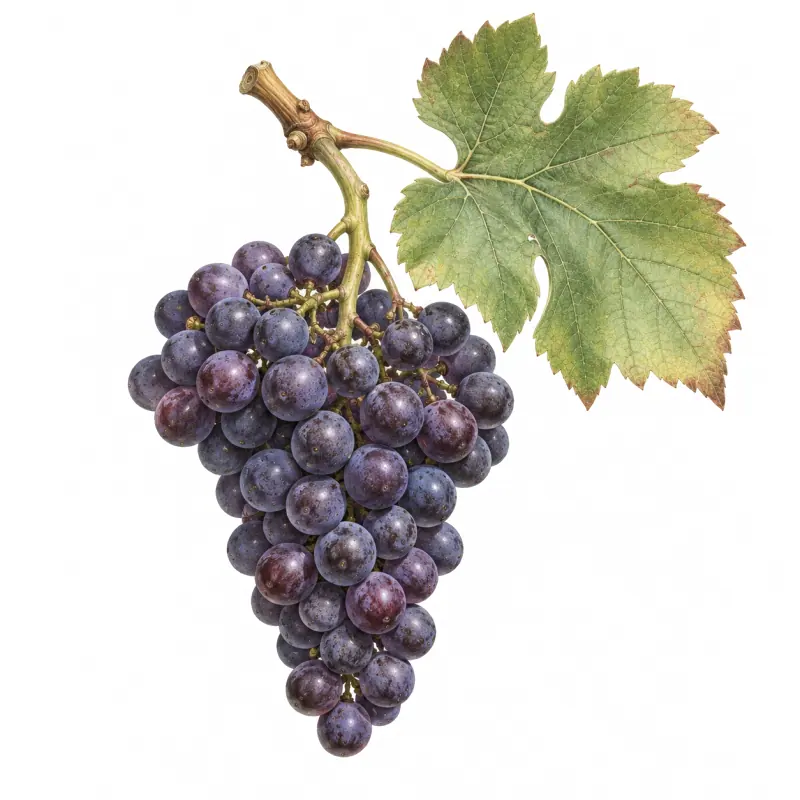
Chardonnay accounts for about 80% of plantings. Under the Mâcon specification, whites are mainly Chardonnay (at least 90% of a holding), with Aligoté, Pinot Blanc and Pinot Gris as accessory varieties; reds and rosés are Gamay and Pinot Noir, and Gamay only when a village name is added. The AOC covers 89 communes, 81 of them for Mâcon-Villages; 26 additional geographical names are used for whites and 20 for reds and rosés. Pouilly-Fuissé, Pouilly-Loché, Pouilly-Vinzelles, Saint-Véran and Viré-Clessé are separate village appellations.
How it connects
Wine region
- in Burgundy
- in Pouilly-Fuissé
Grape variety
- grows Chardonnay
- grows Gamay
- grows Pinot Noir
Recipe
- pairs with Blanquette de veau
Continue exploring
- CountryFrance162 entries in the atlas so far
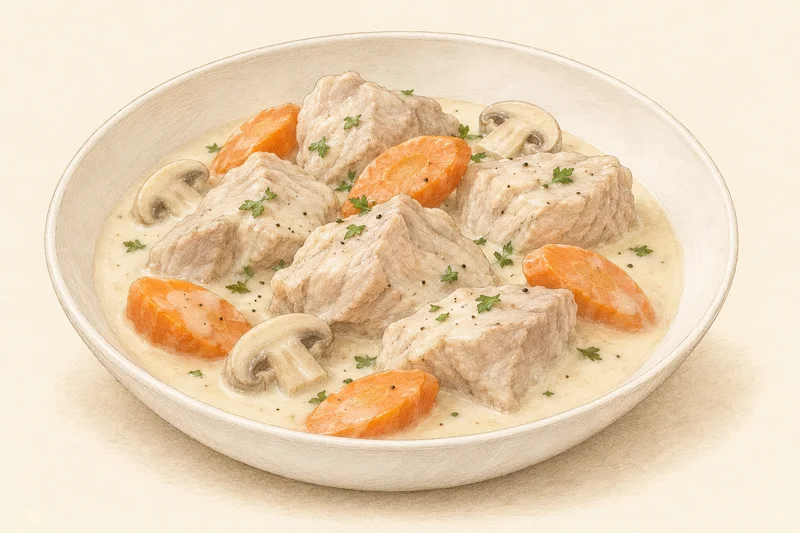 RecipeBlanquette de veauFrance
- Grape varietyPinot Noir
- Wine regionBurgundyBeaune, France
 RecipeBaeckeoffeAlsace, France
 RecipeBœuf bourguignonDijon, France
 RecipeCoq au vinBurgundy, France
 RecipePommes de terre à la lyonnaiseLyon, France
- Grape varietyChardonnay
- Grape varietyGamay