
Wine · Wine region · Short entry
Valtellina
An Alpine valley in the province of Sondrio, north of Lake Como, where Nebbiolo, locally called Chiavennasca, grows on terraces along the south-facing slope. More than 2500 km of dry-stone walls hold up the vineyards. Valtellina Superiore and Sforzato di Valtellina are its two DOCG.
Terraces and the Grey League
The production rules place the terracing of the valley in Roman or at least Lombard times, perhaps earlier, since its first inhabitants, Ligurians and then Etruscans, knew the vine. Viticulture was intensified by Roman colonisation and, in the tenth and eleventh centuries, by the building guilds of the magistri comacini and by Benedictine monks. Some centuries before the year 1000 the monastery of Sant'Ambrogio in Milan owned specialised vineyards on the Rhaetian slope.
The great impulse came from the Grey League of the Grisons, which ruled Valtellina from 1550 to 1797 and traded its wine with courts of central and northern Europe; the rules estimate a trade of over 50,000 hl a year, carried by pack animals across the Alps. Already in the thirteenth century wine was an ordinary means of payment. Valtellina Superiore became a DOC in 1968 and a DOCG in 1998; Sforzato a DOCG in 2003.
Terraces facing the sun
The valley lies between latitudes 46° and 46.5° north. For most of its length it runs east to west, so the slope on the right bank of the Adda faces fully south. The Rhaetian Alps, all over 3000 m, close it to the north and east, the Orobie Alps to the south, and Lake Como to the south-west tempers it. Vines grow from about 300 to 700 m, apart from two alluvial fans. Rain averages 850 mm and falls further up the valley; relative humidity stays at 65-80%, and sun exceeds 1900 hours.
Slopes are sometimes steeper than 70%, and the dry-stone walls total more than 2500 km, over 2000 m² of wall face per hectare. Stone and rock store heat, so vineyard air is 4-5 °C warmer than the valley floor and escapes its late frosts. The soil is about 70% sand and 18% silt from weathered granite, with no limestone, little clay and 40-120 cm of depth; roots often enter cracks in the rock.
Rock, heat and cool nights
The rules attribute the wine's identity to the shape of the land and to the constant work of keeping the terraces. They stress the heat gathered by stones and steep slopes, which concentrates sunlight on a smaller surface, and day-night swings of 8-20 °C at the end of September and in early October, just before the end of ripening. At release Valtellina Superiore must be ruby red turning to garnet, with a characteristic, persistent and delicate scent, and a dry, slightly tannic, velvety and harmonious taste, with at least 4 g/l acidity and 23 g/l extract.
Valtellina Superiore and Sforzato
Valtellina Superiore is at least 90% Nebbiolo, known here as Chiavennasca, with up to 10% other non-aromatic red grapes. It ages at least 24 months, 12 in wood, from 1 December after the vintage, must reach 12% alcohol and may be called Riserva after three years. Five traditional subzones may appear on the label: Maroggia, Sassella, Grumello, Inferno and Valgella. Wine bottled in Switzerland may instead carry the name Stagafassli, which rules out the subzones. Sforzato (Sfursat) di Valtellina, made only from dried grapes, is a separate DOCG, and Rosso di Valtellina is a DOC.
Classification
- Valtellina Superiore DOCG24 months' ageing from 1 December after the harvest, at least 12 in wooden casks; Riserva after at least three years. Minimum alcohol 12%.
- SubzonesMaroggia, Sassella, Grumello, Inferno and Valgella.
How it connects
Grape variety
- grows Nebbiolo
Recipe
- pairs with Ossobuco alla milanese
Continue exploring
- CountryItaly107 entries in the atlas so far
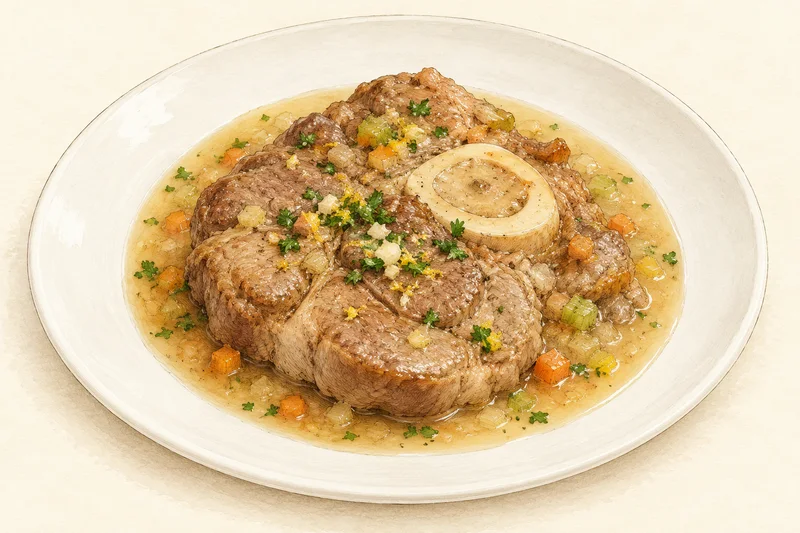 RecipeOssobuco alla milaneseMilan, Italy
- Wine regionBaroloBarolo, Italy
- Wine regionLombardyBrescia, Italy
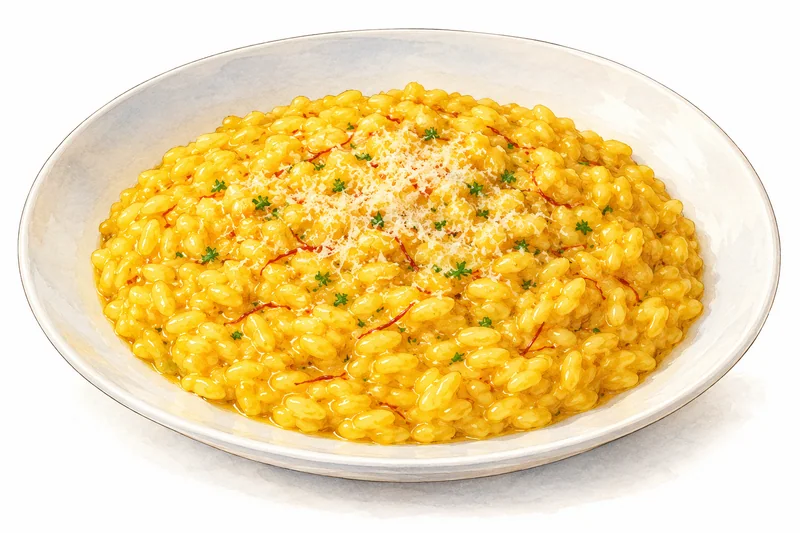 RecipeRisotto alla milaneseMilan, Italy
- Grape varietyNebbiolo
- CutShin (UK)
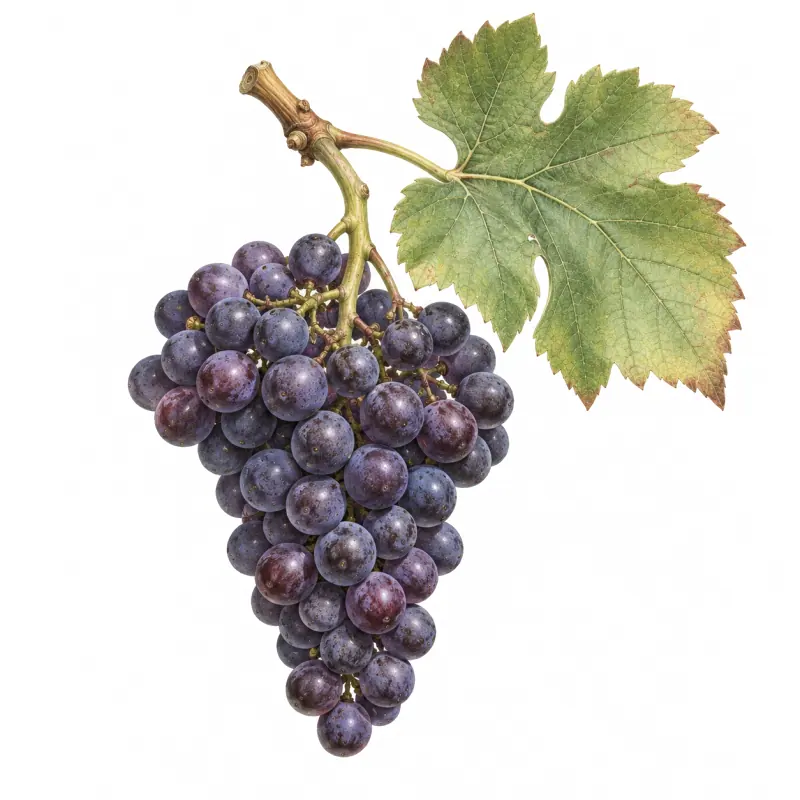 Grape varietyPinot Noir
- Wine regionFranciacortaErbusco, Italy
- Wine regionPiedmontAlba, Italy
