
Wine · Wine region · Reference page
Barolo
A DOCG for red wine made only from Nebbiolo, grown on the hills of the Langhe south of Alba in eleven communes of the province of Cuneo. It must age at least 38 months before release, 18 of them in wood, and its rules describe it as structured and long-lived.
A marchesa and a count
Nebbiolo has been grown around Barolo "since time immemorial", the production rules say, but the modern dry wine began in the middle of the nineteenth century through the efforts of Camillo Benso, Count of Cavour, and Giulia Colbert Falletti, the last Marchesa di Barolo. The rules call the result an exceptionally rich and harmonious wine that became the ambassador of the Savoys' Piedmont at the courts of Europe; the consortium repeats the saying that grew from it, "the king of wines, the wine of kings". The castle of Barolo gave the wine its name.
The zone was first delimited by a ministerial decree of 31 August 1933. The consortium lists the steps that followed: the "Pro-Barolo" association, the founding of the consortium, DOC status by presidential decree of 23 April 1966 and DOCG in 1980, a controls plan for certification in 2005 and, in 2010, the official delimitation of the additional geographical mentions.
Eleven communes above the Tanaro
The zone takes in the whole of Barolo, Castiglione Falletto and Serralunga d'Alba, and parts of Monforte d'Alba, Novello, La Morra, Verduno, Grinzane Cavour, Diano d'Alba, Cherasco and Roddi. The rules derive "Langhe" from langues, tongues of land. The hills date from the Tertiary, and white tufaceous marl marks the high hills above the Tanaro. Most of the ground belongs to the Tortonian, one of 14 sedimentary layers of the Tertiary Piedmont basin: grey-blue, soft marls and layered sands that weather into low, rounded, whitish hills.
The rules date the soils mainly to the Tortonian and Messinian, about 7 million years ago. As the sea of the Po basin withdrew it left dome-shaped hills of limestone and tuff, with gypsum and minerals in some areas. Vineyards must be on clay or calcareous hillsides between 170 and 540 m; damp, flat valley floors are excluded, and new vineyards may not face north (from -45° to +45°). New plantings need at least 3,500 vines per hectare, trained on wires and Guyot-pruned.
Structure that lasts
The rules call these calcareous, tufaceous soils the natural habitat of Nebbiolo, where it gives harmonious, structured and long-lived wines. What made Barolo important, they say, is its structure, which carries a complex bouquet able to develop over time without losing its character. At release it must be garnet red, with an intense, characteristic scent and a dry, full, harmonious taste. The consortium's description adds small red fruits, cherries in spirit and jam, rose and withered violet, cinnamon, pepper, nutmeg and vanilla, and sometimes liquorice, cocoa, tobacco and leather, with elegant and complex tannins.
Nebbiolo and time
Barolo must be made only from Nebbiolo. The yield is at most 8 t/ha, or 7.2 t/ha with the word "vigna", and the grapes need at least 12.5% natural alcohol. Before sale the wine ages at least 38 months from 1 November of the harvest year, 18 of them in wood, and may be released from 1 January of the fourth year after the vintage; the Riserva needs 62 months. The finished wine must reach 13% alcohol, 4.5 g/l total acidity and 22 g/l extract.
About 180 additional geographical mentions, such as Cannubi, Bussia and Vignarionda, may appear on the label. The rules also cover Barolo chinato, an aromatised wine made from DOCG Barolo flavoured with cinchona.
Classification
- Barolo DOCG38 months' ageing from 1 November of the harvest year, at least 18 in wood; released from 1 January of the fourth year after the vintage. Minimum alcohol 13%. Maximum yield 8 t/ha.
- Barolo Riserva62 months' ageing, at least 18 in wood; released from 1 January of the sixth year after the vintage.
- Menzioni geografiche aggiuntive (MGA)About 180 named areas (for example Cannubi, Bussia, Vignarionda) may appear on the label; with 'vigna' the yield falls to 7.2 t/ha.
How it connects
Wine region
- in Piedmont
- similar Barbaresco
- similar Valtellina
Grape variety
- grows Nebbiolo
Continue exploring
- CountryItaly107 entries in the atlas so far
- Wine regionPiedmontAlba, Italy
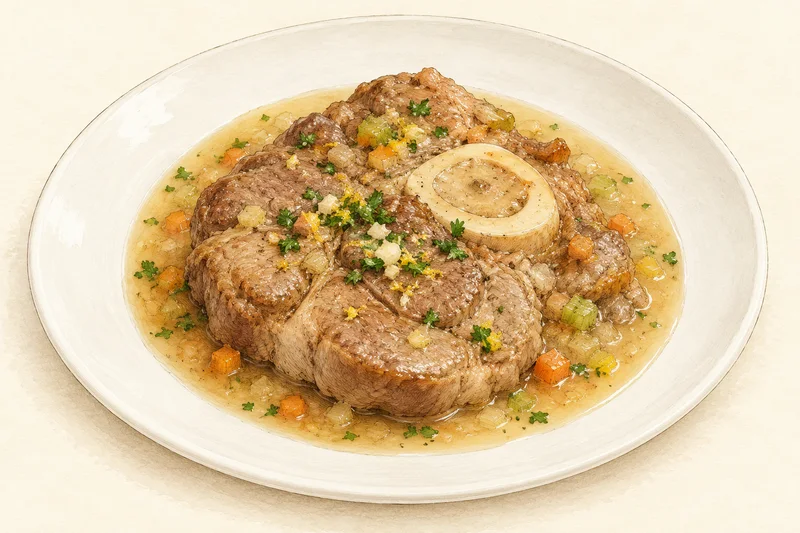 RecipeOssobuco alla milaneseMilan, Italy
- Grape varietyNebbiolo
- Wine regionBarbarescoBarbaresco, Italy
- Wine regionValtellinaSondrio, Italy
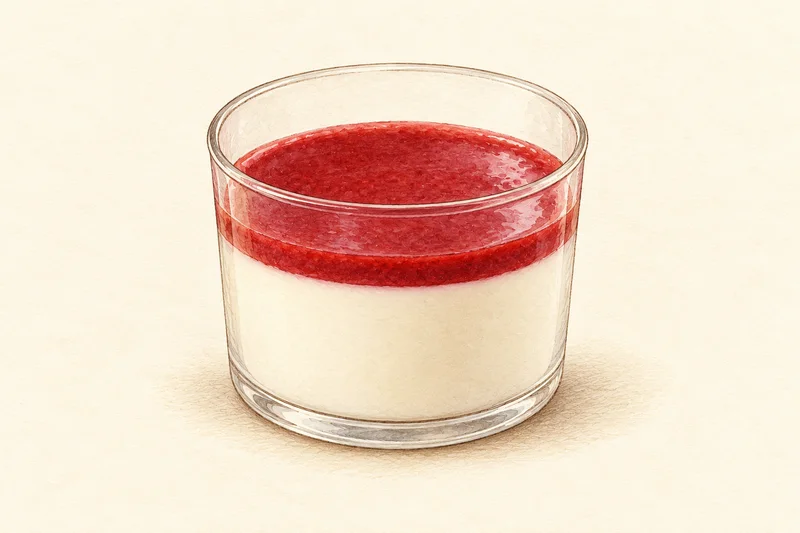 RecipePanna cottaPiedmont (Langhe), Italy
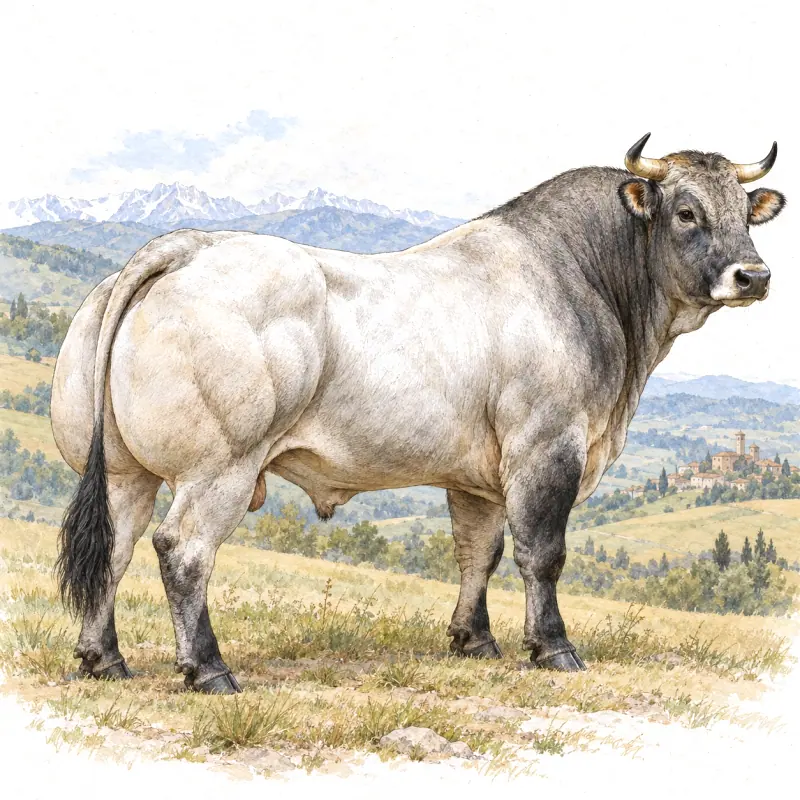 BreedPiemonteseCarrù (breed society seat), Italy
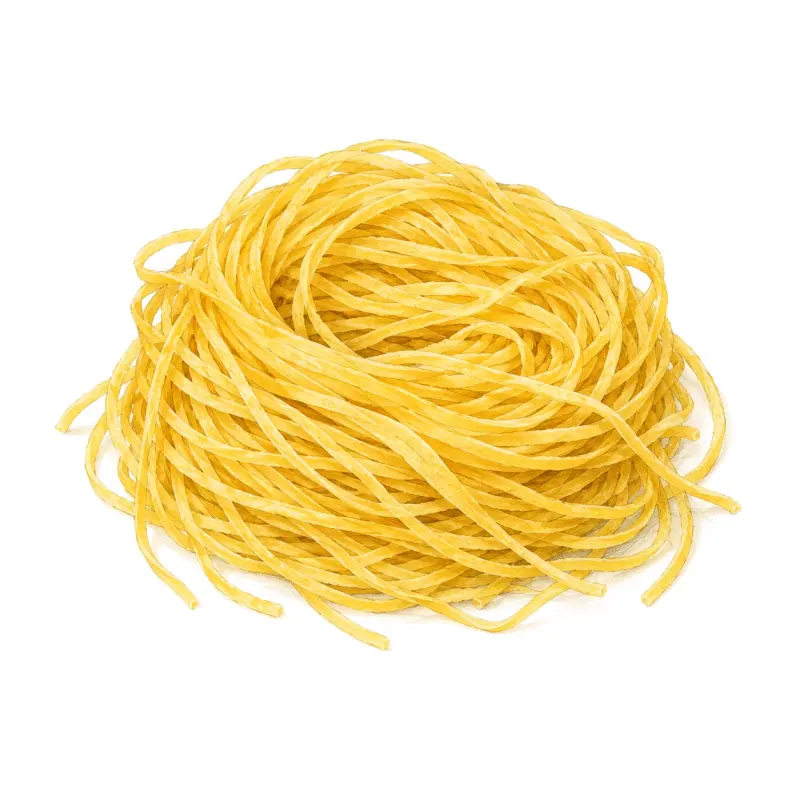 Pasta shapeTajarinLanghe, Italy
- Wine regionLombardyBrescia, Italy