
Wine · Wine region · Reference page
Lombardy
Lombardia
A large, mostly industrial region with scattered but distinct wine areas: bottle-fermented sparkling wine in Franciacorta and the Oltrepò Pavese, mountain Nebbiolo in Valtellina, and whites from the clays south of Lake Garda. It has five DOCG.
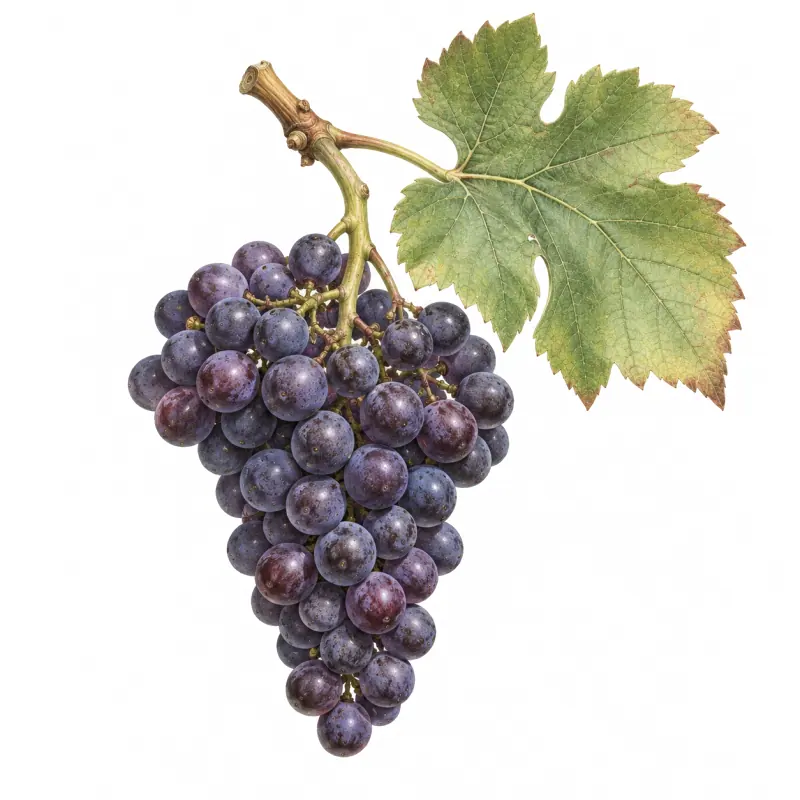

Seeds, monks and the Grisons
Several production rules trace Lombard vines to prehistory: grape seeds from probable pile dwellings at Provaglio d'Iseo in Franciacorta, Bronze Age seeds of wild vine from the pile dwellings of Peschiera del Garda near Lugana, and a prehistoric vine shoot found near Casteggio in the Oltrepò Pavese. In Valtellina the monastery of Sant'Ambrogio in Milan owned vineyards some centuries before the year 1000, and from 1550 to 1797, under the Grey League of the Grisons, the valley's wine was traded north of the Alps.
In 1884 the Oltrepò Pavese still counted 225 local grape varieties; phylloxera and replanting reshaped it. Lugana and Franciacorta both became DOC by presidential decree of 21 July 1967; the Lugana rules call theirs the first approved in Lombardy. The Oltrepò spumante became a type of its DOC in 1970 and a separate DOCG, Oltrepò Pavese metodo classico, in 2007.
Lakes, mountains and the Apennine edge
Lombardy's vineyards are spread out. Franciacorta, between Brescia and Lake Iseo, sits in a morainic amphitheatre left by the Valcamonica glacier. Valtellina is an east-west Alpine valley north of Lake Como, where vines grow on terraces of the south-facing slope between 300 and 700 m on sandy soil from weathered granite. On the southern shore of Lake Garda, the Lugana DOC, shared with Veneto, is mostly flat; a glacier left finely ground moraine there, called menadel, and a post-glacial lake covered it with clay, giving compact calcareous soils.
South of the Po, the Oltrepò Pavese is pre-Apennine country of landslides and erosion, where marls, sandy limestones, shales and gypsum outcrop, mostly of Miocene and Eocene age. Below 600 m its mean annual temperature is about 11-12 °C, with July or August means of 22-24 °C.
Acidity from lakes and hills
The rules of each zone tie the wines to their ground. In Franciacorta, grapes keep fairly high acidity and a pH suited to bottle fermentation, and day-night swings preserve their aromas. At Lugana the clays, sandier on the hills, give Turbiana body and warmth, acidity and sapidity, with scents between almond and citrus; the lake keeps summers less torrid and winters milder. The Oltrepò Pavese metodo classico is described as sapid, well structured, fresh and harmonious, with a fine, persistent mousse. In Valtellina the rules stress heat stored by rock and walls and wide swings before harvest.
Sparkling wine and mountain Nebbiolo
Two of the five DOCG are traditional-method sparkling wines. Franciacorta is based on Chardonnay and Pinot Noir; the Oltrepò Pavese metodo classico uses Pinot Nero and Chardonnay and must contain at least 70% Pinot Noir. Two more come from Valtellina Nebbiolo: Valtellina Superiore and Sforzato (Sfursat), which is made from dried grapes. The fifth is Moscato di Scanzo. Lugana is at least 90% Turbiana, a grape the rules identify with Trebbiano di Soave; it is made as a basic wine, Superiore, Riserva, Vendemmia Tardiva and Spumante. The Ministry lists 18 DOC of Lombardy's own and 3 shared with Veneto.
Classification
- DOCG5 DOCG: Franciacorta, Oltrepò Pavese metodo classico, Moscato di Scanzo, Sforzato di Valtellina and Valtellina Superiore.
- DOC18 DOC of its own and 3 shared with Veneto, including Lugana.
How it connects
Wine region
- subregion Franciacorta
- subregion Valtellina
Grape variety
- grows Pinot Noir
- grows Chardonnay
- grows Nebbiolo
Continue exploring
- CountryItaly107 entries in the atlas so far
- Grape varietyPinot Noir
- Wine regionFranciacortaErbusco, Italy
 RecipeBaeckeoffeAlsace, France
 RecipeBœuf bourguignonDijon, France
 RecipeCoq au vinBurgundy, France
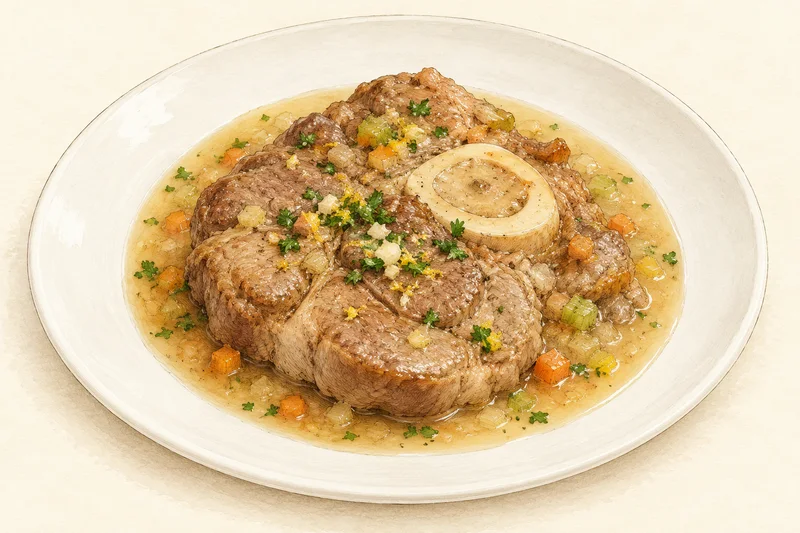 RecipeOssobuco alla milaneseMilan, Italy
- Grape varietyChardonnay
- Grape varietyNebbiolo
- Wine regionValtellinaSondrio, Italy