
Wine · Wine region · Reference page
Franciacorta
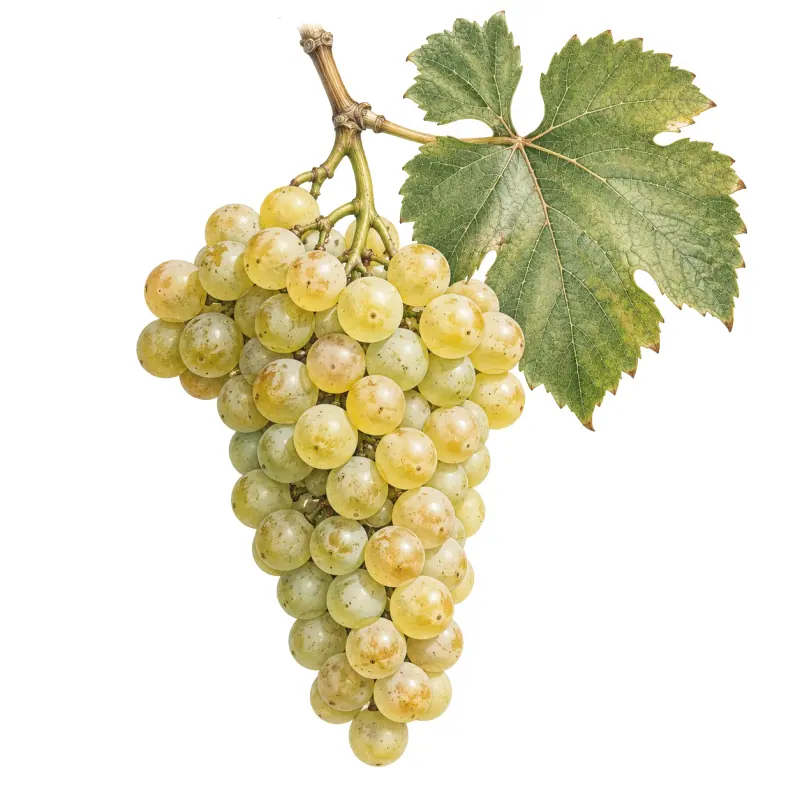
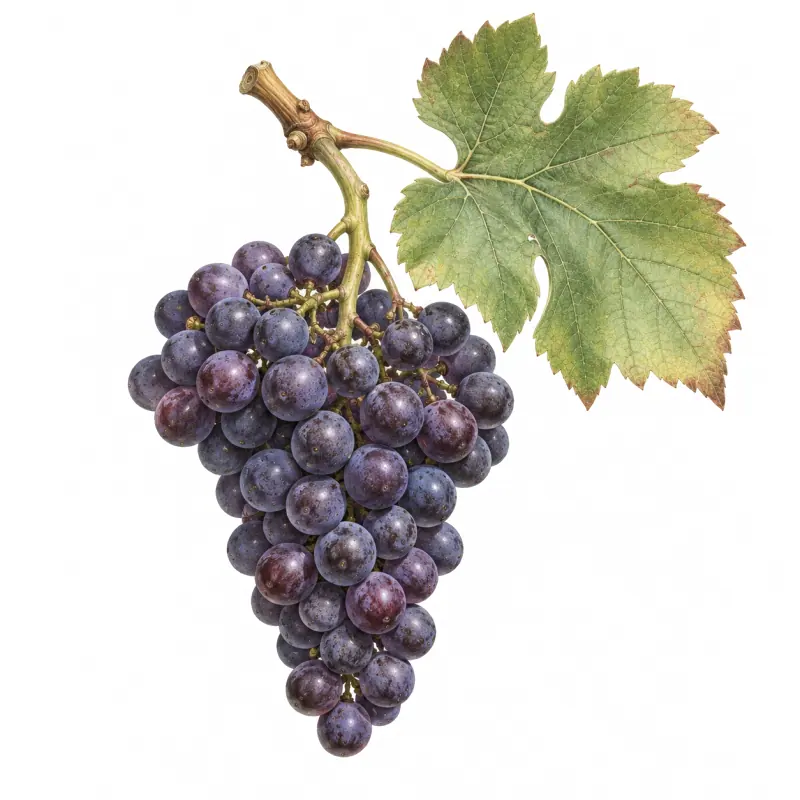
A DOCG for traditional-method sparkling wine from 19 communes between Brescia and Lake Iseo. It is made from Chardonnay and Pinot Noir, with some Pinot Bianco and the local Erbamat, and must rest on its lees for at least 18 months.
Free courts and a sixteenth-century book
The production rules cite prehistoric grape seeds from Provaglio d'Iseo, classical authors from Pliny to Virgil, and monastic documents of the ninth to eleventh centuries. The name Franzacurta first appears in 1277, in the Statutes of Brescia, in an order to the communes of Gussago and Rodengo to repair a bridge over the Mella. It comes from francae curtes, the Cluniac monastic courts of Rodengo, Provaglio and Rovato, which were free of the tithe; recent studies, the rules add, link the freedom instead to duty-free goods on the road from Brescia to Iseo. An act of Doge Francesco Foscari of 1429 already described the present area.
In 1570 the Brescian physician Gerolamo Conforti published Libellus de vino mordaci, on naturally sparkling wines. Franciacorta became a DOC in 1967 and a DOCG in 1995. The consortium was founded on 5 March 1990 by 29 producers.
A glacial amphitheatre
Franciacorta lies in the province of Brescia, between the southern shore of Lake Iseo to the north, the river Oglio to the west, Monte Orfano to the south and the morainic and rocky hills of Rodengo, Ome, Gussago and Cellatica to the east. The consortium lists 19 communes, from Adro and Erbusco to Rovato. The basin was shaped by the advance and retreat of the Valcamonica glacier, and most soils are morainic: fairly deep, well drained and with good water reserves. Vineyards closer than 10 m to watercourses or standing water are excluded.
The climate is Insubric with Mediterranean touches. Lake Iseo tempers summer heat with breezes down the Valcamonica corridor, releases stored warmth in winter and lowers the frost risk. Rain is about 1000 mm a year, 500-600 mm in the growing season, and heat summation is 1800-2300 degree-days. A zoning study in the 1990s found six soil-landscape units.
Six soils in one cuvée
The rules link each soil unit to a style of base wine. Thin moraine on crests and steep slopes ripens earliest, yields least and gives spicy-vegetal, complex wines; fine silty deposits give floral notes; fluvioglacial gravels yield more, ripen later and give dried-fruit notes of medium complexity; deep moraine and colluvium give dried fruit and spice. Blending these base wines is the art of the cuvée. The grapes keep enough acidity, and day-night swings preserve their aromas. The finished wine is straw yellow with green or gold glints, copper in the Riserva, with bread crust and yeast, citrus and dried fruit such as almond, hazelnut and dried white fig, and a sapid, fresh taste.
Time on the lees
When the DOC was created, the grape judged best for sparkling wine was "Pinot", then also called Pinot chardonnay; only in the 1980s did official ampelography separate Pinot Bianco from Chardonnay. These two, with Pinot Noir and, since 2017, Erbamat, are the only grapes allowed. Grapes must be pressed whole, without destemming. Vines once trained on the pergola bresciana are now on wires, Guyot or spur-pruned.
Franciacorta is made only by second fermentation in bottle, with bottling for it allowed from 1 February after the harvest. It rests on its lees at least 18 months, 24 for Rosé and Satèn, 30 for a vintage wine and 60 for a Riserva. Satèn is a white of at least 50% Chardonnay with Pinot Bianco.
Classification
- FranciacortaAt least 18 months on the lees after bottling.
- Rosé and SatènAt least 24 months on the lees.
- Millesimato (vintage)At least 30 months on the lees.
- RiservaAt least 60 months on the lees.
How it connects
Grape variety
- grows Chardonnay
- grows Pinot Noir
Continue exploring
- CountryItaly107 entries in the atlas so far
- Grape varietyPinot Noir
- Wine regionLombardyBrescia, Italy
- Wine regionTrentoTrento, Italy
 RecipeBaeckeoffeAlsace, France
 RecipeBœuf bourguignonDijon, France
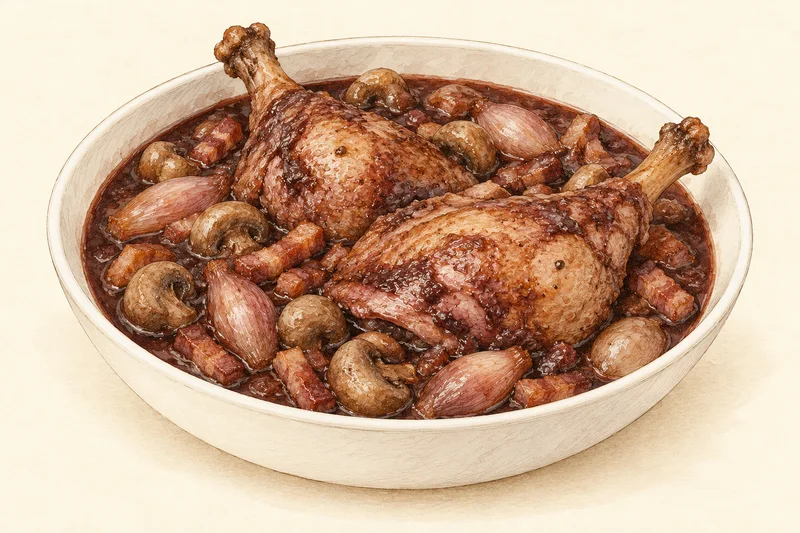 RecipeCoq au vinBurgundy, France
- Grape varietyChardonnay
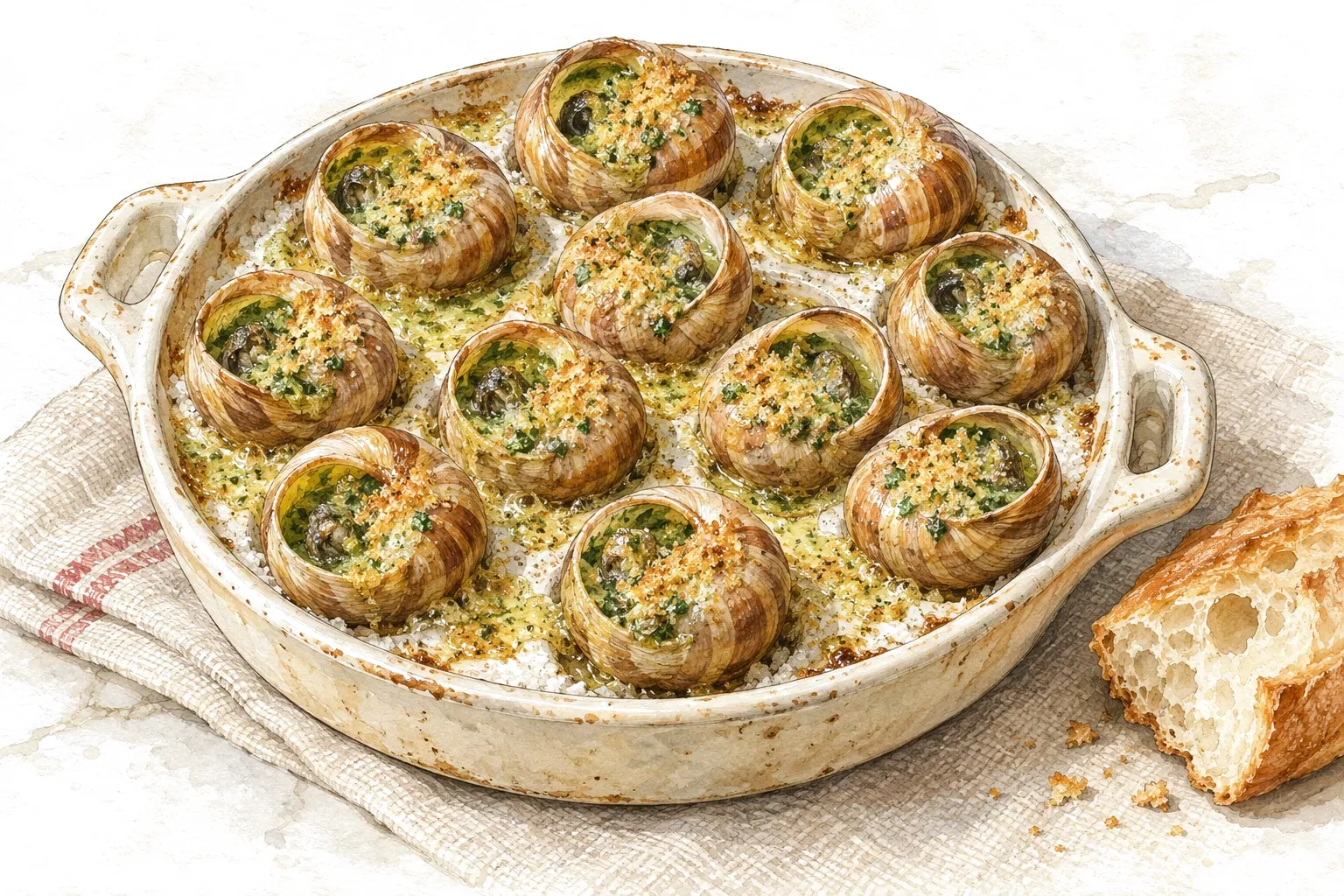 RecipeEscargots à la bourguignonneBurgundy, France
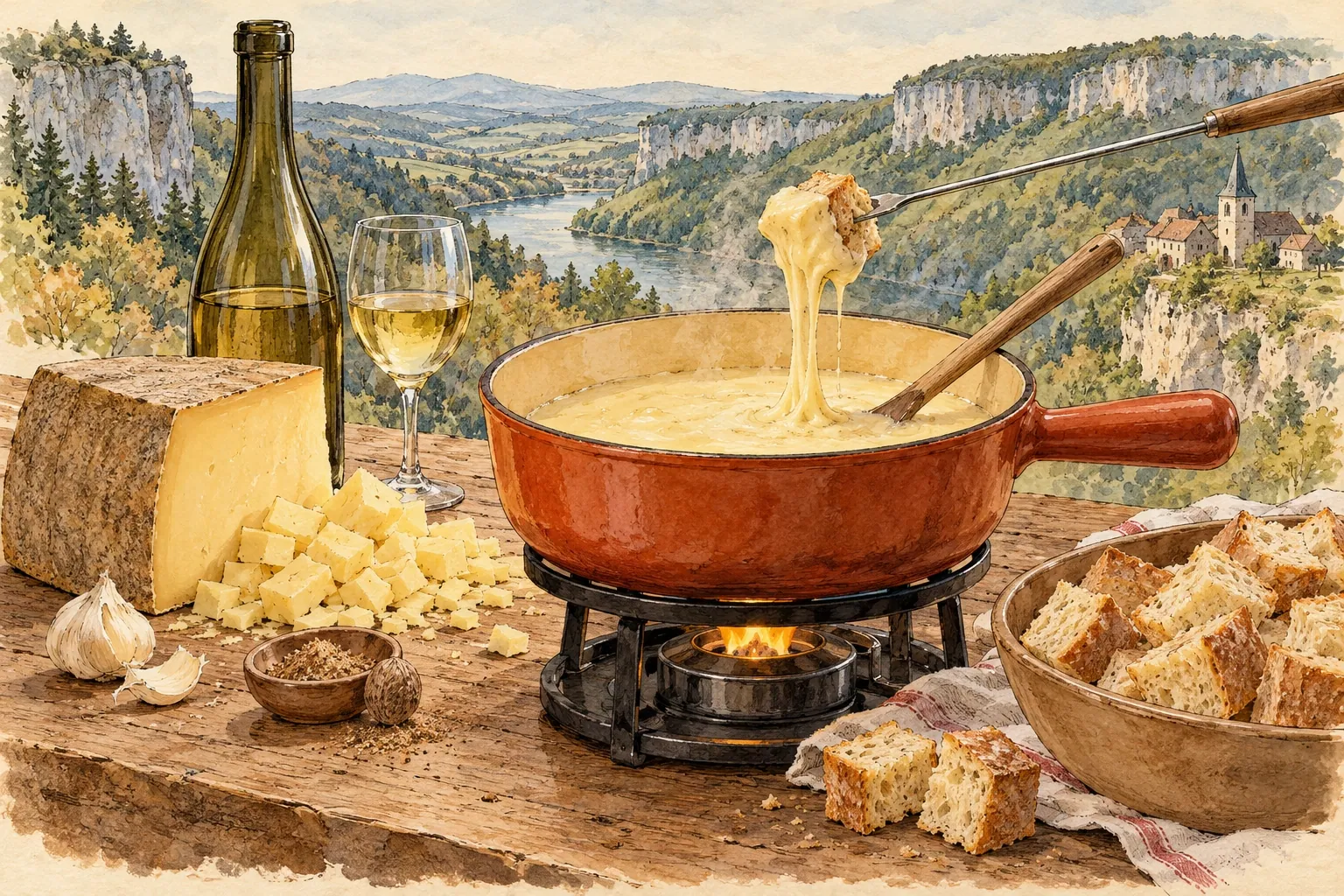 RecipeFondue au ComtéJura massif, Franche-Comté, France