
Wine · Wine region · Reference page
Trentino-Alto Adige
Trentino-Alto Adige/Südtirol
Italy's Alpine wine region along the Adige valley, made of two autonomous provinces, Trento and Bolzano. Its wines are all DOC, with no DOCG. They include Trento's bottle-fermented sparkling wine and the many single-variety wines of Trentino and Alto Adige.
Bronze Age seeds to Council of Trent
The Trentino DOC rules list a long archaeological record. Grape seeds were found in the Early Bronze Age (1800-1600 BC) pile-dwelling settlement at Ledro. A Rhaeto-Etruscan situla from Cembra of the fourth century BC bears one of the longest Etruscan-age inscriptions praising the drinking of wine. A gravestone of the second or third century AD found at Passau, in Germany, names a Trentino wine merchant, P. Tenatius Essimnus. The twelfth-century Statutes of Trento protected local wine against imports. In 1670 Michelangelo Mariani wrote that almost all of Trentino made good wine and quoted the saying "grain for three months and wine for three years".
The Alto Adige rules record uninterrupted export of Tyrolean wine north of the Alps since the Middle Ages. In 1874 the agricultural institute of San Michele all'Adige was founded. The Trentino DOC dates from 1971, Alto Adige from 1975 and Trento from 1993.
Vines on the valley sides
The region follows the Adige from the Venosta and Isarco valleys in the province of Bolzano down through Trentino towards Lake Garda. In Trentino, 70% of the land lies above 1000 m and only about 10% is flat valley floor; ISTAT classes it all as mountain. The Trentino DOC covers 72 communes and about 7500 ha in the Adige, Cembra, Lagarina, Sarca, Sugana and Giudicarie valleys, between about 70 and 700 m. Most vineyards sit on stony limestone scree on alluvial fans, with porphyry in the Cembra valley, basalt around Isera, Mori and Brentonico and mica-schist in the Valsugana. In Alto Adige, 86% of the province is above 1000 m and vines climb from 220 m to over 1000 m on alluvium, glacial gravel, quartz porphyry, quartz-mica rock and dolomitic limestone.
Trentino's vine zones average 11-13 °C a year. Lake Garda, Italy's largest at 370 km², gives the south a sub-Mediterranean climate, and its breeze, the Ora, blows up the valleys every afternoon.
Balance and primary aromas
The Trentino rules describe wines with balanced chemistry, especially between acidity and alcohol, and aromas clearly tied to their grape varieties, and they credit the conditions of the mountain sites for this. The Alto Adige rules stress marked primary aromas: elder in Sauvignon, rose in Traminer Aromatico, berries in Pinot Nero and Lagrein, cherry and violet in Schiava. Whites from sites above 300-400 m keep a fresh acidity of 5.5-7 g/l, while reds from below 400 m benefit from warmer conditions and give full-bodied wines with soft tannins. Wide day-night swings, up to 20 °C in September and October, run through both provinces' descriptions.
Two provinces, no DOCG
The Ministry's list gives no DOCG in either province. The largest DOC are Alto Adige (Südtirol) and Trentino. Trentino wines are usually single-variety: native or long-grown grapes such as Lagrein, Marzemino, Moscato Giallo, Moscato Rosa, Müller-Thurgau, Nosiola, Rebo and Traminer Aromatico, and international ones such as the Cabernets, Chardonnay, Merlot, the Pinots, Riesling and Sauvignon; there is also a Trentino Superiore. Its Vino Santo is made from Nosiola dried on racks and pressed from 1 February, or 1 March for the Superiore, after the harvest. Trento is reserved for sparkling wine. Smaller DOC include Teroldego Rotaliano and Casteller; Lago di Caldaro and Valdadige cross provincial borders.
Classification
- DOCNo DOCG. Main DOC: Alto Adige/Südtirol, Lago di Caldaro, Trentino, Trento, Teroldego Rotaliano and Casteller, with Valdadige and delle Venezie shared with Veneto.
How it connects
Wine region
- subregion Trento
- subregion Alto Adige
Grape variety
- grows Lagrein
- grows Marzemino
- grows Chardonnay
- grows Pinot Noir
- grown in Teroldego
Recipe
- pairs with Risotto ai funghi porcini
Continue exploring
- CountryItaly107 entries in the atlas so far
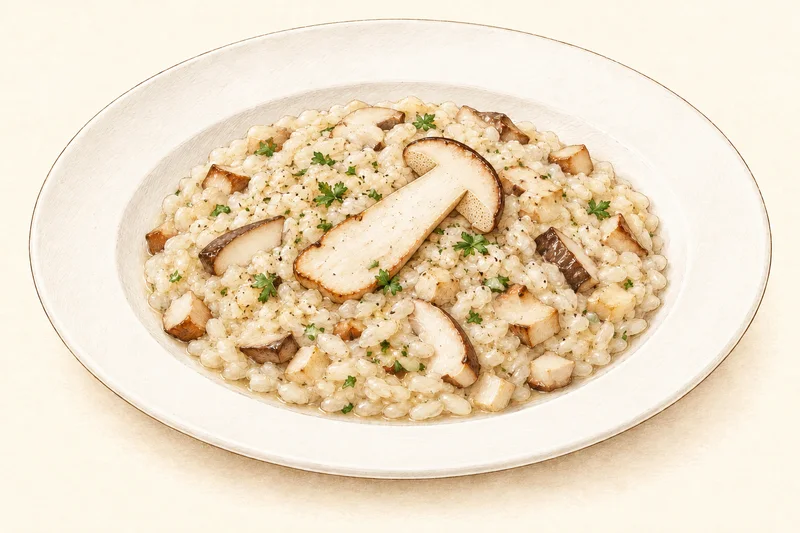 RecipeRisotto ai funghi porciniVal di Sole, Trentino, Italy
- Grape varietyPinot Noir
- Wine regionAlto AdigeBolzano, Italy
- Wine regionTrentoTrento, Italy
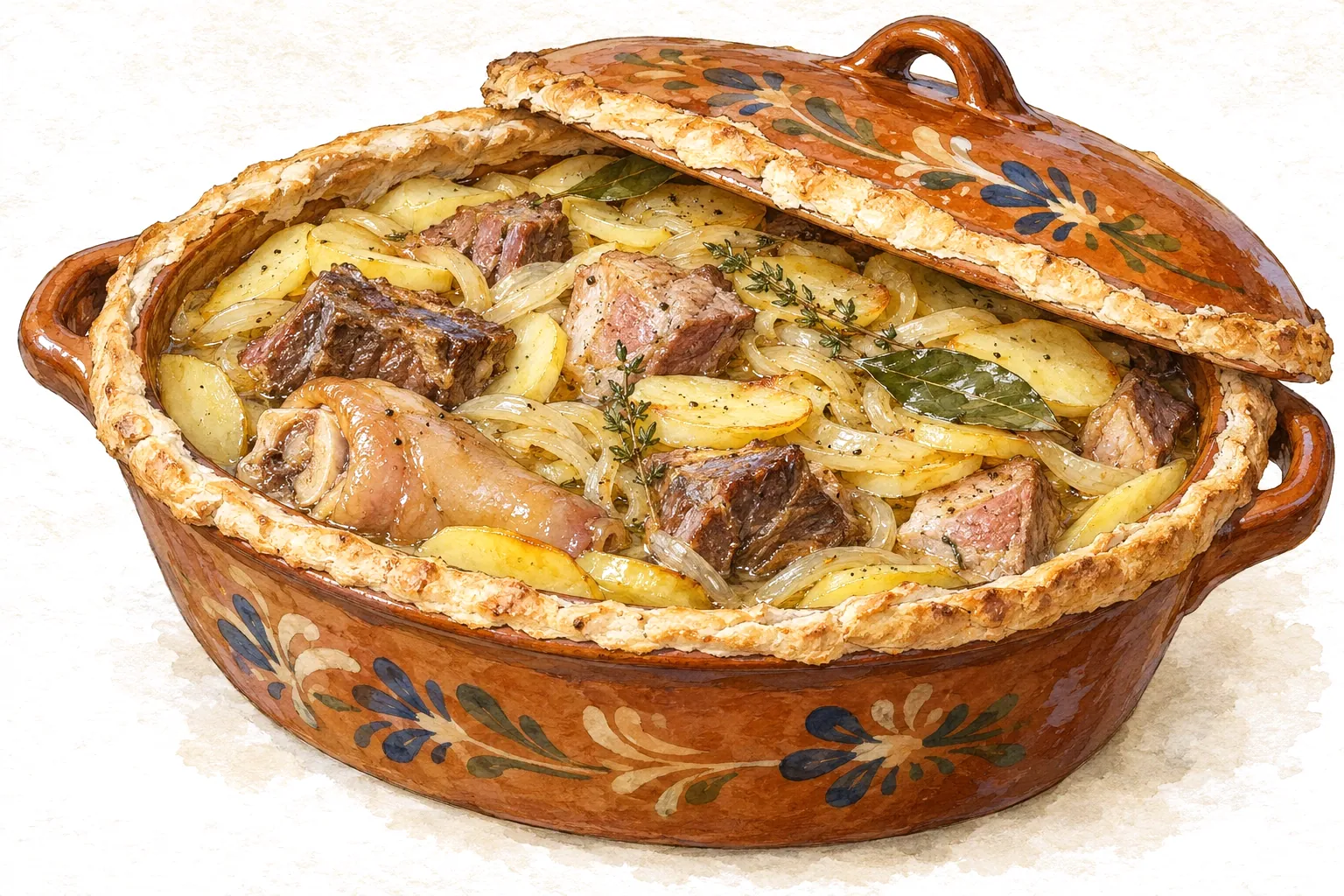 RecipeBaeckeoffeAlsace, France
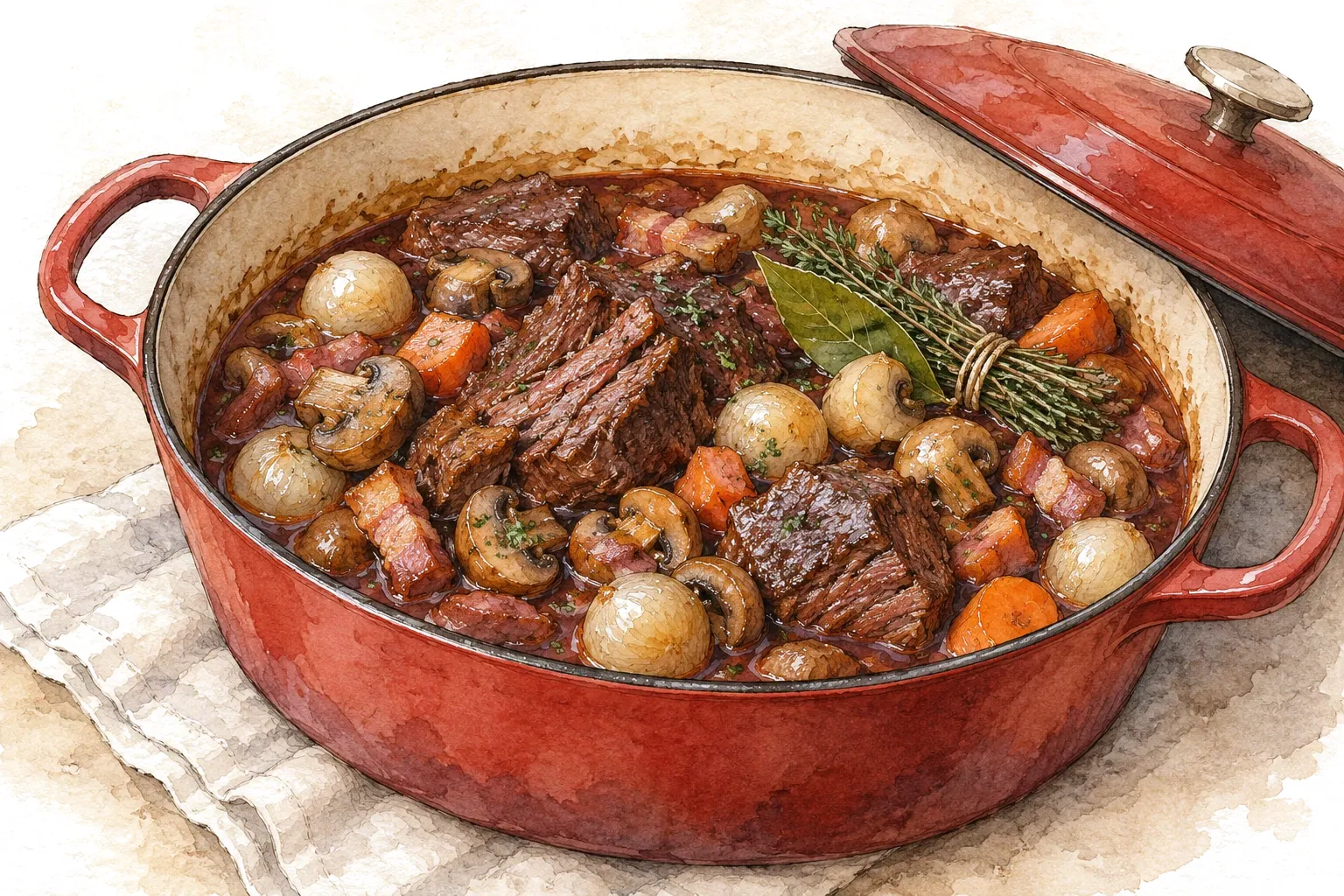 RecipeBœuf bourguignonDijon, France
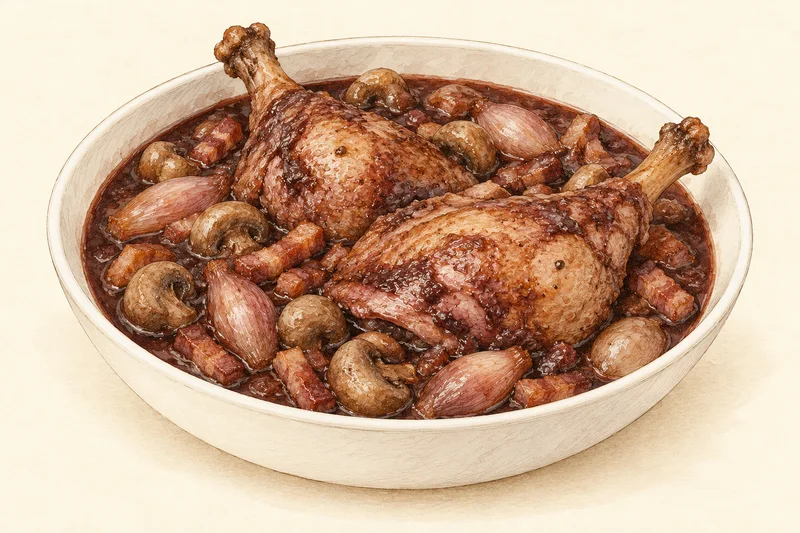 RecipeCoq au vinBurgundy, France
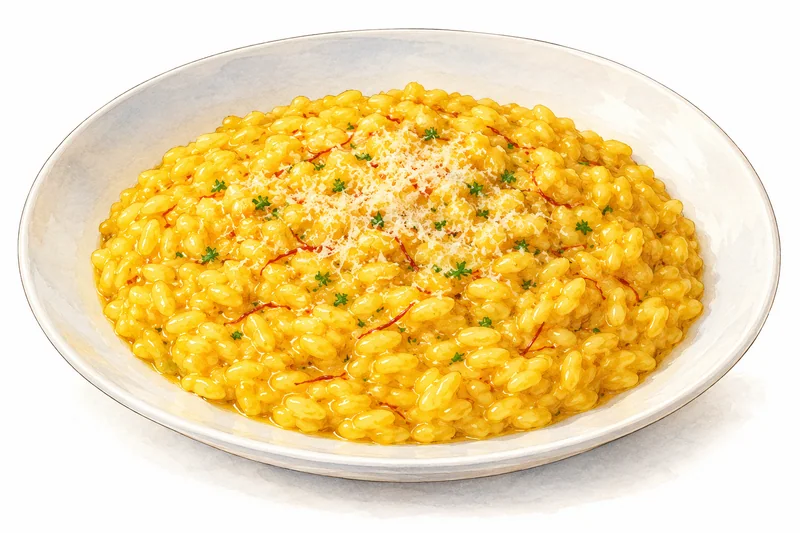 RecipeRisotto alla milaneseMilan, Italy
- Grape varietyChardonnay