
Wine · Wine region · Reference page
Alto Adige
Südtirol
The DOC covering all the vineyards of the province of Bolzano, in Italian and German. It is one of Europe's smaller wine areas, but its range runs from Lagrein and Schiava to Pinot Bianco, Traminer Aromatico and Sylvaner, with six subzones from Santa Maddalena to the Valle Isarco. Vineyards climb from 220 m to over 1000 m.
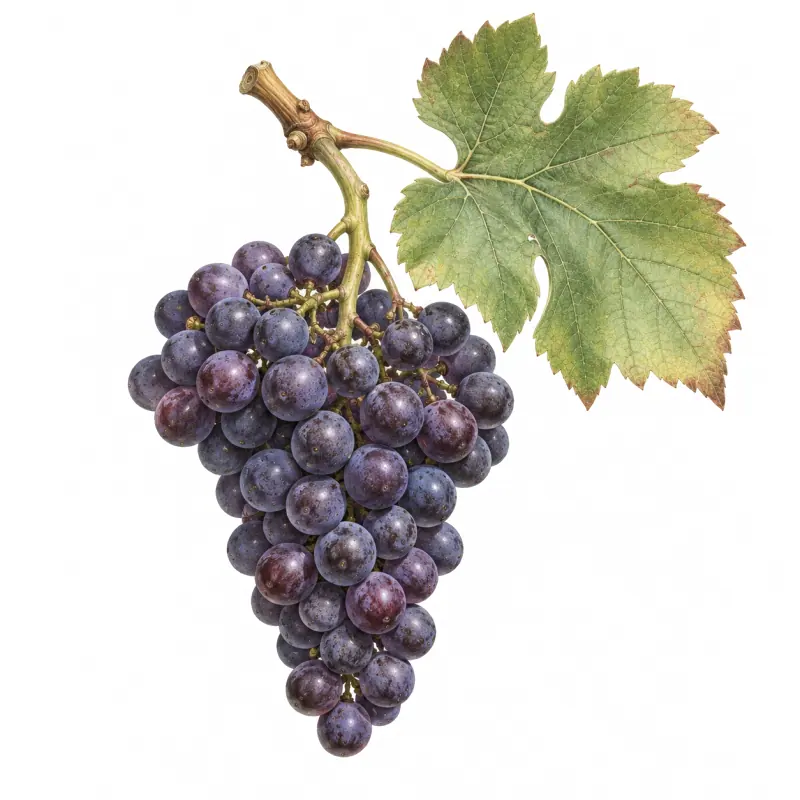
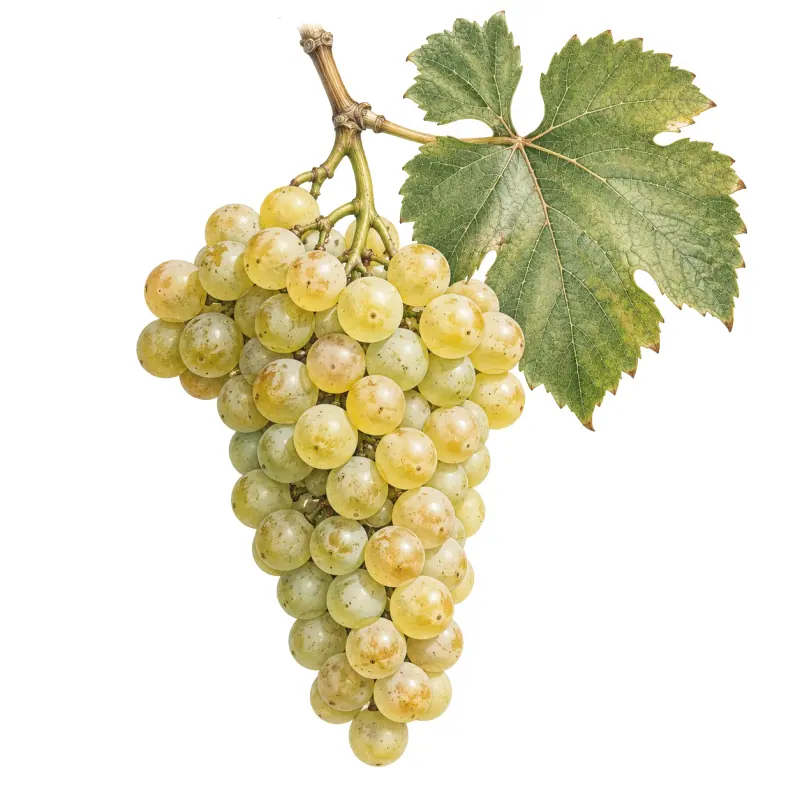
Tyrolean wine and imported varieties
The production rules call viticulture the oldest of the three pillars of the local economy, beside tourism and fruit growing. Early literature already named places such as Bolzano, Caldaro and Termeno, and Tyrolean wine, the wine of today's Südtirol, was exported without interruption north of the Alps from the Middle Ages onwards.
The traditional grapes are Lagrein, Schiava and Moscato Giallo. In the nineteenth century growers added Bordeaux varieties (Cabernet, Merlot, Sauvignon), the Burgundian Pinots and grapes from the Rhine (Riesling, Sylvaner, Traminer Aromatico); Müller-Thurgau and Kerner arrived about fifty years before the rules were written. Growers have thinned bunches by hand for decades and have grassed their vineyards for more than fifty years. The Alto Adige DOC was approved by presidential decree of 14 April 1975.
Steep vineyards between valley and alp
About 86% of the province lies above 1000 m, and the valley floor, home to 65% of the people, is only 8% of it. Vineyards occupy the band between valley floor and high mountain farms, along the upper Adige and the lower Isarco, from 220 m to over 1000 m. Only 15% is flat; 55% is on gentle to medium slopes and 30% on slopes over 30%, facing east to south-west.
Valley floors are fertile, permeable alluvium; hillsides are glacial gravel. Between Merano and Bolzano vines grow on quartz porphyry mixed with clay and sand, poor in humus, which forces deep roots. In the Valle Isarco and Val Venosta they grow on quartz-mica rock that holds more water, where rain is scarce. The south lies on dolomitic limestone. Some 60% of soils are light, 30% silty-calcareous and 10% clay-calcareous. The Alps block cold northern winds while the Adige opens to warm air from Lake Garda. Rain is about 860 mm in the south and 450-600 mm in the north, with summer dry spells of four to six weeks.
A mosaic of sites for twenty grapes
The rules compare the vineyard to a complex mosaic of mountains, valleys, exposures and microclimates, which lets growers match some twenty varieties to suitable sites. The wines stand out for marked primary aromas: elder in Sauvignon, rose in Traminer Aromatico, berries in Pinot Nero and Lagrein, cherry and violet in Schiava. Whites from above 300-400 m keep a fresh acidity of 5.5-7 g/l, and strong sun makes them fruity yet structured. Reds grown mostly below 400 m benefit from higher temperatures and give full-bodied wines with soft tannins. The rules credit wide day-night swings, about 15 °C in the growing season and up to 20 °C in September and October, with sharpening this character.
Many varieties on small farms
A variety named on the label means at least 85% of that grape. Wines are traditionally single-variety, apart from some Bordeaux-style blends, and dry and still, apart from passito and spumante; structured reds, above all Riserva, age in small or large wood. Labels may use the German names Südtirol or Südtiroler, and six subzones may be added: Colli di Bolzano, Meranese, Santa Maddalena, Terlano, Valle Isarco and Valle Venosta. Vines are trained on pergola or on wires at 3,500-7,000 per hectare. Farms average about one hectare and need 600-800 hours of work per hectare for yields of 60-70 hl/ha. Lagrein is the best-known native red.
Classification
- Alto Adige / Südtirol DOCA variety on the label means at least 85% of that variety. DOC 1975.
- SubzonesColli di Bolzano (Bozner Leiten), Meranese (Meraner), Santa Maddalena (St. Magdalener), Terlano (Terlaner), Valle Isarco (Eisacktal) and Valle Venosta (Vinschgau).
How it connects
Wine region
Grape variety
- grows Lagrein
- grows Pinot Noir
- grows Chardonnay
Continue exploring
- CountryItaly107 entries in the atlas so far
- Grape varietyPinot Noir
- Wine regionTrentino-Alto AdigeSan Michele all'Adige, Italy
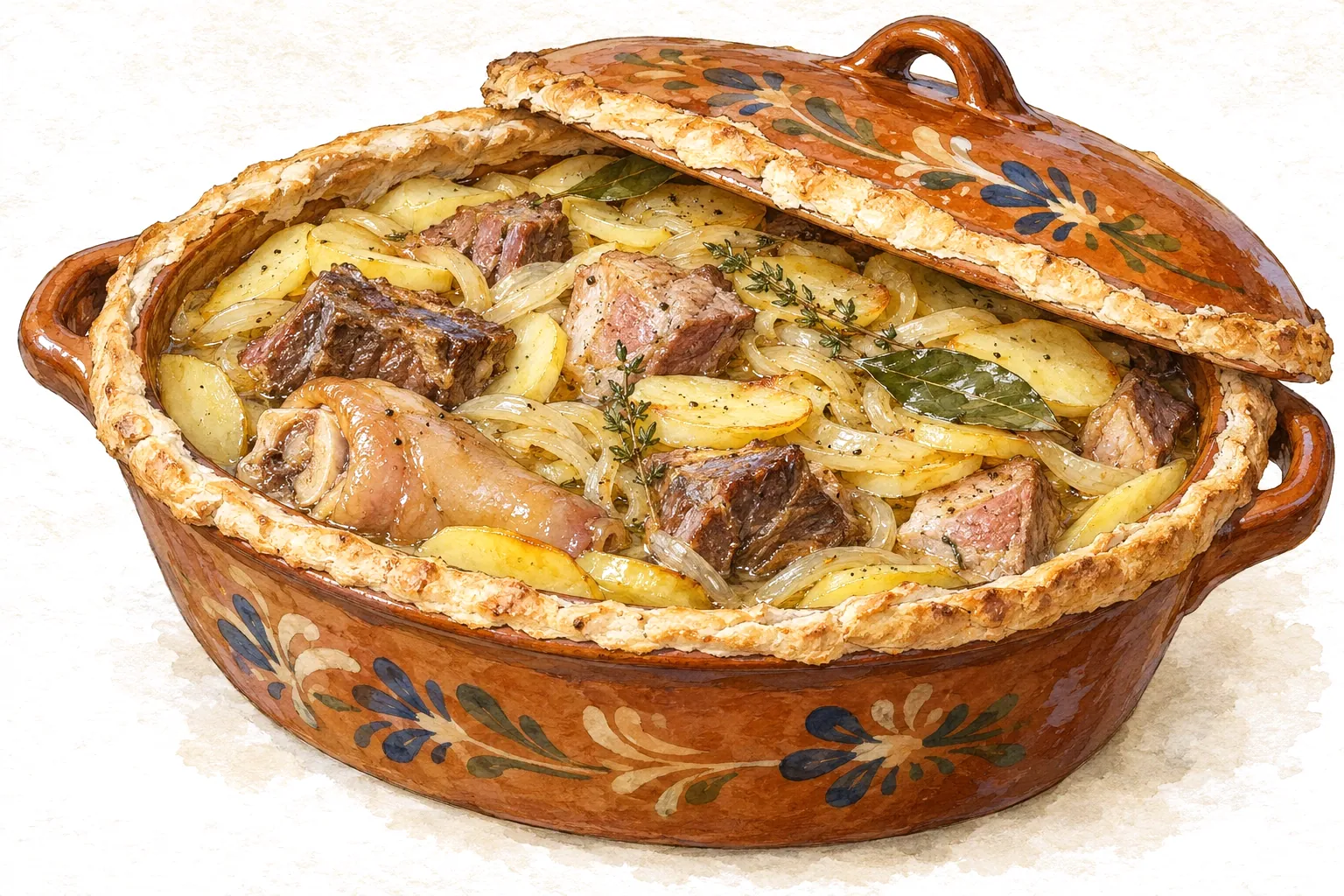 RecipeBaeckeoffeAlsace, France
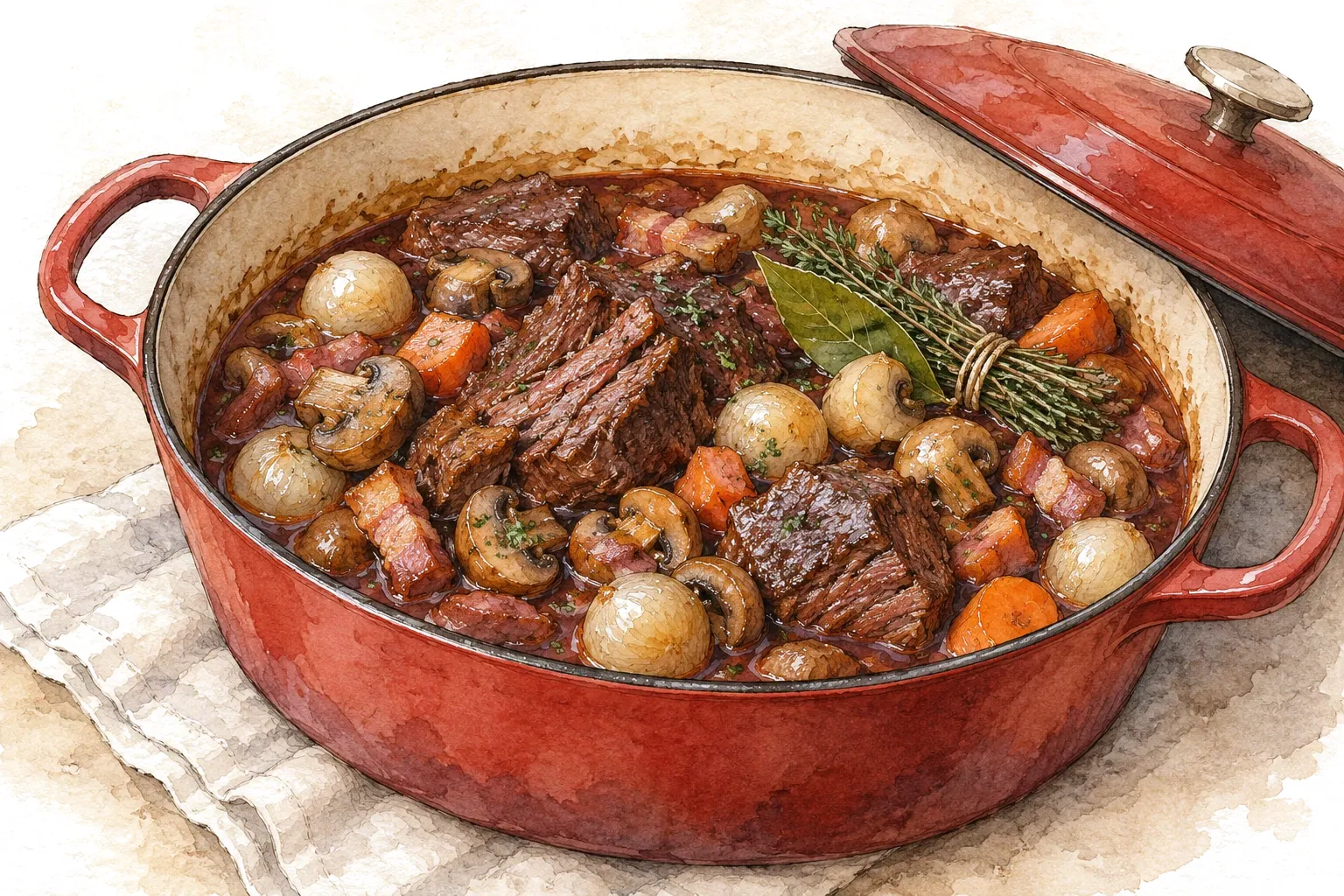 RecipeBœuf bourguignonDijon, France
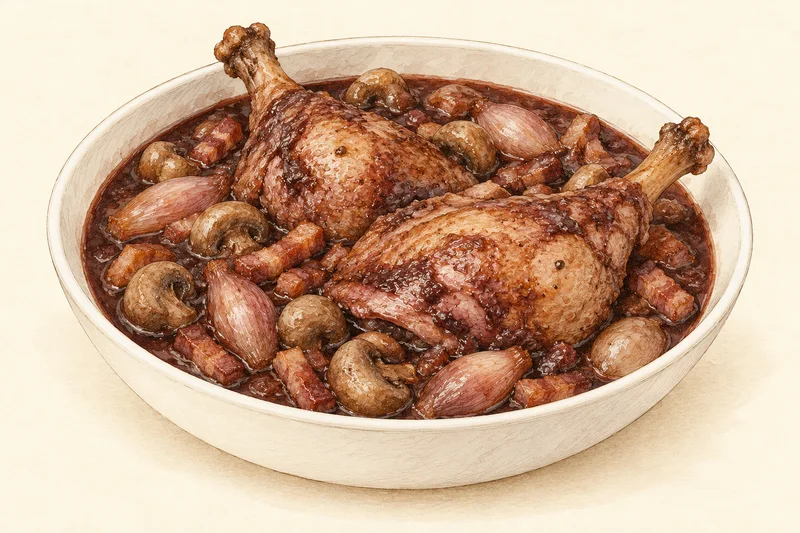 RecipeCoq au vinBurgundy, France
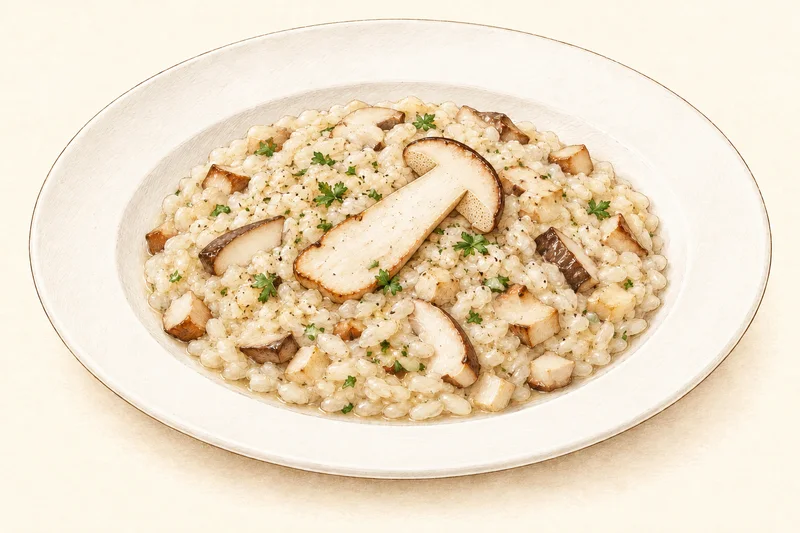 RecipeRisotto ai funghi porciniVal di Sole, Trentino, Italy
- Grape varietyChardonnay
- Grape varietyLagrein
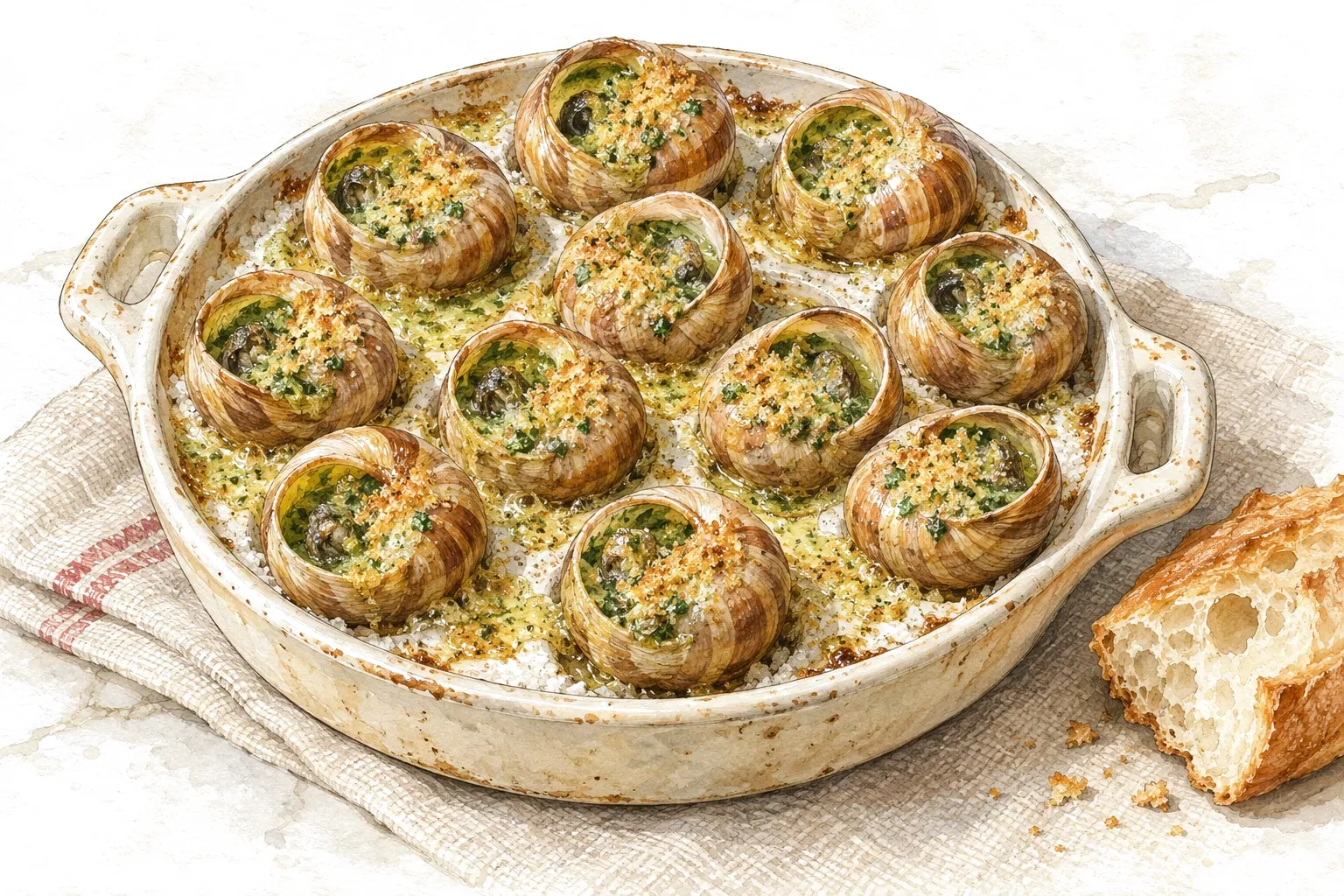 RecipeEscargots à la bourguignonneBurgundy, France