
Wine · Wine region · Short entry
Vaud
Vaud
Vaud is Switzerland's second-largest vineyard, some 3,750 ha around Lake Geneva, Lake Neuchâtel and the Vully, and the only Swiss region where white grapes are in the majority. Chasselas covers almost six hectares in ten and is usually sold under a place name such as Yvorne, Féchy or Dézaley rather than the grape. The cantonal rules set an AOC Vaud, regional AOCs, the Grand Cru appellations Dézaley and Calamin, and a parcel-level Premier grand cru.
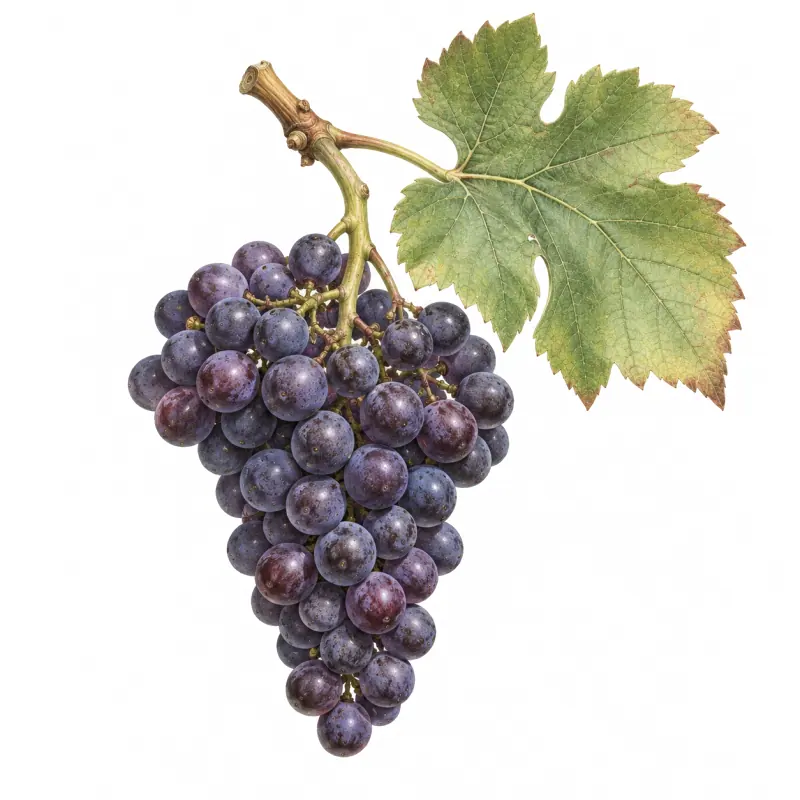
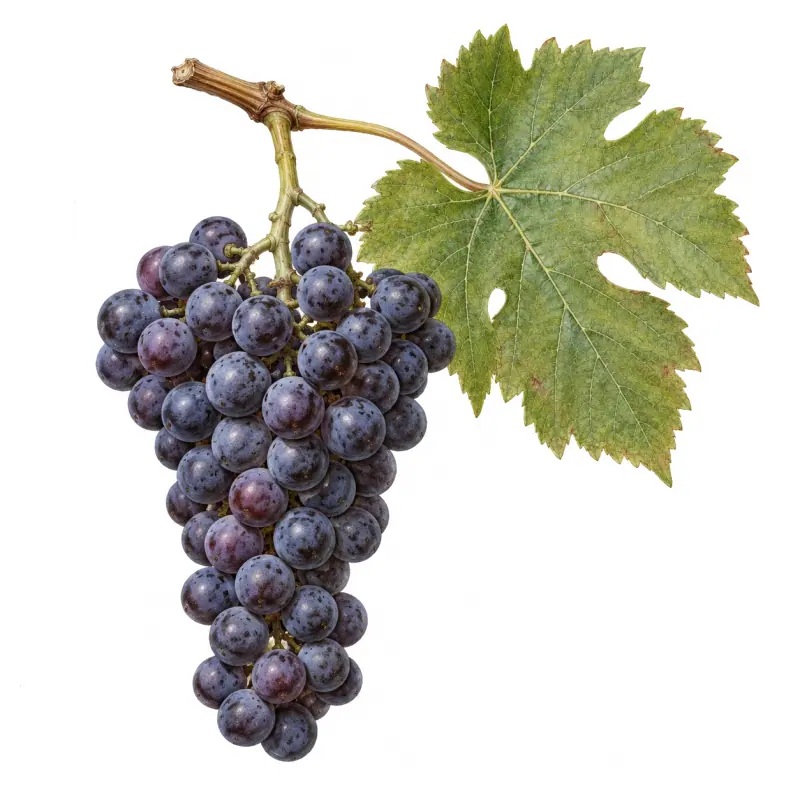
Monks, tenant growers and Chasselas
UNESCO, which inscribed the Lavaux vineyard terraces on the World Heritage List in 2007, notes some evidence of Roman vines and traces the present terraces to the 11th century, when Benedictine and Cistercian monasteries controlled the area. Swiss Wine Vaud gives 966 as the first reliable mention of vines in the canton and says monks cleared the Lavaux slopes from the 12th century, the steep Dézaley in its second half. It finds no evidence that monks built the walls, which it dates probably to the 14th century and to tenant growers.
A local tradition holds that Marie of Burgundy gave Pinot Noir vines to Saint-Prex in 1420. Chasselas is named in Vaud as 'Fendant Blanc' in 1696, and in 2009 the ampelographer José Vouillamoz placed its origin around Lake Geneva. Phylloxera cut the vineyard from about 7,000 ha to its present size. The cantonal wine rules date from 27 May 2009.
Shaped by the Rhône glacier
The rules divide the canton into wine regions: the Chablais (district of Aigle), Lavaux (Lavaux-Oron, the Riviera and Lausanne), La Côte (from western Lausanne to Nyon and Morges), the Côtes de l'Orbe, Bonvillars, the Vully shared with Fribourg, and the Grand Cru areas of the Dézaley in Puidoux and the Calamin in Epesses. Agroscope found that the Rhône glacier shaped the whole vineyard: more than 60% of its soils come from Alpine moraine, about 15% lie on pre-Alpine molasse 15 to 35 million years old, and limestone screes, colluvium and recent alluvium make up about 17%. Rainfall differs by almost 50% between the Côtes de l'Orbe and the Vevey-Montreux riviera.
UNESCO's Lavaux property covers 898 ha along about 30 km of south-facing shore from the Château de Chillon to Lausanne. Swiss Wine Promotion speaks there of 'three suns': direct sun, light reflected by the lake and heat stored by the walls. It calls the Chablais chalky and foehn-warmed and La Côte gently rolling on limestone.
One grape, many places
Swiss Wine Vaud describes Chasselas as a dry white of freshness and precision that changes with the appellation: structured and able to age in Lavaux, fruity and floral on La Côte, lively and taut in the Chablais. Young, it is fresh and delicate; the great Lavaux wines can age ten years or more. Swiss Wine Promotion links pronounced minerality and slightly salty notes in the Chablais to its chalky soils and foehn, finesse and minerality in Lavaux to the terraces and the lake, and strength and spice, often with earthy notes, to the clay-limestone Côtes de l'Orbe. Red wines from Gamay and Pinot Noir make up about a quarter of production.
From AOC Vaud to Premier grand cru
Vaud grapes that meet the cantonal rules carry AOC Vaud, and wine from a single region its regional AOC: Chablais, Lavaux, La Côte, Côtes-de-l'Orbe, Bonvillars, Vully, Dézaley Grand cru or Calamin Grand cru, with Dézaley-Marsens Grand cru for a sector of Puidoux north of the Corniche road. Dézaley and Calamin may also be sold as Lavaux. A white without a grape name must be at least 90% Chasselas; a named variety needs 85%. Minimum natural sugar is 15.7–15.9 °Brix for whites, 17.0 for Gamay and 18.2 for other reds, rising to 17.3, 19.3 and 20.5 in the Dézaley and Calamin. A wine with a commune or place name may carry 'Grand cru' if 90% of its grapes come from there and the must is 5 °Oe above the minimum. 'Premier grand cru' is granted parcel by parcel for Chasselas, Pinot Noir, Gamay, Merlot, Gamaret and Garanoir. Salvagnin and Dorin are traditional names for Vaud reds and Chasselas. AOC Lavaux wines may not be blended.
Classification
- AOC VaudGrapes from anywhere in the canton; an unnamed white must be at least 90% Chasselas.
- Regional AOCChablais, Lavaux, La Côte, Côtes-de-l'Orbe, Bonvillars, Vully; minimum sugar 15.7–15.9 °Brix white, 17.0 Gamay, 18.2 other reds.
- Dézaley Grand cru, Dézaley-Marsens Grand cru, Calamin Grand cruAreas in Puidoux and Epesses; minimum sugar 17.3 °Brix white, 19.3 Gamay, 20.5 other reds.
- Grand cru (mention)For a place or commune name with 90% of the grapes from it and 5 °Oe above the minimum; no blending; vintage required.
- Premier grand cruGranted per parcel by a commission; Chasselas, Pinot Noir, Gamay, Merlot, Gamaret, Garanoir; hand harvest; 6,000 vines/ha; 0.80 l/m² Chasselas, 0.64 l/m² reds.
How it connects
Wine region
- in Switzerland
Grape variety
- grows Pinot Noir
- grows Gamay
Continue exploring
- CountrySwitzerland7 entries in the atlas so far
- Grape varietyPinot Noir
 RecipeBaeckeoffeAlsace, France
 RecipeBœuf bourguignonDijon, France
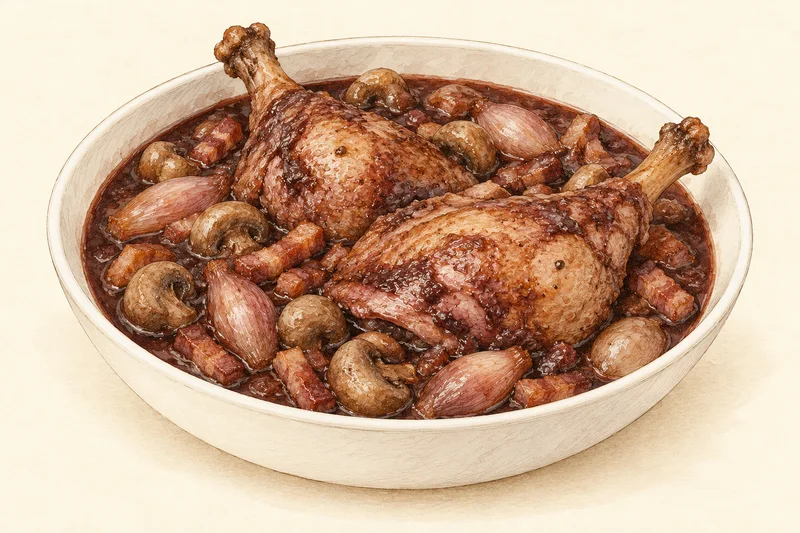 RecipeCoq au vinBurgundy, France
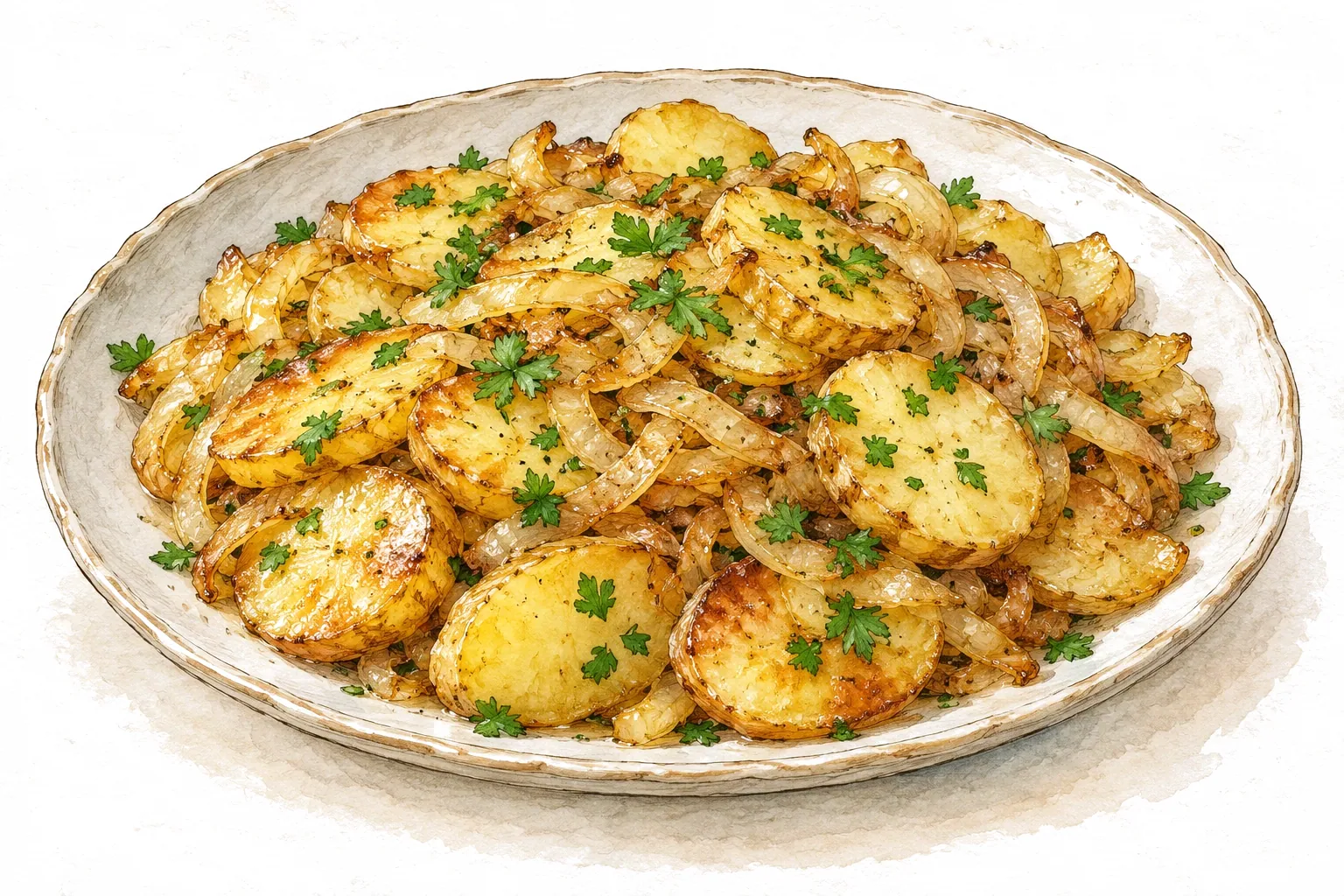 RecipePommes de terre à la lyonnaiseLyon, France
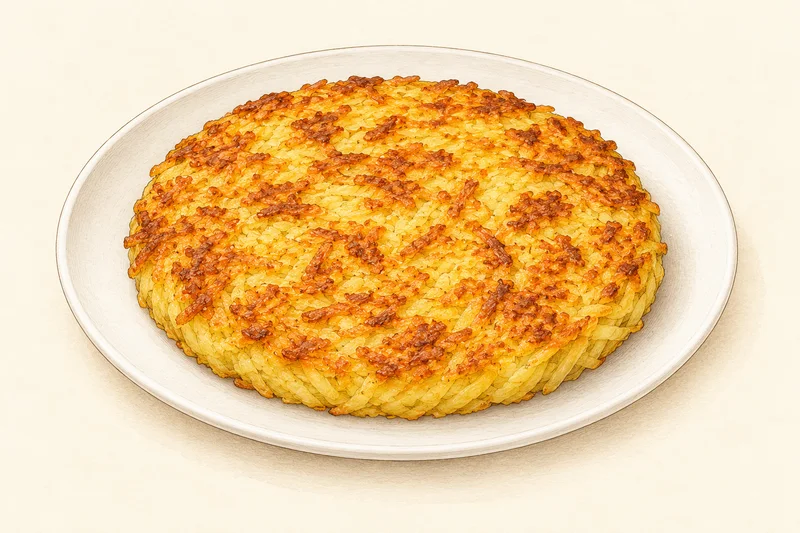 RecipeRöstiSwitzerland
- Grape varietyGamay
- Wine regionSwitzerlandSwitzerland
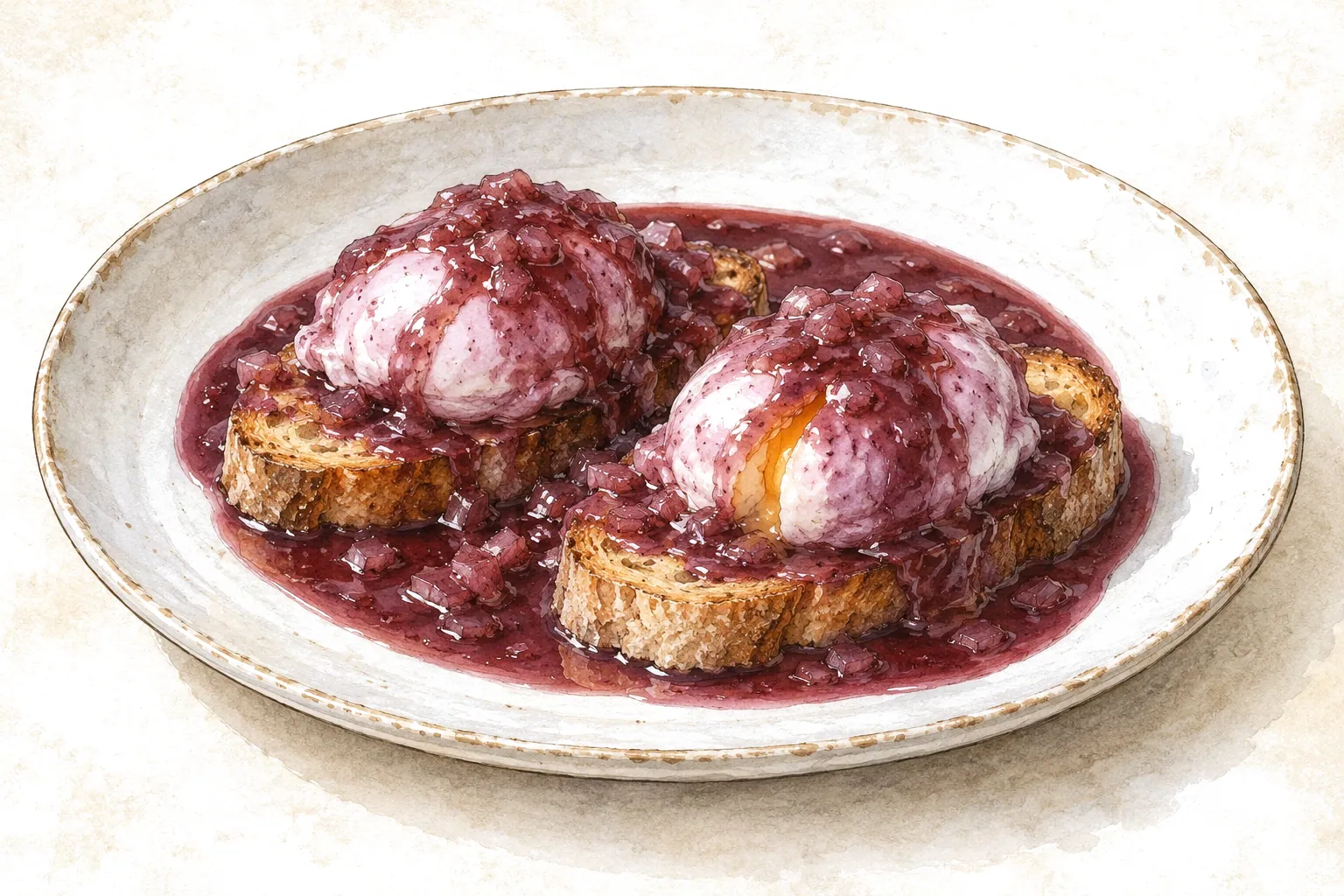 RecipeŒufs en meuretteBurgundy, France