
Wine · Wine region · Short entry
Valais
Valais / Wallis
Valais is Switzerland's largest wine region, with about a third of the national vineyard on terraced slopes along the upper Rhône in a dry, sunny Alpine valley. The canton has one appellation, AOC Valais, under which communes may adopt a stricter Grand Cru designation. Pinot Noir and Chasselas, sold as Fendant, are the most planted grapes, beside native varieties such as Petite Arvine, Amigne and Cornalin.
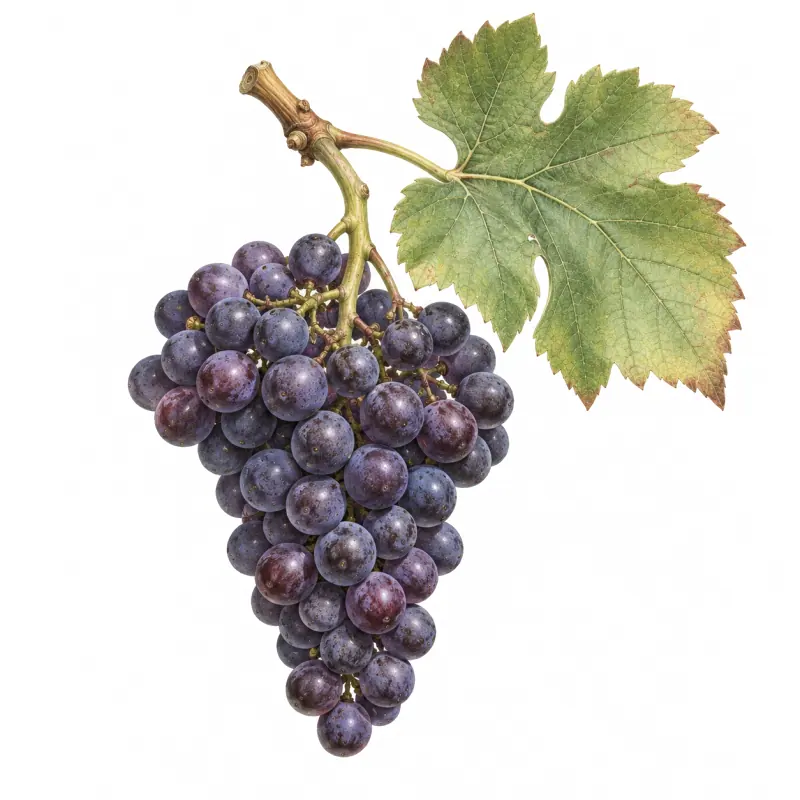
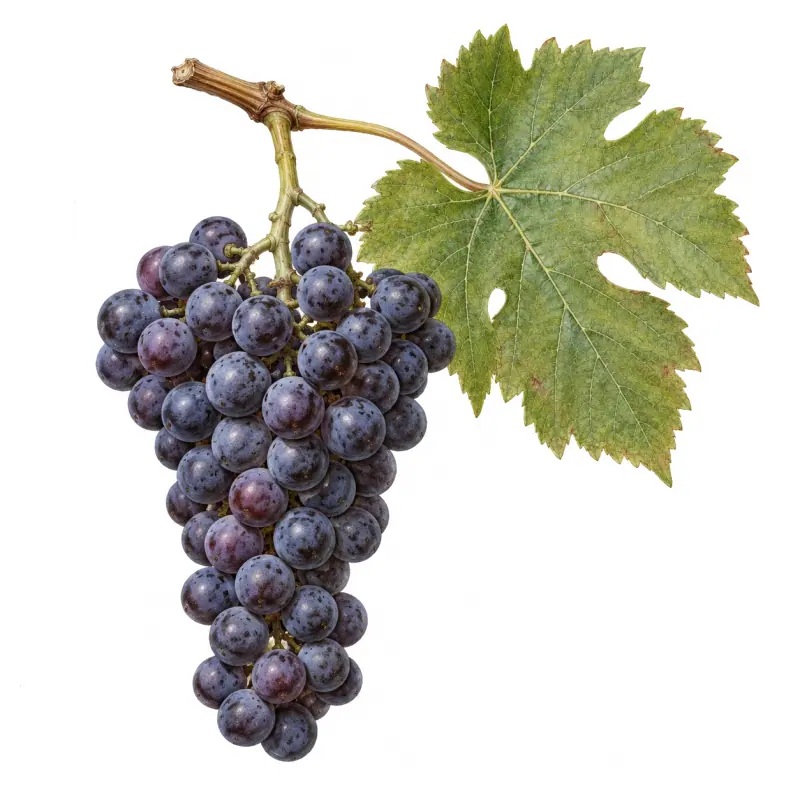
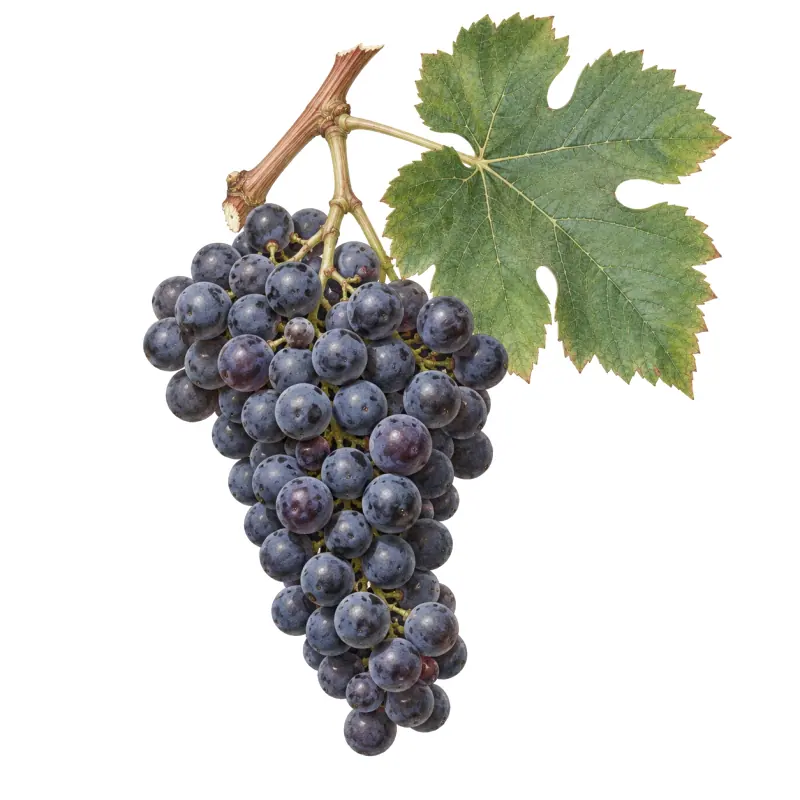
Old local grapes and a Grand Cru chapter
Valais/Wallis Promotion records Petite Arvine as exclusive to Valais since 1602 and Cornalin as first noted there at the start of the 19th century; Humagne Rouge is said to have come over the Great St Bernard Pass. Pinot Noir was introduced in the middle of the 19th century to renew a wine industry in transition, and Syrah in 1926. Swiss Wine Valais points to a Humagne Blanche vine at Steg planted in 1750, which it calls the oldest in Switzerland.
The cantonal ordinance on the vine and wine, adopted on 17 March 2004 and in its current form in force since 1 April 2026, defines AOC Valais and a Grand Cru designation. Grand Cru is voluntary and communal: each commune or group of communes writes its own rules, which the Conseil d'Etat approves, and ten communes now use it.
A glacial valley under the foehn
Swiss Wine Promotion describes often terraced vineyards along the upper Rhône, in a valley carved by glaciers that retreated 20,000 years ago. The climate is dry, with about 650 mm of rain a year, and sunny, with 2,500 hours. Strong, warm foehn winds favour late-ripening grapes and allow vines higher than elsewhere in Switzerland, up to about 1,100 m at Visperterminen. Agroscope adds that the central Valais is sheltered from Atlantic and Mediterranean weather by two high Alpine chains, while below the Rhône gorge rain passes 1,000 mm a year.
On 5,400 ha the Agroscope study mapped shallow soils on schists and limestones (about 1,000 ha), deep scree soils (about 1,500 ha), a very calcareous landslide around Sierre and Salgesch (600 ha), moraines (about 650 ha), loess at Fully, Saillon and Bramois, stony torrent fans at Chamoson and Ardon, and plain alluvium (just over 600 ha). Swiss Wine Valais divides the vineyard into Lower, Central and Upper Valais, more than 60 wine communes in all.
Fendant, Arvine and late reds
Valais/Wallis Promotion describes Fendant as understated and crystalline, leaving room for floral, fruity or mineral nuances from its site, and often slightly sparkling. Petite Arvine needs the best exposures and gives lively wines with grapefruit or wisteria notes and a slightly salty finish. Heida, the local Savagnin Blanc first found on the Visperterminen slopes, combines vivacity and structure. Late, difficult Cornalin gives a dark cherry colour, black cherry and clove; Humagne Rouge wild fruit, woodland and violet; Syrah black pepper and wild berries. The same source calls Pinot Noir an early grape that tolerates dryness and cold and gives very varied wines, which it links to the diversity of the soil. Swiss Wine Promotion credits the foehn with ripening the late varieties.
One AOC, traditional names and Grand Cru
Valais grapes that meet the cantonal sugar and yield limits make AOC Valais. Yields may not exceed 1.4 kg/m² for Chasselas and 1.2 kg/m² for other whites and reds; minimum natural sugar runs from 17.2 °Brix for Chasselas to 20.6 °Brix for Arvine, Amigne, Pinot Gris, Sylvaner and other specialities, and 20.0 °Brix for reds. The ordinance lists Amigne, Arvine, Humagne Blanche, Rèze and Cornalin as native, and Chasselas, Pinot Noir, Gamay, Syrah, Sylvaner and others as traditional. Fendant is pure Chasselas, Johannisberg is Sylvaner, Malvoisie is Pinot Gris and Ermitage is Marsanne and/or Roussanne. Dôle is Pinot Noir, or a red blend with at least 51% Pinot Noir and Gamay in which Pinot Noir dominates. A commune name needs 85% of the grapes from that commune. Grand Cru wines come from one commune or regional Grand Cru and from listed grapes, and must be made and bottled in Valais; 'Grand Cru Valais' and 'premier cru' are banned on labels. Pinot Noir covers 28% of the area and Chasselas 16%.
Classification
- AOC ValaisAll authorised grapes; minimum sugar 17.2 °Brix (Chasselas) to 20.6 °Brix (Arvine, Amigne and others), 20.0 °Brix for reds; yields 1.4 kg/m² Chasselas, 1.2 kg/m² other whites and reds.
- Grand Cru (with a commune or regional name)Communal or regional rules approved by the Conseil d'Etat; listed grapes only; 18.8–22.6 °Brix; 0.8–1.1 kg/m²; vines at least eight years old; made and bottled in Valais; no blending of grapes or vintages.
- Vin de paysIncludes Goron and Rosé de Goron for reds and rosés from Valais grapes; at most 1.6 kg/m² with a traditional name.
How it connects
Wine region
- in Switzerland
Grape variety
- grows Pinot Noir
- grows Gamay
- grows Syrah
Continue exploring
- CountrySwitzerland7 entries in the atlas so far
- Grape varietyPinot Noir
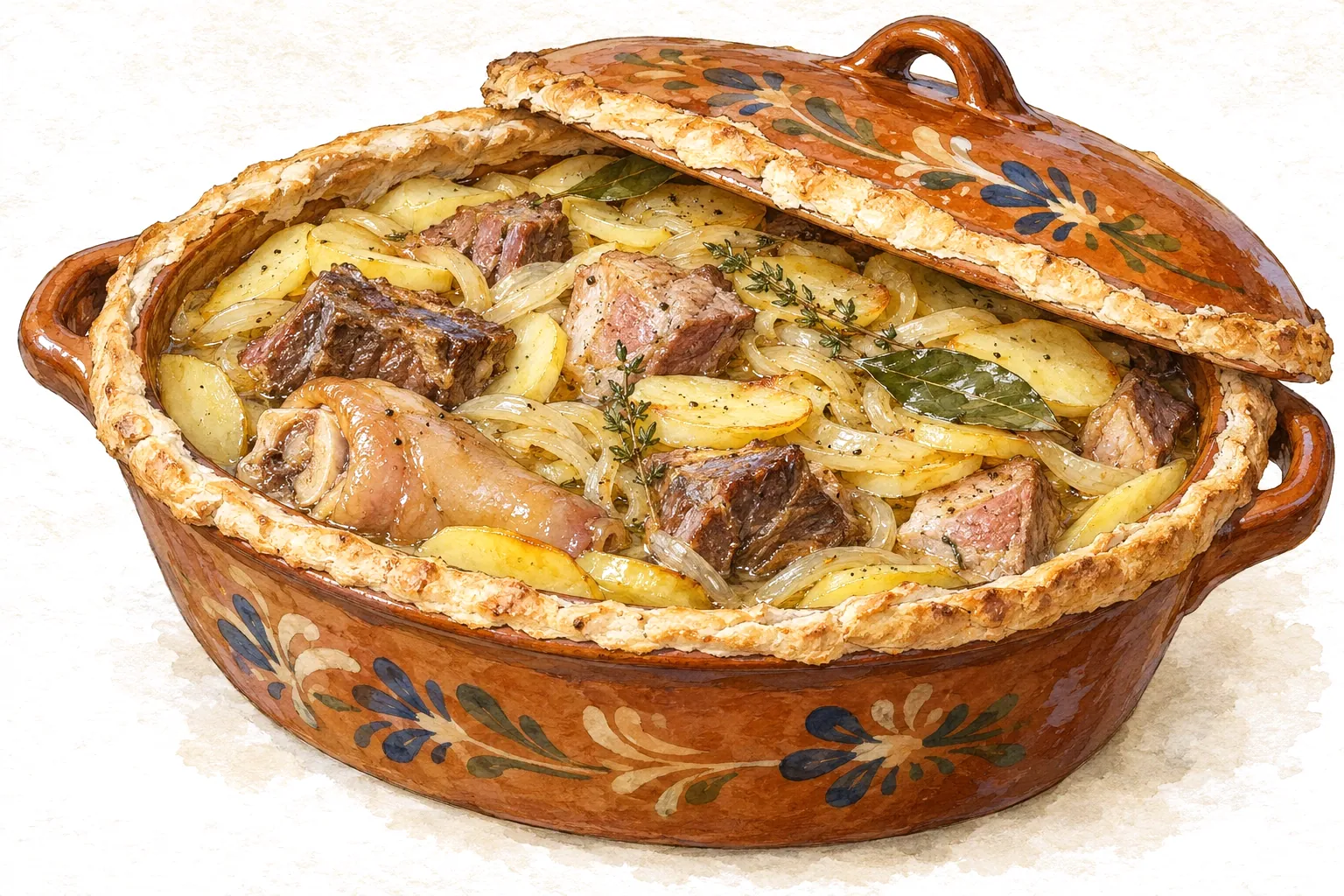 RecipeBaeckeoffeAlsace, France
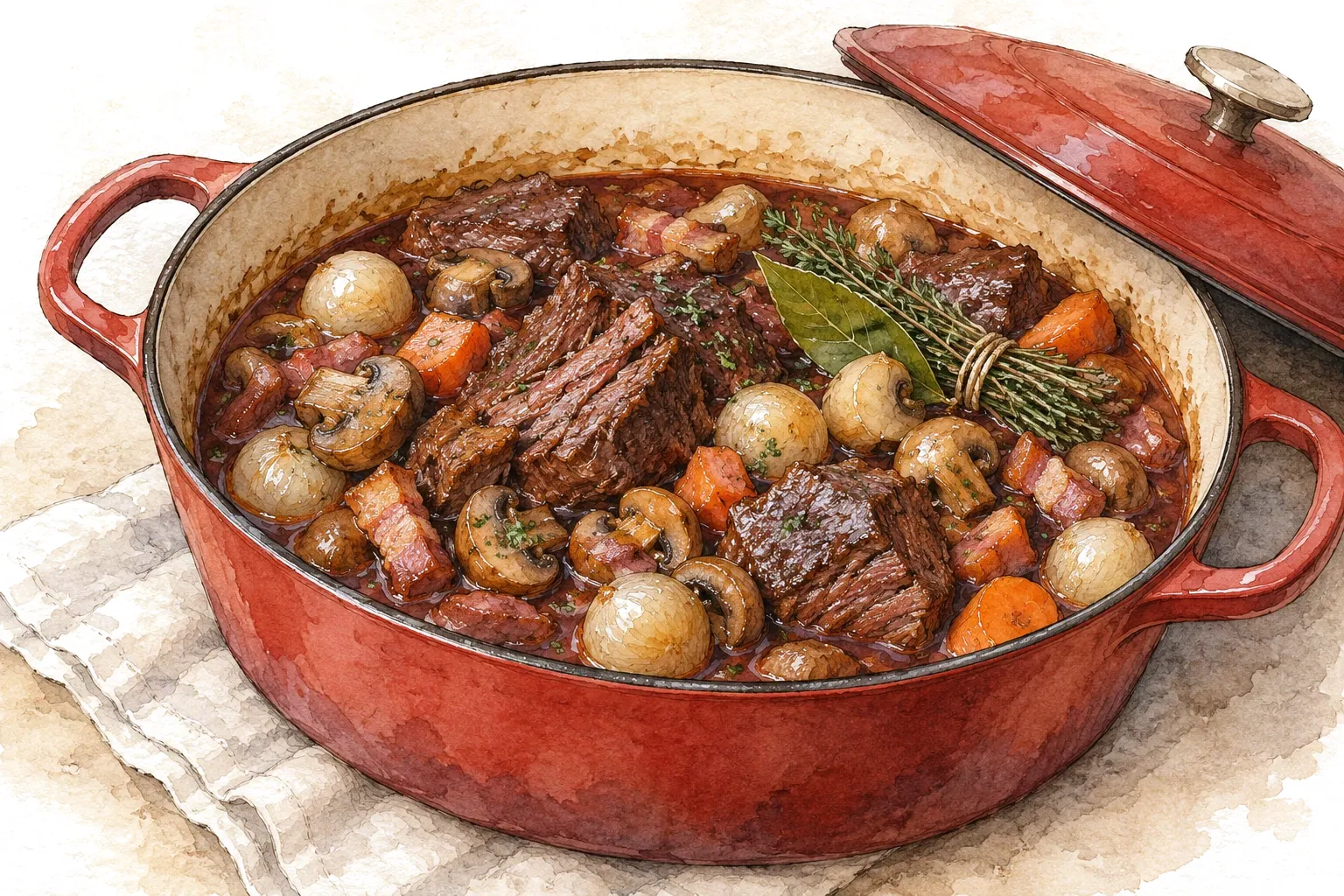 RecipeBœuf bourguignonDijon, France
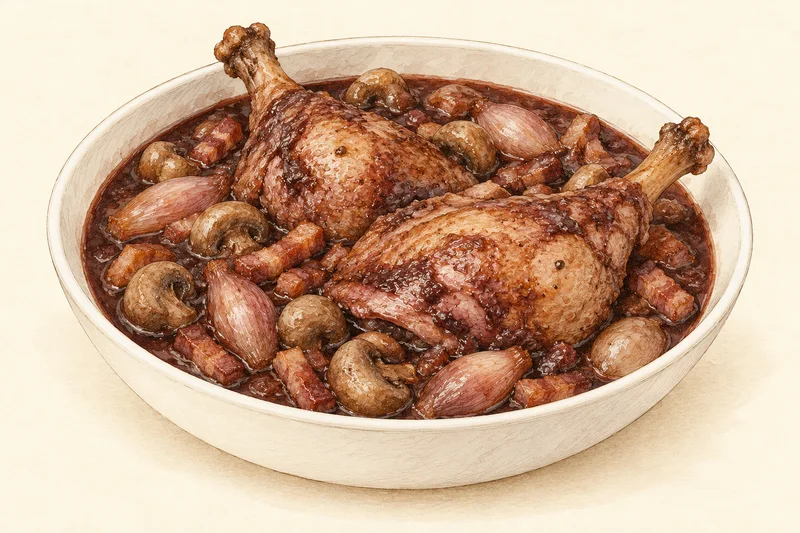 RecipeCoq au vinBurgundy, France
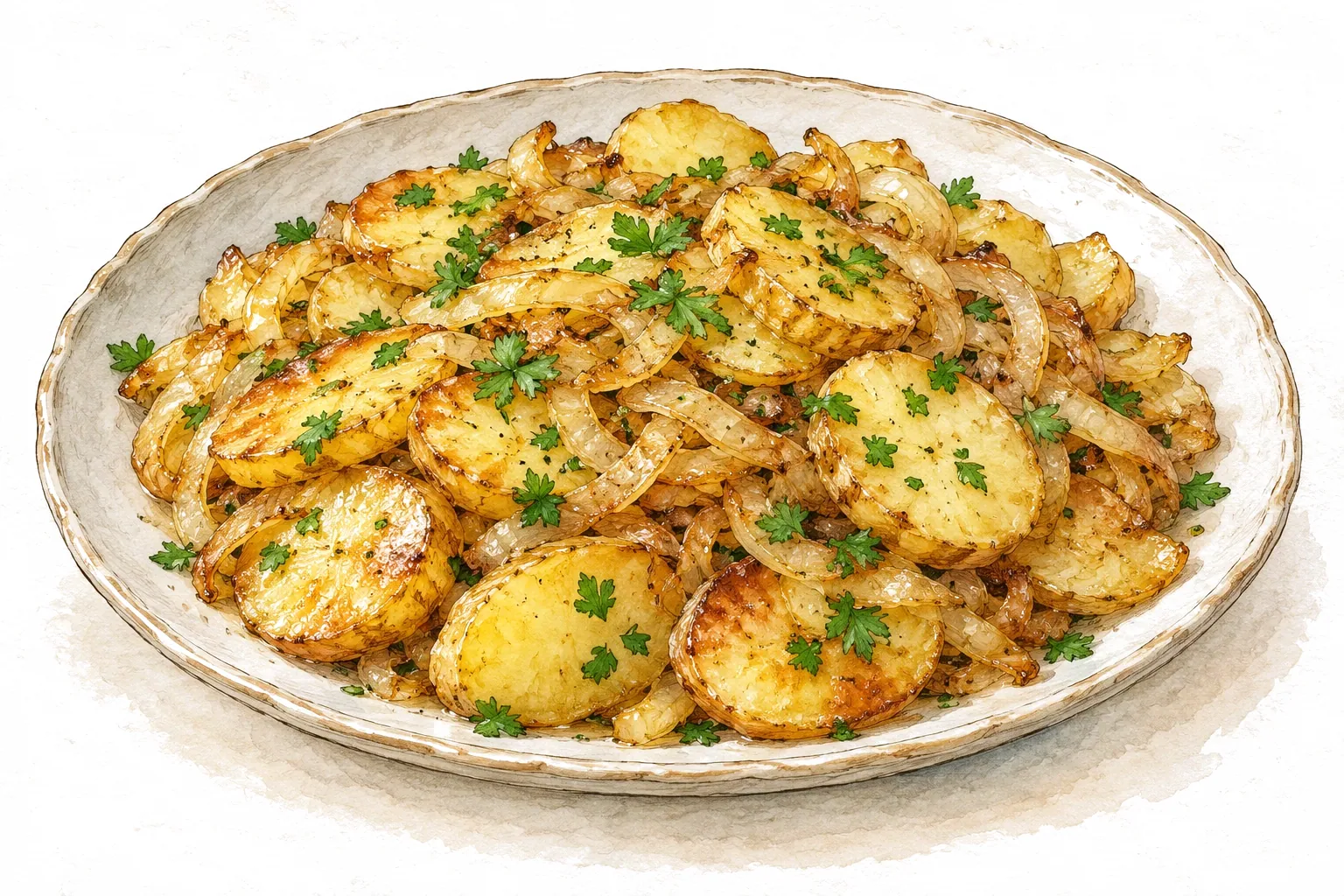 RecipePommes de terre à la lyonnaiseLyon, France
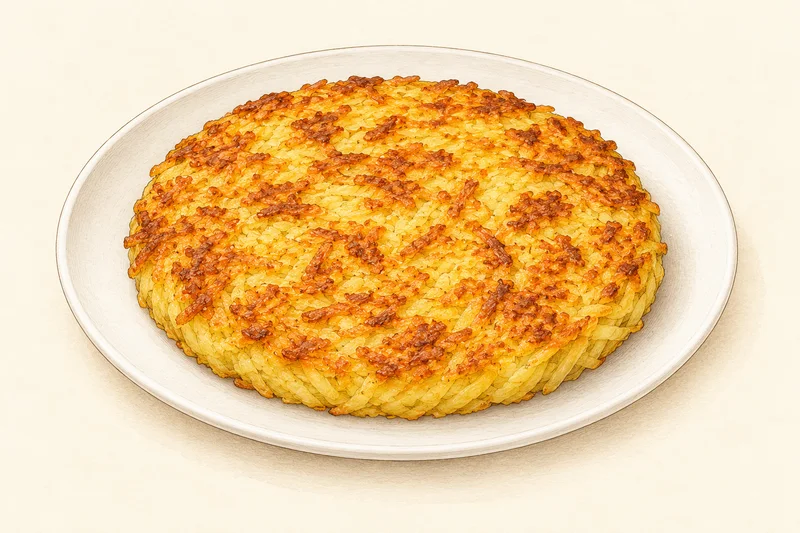 RecipeRöstiSwitzerland
- Grape varietyGamay
- Grape varietySyrah
- Wine regionSwitzerlandSwitzerland