Wine · Wine region · Short entry
Saumur-Champigny
Saumur-Champigny
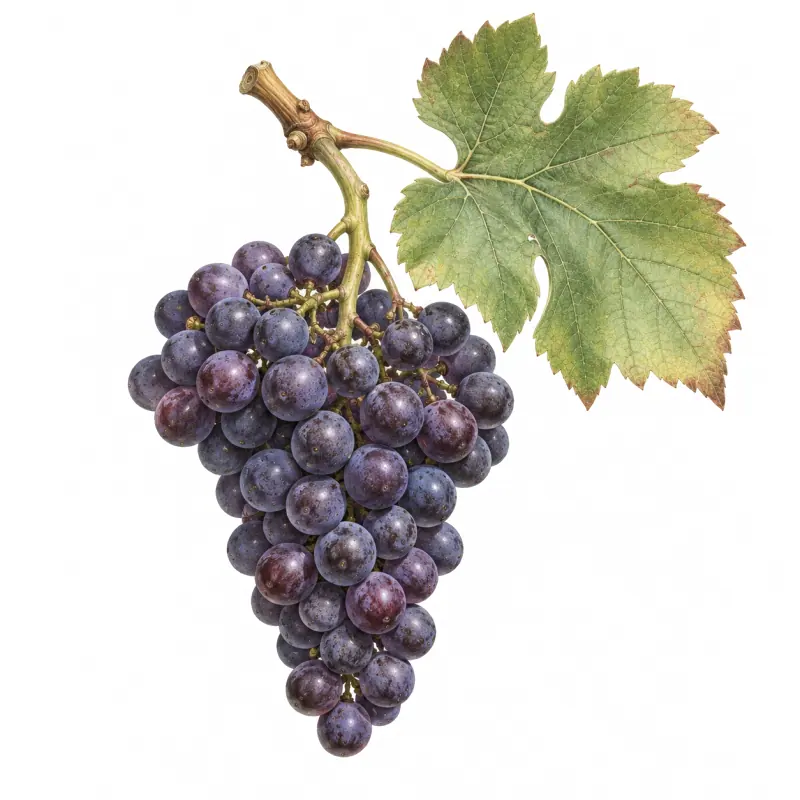
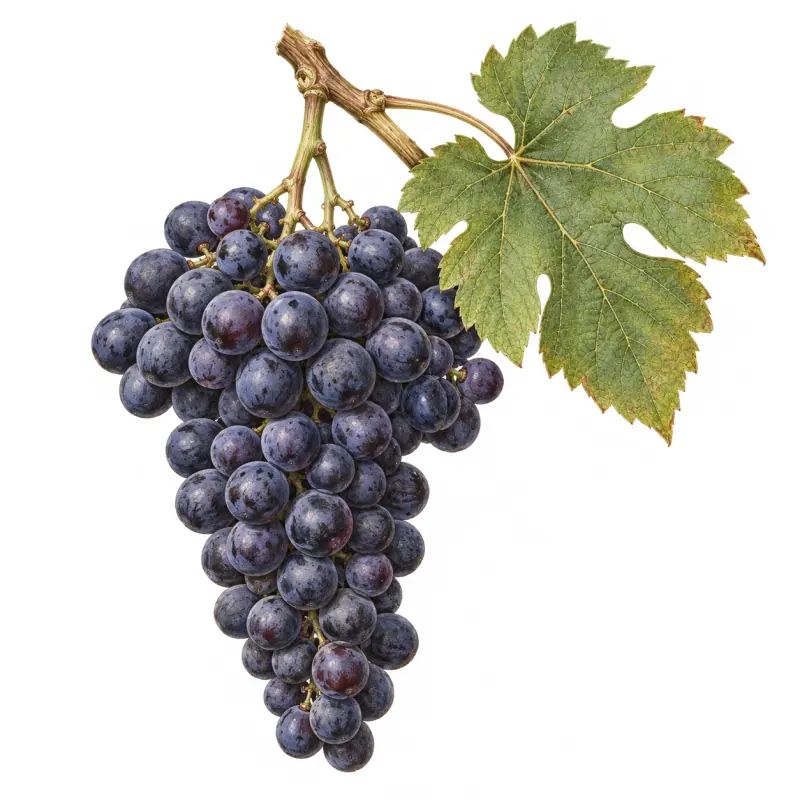
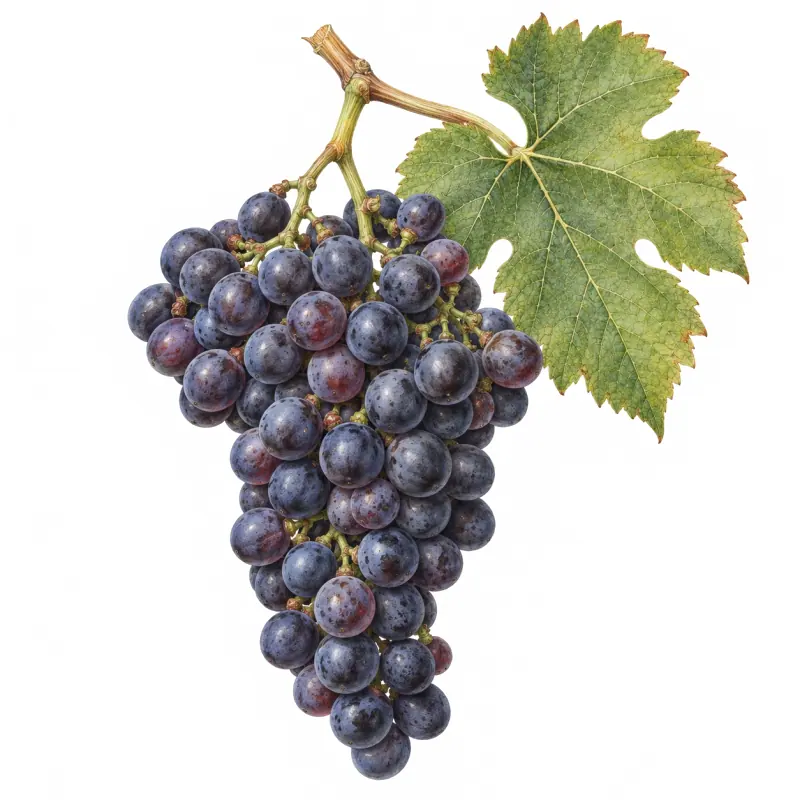
Saumur-Champigny is a red-wine appellation from seven communes on the chalk cuesta beside the Loire, south-east of Saumur. Cabernet Franc is the principal grape, with Cabernet-Sauvignon and Pineau d'Aunis together limited to 15%. The specification describes fresh, round, supple reds with red fruit or violet.
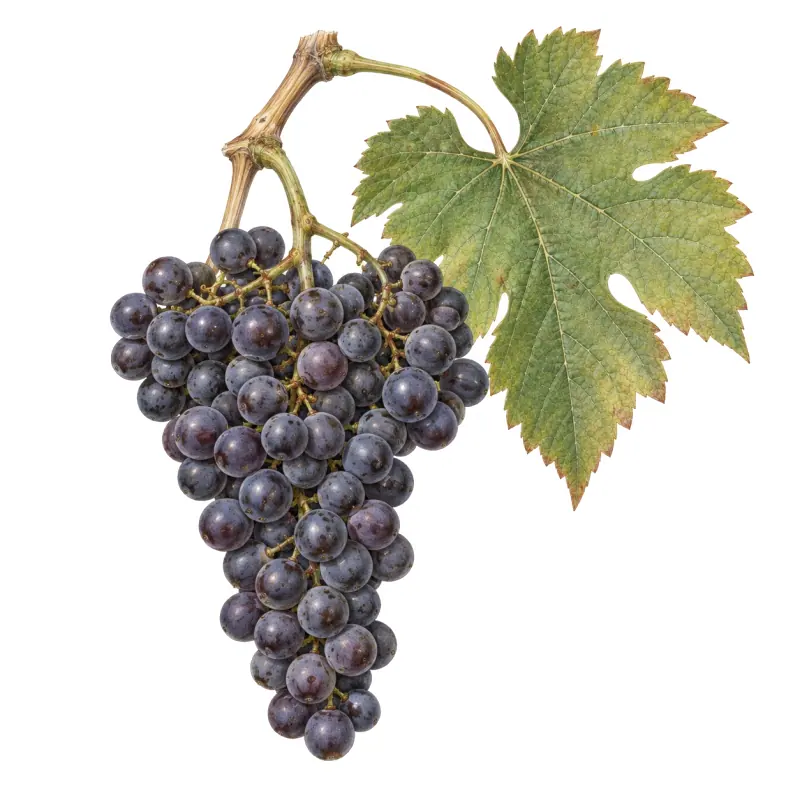
Monks, a cardinal and Antoine Cristal
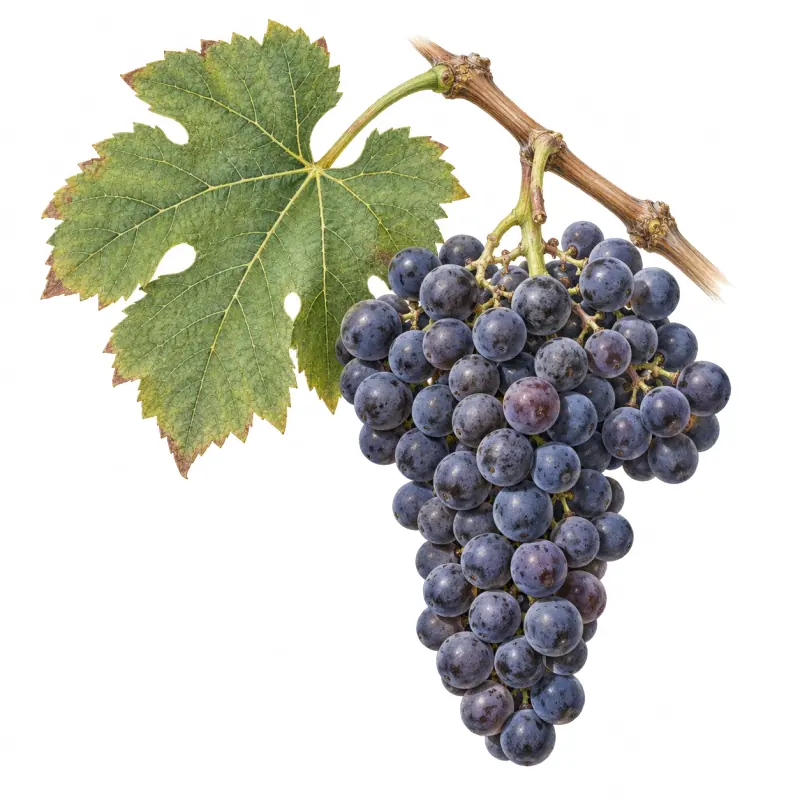
The specification dates the vineyard to 1066, when monks of Saint-Florent cleared the Bois Doré slope above the Loire from Saumur to Montsoreau. Then called Coteaux de Saumur, it was known for white wine; red wine appeared in the early seventeenth century. The specification says that around 1630 Cardinal Richelieu sent several thousand Cabernet Franc vines from the Bordeaux region to his steward in Touraine for Chinon, Bourgueil and Saumur, but it thinks the grape arrived earlier through the port of Nantes, hence the local name Breton. Plantings spread in the eighteenth century. In 1861 Guillory named Souzay, Champigny and Dampierre as the left bank's best red crus, though reds were still far fewer than whites.
Antoine Cristal of Parnay developed Cabernet Franc in the late nineteenth century, and the appellation grew from the 1960s. A cooperative founded in 1957 opened markets. The specification gives 22 November 1999 as the date of the initial decree.
A red-wine area on tuffeau
The vineyard belongs to the old province of Anjou, where the south-western edge of the Paris Basin meets the Armorican Massif; its whitish chalk soils are why the Saumurois was called Anjou blanc. The Loire bounds it to the north, and the Thouet and its tributary the Dive have cut slopes of varied exposure at 40 to 110 m. The seven communes, all within the Saumur zone, lie on the Turonian cuesta and the formations above it. Oak and chestnut woods cap the hills, and ventilation shafts rise among the vines from quarries later used for mushrooms or cellars. Delimited parcels are on Turonian rendzinas and brown calcareous soils, locally under Senonian or Eocene sands and clays, with moderate water reserves and no waterlogging.
The oceanic climate is tempered by a foehn effect from the Mauges: 550–600 mm of rain against more than 800 mm on the Mauges, and a mean of about 12 °C.
Fruit and structure
The specification links a relatively warm, dry climate and chalky soils, which drain well while giving a regular, moderate water supply, to Cabernet Franc on the best-exposed slopes, where grapes ripen early and stay well ventilated. It describes very pleasant reds, often dark ruby, with red fruit or violet, fresh, round and supple, attractive young and after a few years. InterLoire describes red and dark fruit, fine tannins and freshness, with more structured cuvées that benefit from time. These are typical descriptions, not compulsory aromas in every bottle.
Red only
Saumur-Champigny is reserved for still red wine. The principal grape is Cabernet Franc; Cabernet-Sauvignon and Pineau d'Aunis together may not exceed 15% of plantings. The base yield is 57 hl/ha. The zone comprises Montsoreau, Parnay, Souzay-Champigny, Turquant, Varrains, part of Saumur (the former communes of Saumur and Dampierre-sur-Loire) and part of Bellevigne-les-Châteaux (Chacé and Saint-Cyr-en-Bourg). Average production was 70,000 hl in 2009, and the specification reports exports to more than 40 countries.
It is a particular area within the wider Saumur landscape, not a name for every red wine made around the town. The proposed derivation of Champigny from a Latin "field of fire" is uncertain.
How it connects
Wine region
- in Loire Valley
Grape variety
- grows Cabernet Franc
- grows Cabernet Sauvignon
- grows Pineau d'Aunis