Wine · Wine region · Short entry
Saumur
Saumur
Saumur is an appellation on the tuffeau chalk south of the Loire around the town of Saumur, the "Anjou blanc". It makes dry Chenin whites, Cabernet Franc reds and rosés, and white and rosé sparkling wines fermented a second time in bottle. Puy-Notre-Dame is a complementary name for structured reds from clay-limestone slopes.
Wines for the sea and wines for Paris
The Saumur area belonged to the Gaulish Andegavi, and Candes-Saint-Martin marked their Gallo-Roman border with the Turones of Touraine. Until the middle of the Middle Ages its vineyard followed the history of the counts of Anjou; InterLoire records Saumur as a wine-trading centre by the twelfth century. Dutch brokers made its Chenin known abroad from the sixteenth century, separating keeping wines "for the sea" from wines for Paris. The vineyard spread south-west towards Montreuil-Bellay and Doué-la-Fontaine, helped by navigation on the Thouet and the Dive.
Cabernet Franc, locally called Breton, brought the first reds and rosés, and the nineteenth-century grower Antoine Cristal promoted it. Jean-Baptiste Ackerman developed bottle-fermented sparkling wine early in the nineteenth century. The vineyard covered 10,500 ha in 1827. Syndicates founded in 1910 and 1911 worked for the AOC, recognised in 1936.
Chalk hills beside the Loire
The appellation lies at the south-western edge of the Paris Basin, where Mesozoic and Cenozoic rocks cover the Armorican basement. The Loire bounds it to the north, and the Thouet and its tributary the Dive have carved slopes of varied exposure at 40 to 110 m. The specification names four sectors: the Turonian cuesta in the north, the Jurassic plateau around Brossay in the west, eroded Cretaceous country with outlying hills such as Puy-Notre-Dame in the south-west, and the Dive slopes in Vienne in the east. Delimited parcels lie on Turonian rendzinas and brown calcareous soils, locally capped by Senonian or Eocene sands and clays; they warm well, hold moderate water and do not waterlog.
The climate is oceanic, but the Mauges hills cast a foehn effect: 550–600 mm of rain against more than 800 mm on the Mauges. The mean is about 12 °C. InterLoire notes that inland parcels are more continental.
What the place gives the wine
The specification links shallow, quickly warming soils on chalk to ripe grapes and aromatic wines. Whites are dry, pale yellow with green tints, with fruit and white-flower aromas and a fresh mouth. Rosés are pale, light and fruity. Reds are ruby, with strawberry, raspberry and cherry, sometimes spicy or smoky notes, and silky tannins; pleasant young, they can age a few years. Puy-Notre-Dame reds, from clay-limestone slopes, have deeper colour, very ripe or black fruit and firm structure. Rosés come from deeper, slower-warming soils, which keeps them fresh and light. Cool cellars dug in the tuffeau suit red-wine ageing and sparkling wine.
Still wines and fine bubbles
Saumur covers still whites, rosés and reds and white and rosé sparkling wines. Still whites are Chenin only. Reds are mainly Cabernet Franc, with Cabernet-Sauvignon and Pineau d'Aunis together up to 30%; rosés are the two Cabernets. Sparkling wine may use Chenin, Chardonnay, Sauvignon Blanc, the Cabernets, Gamay, Grolleau, Grolleau Gris, Pineau d'Aunis and Pinot Noir, and spends at least 9 months on the lees after its second fermentation in bottle. In 2009 sparkling Saumur amounted to 100,000 hl.
Puy-Notre-Dame, recognised in 2007, is for reds only, with at least 85% Cabernet Franc, and ages until at least 1 June after the harvest. Base yields are 60 hl/ha for whites, 57 for reds and rosés, 67 for sparkling wine and 50 for Puy-Notre-Dame. Saumur-Champigny is a separate red appellation.
How it connects
Wine region
- in Loire Valley
Grape variety
- grows Chenin
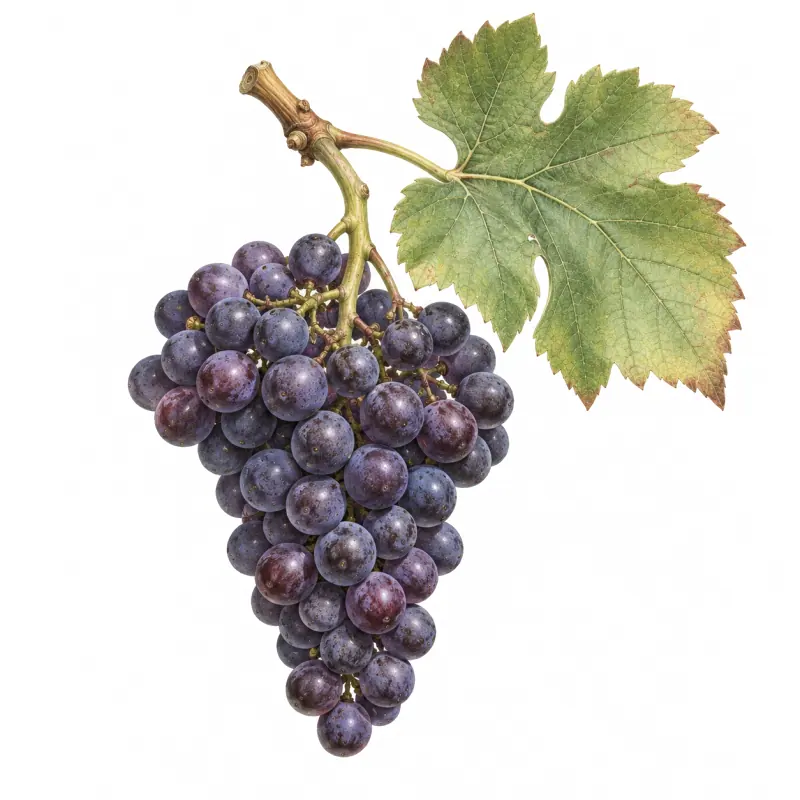
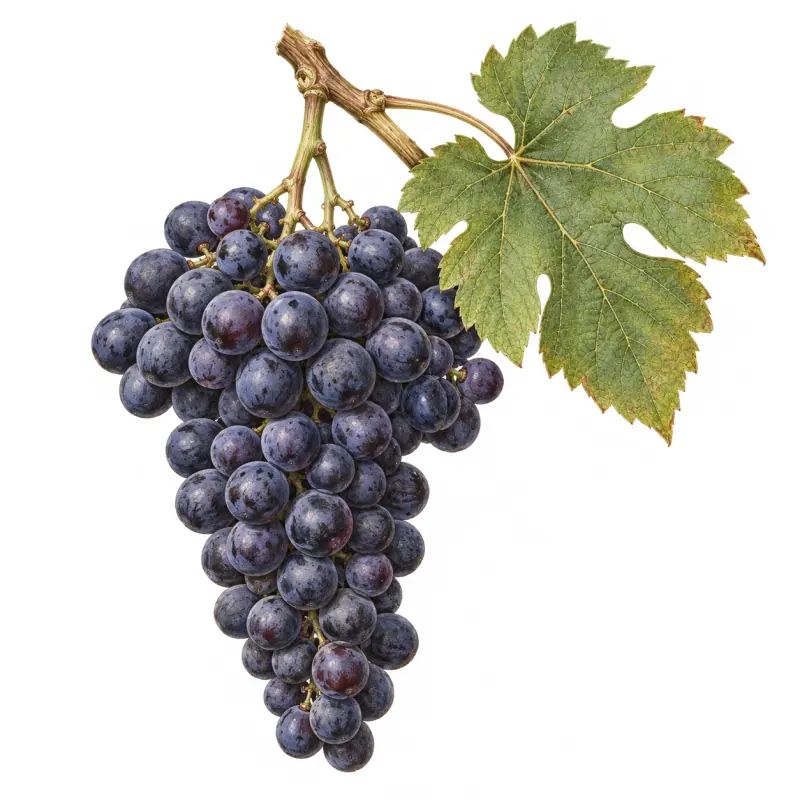
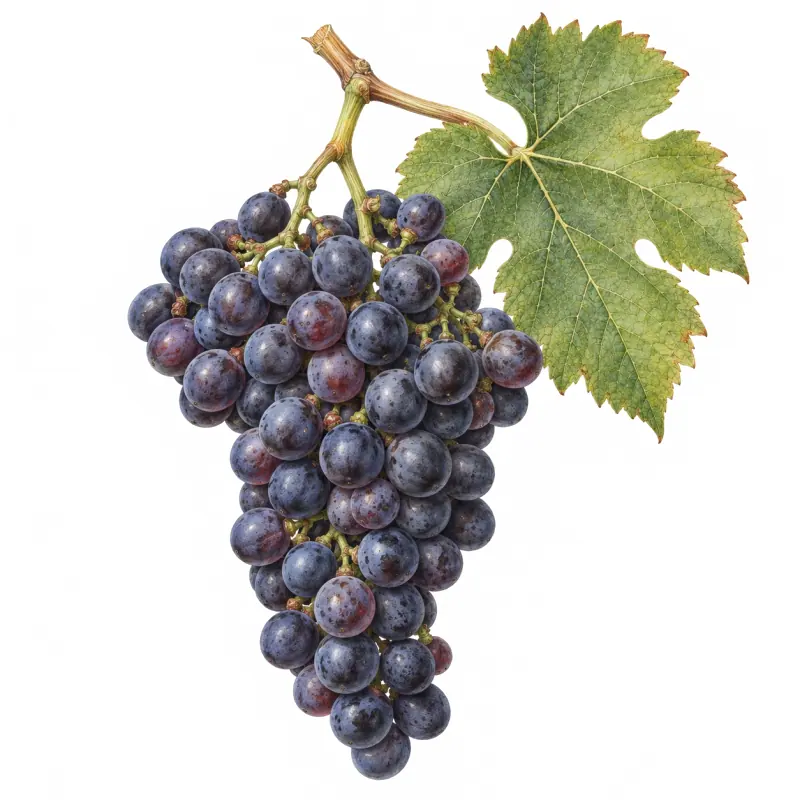
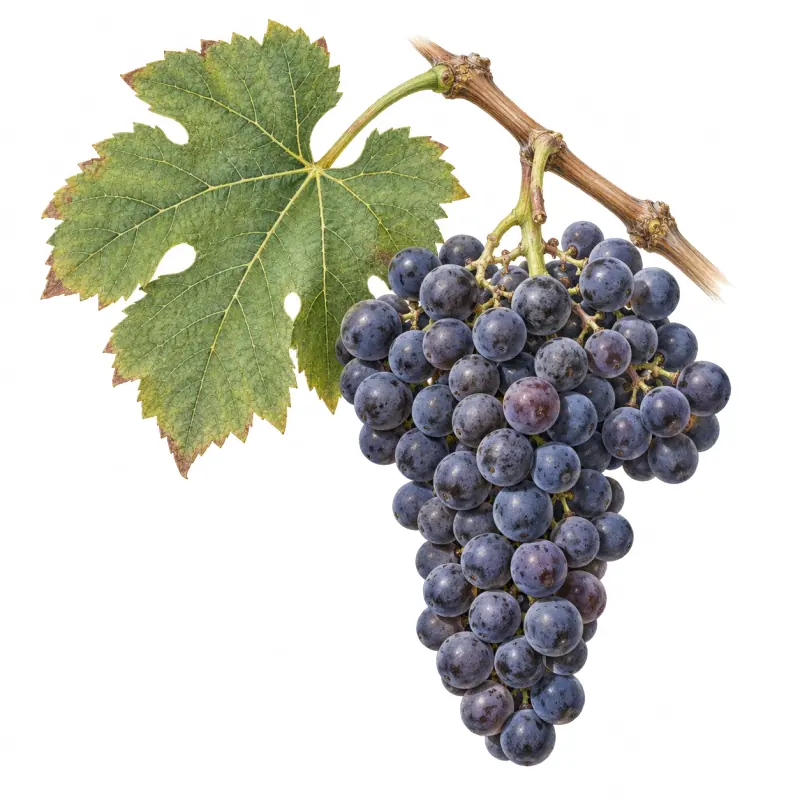
- grows Cabernet Franc