Wine · Wine region · Short entry
Saint-Nicolas-de-Bourgueil
Saint-Nicolas-de-Bourgueil
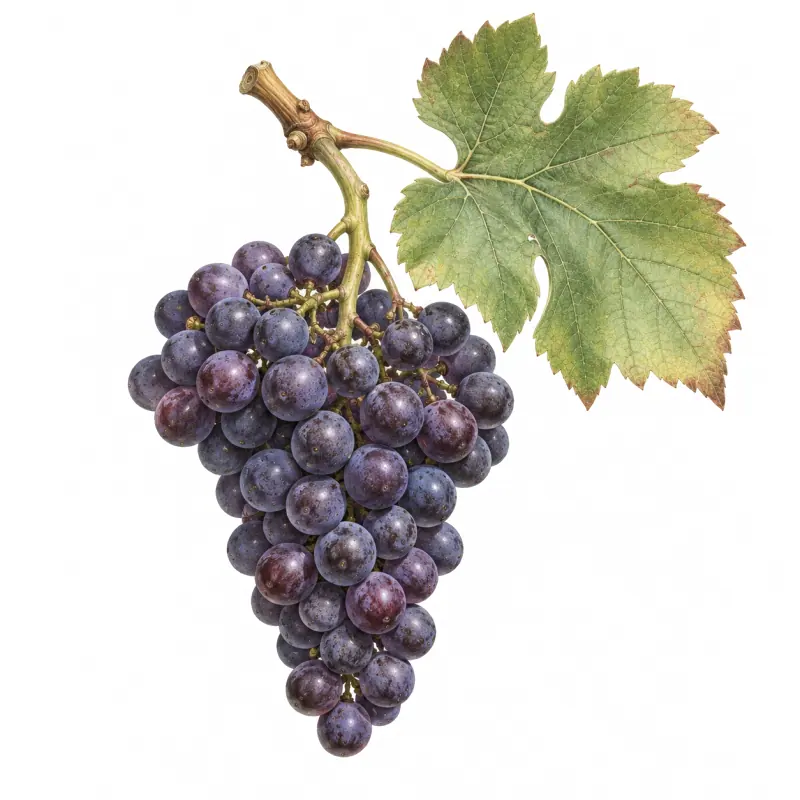
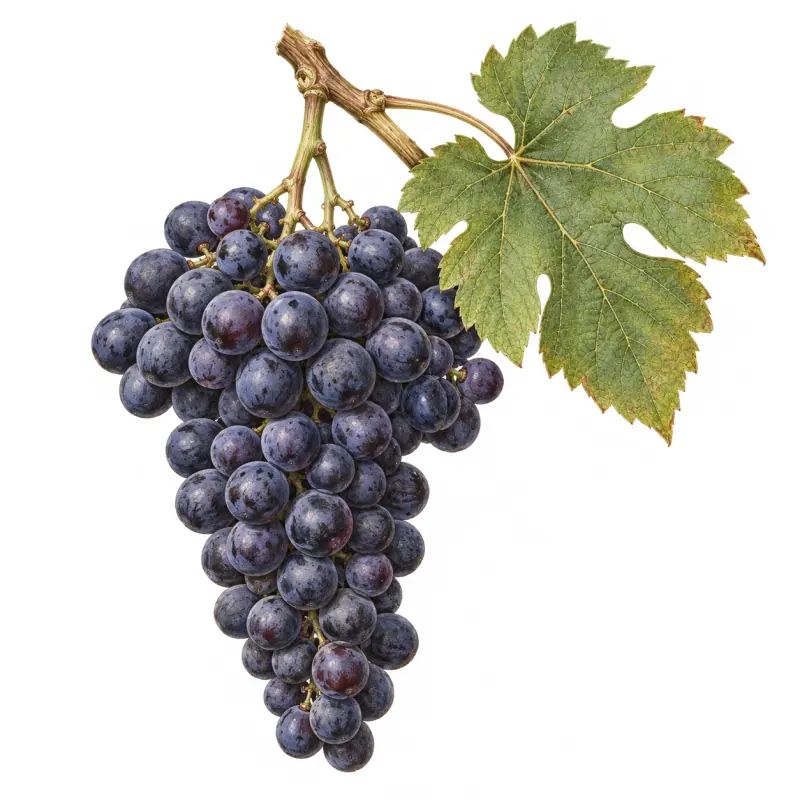
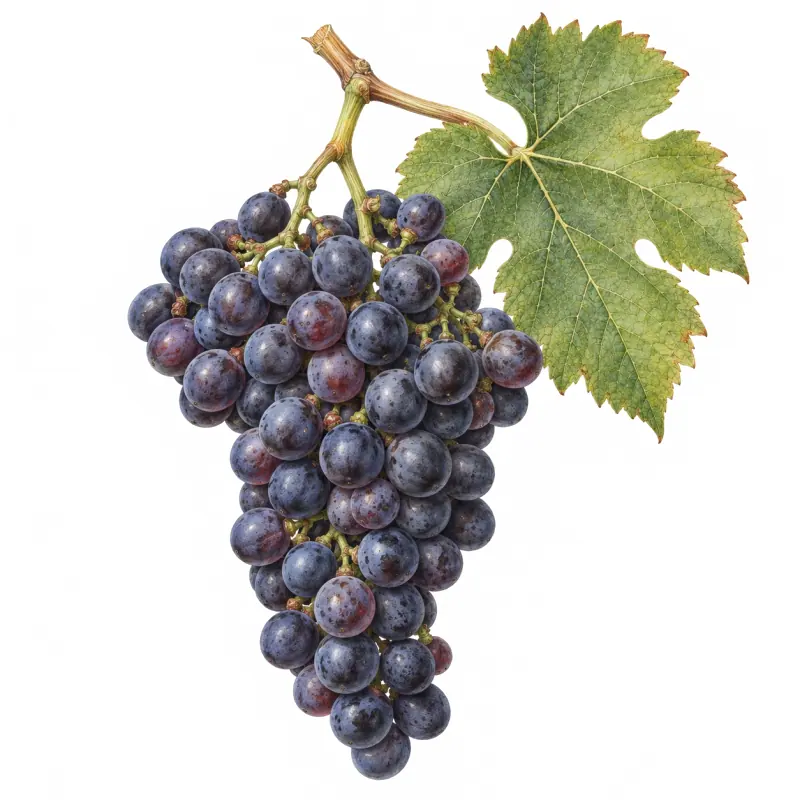
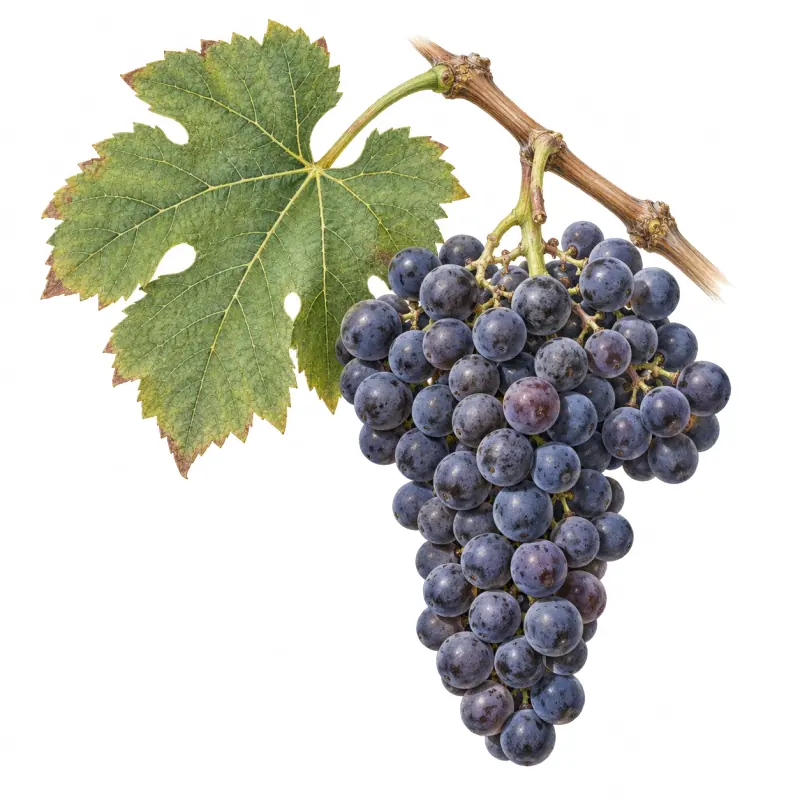
Saint-Nicolas-de-Bourgueil is a red and rosé appellation whose zone is the single commune of that name, at the north-western tip of Touraine on the Loire's right bank. Most vines grow on sandy-gravel terraces and a large alluvial mound; a few stand on tuffeau and clay-flint at the foot of the slope. Cabernet Franc is the principal grape.
The light wine of the sands
The specification ties the vineyard to Bourgueil abbey, founded in 990, which gives its first written traces; in 1189 Abbot Baudry praised the wine of the abbey's clos. Over the centuries vines spread across the area, onto the slopes and the old Loire terraces. Cabernet Franc, which the specification says came from the Bordeaux region, very likely arrived by river during the political union of Anjou and Aquitaine in the eleventh and twelfth centuries. "Saint-Nicolas" then meant the light wine from the commune's many sandy alluvial plots. Wines went towards the sea and, from the seventeenth century, to Flanders.
The vineyard resisted phylloxera well on its terraces, and lost parts were quickly replanted with Cabernet Franc. The AOC dates from 31 July 1937. In 2009 nearly 1,100 ha were farmed by 125 growers, making about 57,000 hl.
One village, several soils
The vineyard spreads over an old Loire terrace and the foot of the slope behind it, facing south and open to the valley, with a large forest above it to the north. The zone is the commune's territory, a few kilometres upstream of the confluence of the Vienne and the Loire. Most delimited soils lie in the valley, on the old alluvial terrace and on a large montille, a mound of modern alluvium in the flood bed. These are very free-draining, sandy-gravel and more or less stony soils with a low water reserve. At the foot of the slope are some clay-limestone soils from Turonian tuffeau and clay-flint soils from Senonian formations, sometimes, InterLoire adds, under clay or windblown sand.
The low-lying zone has an oceanic climate with marked maritime influence, warmer and drier than the rest of the region and with low relative humidity. Mild springs bring early budbreak.
Elegant and supple
The specification links open exposure to maritime influence, a climate milder and drier than in eastern Loire vineyards, and quickly warming sandy-gravel soils to an early growing cycle. With strict rules on yield and canopy height, this favours an elegant, original expression of Cabernet Franc. Reds range from ruby to garnet and are elegant and supple, with red and black fruit; some richer wines gain complexity over a few years. Rosés are fresh and fairly intense, with red and white fruit and sometimes citrus. InterLoire describes fruit-led wines from sand and gravel and more powerful ones from tuffeau sites.
Related to Bourgueil, separately named
Saint-Nicolas-de-Bourgueil is reserved for still red and rosé wines. The principal grape is Cabernet Franc, with Cabernet-Sauvignon limited to 10% of plantings; Cabernet Franc clones 210, 211 and 212 may not be planted. The base yield is 58 hl/ha. Reds make more than 95% of volume and rosés the rest. The shared abbey history does not make it the same appellation as Bourgueil: each has its own name, area and rules, and vintage and producer choices matter alongside the soil distinction.
How it connects
Wine region
- in Loire Valley
Grape variety
- grows Cabernet Franc