Wine · Wine region · Short entry
Bourgueil
Bourgueil
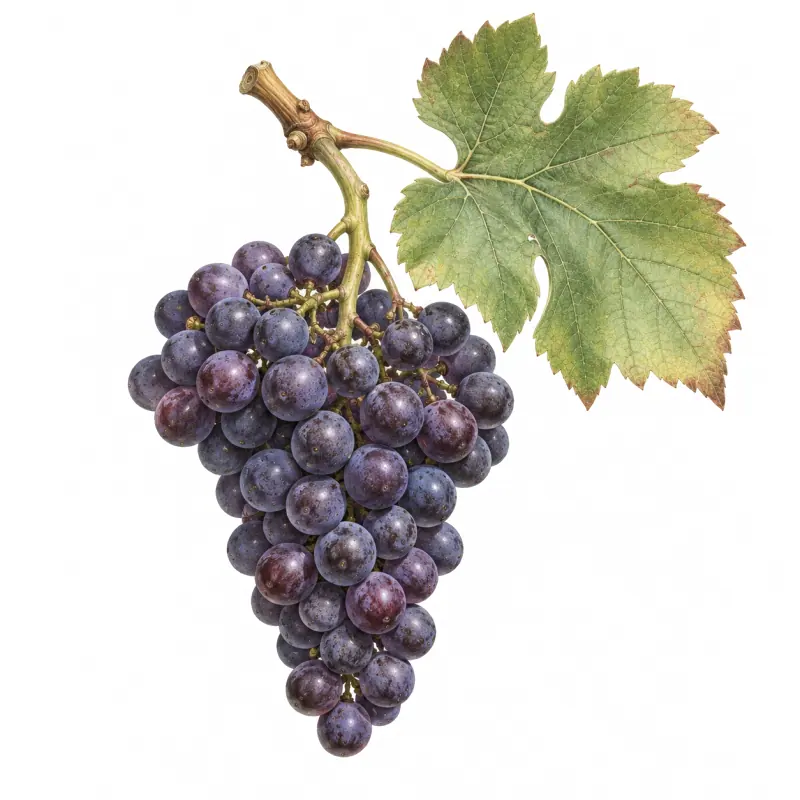
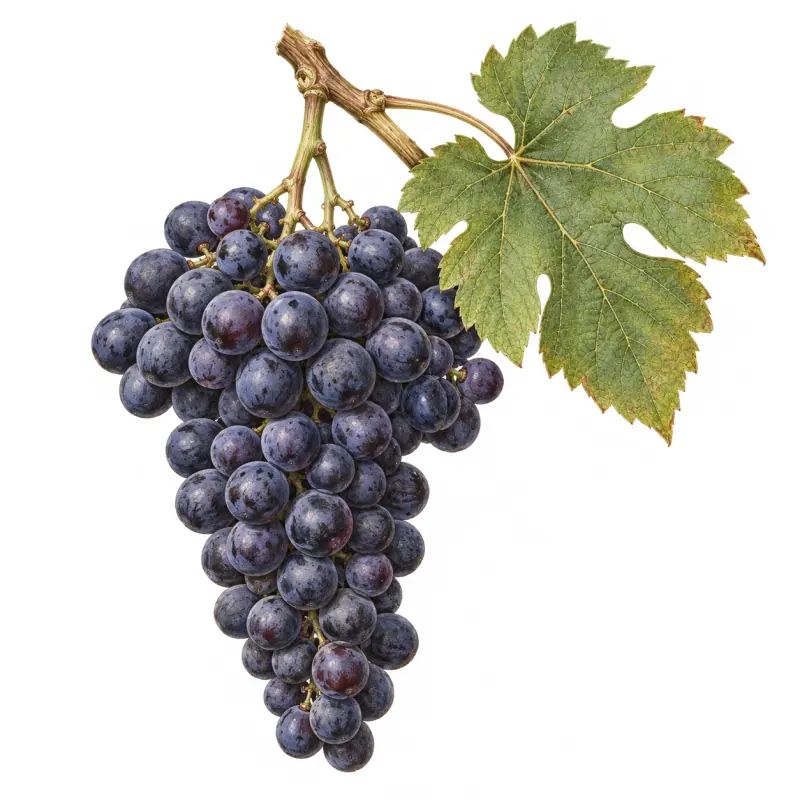
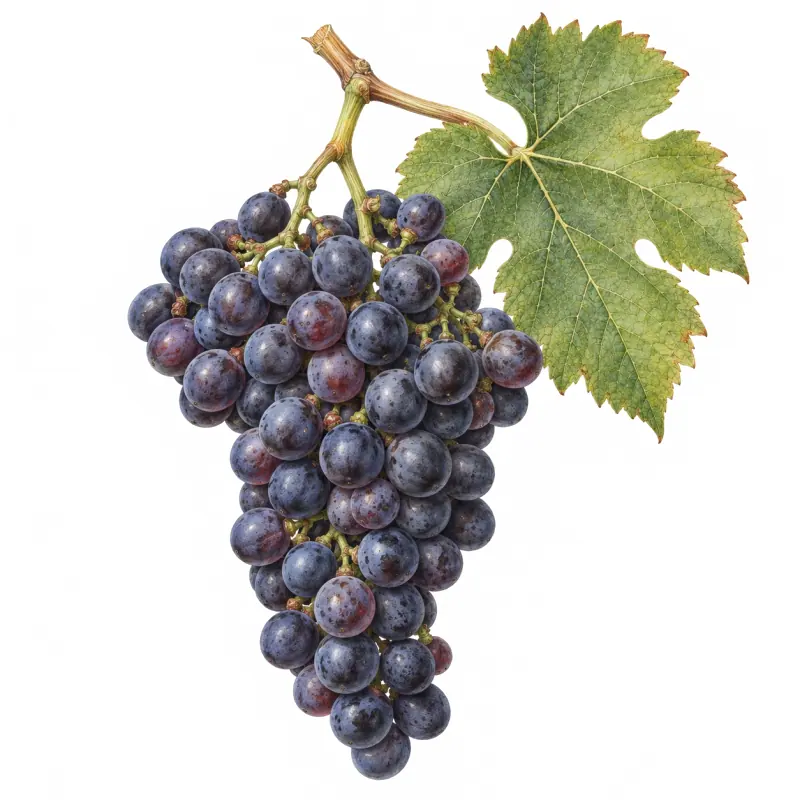
Bourgueil lies on the right bank of the Loire west of Tours, a few kilometres upstream of the Vienne confluence. Cabernet Franc, locally called Breton, makes its reds and rosés; reds are about 95% of volume. A wooded, south-facing chalk slope stands above gravel terraces and low alluvial mounds called montilles.
A vineyard beyond the abbey walls
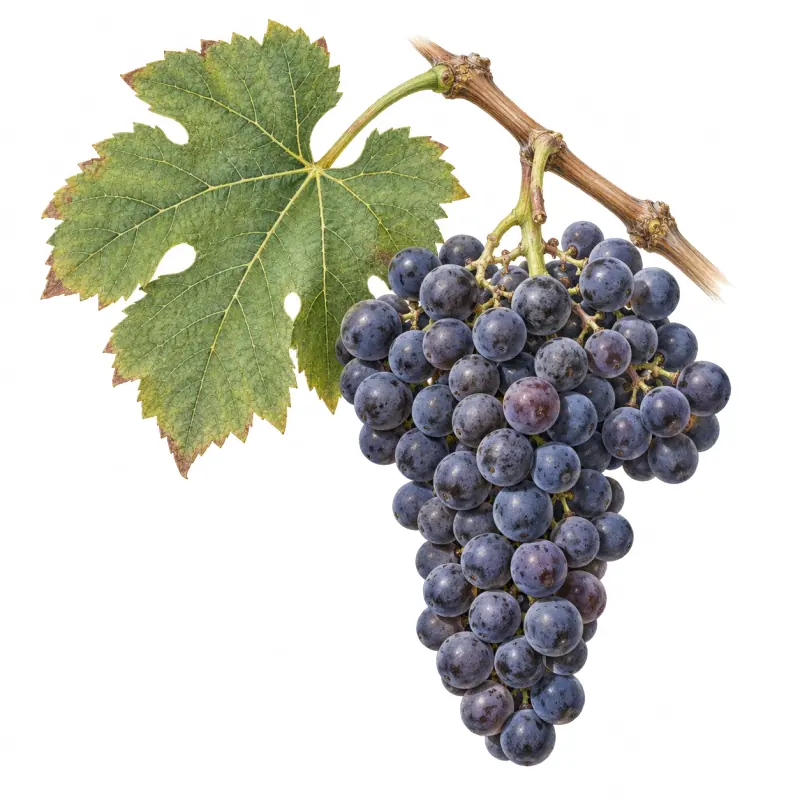
The specification ties the vineyard's origin to Bourgueil abbey, founded in 990, which left the first written records. In 1189 Abbot Baudry praised the charms of his monastery and its wine, and the abbey archives mention the wine's subtle, fruity scent from the eleventh century. Over the centuries vines spread beyond the abbey walls onto the slopes and old Loire terraces. Cabernet Franc very likely arrived by river, encouraged by the political union of Anjou and Aquitaine in the eleventh and twelfth centuries. Loire trade carried fine wines towards the sea and, from the seventeenth century, to Flanders.
Phylloxera spread slowly in the sandy terraces, and growers replanted quickly with grafted Cabernet Franc alone. The AOC dates from 31 July 1937. Market gardening and seed and liquorice growing, once important, have given way to vines: 1,400 ha and 180 growers in 2009.
Gravel below, limestone above
The zone lies north of the Loire at the north-western tip of Touraine, between the Gâtine forest to the north and the river to the south. One-third rests on a large slope facing broadly south and capped by forest; two-thirds on terraces and low mounds at its foot called montilles. The Changeon valley cuts the slope and divides Bourgueil from Benais. At the bottom of the slope brown calcareous soils form on micaceous glauconitic Turonian chalk or yellow tuffeau; mid-slope, clay-flint soils come from Senonian clay-sand formations. Below, the old alluvial terraces and the montilles, made of modern alluvium in the flood bed, carry free-draining, more or less stony sandy-gravel soils.
The zone covers eight communes. Minimum, mean and maximum temperatures are about 1 °C higher, and annual rain about 75 mm lower, than in Touraine as a whole.
Wines of the gravels and wines of the slopes
The specification links free-draining sandy-gravel soils to fruity wines with fine, supple tannins, which sell from the year of harvest, and the Turonian slope to richer reds with firm tannic structure. Producers blend wines from the different settings. Reds are elegant, dark ruby to deep garnet, with red and black fruit and present but rounded tannins; richer wines gain cocoa, smoky or spicy notes after a few years. Rosés have fresh, fairly intense red- and white-fruit aromas, sometimes with citrus or pepper. InterLoire draws the same contrast between supple gravel wines and more structured slope wines. It is a guide, not a guarantee for every bottle.
Breton, the local Cabernet Franc
Bourgueil is reserved for still red and rosé wines. The principal grape is Cabernet Franc, locally called Breton, with Cabernet-Sauvignon limited to 10% of plantings; Cabernet Franc clones 210, 211 and 212 may not be planted. The specification links the clone ban and short pruning to control of vigour. The base yield is 55 hl/ha. Reds made nearly 95% of the 73,000 hl produced in 2009; rosé is part of Bourgueil's production, not a separate grape identity. Neighbouring Saint-Nicolas-de-Bourgueil is a separate appellation with its own delimited area.
How it connects
Wine region
- in Loire Valley
Grape variety
- grows Cabernet Franc