Wine · Wine region · Short entry
Saint-Joseph
Saint-Joseph
Saint-Joseph runs for about 60 km along the Rhône's right bank between Condrieu and Saint-Péray, across 23 Ardèche and three Loire communes. Syrah reds are about 90% of production, and the whites come mainly from Marsanne. The name comes from a vineyard lieu-dit in Tournon.
The wines of Tournon and Mauves
Vines have grown here at least since the Roman period. In the Middle Ages the wines were known as wines of Tournon or Mauves. In 1312 the right bank passed to the French kingdom while the left bank stayed in the Empire, cutting Tournon off from the Dauphiné, and a Burgundian ordinance of 1446 barred wines from Tournon. Even so the court of Francis I bought "vins de Tournon", and in 1533 the cardinal of Tournon asked for them in Rome. An edict of 1776 freed trade within the kingdom, and Victor Hugo mentions the wines of Mauves in Les Misérables (1862). From 1937 the communes were part of Côtes du Rhône; the Saint-Joseph AOC came by decree on 15 June 1956 for six communes around Tournon, and 20 more were added in 1969. The name, used for wines of Mauves and Tournon by the Jesuits of Tournon from the seventeenth century, is a lieu-dit of Tournon.
Sixty kilometres of slopes
The vineyard stretches about 60 km north to south above the right bank, between Saint-Péray and Condrieu, on the eastern edge of the Massif Central. The bedrock is mostly Primary, with islands of Secondary rock in the south at Châteaubourg and Guilherand-Granges and scattered Quaternary deposits. Granite sand and sandy-clay soils dominate, with some soils on gneiss and mica schist, local limestone scree, and recent soils on alluvial sand, gravel or loess. Much of the vineyard stands on terraces on steep slopes, held by walls called cheys. The climate is continental, "Lyonnais", with the last Mediterranean influences. The cold, dry Bise dries the leaves but can keep temperatures low for ripening, so growers choose sheltered sites facing south and south-east; the rarer south wind is warm and humid and often brings rain. In the 1980s vines had moved down to easier flats, and a parcel revision halved the delimited area from 6,800 to 3,400 ha to bring them back to the slopes.
Velvet tannins, honeyed whites
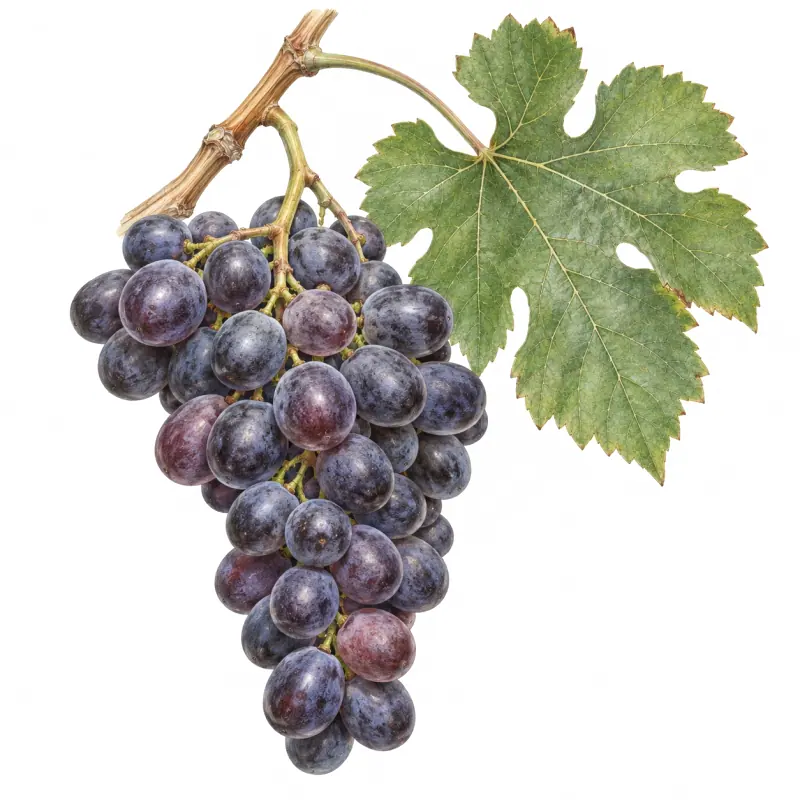
The specification describes reds of marked aromatic elegance and finesse, often with fruit, spice, liquorice or undergrowth, in which growers seek velvety tannins. Differences of soil and mesoclimate show mainly in the tannins, which are more rustic and soften more slowly on limestone soils. Syrah is planted mostly on warm, friable soils from granite, gore and mica schist. The whites, mainly Marsanne grown on the more calcareous soils, are very aromatic dry wines with notes of honey-bearing white flowers and a rich, fat palate. Inter Rhône notes pepper and dark fruit in many reds.
Rules for red and white
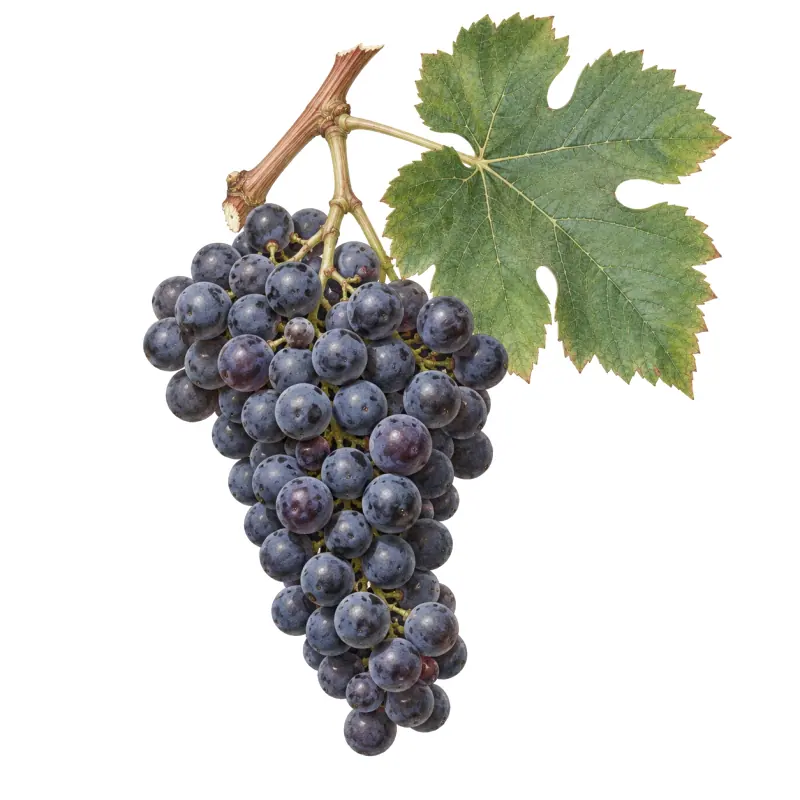
Saint-Joseph covers still red and white wine. Reds come from Syrah, at least 90% of each holding's vines, with Marsanne and Roussanne allowed only interplanted and up to 10% of the vines; Syrah clones 73, 99, 301, 381, 382 and 383 and the 110 Richter rootstock may not be used for new planting. Whites come from Marsanne and Roussanne, and Marsanne is about 95% of the white vines. The base yield is 40 hl/ha. In 2009 about 1,000 ha were planted, producing about 35,000 hl a year; in 2010 reds were 90% of production.
How it connects
Wine region
- in Rhône Valley