Wine · Wine region · Short entry
Provence
Provence
Provence wine country runs from limestone Lower Provence in the west and north to the crystalline Maures and Esterel massifs near the sea in the south-east. Its largest appellation, Côtes de Provence, covers 84 communes in the Var, the Bouches-du-Rhône and the Alpes-Maritimes, and rosé was 89% of its production in 2009. Blends of several grapes are the local rule.
From Roman ports to the crus classés
The Côtes de Provence specification dates the vineyard's real growth to Roman rule. Excavations in Toulon harbour found, in second-century layers, bundles of vine cuttings and numbered amphorae of fine wine bearing the exporter's name. Ports such as Toulon and Saint-Tropez carried the wine abroad. The name "Côtes de Provence" was first used officially in 1858 by the first association to defend the vineyard. A Var growers' association, founded in 1933, made a first attempt at appellation status in 1936; in the same years paid holidays brought tourists who drank the young rosés in summer. The Syndicat de défense des Côtes de Provence was created in 1941, ministerial orders of 1943 set a first zone, and VDQS status came in 1951. Orders of 1953 and 1955 recognised 23 estates as crus classés. The AOC followed by decree on 24 October 1977.
Five natural zones
The Côtes de Provence specification describes five zones. The crystalline Maures massif in the south and south-east is granite, gneiss and mica schist wrapped in phyllite, with vines in islands among pine and cork-oak forest. Around it, from Toulon to Saint-Raphaël, the Permian depression of red sandstone and pelite gives red or wine-coloured clay-sand soils. To the north, folded Triassic and Jurassic limestones carry marl-limestone soils, often terraced. The Beausset basin, open to the sea, has Cretaceous and Jurassic marls and sandstones, and the upper Arc basin, below Sainte-Victoire, calcareous sandstone and sandy clay. The CIVP notes garrigue on limestone and maquis on crystalline ground.
The climate has a long hot, dry season, mild winters and rainy autumns and springs: about 15 °C, 600–900 mm and more than 2,700 hours of sun a year. The Mistral weakens from west to east; humid south and south-east winds strengthen in the same direction. The CIVP adds that the Mistral can dry and cool the vineyard after rain.
Pale rosé and blended grapes
The specification describes pale rosés with fruity aromas (white fruit, citrus, exotic or red fruit) or floral ones, sometimes mineral or smoky, balanced between roundness and freshness. Reds are dark, either fruity from short maceration or, from long maceration, complex wines for keeping with black fruit, cocoa, game and spice. Whites are dry, with citrus, white flowers or honey. It sees the region as a land of blending, in which no single grape is balanced alone in this climate: Grenache and Tibouren bring alcohol and roundness, Cinsault finesse, Syrah fruit and Mourvèdre ageing capacity.
Côtes de Provence and its local names
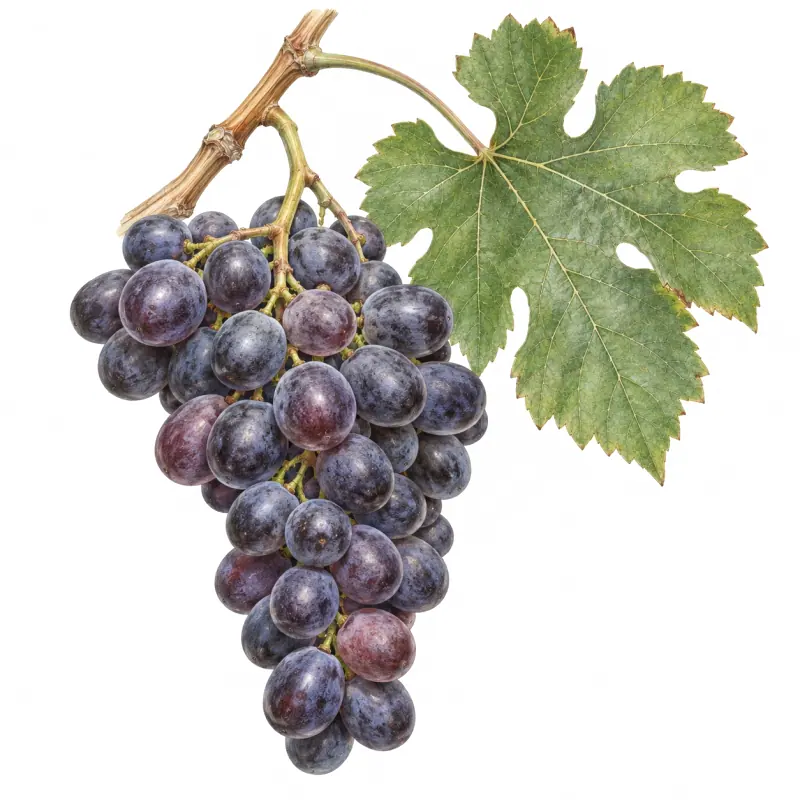
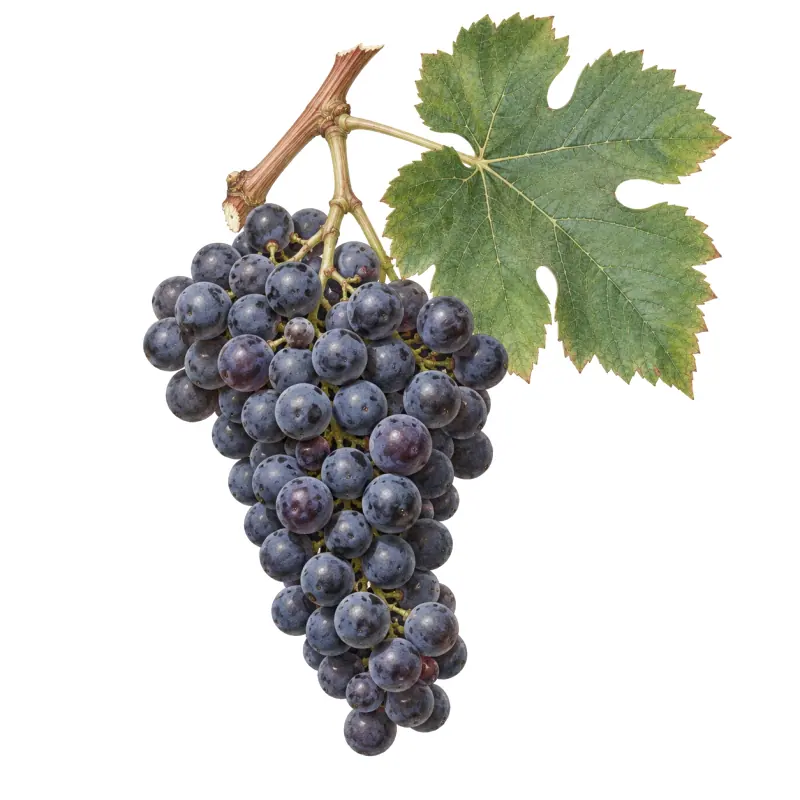
The Provence region is broader than any one appellation; names such as Bandol have their own rules. Côtes de Provence covers still red, rosé and white wine. Reds and rosés have Cinsault, Grenache, Mourvèdre, Syrah and Tibouren as principal grapes, with accessories including Cabernet-Sauvignon, Carignan, Clairette, Sémillon, Ugni Blanc and Vermentino, locally called Rolle. Whites have Clairette, Sémillon, Ugni Blanc and Vermentino as principal grapes. Five geographical names may be added: Cru Sainte-Victoire, Fréjus, Pierrefeu and Notre-Dame des Anges for red and rosé, and La Londe for all three colours. In 2009 the AOC covered more than 20,000 ha and produced more than 900,000 hl a year, shared between 39 cooperatives and 380 private cellars.
How it connects
Grape variety
- grows Cinsaut
- grows Syrah
- grows Clairette
- grows Sémillon
- grows Garnacha Tinta
- grows Monastrell
- grows Vermentino
Recipe
- pairs with Bouillabaisse
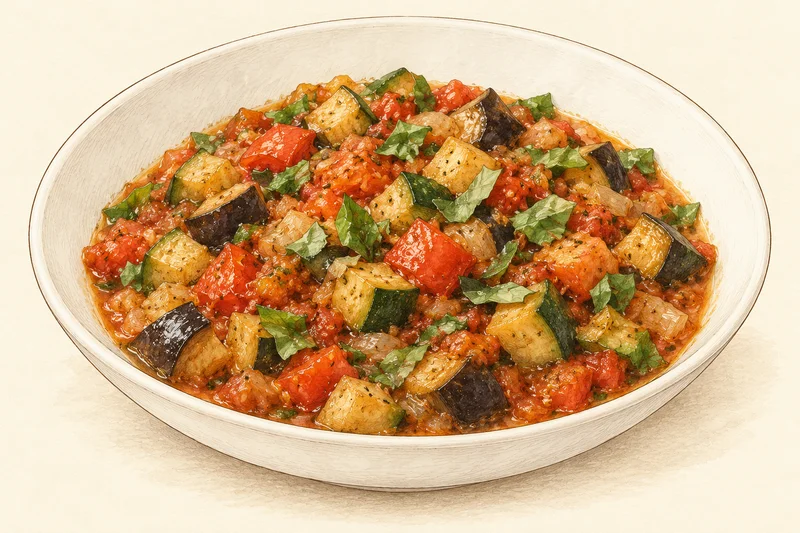
- origin Ratatouille
Wine region
- in Bandol