
Wine · Wine region · Short entry
Bandol
Bandol
Bandol occupies terraced hills around a coastal amphitheatre in eight communes of the Var. Mourvèdre must make up 50–95% of its red wines, which age at least 18 months in wood, and at least 20% of its rosés; Clairette leads its whites. The AOC dates from 1941.
Barrels marked B
The specification says Phocaeans landed on this sheltered coast in the fourth century BC and founded a colony, "Terroeis", which became "Torrentum" under Rome. Many estates stand on Roman villas with amphora kilns and wine presses. Later records range from ordinances on the transport of grapes and wine (1363) to planting exemptions granted for the quality of the wine (1731). In 1827 Tolozan wrote that Mourvèdre "makes the essence of the wines of Bandol". Ships waited offshore in the bay to load barrels branded with the letter B; a council record of 1818 counts more than 6,000 hl leaving the port for Italy, northern Europe and America. After phylloxera the vineyard was quickly replanted on its terraces with Mourvèdre, and the AOC was recognised on 11 November 1941.
An amphitheatre facing the sea
The eight communes lie in a wide amphitheatre of hills, shaped by erosion and tectonics in sedimentary, carbonate and reef rocks, closed to the north and open to the Mediterranean through the gulf of Bandol. The specification calls it protected from the Mistral, with about 3,000 hours of sunshine and 650 mm of rain a year; the sea tempers summer heat and keeps the nights slightly humid. The ODG's own terroir page describes the Mistral as a drying influence after rain. The most typical soils are thin and whitish, poor in organic matter, sometimes siliceous, very stony and well drained, on marl and limestone. To hold the soil and clear the stones, generations of growers built dry-stone terraces, the restanques, and sea and land breezes keep the air moving.
Mourvèdre's niche
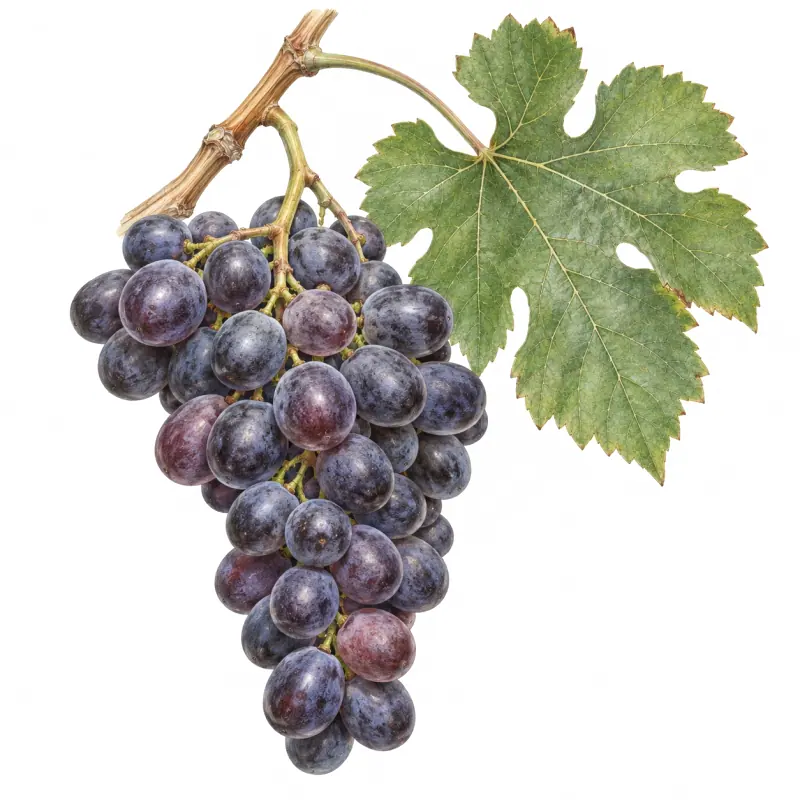
The specification calls this setting the favourite niche of Mourvèdre, a late-ripening black grape that here reaches full ripeness. The reds, made at low yields and aged in wood, often in large casks, are powerful, firmly built, tannic and long-lived. Mourvèdre also gives the pale rosés more structure and tannin than other Provence rosés, so they need longer to open but keep longer. Whites, mainly from Clairette, are pale straw with floral aromas. Records of 1866 already describe dark, strong Bandol wines that kept well and improved at sea.
Three colours around Mourvèdre
Bandol covers still red, rosé and white wine from Bandol, Le Beausset, La Cadière-d'Azur, Le Castellet, Evenos, Ollioules, Sanary-sur-Mer and Saint-Cyr-sur-Mer. Reds have Cinsault, Grenache and Mourvèdre as principal grapes, with Mourvèdre at 50–95%, and Carignan and Syrah as accessories, each up to 10%. Rosés use the same principal grapes with 20–95% Mourvèdre and small amounts of white grapes allowed. Whites have Bourboulenc, Clairette (30–95%) and Ugni Blanc as principal grapes, with Marsanne, Sauvignon, Sémillon and Vermentino as accessories. Varieties of interest for adaptation to climate change, such as Xinomavro, Agiorgitiko and Assyrtiko, are allowed up to 5% under contract. The base yield is 40 hl/ha, and reds spend 18 months in wood. In 2009 the vineyard covered 1,580 ha and produced 50,000 hl, from three cooperatives and 54 estates.
How it connects
Wine region
- in Provence
Grape variety
- grows Cinsaut
- grows Clairette
- grows Bourboulenc
- grows Monastrell
- grows Garnacha Tinta
Recipe
- pairs with Bouillabaisse
Continue exploring
- CountryFrance162 entries in the atlas so far
- RecipeBouillabaisseMarseille, France
- Grape varietyBourboulencFrance
- Grape varietyCinsaut
- Grape varietyClairetteFrance
- Grape varietyGarnacha Tinta
- Grape varietyMonastrell
- Wine regionProvenceToulon, France
- RecipeCioppinoSan Francisco, United States of America
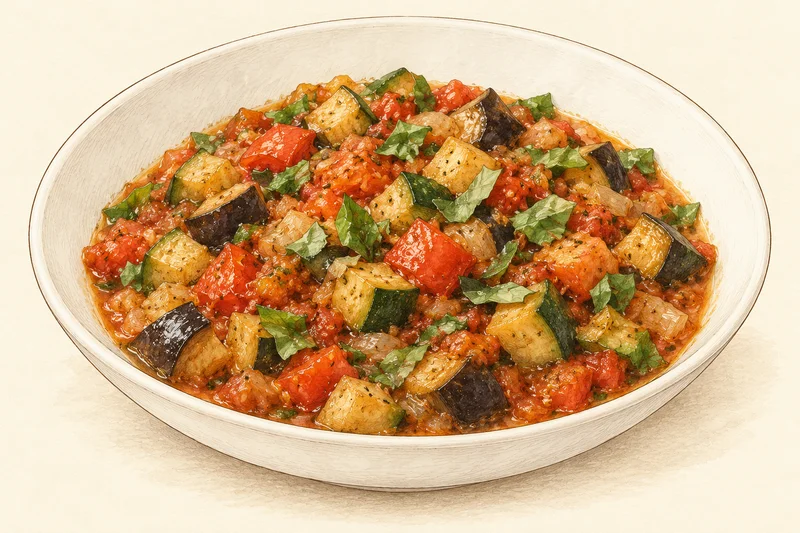 RecipeRatatouilleProvence, France