
Wine · Wine region · Short entry
Ningxia
The eastern foothills of the Helan Mountains in the Ningxia Hui Autonomous Region form an arid strip about 200 km long between the mountains' alluvial fans and the Yellow River plain, at about 1,100 m. Ningxia made its first wine in 1984 and reported about 40,133 ha of grapes and 261 wineries and growers in 2024. Its wine name, Helan Mountain East Foothills, is protected in the EU as a PGI.
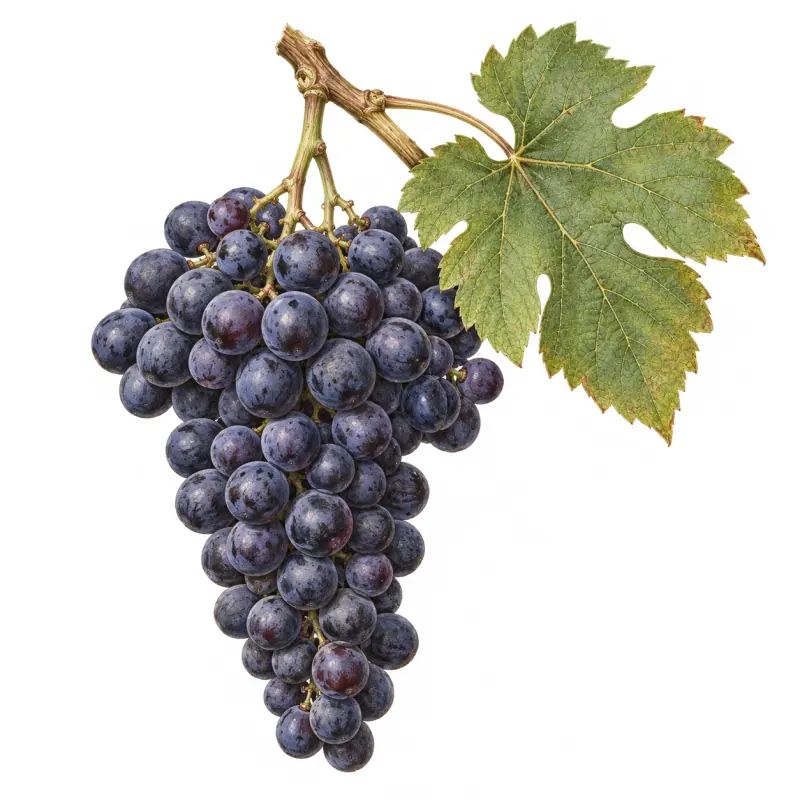
First wine in 1984, a wine fair and a GI
Xinhua, on the State Council's English website, says Ningxia produced its first bottle of wine in 1984 and is now China's largest wine-producing region. China Daily reported 550,000 mu (36,667 ha) of vineyards in 2022, a quarter of the national total; Xinhua reported 602,000 mu (about 40,133 ha) in 2024, with 261 wineries and grape-growing enterprises that made 140 million bottles in 2023.
The Helan Mountain's East Foothill international wine fair is held during the China (Ningxia) International Wine Culture and Tourism Expo in Yinchuan; its fourth edition ran from 9 to 11 August 2024 and included an exhibit for a Yinchuan sub-region. The name Helanshan Dong Lu Pu Tao Jiu was protected in the EU through the EU–China agreement published on 4 December 2020, with a protection date of 3 June 2017 in the EU register.
Between alluvial fans and the Yellow River
A 2024 study in Frontiers in Plant Science places the eastern foothills of the Helan Mountains between 37°43′ and 39°23′N and 105°45′ and 106°47′E, at 1,100–1,120 m: an open area between the Helan Mountain alluvial fan and the Yellow River alluvial plain, 2,410.7 km² in extent, about 200 km from north to south and 5–30 km wide. The climate is arid and temperate, with drought, scant rainfall, abundant sunshine and large day-night temperature differences. Soils are deep; the seven vineyards sampled were alkaline and mostly poor in nutrients, and are drip-irrigated with water from the Yellow River and meltwater from the Helan Mountains.
China Daily reports that the vines must be buried in winter and unearthed in late March as the soil thaws, and that returning cold spells in late spring can freeze the new shoots.
Sunshine, drought and Cabernet Gernischt
The Frontiers authors call the foothills one of China's premier ecological locales for wine grapes and say Cabernet Gernischt, a red variety with a distinctive herbaceous flavour, thrives in the sandy soils and tolerates drought. In their seven vineyards, berry quality correlated with soil nutrients; berry weight depended mainly on available potassium, zinc, iron and manganese. Xinhua describes the dry climate and abundant sunshine near the 38th parallel as an ideal terroir, and China Daily credits the mountains with the sunshine and wide day-night ranges.
Helan Mountain East Foothills wine
The EU register lists 贺兰山东麓葡萄酒 (Helanshan Dong Lu Pu Tao Jiu), file PGI-CN-2714, as a protected geographical indication for wine, published in Official Journal L 408I of 4 December 2020. Its specification was not opened for this atlas, so permitted grapes, yields and methods are not given. The protected origin is the eastern foothills of the Helan Mountains, not the whole autonomous region, and Ningxia's own promotion names sub-regions, such as Yinchuan. Cabernet Gernischt, which this atlas records as a synonym of Carmenère, is the variety the 2024 study names as prominent.
How it connects
Continue exploring
- CountryPeople's Republic of China14 entries in the atlas so far
- Grape varietyCarmenère
- Wine regionChinaChina (national overview), People's Republic of China
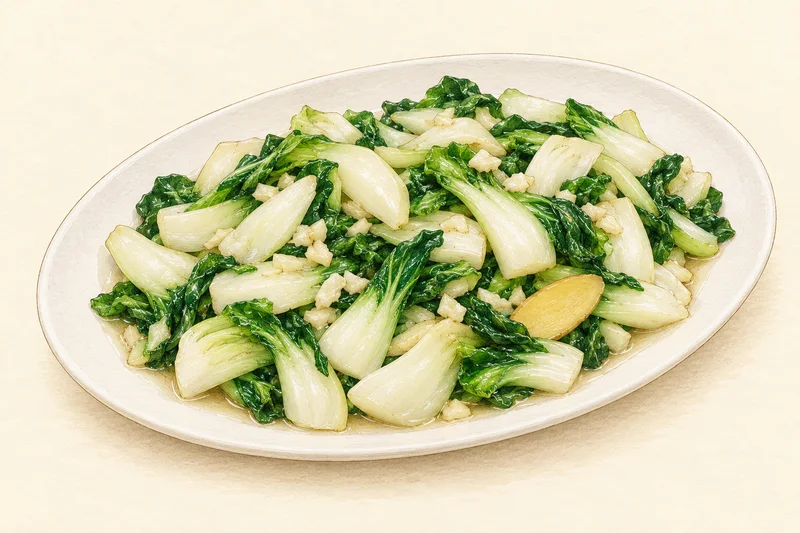 RecipeStir-fried bok choy with garlicChina, People's Republic of China
- Wine regionBordeauxBordeaux, France
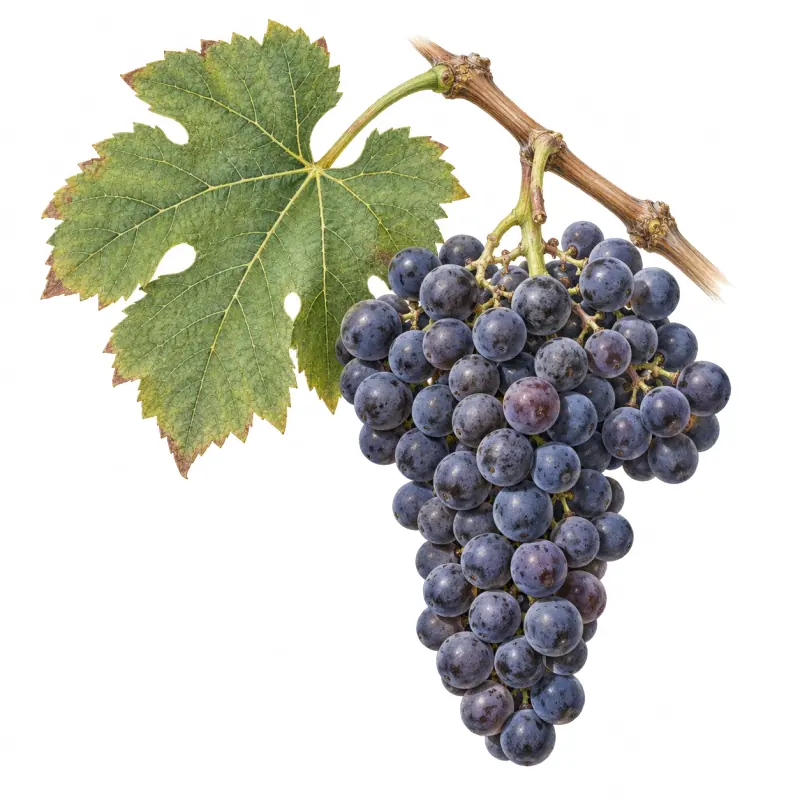 Grape varietyCabernet Franc
- Wine regionChileChile (national overview), Chile
- Wine regionColchagua ValleySanta Cruz, Chile
- Wine regionMaipo ValleyBuin, Chile
- Wine regionMaule ValleyTalca, Chile