Wine · Wine region · Short entry
Colchagua Valley
Valle de Colchagua
Colchagua is a zone of the Rapel Valley subregion under Decree 464, covering the provinces of Colchagua and Cardenal Caro with 14 named areas, among them Santa Cruz, Apalta and Los Lingues. Wines of Chile lists 11,928 ha of Cabernet Sauvignon, 3,657 ha of Carménère and 3,132 ha of Merlot and says the vast majority of its wine is red. It describes the valley as one of the largest and most active wine regions in the country.
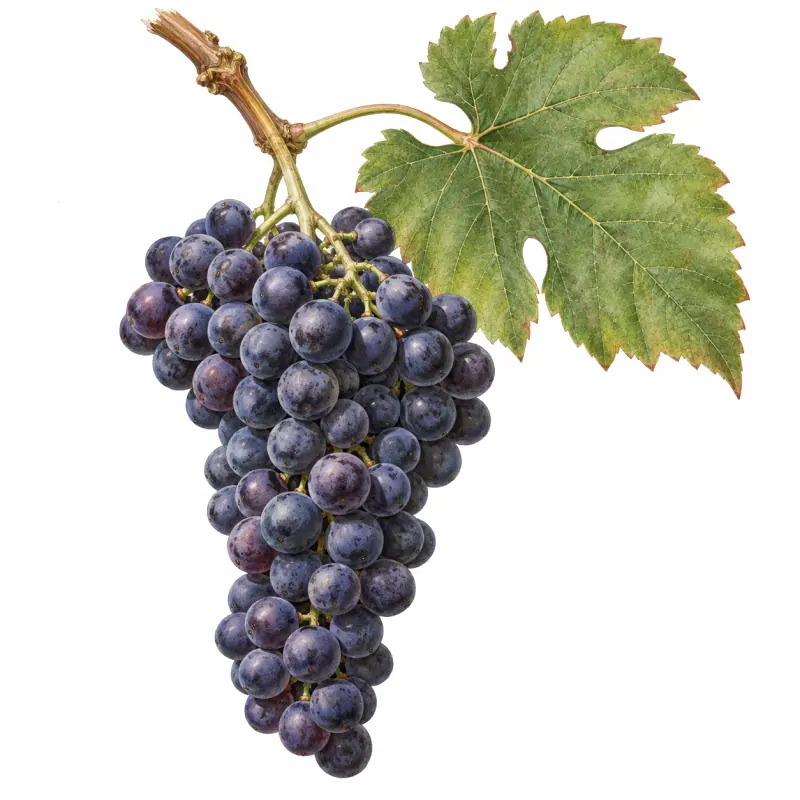
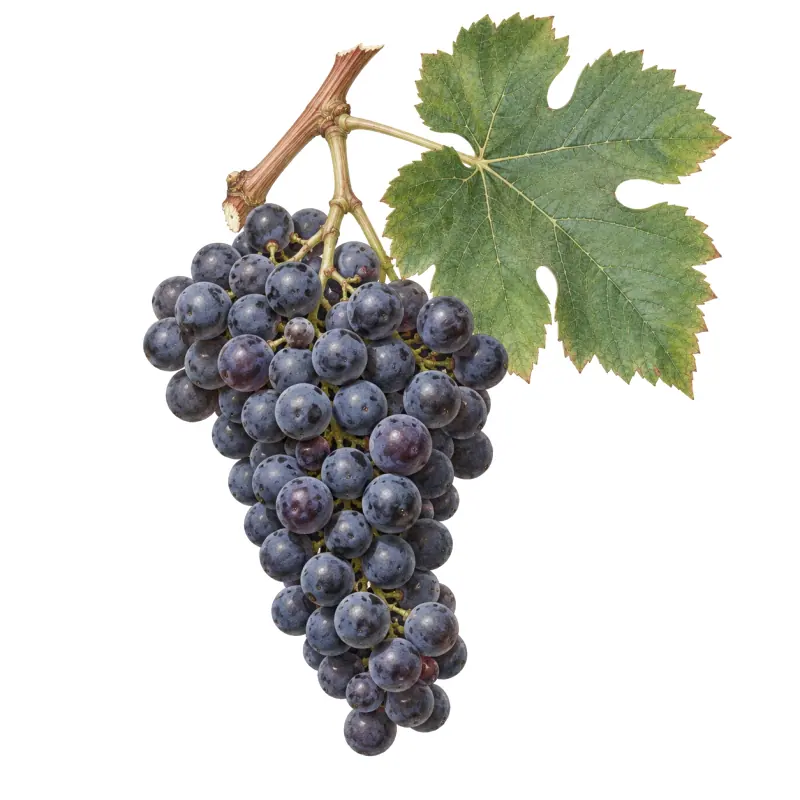
From farmland to a major wine valley
Memoria Chilena places vineyards from Coquimbo to Concepción by the late 16th century, a band that includes the central valleys, and dates the modernisation of Chilean winemaking with French varieties to 1850-1880. For Colchagua itself, Wines of Chile says that over about the last twenty years the valley has changed from a quiet expanse of farmland into one of the largest and most active wine regions in the country. Decree 464 makes it a zone of the Rapel Valley subregion, alongside Cachapoal; the present list of its 14 areas, including the rural localities of Apalta and Los Lingues, comes from the text as amended in 2018. Since 2012 its areas may add 'Andes', 'Entre Cordilleras' or 'Costa'. Chile's national tourism service presents the valley's vineyards, cellars and harvest traditions around Santa Cruz.
Sea breezes over low coastal hills
The zone covers the provinces of Colchagua and Cardenal Caro, in the southern half of the Rapel Valley, from San Fernando and Chimbarongo near the Andes to Litueche, Paredones and Pumanque near the coast. Decree 464 classes San Fernando and Chimbarongo as Andean areas; Nancagua, Santa Cruz, Palmilla, Peralillo, Marchigüe and La Estrella as lying between the ranges; and Lolol, Litueche, Paredones and Pumanque as coastal. Wines of Chile explains that the relatively low coastal hills let Pacific breezes interact with Andean winds, cooling the valley and extending the ripening period. It adds that recent plantings near the coast have shown potential for cool-climate whites. Santa Cruz is an orientation point and one area among fourteen, not the boundary of the valley.
Acidity kept by slow ripening
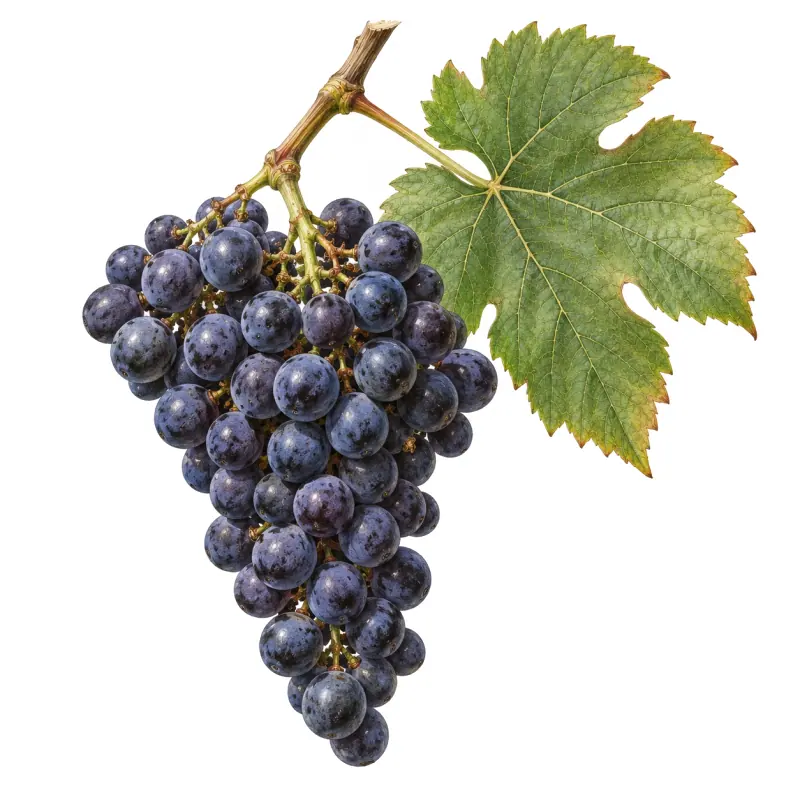
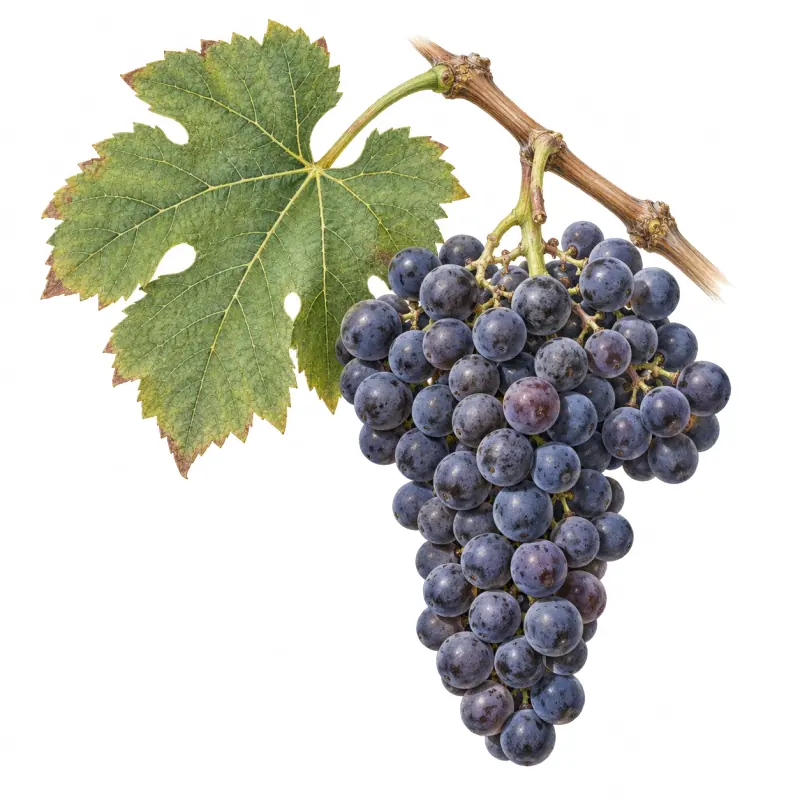
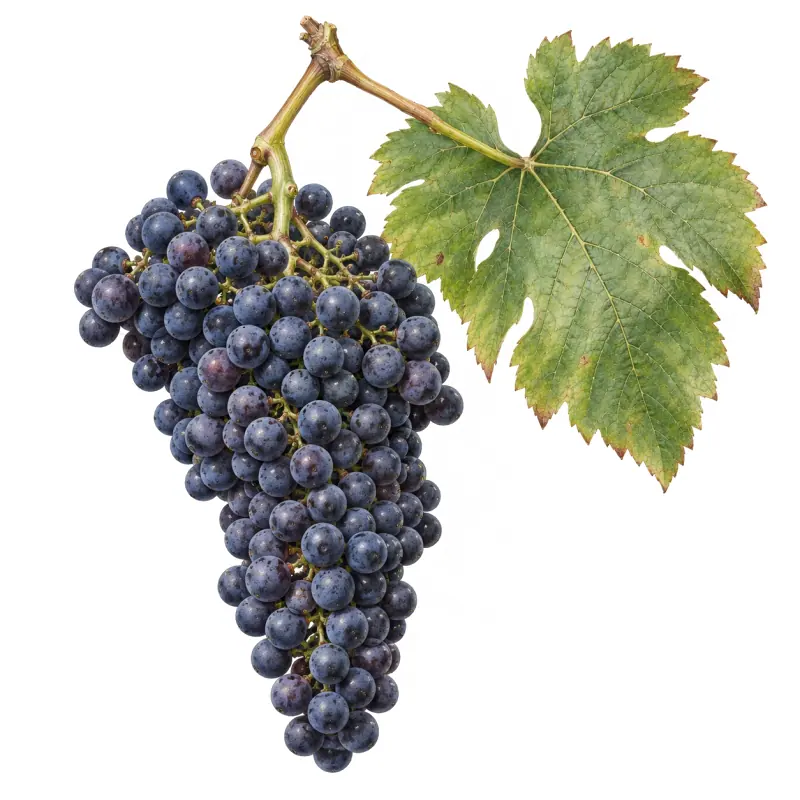
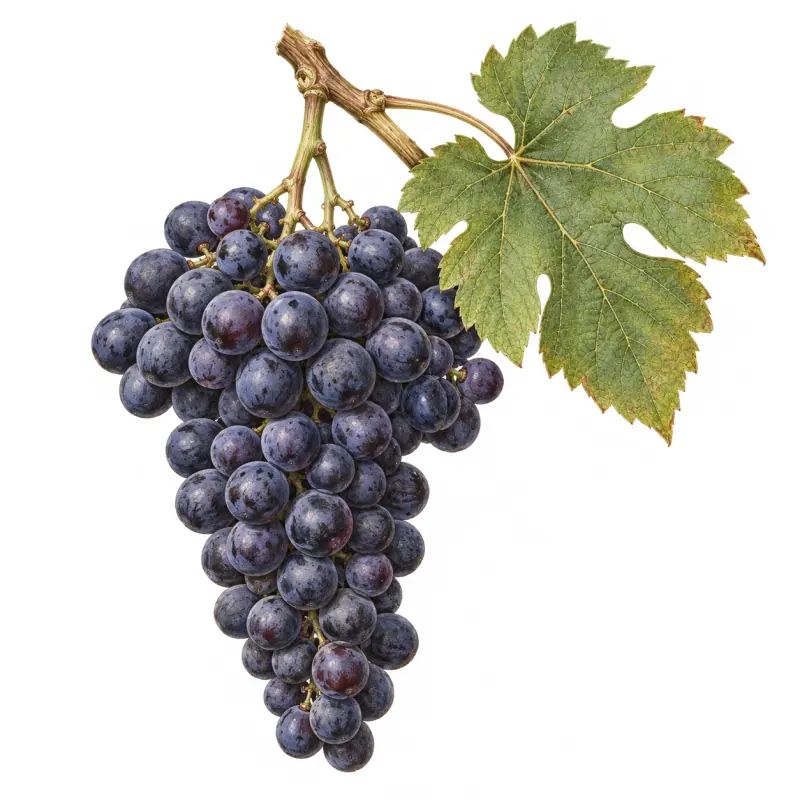
Wines of Chile says the longer ripening period helps grapes keep their acidity, giving red wines of excellent colour, great freshness and very good ageing capacity, and that the valley has a particular propensity for Carménère, Cabernet Sauvignon and Merlot. These are the trade body's descriptions; it gives no separate profile for the Andean, central and coastal areas named in Decree 464.
A range of reds
Colchagua wines with denomination of origin may name the Rapel Valley subregion, the Colchagua zone or one of its 14 areas, with at least 75% of the wine from that place under Decree 464, and may add 'Andes', 'Entre Cordilleras' or 'Costa' when at least 85% comes from areas with that condition. Wines of Chile lists Cabernet Sauvignon (11,928 ha), Carménère (3,657 ha), Merlot (3,132 ha), teinturier grapes (2,509 ha), Syrah (2,153 ha), Chardonnay (1,935 ha), Sauvignon Blanc (1,688 ha), Malbec (867 ha), Pinot Noir (412 ha) and Viognier (287 ha). An individual producer's vineyard and choices remain more specific than this valley profile.
Classification
- Zone Valle de Colchagua (DO)Within the Rapel Valley subregion; areas San Fernando, Chimbarongo, Nancagua, Santa Cruz, Palmilla, Peralillo, Lolol, Marchigüe, Litueche, La Estrella, Paredones, Pumanque, Los Lingues and Apalta.
- Andes / Entre Cordilleras / CostaAndes: San Fernando, Chimbarongo. Entre Cordilleras: Nancagua, Santa Cruz, Palmilla, Peralillo, Marchigüe, La Estrella. Costa: Lolol, Litueche, Paredones, Pumanque.