Wine · Wine region · Short entry
Maipo Valley
Valle del Maipo
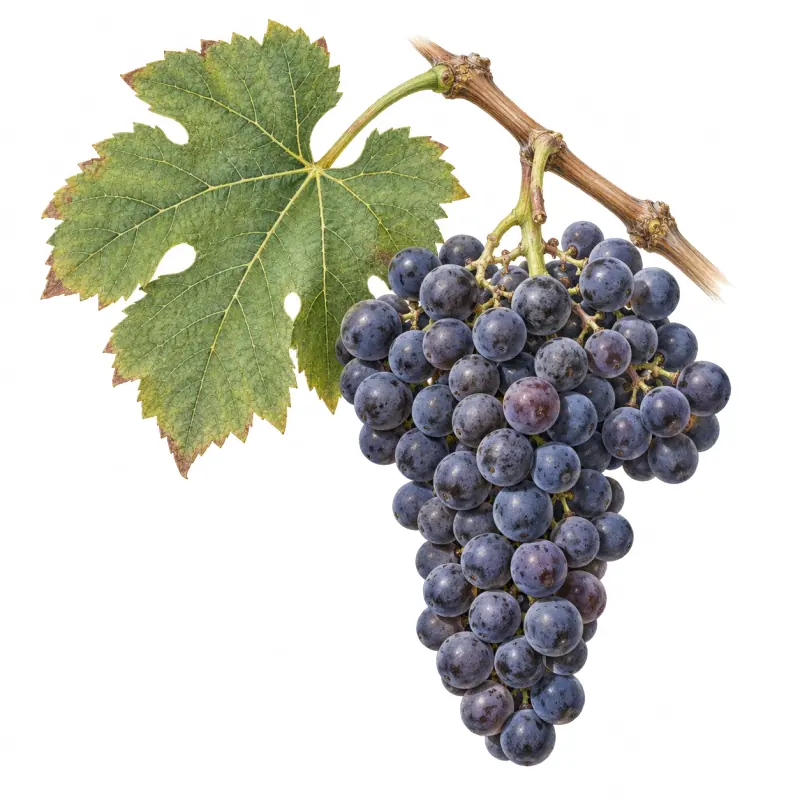
Under Decree 464 the Maipo Valley is a subregion of the Valle Central region and covers all provinces of the Santiago Metropolitan Region, with 13 named areas from Pirque and Puente Alto to Melipilla and Alhué. Wines of Chile lists 5,517 ha of Cabernet Sauvignon, by far its main variety, followed by Merlot, Syrah and Carménère. Carménère was first identified in Chile here, in 1994.
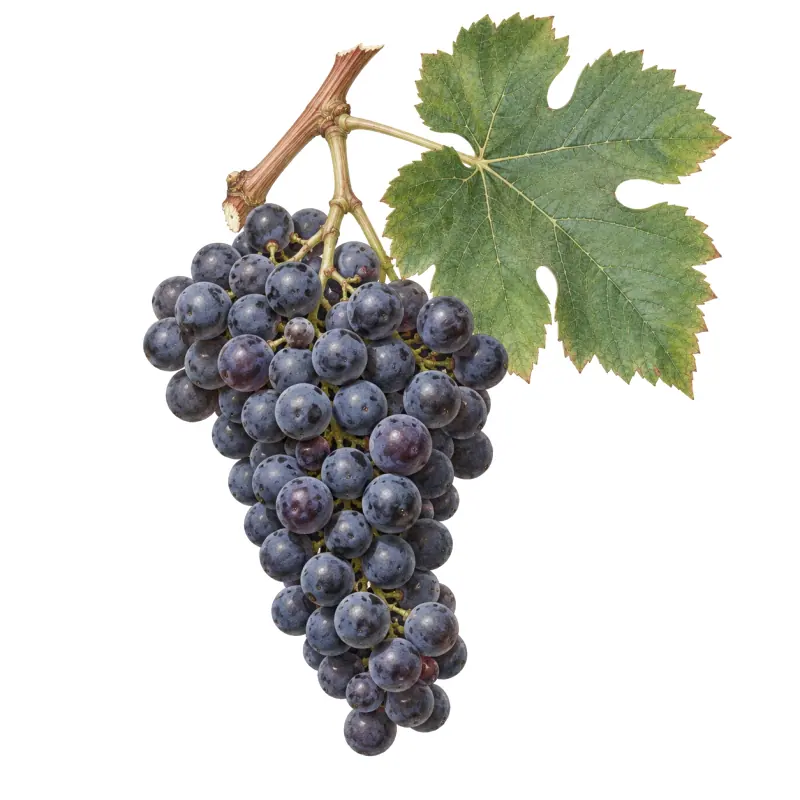
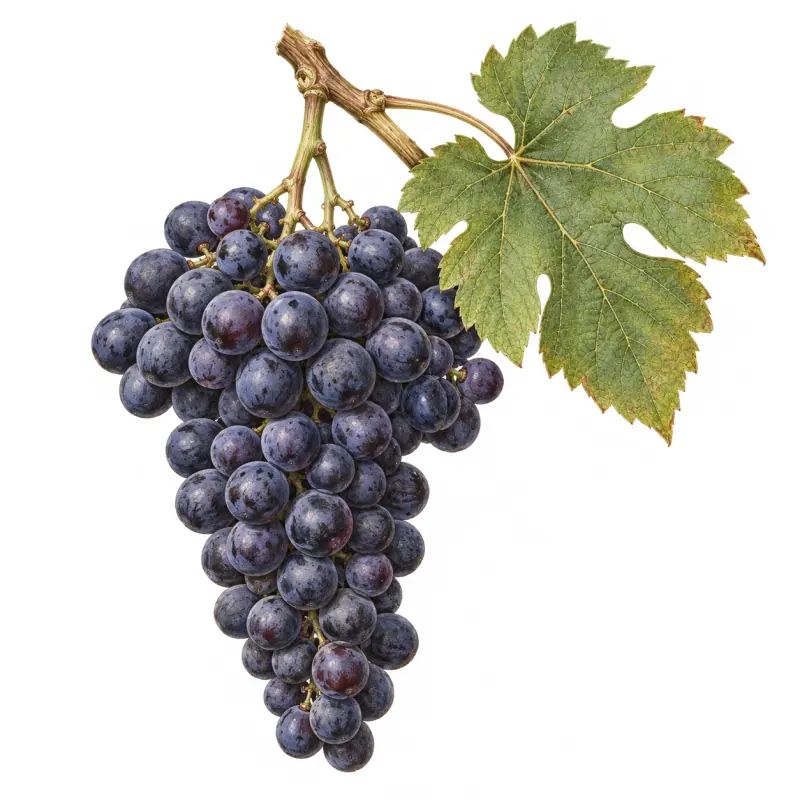
Santiago's vines and the 'Merlot' that was Carménère
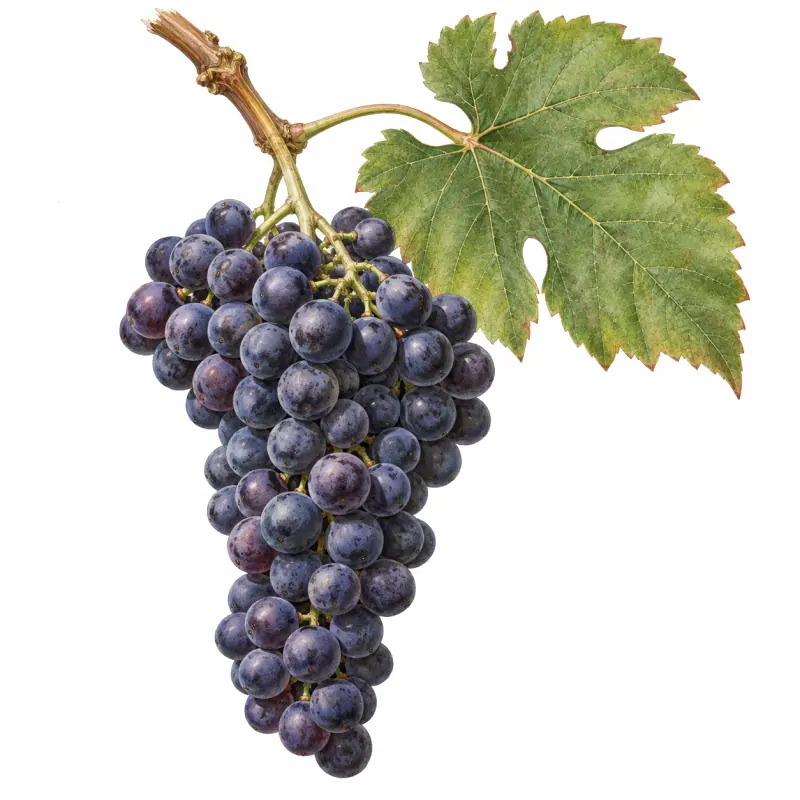
Memoria Chilena writes that in the first colonial years almost every plot in Santiago and the surrounding farms had vines and made wine for household use, before planting spread through the country. It dates the modernisation of Chilean winemaking to the second half of the 19th century, when estates imported French vines and technicians. A century later, on 24 November 1994, during a tour of Maipo vineyards organised by the VI Latin American Congress of Viticulture and Oenology, the ampelographer Jean-Michel Boursiquot identified vines at Viña Carmen in Alto Jahuel, in the Metropolitan Region, as Carménère, a variety known in Chile until then as Merlot. Decree 464 of 1994 made the Maipo a subregion of the Valle Central region, and a 2012 amendment allowed its Andean and central areas to add 'Andes' or 'Entre Cordilleras'.
From the Andean foothills to the Coastal Range
The subregion takes in every province of the Metropolitan Region. Its areas follow communes: Santiago (Peñalolén and La Florida), Pirque, Puente Alto, Buin with Paine and San Bernardo, Isla de Maipo, Talagante, Melipilla, Alhué, María Pinto, Colina, Calera de Tango, Til Til and Lampa. Decree 464 classes Santiago, Pirque, Puente Alto and Buin as Andean areas and the rest as lying between the ranges; no Maipo area is listed as 'Costa'. Wines of Chile describes a mild Mediterranean climate with hot, dry summers and cold, wet winters, with eastern vineyards in the Andean foothills and western vineyards on the sandy soils of the Coastal Range. The valley is therefore not one soil or one elevation.
Structured Cabernet
Wines of Chile calls the Maipo the cradle of Chile's red wines and describes its Cabernet Sauvignon as complex, with well-structured tannins; it says Merlot, Syrah and Carménère also do well. The 2013 study by Philippo Pszczólkowski adds a caution for older 'Merlot' labels: before 1994 vines of Carménère and Merlot were not distinguished in Chilean vineyards. The trade body publishes no sensory distinction between the Andes and Entre Cordilleras parts of the valley.
Cabernet and companions
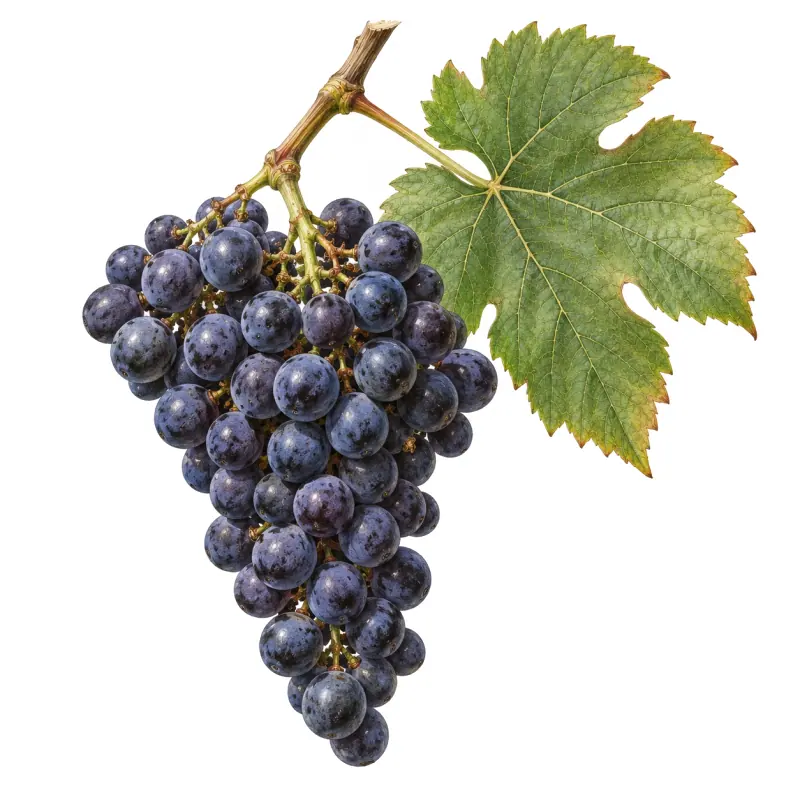
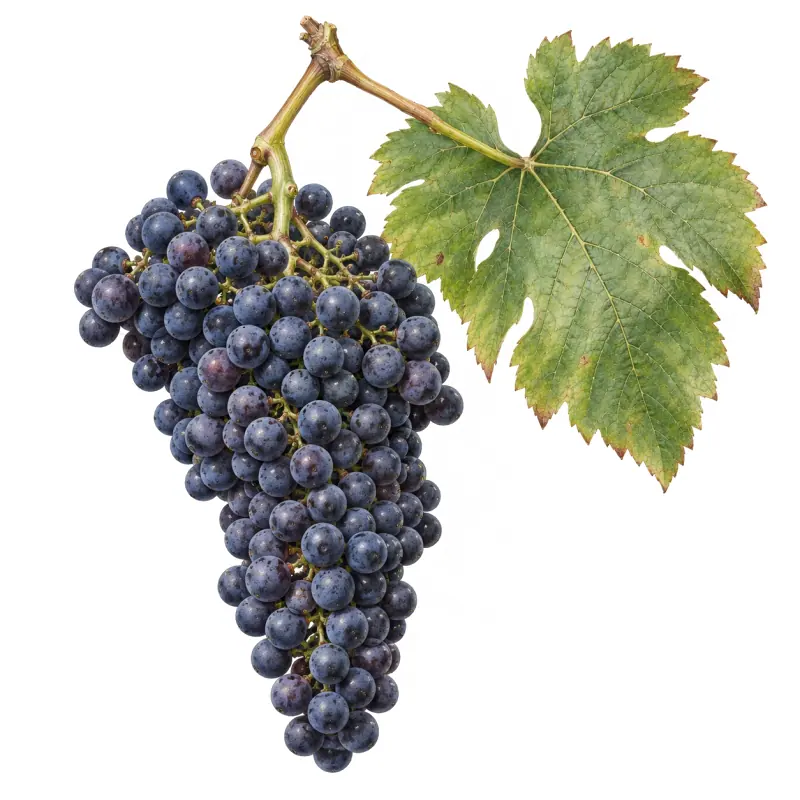
Maipo wines with denomination of origin follow the national rules of Decree 464: at least 75% of the wine from the subregion or area named, and at least 75% of any variety or vintage stated. Wines from Santiago, Pirque, Puente Alto or Buin may add 'Andes', and those from the other areas 'Entre Cordilleras', if at least 85% comes from areas with that condition. Wines of Chile lists Cabernet Sauvignon (5,517 ha), Merlot (890 ha), Syrah (869 ha), Carménère (709 ha), Sauvignon Blanc (604 ha), Chardonnay (602 ha) and teinturier grapes (454 ha). These are production figures, not compulsory blends.
Classification
- Subregion Valle del Maipo (DO)Areas: Santiago, Pirque, Puente Alto, Buin, Isla de Maipo, Talagante, Melipilla, Alhué, María Pinto, Colina, Calera de Tango, Til Til and Lampa.
- AndesSantiago, Pirque, Puente Alto and Buin.
- Entre CordillerasIsla de Maipo, Talagante, Melipilla, Alhué, María Pinto, Colina, Calera de Tango, Til Til and Lampa.
How it connects
Wine region
- in Chile
Grape variety
- grows Cabernet Sauvignon
- grows Merlot
- grows Syrah
- grows Carmenère