Wine · Wine region · Short entry
Australia
Australia names wine origins through geographical indications (GIs) in Wine Australia's Register of Protected GIs and Other Terms: zones, which together cover the whole country, regions and subregions, with each state also a protected name. A GI on a label requires at least 85% of the wine from grapes grown in that area. The first vines came with the First Fleet in 1788, and the OIV put the national vineyard at about 159,000 ha in 2024.
First Fleet vines, Busby and the GI register
Wine Australia dates the first vines to 1788, when the First Fleet planted cuttings collected at Rio de Janeiro and Cape Town on the site of today's Sydney Botanic Gardens. By 1791 there were three acres (about 1.2 ha) at Rose Hill near Parramatta, but with no experience in the colony these early efforts failed. John Macarthur planted 3.5 ha of vines near Sydney in 1797.
James Busby arrived in 1824, wrote books on grape growing and winemaking, and in 1832 brought back cuttings collected on a four-month tour of Spanish and French vineyards. Wine Australia counts 362 vines, first planted at the Botanical Gardens, whose cuttings spread through New South Wales, Victoria and South Australia. Phylloxera reached Victoria in 1877 and New South Wales in 1884, while quarantine kept South Australia free. The Geographical Indications Committee first declared zones in December 1996.
An old continent cooled by the Southern Ocean
Wine Australia's foundation guide describes Australia as the world's sixth-largest country, with some of the world's oldest soils and about 145,000 ha under vine. Wine is made in all six states and two territories, but mostly in the temperate south-east and south-west: New South Wales, South Australia, Tasmania, Victoria and Western Australia. Climates range from alpine areas in the south-east and Tasmania to Mediterranean areas in the south and south-west and the tropics of Queensland, and the cold Southern Ocean keeps the southern regions cool.
South Australia makes almost half the national wine and, protected by quarantine, kept its old vines free of phylloxera. Victoria has the widest range of site climates, Western Australia's regions lie in its south-west corner, and Tasmania is cool and maritime. Each is described in the regional entries.
What a GI claims
Wine Australia defines a GI as a name identifying a wine whose given quality, reputation or other characteristic is essentially attributable to its geographical origin. To be determined, a region or subregion must show similar grape-growing attributes within its boundary, usually produce at least 500 tonnes of grapes a year and include at least five vineyards of 5 ha or more without common ownership, in a single tract of land. The register's textual description is the legal definition; maps are only graphic. The register entries opened for this atlas set boundaries, not grapes, yields or methods, so an Australian GI marks where the fruit was grown rather than a fixed style.
Zones, regions, subregions and the 85% rule
Sections 25 to 27 of the Wine Australia Regulations 2018 set the blending rules. A single vintage, variety or GI claim needs at least 85% of the wine from that vintage, variety or area. Up to three GIs may be named, in descending order, each above 5% of the blend; claimed vintages must add up to 100%. Variety names must appear on the OIV, UPOV or IPGRI lists.
The register nests regions inside zones: the Barossa zone contains Barossa Valley and Eden Valley, the Limestone Coast zone Coonawarra, South West Australia Margaret River and Port Phillip the Yarra Valley. Tasmania is a state GI with no registered regions. The Adelaide super zone joins Mount Lofty Ranges, Fleurieu and Barossa; South Eastern Australia covers New South Wales, Victoria, Tasmania and parts of Queensland and South Australia. Chardonnay is the most planted white grape and Cabernet Sauvignon the third most planted variety.
Classification
- Zone (and super zone)Large areas declared from December 1996 that together cover all of Australia; each state is also a protected term, and super zones such as Adelaide and South Eastern Australia join several zones.
- RegionAn area determined by the Geographical Indications Committee with similar grape-growing attributes, usually at least 500 tonnes of grapes a year and at least five vineyards of 5 ha or more without common ownership.
- SubregionA smaller area inside a region, meeting the same criteria, such as High Eden within Eden Valley.
How it connects
Wine region
- subregion Barossa Valley
- subregion Coonawarra
- subregion Margaret River
- subregion Yarra Valley
- subregion Tasmania
Grape variety
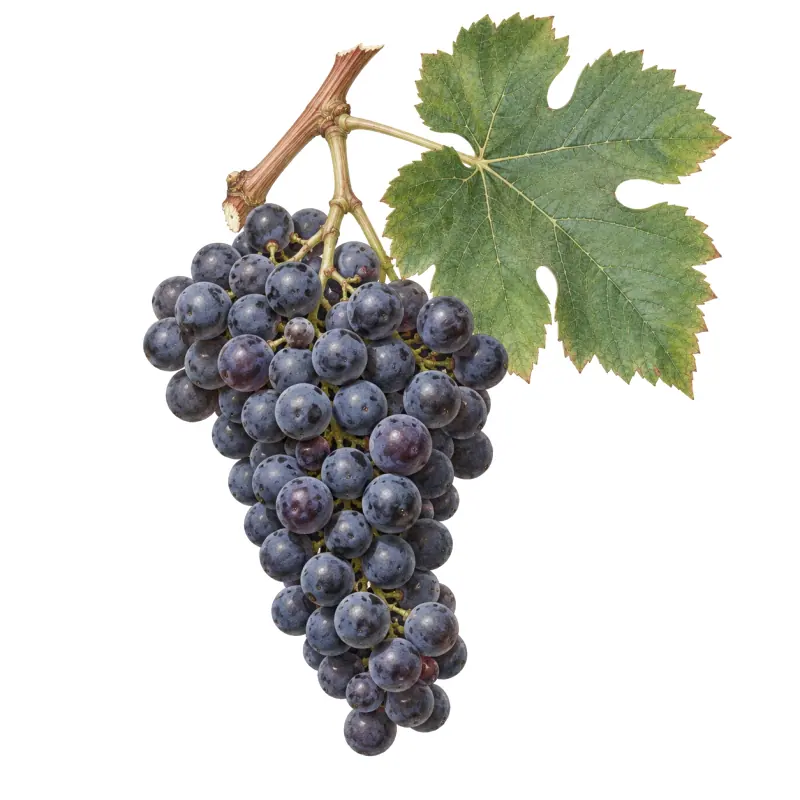
- grows Syrah
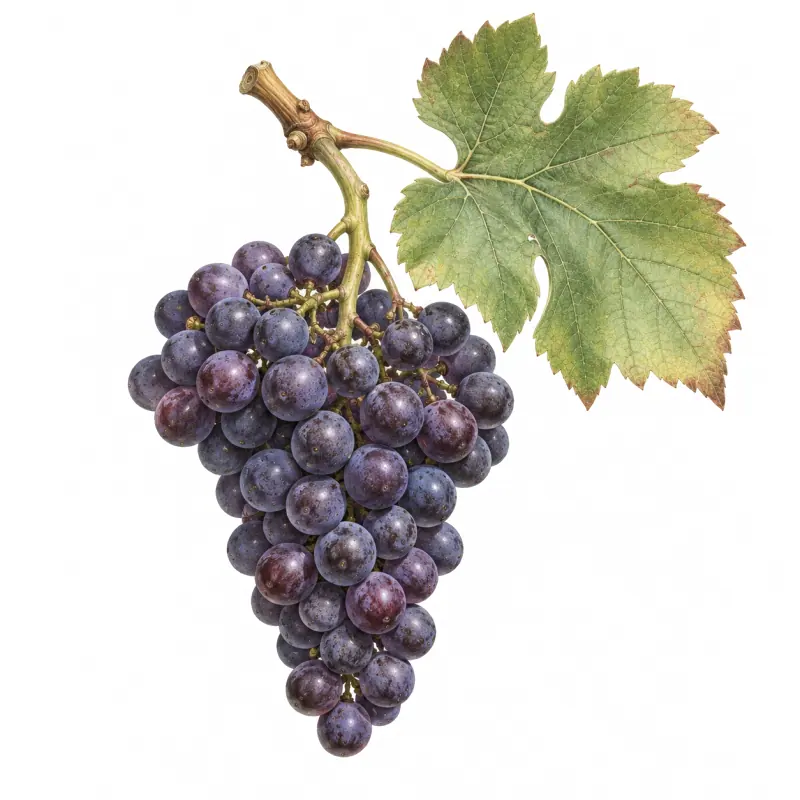
- grows Cabernet Sauvignon
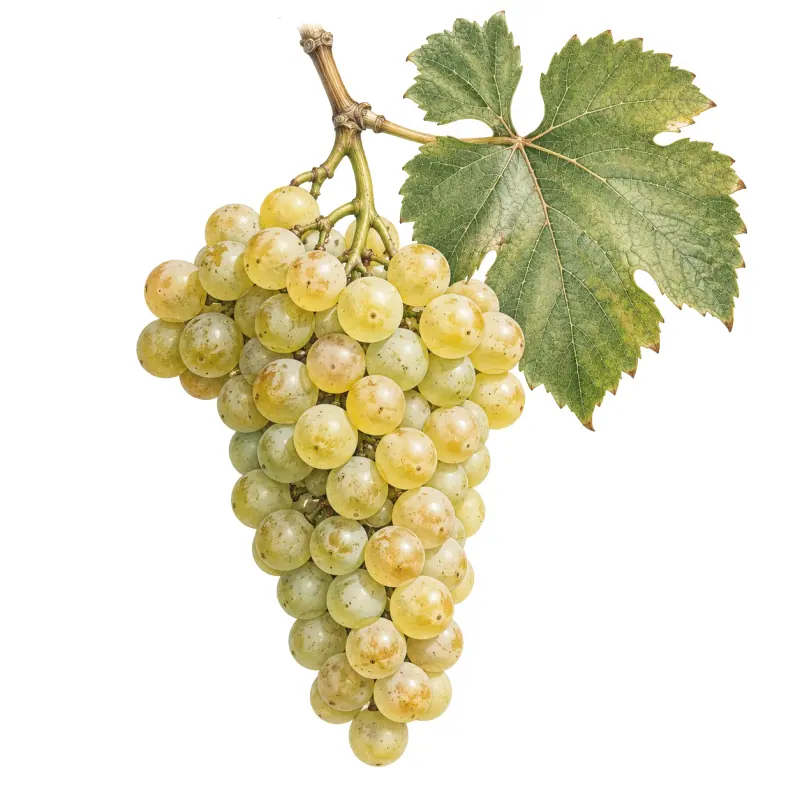
- grows Chardonnay
Recipe
- related Pavlova
Continue exploring
- CountryAustralia6 entries in the atlas so far
 RecipePavlovaNew Zealand
- Grape varietyCabernet Sauvignon
- Grape varietyChardonnay
- Grape varietySyrah
- Wine regionBarossa ValleyTanunda, Australia
- Wine regionCoonawarraCoonawarra, Australia
- Wine regionMargaret RiverMargaret River, Australia
- Wine regionTasmaniaTasmania (state), Australia
- Wine regionYarra ValleyHealesville, Australia