
Wine · Wine region · Short entry
Barossa Valley
Barossa Valley is a GI region in the Barossa zone of South Australia, north-east of Adelaide, covering 578 km² with 11,609 ha of vineyards. It is warm on the valley floor and cooler in the surrounding hills, and Shiraz fills half the plantings, some on vines dating back to 1843. The GI was entered in the register on 15 August 1997.
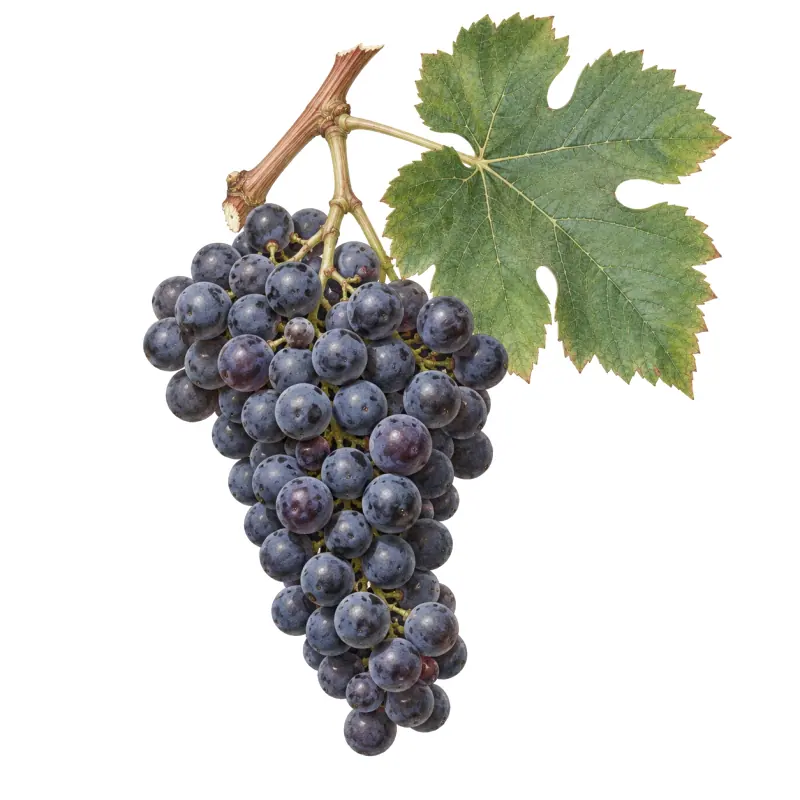
Lutheran settlers and old vines
Wine Australia's Barossa guide says the German mineralogist Johannes Menge reported in the late 1830s that the area suited farming and vines. George Fife Angas, chairman of the South Australian Company and the largest landowner in the valley, and Pastor August Kavel encouraged Lutheran settlers. The SA History Hub records that most of the more than 200 Lutherans who arrived in 1841 with Pastor Gotthard Fritzsche founded Bethany, and that about 12 German settlements were set up in the valley in the 1840s and 1850s.
Johann Gramp planted a vineyard on Jacob's Creek in 1847 and made his first wine in 1850; Samuel Smith planted the first Yalumba vineyard in 1849. Under strict quarantine and a phylloxera act of 1899, the pest never reached South Australia, so vines from the 1840s survive. The Barossa Valley GI was registered on 15 August 1997, and the Barossa Old Vine Charter followed in 2009.
Valley floor, hills and acid subsoils
Wine Australia gives the Barossa Valley GI 578 km² and 11,609 ha of vines at 112–596 m. Its system of valleys and twisting hills creates many slopes, aspects and sites, warm on the valley floor and cooler at height in the surrounding hills. The climate is Mediterranean, with cool wet winters, warm dry summers, high sunshine, low humidity and a large day-night range. Growing-season rainfall is 220 mm and the mean January temperature 21.9 °C, and the guide names drought as the main viticultural hazard.
The soils vary widely but belong to a family of low-fertility clay loams to sandier soils, grey, brown or red; as in much of south-eastern Australia, acidity increases in the subsoils and restricts root growth and vigour. The Barossa Grounds Project, begun in 2008 under the Barossa Grape and Wine Association, has identified three 'grounds' within Barossa with different Shiraz styles.
Ripe Shiraz and lime-scented Riesling
Wine Australia describes the Barossa Valley as suited to full-bodied reds, fortified wines and generally robust whites. Shiraz, on half the vineyard area, is typically full-bodied, with ripe fruit and plush tannins. Cabernet Sauvignon does best on cooler sites and in cooler years and is richer, with riper fruit and softer tannins, than in Coonawarra or Margaret River. Grenache is blended with Shiraz and Mataro or made alone, with ripe raspberry and peppery spice; Riesling, the main white grape, shows lime flavours and can age for ten years or more. The Barossa Old Vine Charter describes the oldest vines as mainly dry-grown and low-yielding, with grapes of great intensity.
A region of the Barossa zone
Barossa Valley is a region of the Barossa zone, which also contains Eden Valley and its subregion High Eden. Its legal boundary is a textual description in the register, starting at the intersection of the Sturt Highway and Neales Flat Road near Truro; a wine labelled Barossa Valley needs at least 85% of its grapes from inside it. Wine Australia names Shiraz, Cabernet Sauvignon and Grenache as the main varieties, with Riesling, and the guide adds Mataro and Semillon among the long-established vines.
The Old Vine Charter is a regional classification, not a legal tier. It groups vineyards as Old Vine (at least 35 years), Survivor (70), Centenarian (100) and Ancestor (125); its examples include Langmeil's The Freedom 1843 Shiraz and Cirillo Estate's 1850 Grenache.
How it connects
Wine region
- in Australia
Grape variety
- grows Syrah
- grows Cabernet Sauvignon
- grows Garnacha Tinta
Continue exploring
- CountryAustralia6 entries in the atlas so far
- Grape varietyCabernet Sauvignon
- Grape varietyGarnacha Tinta
- Grape varietySyrah
- Wine regionAustraliaAustralia (national overview), Australia
 RecipePavlovaNew Zealand
- Wine regionBordeauxBordeaux, France
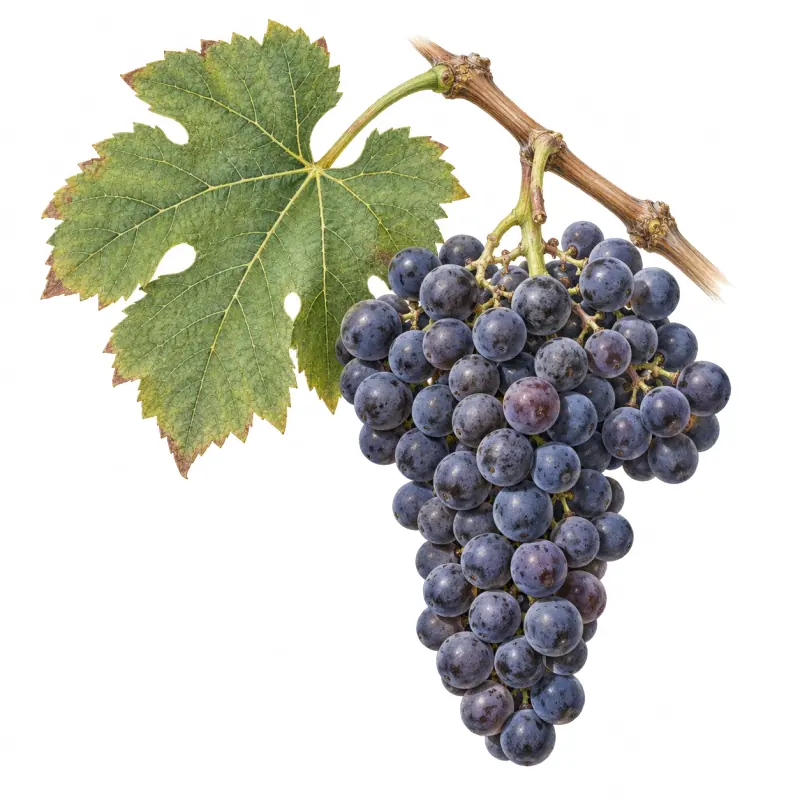 Grape varietyCabernet Franc
 Grape varietyChardonnay
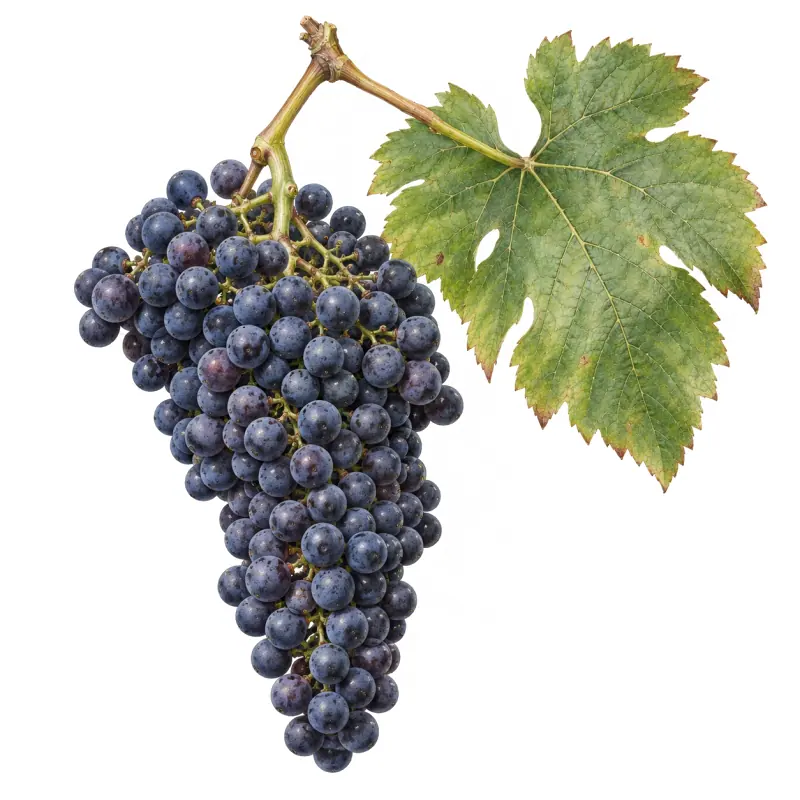 Grape varietyMarselan