
Wine · Wine region · Short entry
Coonawarra
Coonawarra is a GI region in the Limestone Coast zone of south-eastern South Australia, 398 km² with 5,784 ha of vines. A strip of red terra rossa over limestone, about 27 km long and 1.8 km wide, runs through it, and Cabernet Sauvignon is its leading grape. Its boundary was entered in the register on 6 January 2003 after years of dispute.
Riddoch's fruit colony and the boundary dispute
The Coonawarra Vignerons say the Scottish gardener William Wilson chose terra rossa land near Penola and advised John Riddoch, who arrived in 1861, to do the same. Riddoch set aside 1,147 acres (about 464 ha) north of Penola for his Coonawarra Fruit Colony of small 'blockers'. Their timeline records vines from 1862 but larger plantings by Riddoch from 1891, and a stone winery ready for the third vintage in 1897.
After Riddoch's death in 1901 the region declined: much wine was distilled into brandy, and grants to soldier settlers to replace vines with dairying left about 120 of 360 ha. Bill Redman kept making table wine, and David Wynn bought the Riddoch winery in 1951. The SA History Hub notes that the value of terra rossa for viticulture was recognised only in the 1950s. The GI boundary, entered on 6 January 2003, followed about seven years of debate settled in the Federal Court.
Terra rossa over limestone
Coonawarra is flat and low, with vineyards at 51–127 m. Wine Australia's guide says the area was once under the sea; when the water receded, the land left was limestone, and wind-blown silt settled on it and oxidised into red terra rossa. The strip runs north to south for 27 km and is about 1.8 km wide and 50 cm deep. It drains well, its neutral to slightly alkaline pH limits nutrient uptake, and a hard calcium carbonate layer below curbs deep roots, keeping vines balanced. West of the ridge are heavy, water-retentive black rendzina clays and a brown transitional rendzina; to the east are sandy loams.
The climate is cooler than the latitude suggests. The Southern Ocean is about 80 km away, and the Bonney Upwelling brings cold water to the surface in summer. Growing-season rainfall is 260 mm and the mean January temperature 20.1 °C.
Cabernet with high natural acidity
Wine Australia's guide links the soils to fruit that ripens with concentration while keeping high natural acidity, and describes Coonawarra Cabernet Sauvignon as medium-bodied, with velvety tannins and flavours of black fruit and dark chocolate. Its regional profile calls Coonawarra the leading Australian source of the variety, with cassis, blackberry, plum and dark cherry and the ability to age for decades. Shiraz, the main grape until the 1950s, is medium-bodied with spice and raspberry fruit, and blending Shiraz with Cabernet is a local tradition. The Coonawarra Vignerons describe Bill Redman's lighter, high-acid 'dinner clarets' as the first regional style.
A region of the Limestone Coast
Coonawarra is one of six regions of the Limestone Coast zone, with Mount Benson, Mount Gambier, Padthaway, Robe and Wrattonbully, and has no registered subregions. Its legal boundary is the register's textual description, located on maps including the Struan topographic sheet; a wine labelled Coonawarra needs at least 85% of its grapes from inside it. The main varieties are Cabernet Sauvignon, Shiraz, Merlot and Chardonnay. The Coonawarra Vignerons counted 130 vineyards on 5,603 ha in 2010, with Cabernet Sauvignon on 46%; Wine Australia's current profile gives 5,784 ha.
How it connects
Wine region
- in Australia
Grape variety
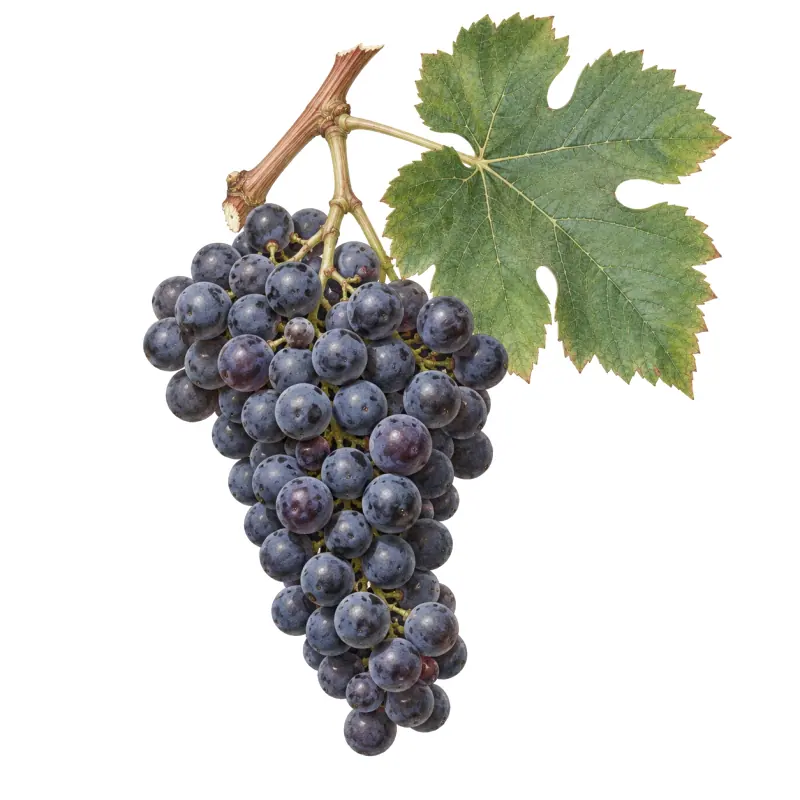
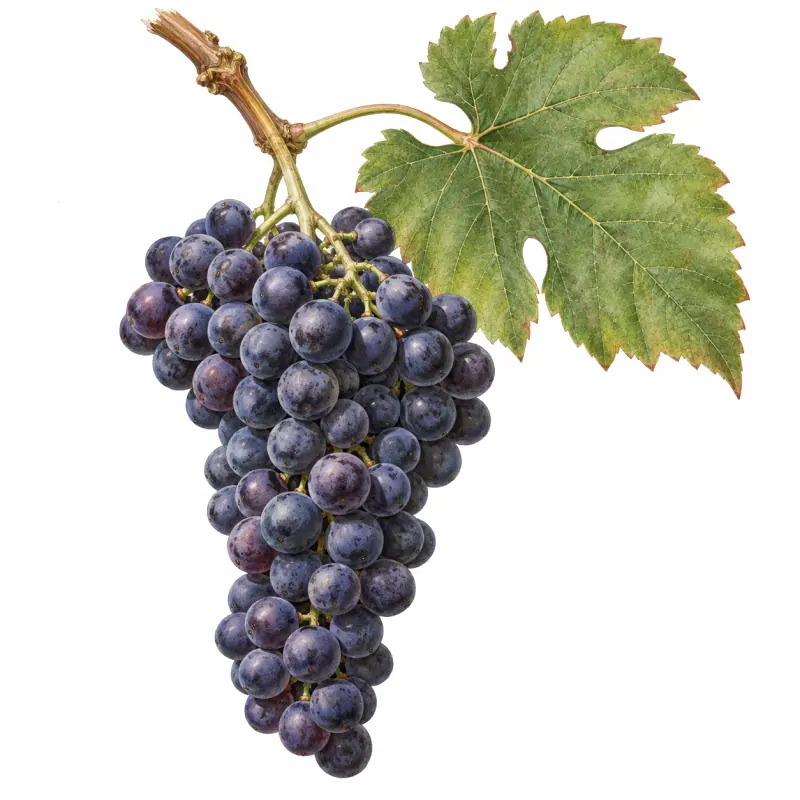
- grows Cabernet Sauvignon
- grows Syrah
- grows Merlot
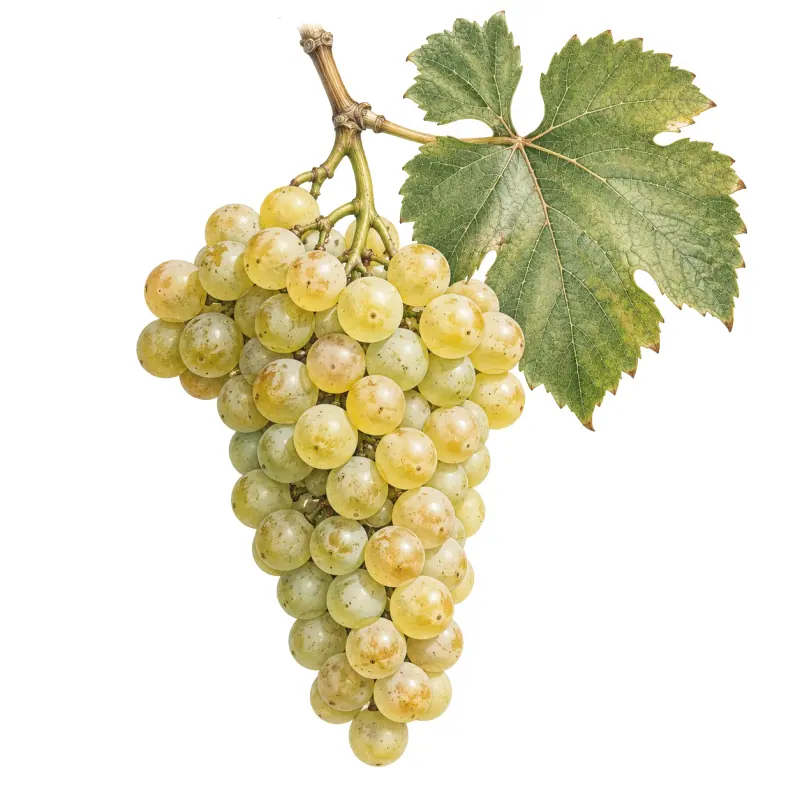
- grows Chardonnay
Continue exploring
- CountryAustralia6 entries in the atlas so far
- Grape varietyCabernet Sauvignon
- Grape varietyChardonnay
- Grape varietyMerlot
- Grape varietySyrah
- Wine regionAustraliaAustralia (national overview), Australia
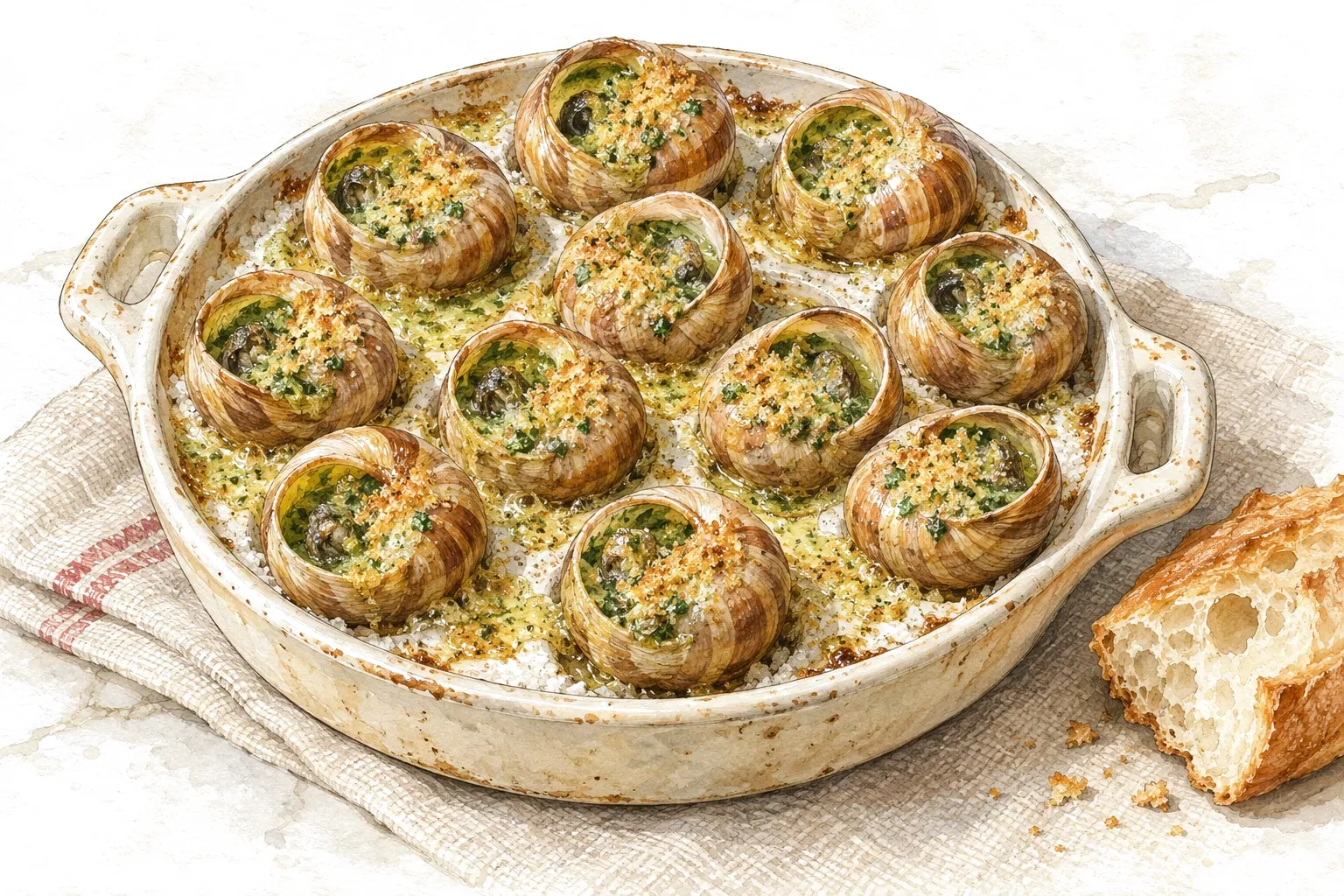 RecipeEscargots à la bourguignonneBurgundy, France
 RecipeFondue au ComtéJura massif, Franche-Comté, France
 RecipeGougèresBurgundy, France
 RecipePavlovaNew Zealand