
Wine · Wine region · Short entry
Tasmania
Tasmania is a single wine GI covering the island state, entered in the register on 26 January 1994. Wine Tasmania promotes seven growing areas, mainly in the north, east and south, with more than 3,000 ha under vine. The climate is cool and maritime, and Pinot Noir and Chardonnay, for still and sparkling wine, lead production.
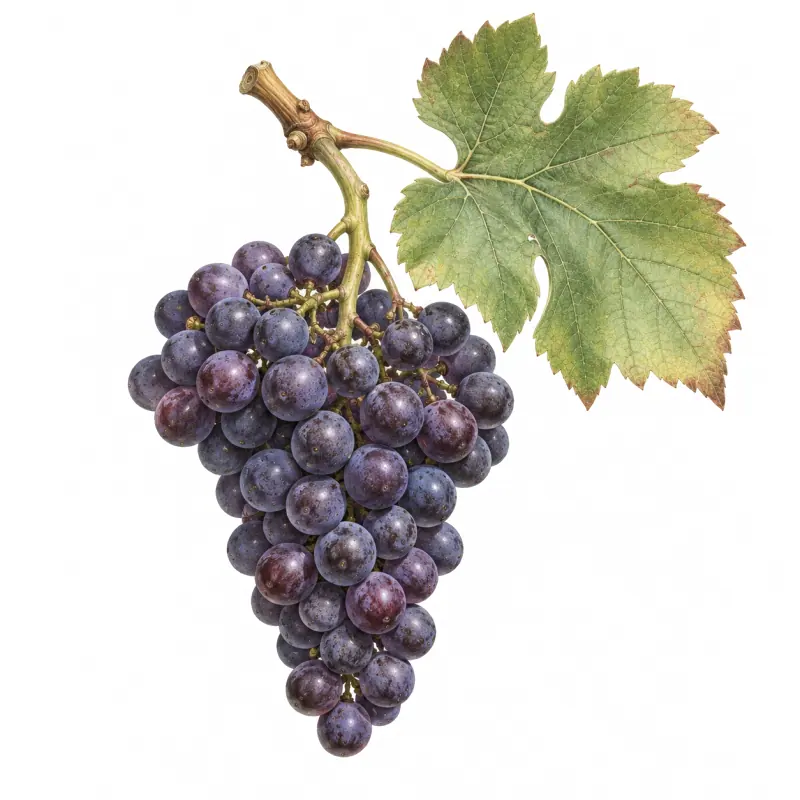
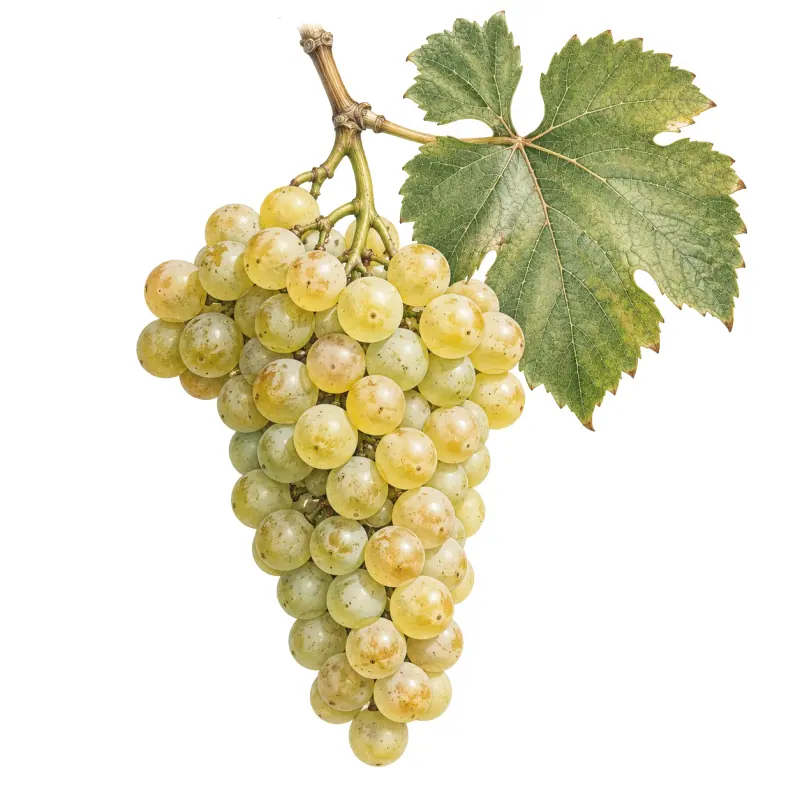
An early start and a 1950s revival
Wine Tasmania records the island's first vineyard in 1823 and the first Australian sparkling wine from the 1826 vintage; a Tasmanian wine was shown in Paris in 1848. Wine Australia's guide dates the first vines to 1788, planted by William Bligh on Bruny Island, and its state page dates the first commercial vineyards to 1865 and their collapse a decade later during the mainland gold rushes.
Production nearly disappeared until the 1950s, when Jean Miguet planted at Lilydale near Launceston, now Providence Vineyard, and Claudio Alcorso at Moorilla near Hobart; official advice for some 30 years held that the island was too cold. Wine Tasmania dates both plantings to 1956, the guide gives 1956 and 1958. Andrew Pirie founded Pipers Brook in 1974. Wine Tasmania says Australia's first appellation system was developed in Tasmania in the 1980s, when the island had under 100 ha of vines, and the Tasmania GI was registered on 26 January 1994.
Dolerite mountains and a maritime climate
Wine Tasmania describes a landscape dominated by dolerite-capped mountains that shelter the vineyards from strong winds and rain. On the lower slopes, vineyard soils formed from ancient sandstones and mudstones, younger river sediments and volcanic igneous rocks. Wine Australia's guide gives local examples: sandstone and schist in the Derwent Valley, peaty alluvial and sandy low-humus soils in the Coal River Valley, deep friable soils at Pipers River, gravelly basalt over clay and limestone in the Tamar Valley and volcanic soils on the East Coast.
The island has a moderate maritime climate, cooled by westerly winds from the Southern Ocean and free of temperature extremes. The guide gives 477 mm of growing-season rain and a mean January temperature of 15.6 °C, the coolest of Australia's regions, and notes that the Coal River and Tamar valleys are drier and warmer than southern Victoria. Harvest runs from mid-March to late May.
Slow ripening and vintage variation
Wine Tasmania links mild spring and summer temperatures, warm autumn days and cool nights to slow ripening and to wines of intense flavour, fresh structure and natural balance, and notes that vintage variation is greater than in any other Australian region. Sparkling wine made up 41% of the 2026 vintage, from Pinot Noir, Chardonnay and Pinot Meunier. Still wines include Pinot Noir, Riesling, Chardonnay, Sauvignon Blanc, Cabernet Sauvignon, Pinot Gris and Gewürztraminer. The 2026 crop was 11,163 tonnes, against a record 23,002 tonnes in 2025, after a cold, dry and windy spring.
One GI, seven growing areas
Tasmania is both a state GI and the only GI on the island; Wine Australia's register lists no zones, regions or subregions within it. Wine Tasmania promotes seven growing areas, North West, Tamar Valley, Pipers River, East Coast, Coal River Valley, Derwent Valley and Huon Valley/D'Entrecasteaux Channel; they are not legal origins. Wine Australia's guide notes that a subregion would need at least five independently owned vineyards of 5 ha or more producing 500 tonnes a year, which only the Coal River Valley and Pipers River met. Wine Tasmania counts about 156 licensed producers, 414 vineyards and more than 3,000 ha, of which about 2,451 ha were bearing in 2026. A wine labelled Tasmania needs at least 85% of its grapes from the island.
How it connects
Wine region
- in Australia
Grape variety
- grows Pinot Noir
- grows Chardonnay
Continue exploring
- CountryAustralia6 entries in the atlas so far
- Grape varietyPinot Noir
 RecipeBaeckeoffeAlsace, France
 RecipeBœuf bourguignonDijon, France
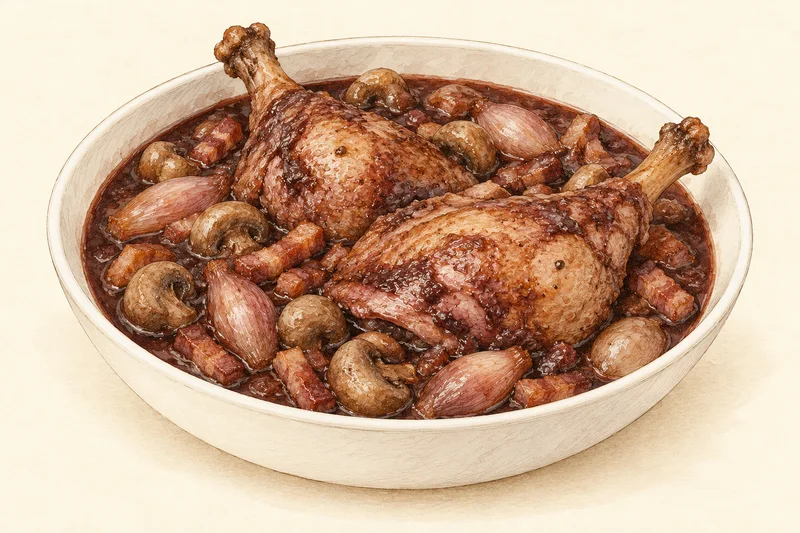 RecipeCoq au vinBurgundy, France
- Grape varietyChardonnay
- Wine regionAustraliaAustralia (national overview), Australia
 RecipeEscargots à la bourguignonneBurgundy, France
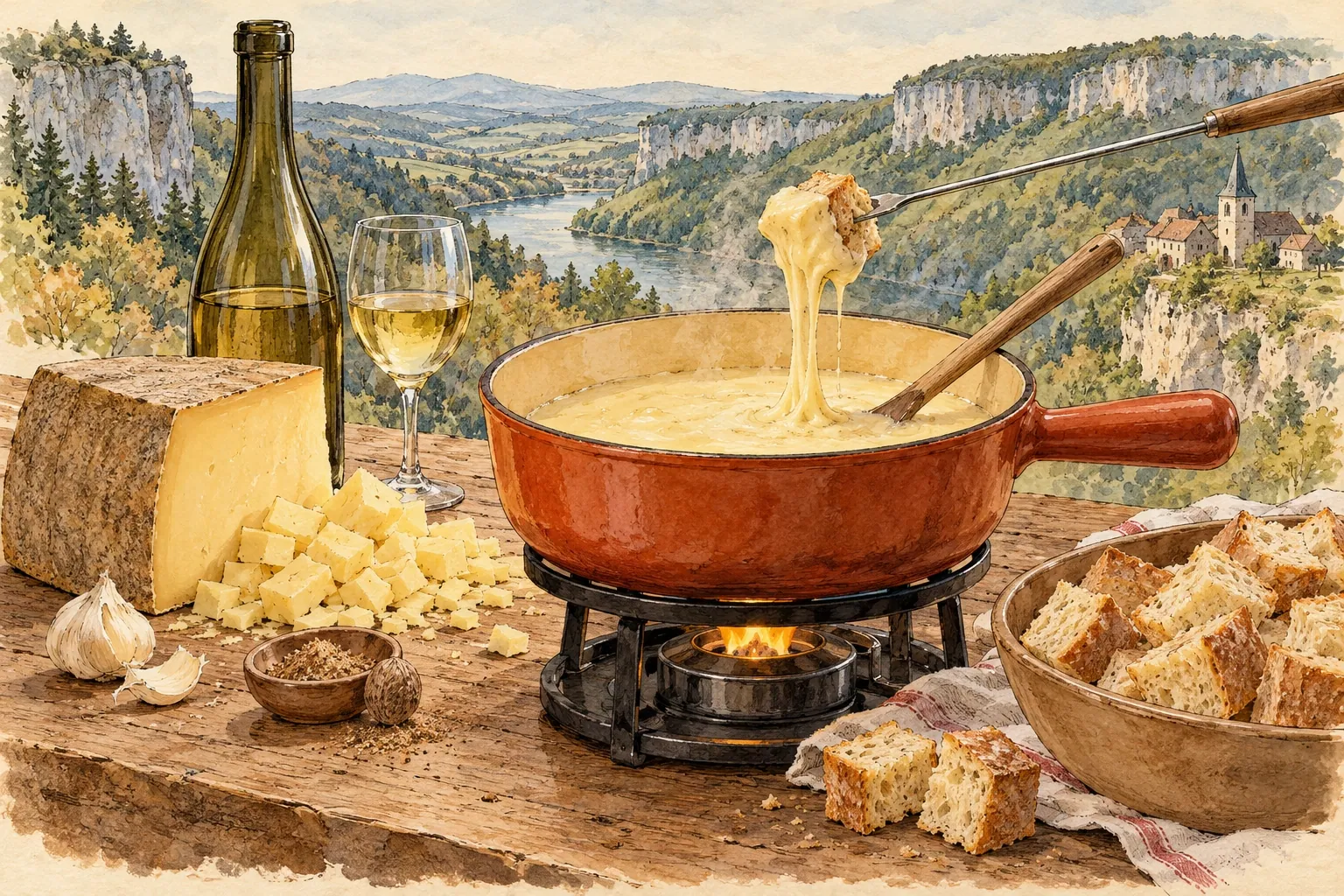 RecipeFondue au ComtéJura massif, Franche-Comté, France
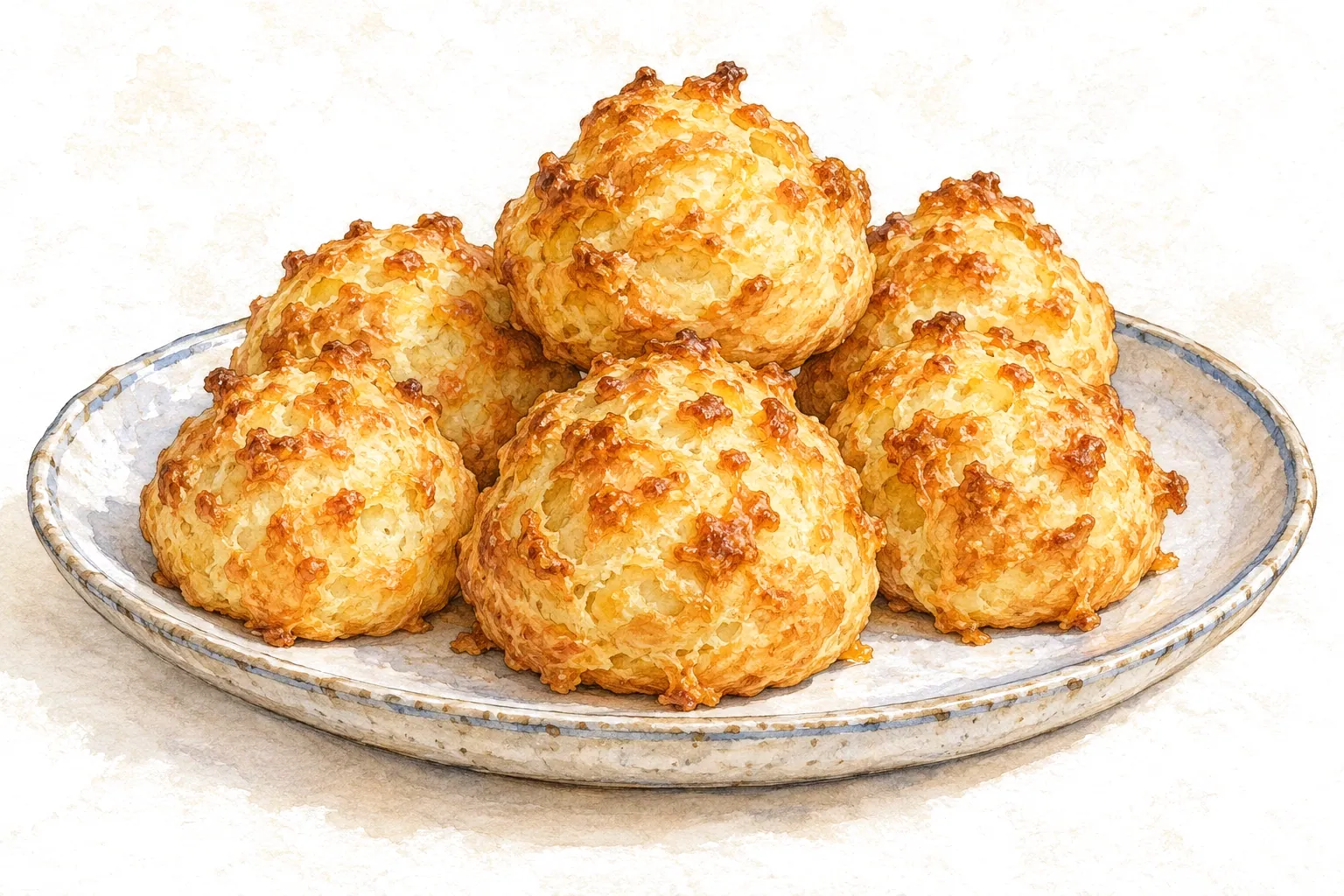 RecipeGougèresBurgundy, France