
Wine · Wine region · Short entry
Argentina
Argentina had 194,513 ha of vines for winemaking at the end of 2021, in 18 producing provinces, according to INV figures published by Wines of Argentina. Most vineyards lie between 600 and 2,000 m in irrigated oases along the Andes, from Jujuy near the Tropic of Capricorn to Chubut beyond 45° S. Origin names are protected under Law 25.163 of 1999; the national wine institute counted 110 geographical indications and 2 controlled designations of origin in 2023.
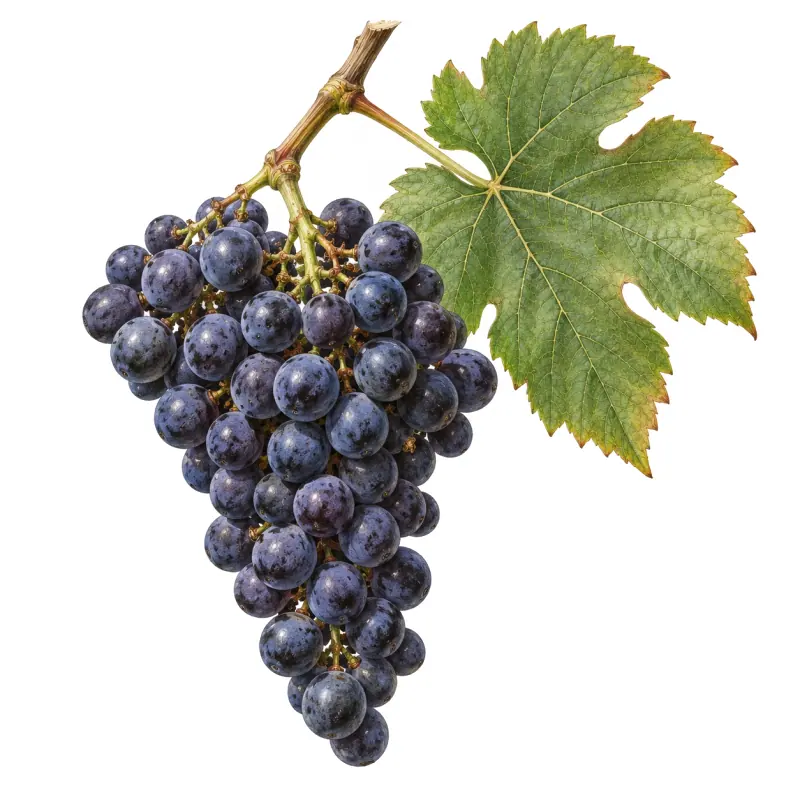
From mission vineyards to Law 25.163
Wines of Argentina dates the first Vitis vinifera vines, brought by Spanish colonisers, to 1551, and says Catholic priests planted vineyards near their monasteries to have wine for Mass. Between 1850 and 1880 the railway, the incorporation of Patagonia and European immigrants, who brought new techniques and varieties, laid the base of a national industry; the guide also credits the Water Act and the General Irrigation Department. In 1853 the Quinta Normal, the country's first school of agriculture, opened in Mendoza; its director, the French agronomist Michel Aimé Pouget, was the first to introduce French vines there. The INV was created in 1959 under wine law 14.878. In the 1970s the model of large volumes of low-quality table wine collapsed as soft drinks and beer took market share. From the 1990s new local and foreign investors turned to smaller volumes of quality wine. Law 25.163, sanctioned on 15 September 1999, set up the IP, IG and DOC system.
Oases along 1,500 km of mountains
The bulk of the vineyards lies between 600 and 2,000 m, in oases strung along about 1,500 km of the Andes; Wines of Argentina notes that mean temperature falls about 1 °C for every 150 m of altitude. The north (Jujuy, Salta, Tucumán, Catamarca) grows vines at 750 to 3,329 m, Cuyo, which includes Mendoza and San Juan, at 430 to 2,000 m, and Patagonia and the Atlantic coast at 4 to 670 m. Most vineyards are in arid areas with dry continental climates and much sunshine. Soils are of low fertility and low in organic matter; towards the Andes slopes steepen and soils are younger, grading from colluvial sediments on the slopes to alluvial and eluvial sediments downstream. Irrigation comes mainly from Andean meltwater, by flooding in old vineyards and by drip, introduced in the 1990s. Mendoza held 71% of the national vine area in 2021, according to the INV. The INV's regional reports treat the Uco Valley, Mendoza's other zones, San Juan, La Rioja, Córdoba, Buenos Aires and other provinces separately.
Altitude, temperature range and wind
The national wine institute links style to climate. In the Uco Valley it attributes high colour and tannin in red grapes to a daily temperature range of about 15 °C. In Patagonia it says the cool climate gives grapes and musts higher acidity and moderate sugar, and that wide day-night ranges and low temperatures let red varieties reach more colour than elsewhere in the country; Pinot Noir there gives wines of good colour and aroma. Wines of Argentina describes the wines of the north as strongly marked by altitude, with Torrontés as the region's emblem, and attributes the deep colour of Patagonian reds to strong winds that thicken grape skins.
IP, IG and DOC
Law 25.163, regulated by decree 57/2004, creates three categories. An Indicación de Procedencia is reserved for table and regional wines; the INV requires at least 80% of the wine from grapes grown and made in the named area. An Indicación Geográfica names an area no larger than a province or a recognised interprovincial zone, for quality wines whose characteristics are attributable to their origin; if the wine is made or bottled outside the grape area, both names must appear. A Denominación de Origen Controlada is for wines of selected varieties whose qualities are due exclusively or essentially to the geographic environment, with grapes, making, ageing and bottling all within the area; joining is voluntary and must be proposed by local growers. In 2023 the INV counted 110 IGs and two DOCs, Luján de Cuyo and San Rafael. Wine sold with an IG or DOC reached 39 million litres in 2022, 3.6% of all wine sold; Valle de Uco was the most used IG (41%). Malbec is the most planted grape in Mendoza, with 39,248 ha in 2021, about a fifth of the national area.
Classification
- Indicación de Procedencia (IP)Reserved for table and regional wines; at least 80% of the wine from grapes grown and made in the named area.
- Indicación Geográfica (IG)For quality wines; an area no larger than a province or a recognised interprovincial zone. 110 IGs in 2023.
- Denominación de Origen Controlada (DOC)Qualities due essentially to the geographic environment; grapes, making, ageing and bottling in the area. Two DOCs: Luján de Cuyo and San Rafael.
How it connects
Continue exploring
- CountryArgentina6 entries in the atlas so far
- RecipeAsado with chimichurriArgentina
- Grape varietyMalbec
- Wine regionMendozaMendoza (city), Argentina
- Wine regionPatagoniaGeneral Roca (Alto Valle de Río Negro), Argentina
- Wine regionSaltaCafayate, Argentina
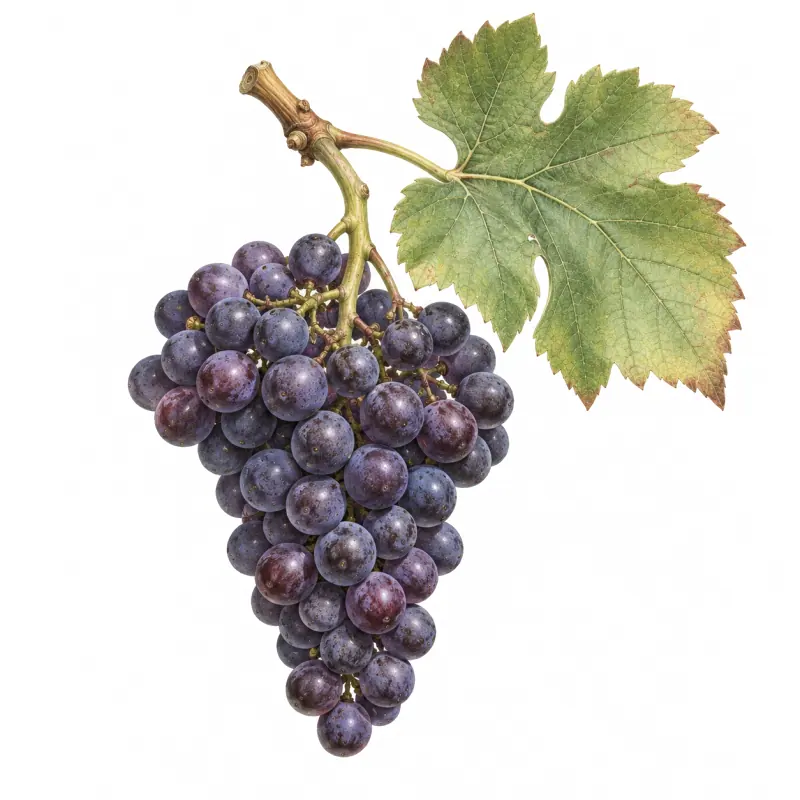 Grape varietyPinot Noir
- Wine regionBordeauxBordeaux, France
- Grape varietyCabernet Sauvignon
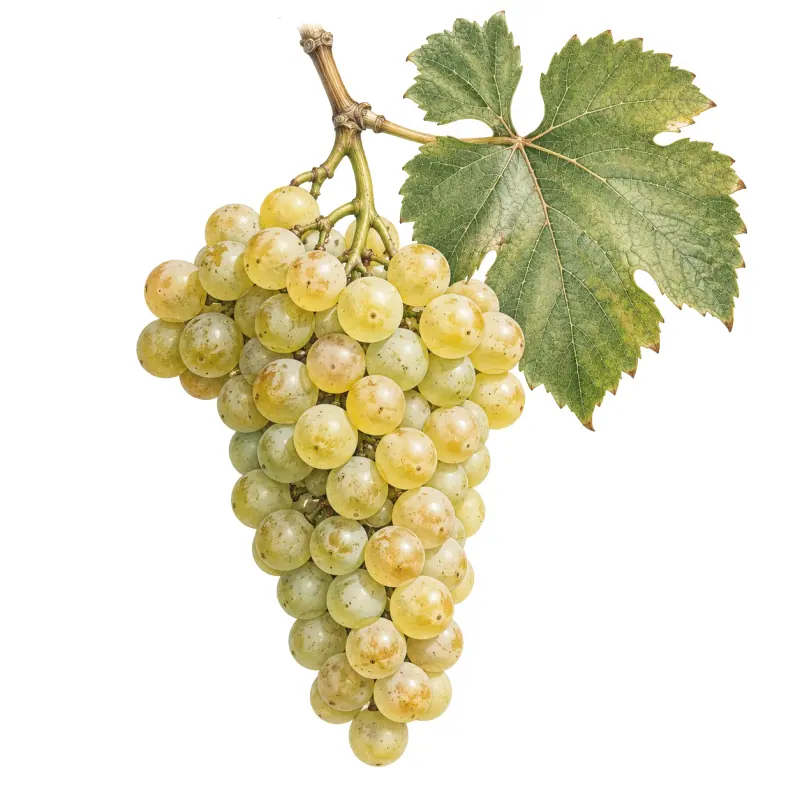 Grape varietyChardonnay