
Wine · Wine region · Short entry
Patagonia
Argentine Patagonia grows vines from about 36° to beyond 45° S, mainly along the Negro and Colorado rivers in Neuquén, Río Negro and La Pampa, with smaller oases in Chubut. The INV counted 3,732 ha in 2022 and describes it as the lowest-lying of Argentina's wine regions. Patagonia has been a geographical indication since 2002 and was the second most used IG on Argentine wine sold in 2022.
From the Alto Valle to the 45th parallel
Wines of Argentina's timeline says European-influenced colonies settled in Patagonia in the 18th and 19th centuries, when the Negro was called the South American Nile. It dates to 1883 and 1909 the first irrigation canal, which grew into a string of agricultural colonies such as General Roca, Cinco Saltos and Fernández Oro, and the first winery, at General Roca in the Alto Valle; the guide's layout does not make clear which date belongs to which event. The 20th century was a productive period until the crisis of 1980. Vine planting in Argentina was deregulated in the 1990s. In 1999 a new wine hub began at San Patricio del Chañar in Neuquén, and in the 2000s planting spread north to Colonia 25 de Mayo in La Pampa and south to Hoyo de Epuyén and Sarmiento in Chubut. The Patagonia IG was approved in 2002.
River oases in a windy steppe
The INV places Patagonian viticulture between 38° and 45° S, at the lowest altitude of any Argentine region, mainly on the banks of the Negro and Colorado. The main area is a long valley that starts at the foot of the Andes where the Neuquén and Limay meet to form the Negro; it includes the Alto Valle and Valle Medio of both rivers. Soils are colluvial and alluvial, of medium to coarse texture. Days are mild and bright, nights cool; late and early frosts are the main limit, and strong dry winds keep fungal disease away. Wines of Argentina describes the Alto Valle de Río Negro as an oasis 160 km long and 10 km wide, with fluvial soils poor in organic matter over gravel of 3-10 cm, frequent winds above 43 km/h from October to December and poplar windbreaks. Neuquén's vines lie at 270-415 m with about 150 mm of rain. The lower Río Negro valley, at about 4 m, receives Atlantic influence and 408 mm. Chubut has the southernmost vineyards, beyond 45° S at Sarmiento.
Acidity and colour from a cool climate
The INV states that the cool climate gives grapes and musts higher acidity and moderate sugar compared with the Andean zones, and that the wide day-night range and low temperatures let red varieties reach more colour than elsewhere in the country; Pinot Noir gives wines of good colour and aroma. Wines of Argentina attributes deep colour to strong winds that thicken skins, a balance of alcohol and acidity to slow ripening, and mineral aromas to whites from Semillon and Sauvignon Blanc; among reds it singles out Merlot, Pinot Noir and Malbec.
A regional GI over provincial ones
Patagonia and Patagonia Argentina form the regional IG. Below it, Neuquén has the IGs Añelo and Confluencia, Río Negro has Avellaneda, General Conesa, General Roca and Pichimahuida, and Alto Valle de Río Negro spans both provinces; the 2024 guide lists El Hoyo, Trevelin and Sarmiento in Chubut. In 2022 Patagonia was the second most used IG in Argentina, with 13% of IG and DOC wine sold. In the 2024 guide's table Malbec covered 1,071.6 ha (34.3% of the region), followed by Pinot Noir (403.7 ha), Merlot (402.0 ha), Cabernet Sauvignon (341.9 ha) and Chardonnay (179.8 ha). The broad regional name coexists with these more focused origins.
Classification
- IG Patagonia / Patagonia ArgentinaRegional IG, approved in 2002.
- Provincial and local IGsNeuquén (Añelo, Confluencia), Río Negro (Avellaneda, General Conesa, General Roca, Pichimahuida), the shared Alto Valle de Río Negro, and in Chubut El Hoyo, Trevelin and Sarmiento.
How it connects
Wine region
- in Argentina
Grape variety
- grows Malbec
- grows Pinot Noir
- grows Merlot
- grows Cabernet Sauvignon
- grows Chardonnay
Continue exploring
- CountryArgentina6 entries in the atlas so far
- Grape varietyPinot Noir
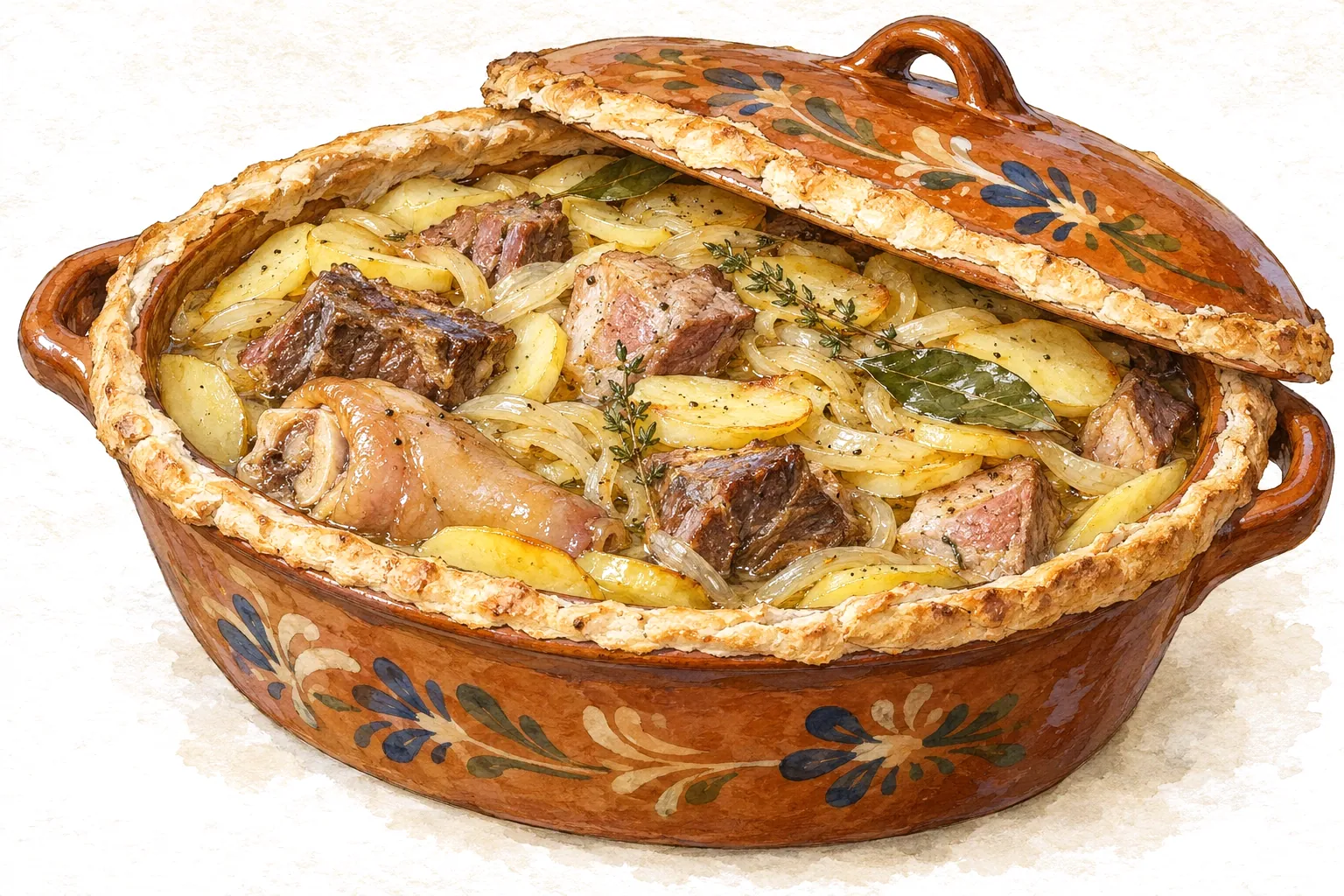 RecipeBaeckeoffeAlsace, France
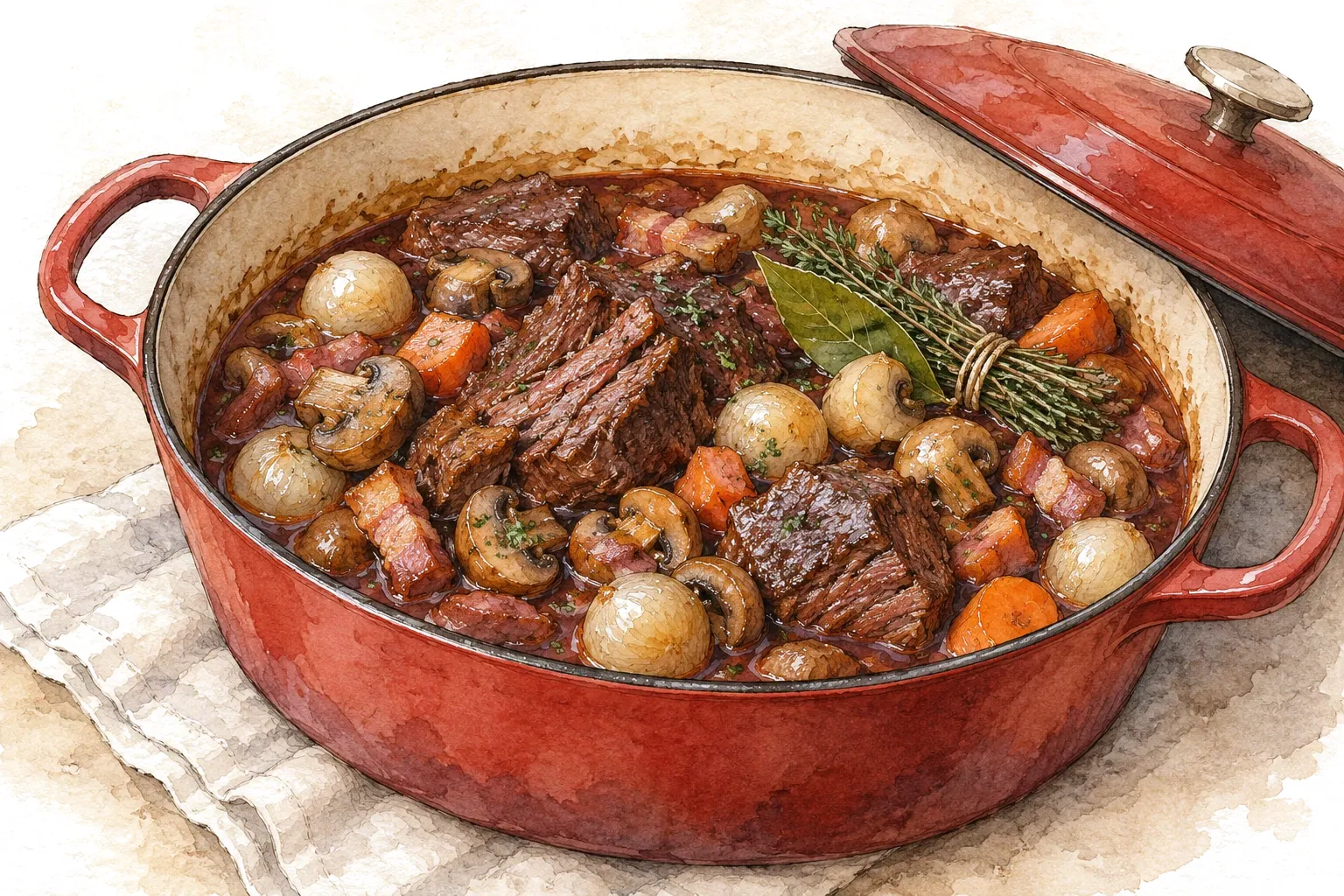 RecipeBœuf bourguignonDijon, France
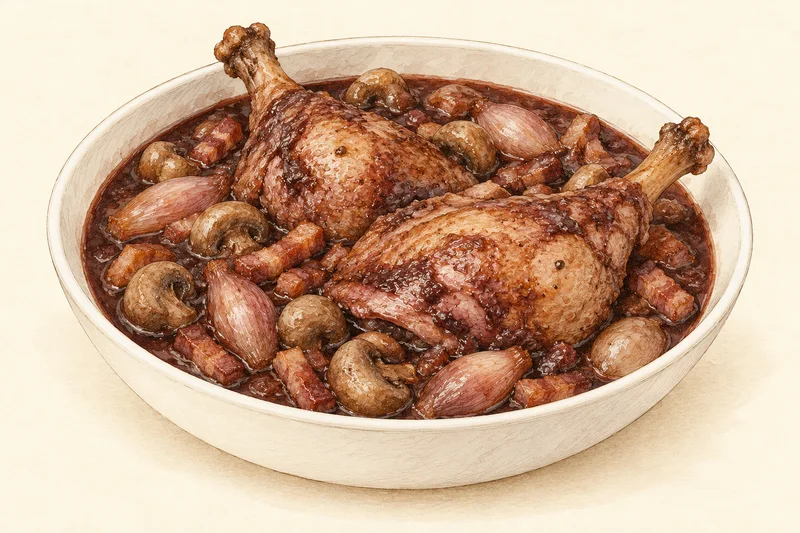 RecipeCoq au vinBurgundy, France
- Grape varietyCabernet Sauvignon
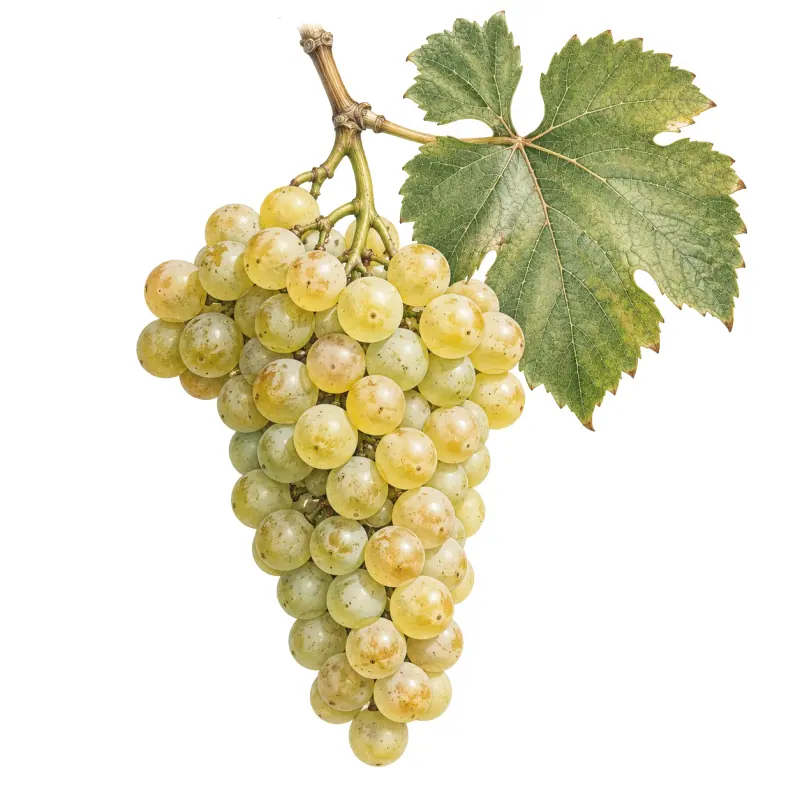 Grape varietyChardonnay
- Grape varietyMalbec
- Grape varietyMerlot
- Wine regionArgentinaArgentina (national overview), Argentina