Wine · Wine region · Short entry
Uco Valley
Valle de Uco
The Uco Valley comprises the departments of Tupungato, Tunuyán and San Carlos south-west of Mendoza city, between 33° and 34° S. The INV counted 29,139 ha of vines there in 2021, 20% of Mendoza's area, after rapid planting of mainly red grapes on the Andean piedmont since the mid-1990s. Valle de Uco was the most used geographical indication on Argentine wine sold in 2022.
Jesuit estates, orchards and the move uphill
Wines of Argentina says Jesuit missionaries were the first colonisers to plant vines in the valley, in the 16th century; Tupungato belonged to a Jesuit encomienda from the 17th century, and San Pablo takes its name from the Estancia San Pablo, a Jesuit mission. Through the 20th century the valley specialised in fruit and vegetables, with vines in a few places such as La Consulta, Eugenio Bustos and Vista Flores. A 1922 book by the oenologist Leopoldo Suárez recorded 16 wineries in San Carlos, and in 1911 he had pointed to the potential of calcareous soils for Semillon and Malbec. Paraje Altamira was planted from 1900. In Tunuyán, from 1995, new land at the foot of the Andes was opened with pressurised irrigation, all above 1,000 m, and drip irrigation spread in Tupungato from the mid-1990s. In 2000 planting began in the higher parts of San Pablo; in 2016 a group of wineries asked for the San Pablo GI to be delimited on scientific criteria, and Paraje Altamira was approved in 2013 and extended in 2016.
A confined oasis on the Andean piedmont
The INV describes the valley as an oasis formed between the Cordillera Frontal and the Huayquerías hills, within the upper Tunuyán basin and irrigated by the Tunuyán and Tupungato rivers. Unlike Mendoza's other large oases it is confined by relief and is the most steeply sloping. Wines of Argentina calls it a graben, a tectonic depression of the Tunuyán, whose streams converge like a fan at El Zampal; rivers, winds and volcanic eruptions built the sedimentary plains now planted. On the high, steep ground soils are stony and poor, with boulders mixed with coarse sand and some silt, and drain freely without salinity problems. In Gualtallary, in Tupungato, vineyards climb from 1,080 to 2,200 m, a difference of about 6 °C in mean temperature, spanning Winkler regions III to I; its soils include Las Tunas river terraces, loess and calcareous desert soils with caliche. Paraje Altamira lies on the alluvial cone of the Tunuyán, with 261 mm of rain a year. The national tourism authority presents the valley's wine routes against the Tupungato peaks, orchards and oases.
Colour and tannin from cold nights
The INV states that the valley's mild days and very cold nights, with a daily range of about 15 °C, favour a high colour index and tannin production in red grapes, allowing wines of high oenological quality. Wines of Argentina says that once the high Tunuyán vineyards matured, from about 2010, it was clear that they produced a different wine style, and that red grapes from Paraje Altamira are noted for colour and acidity. These are the bodies' own assessments.
The country's most used GI
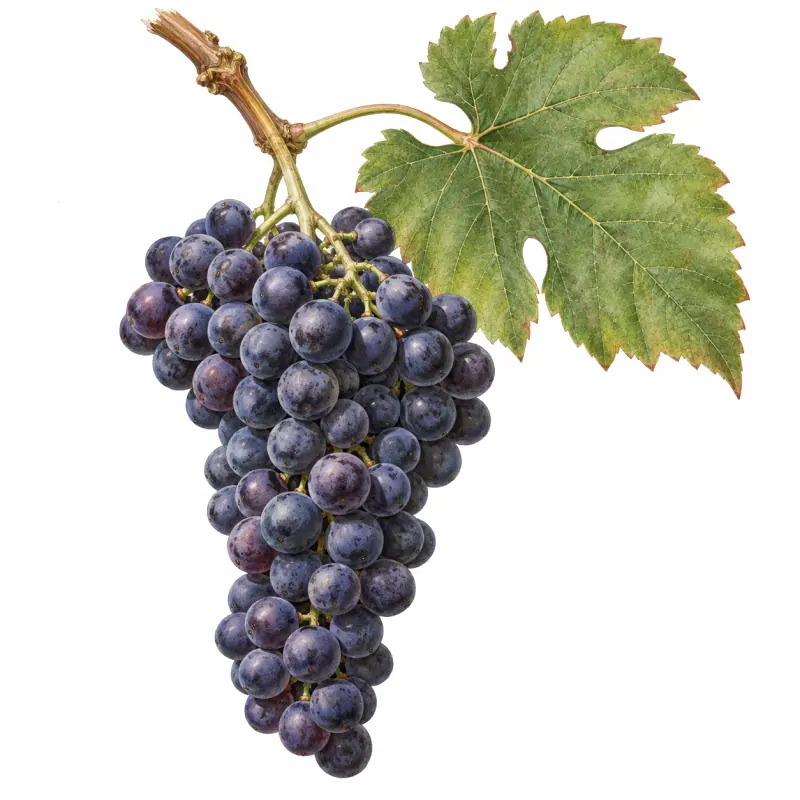
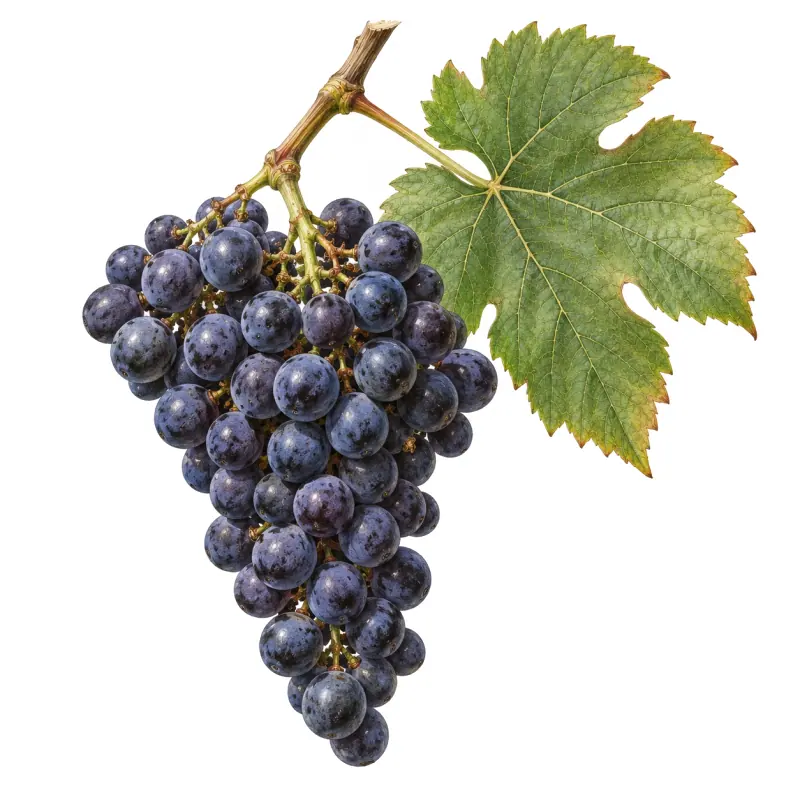
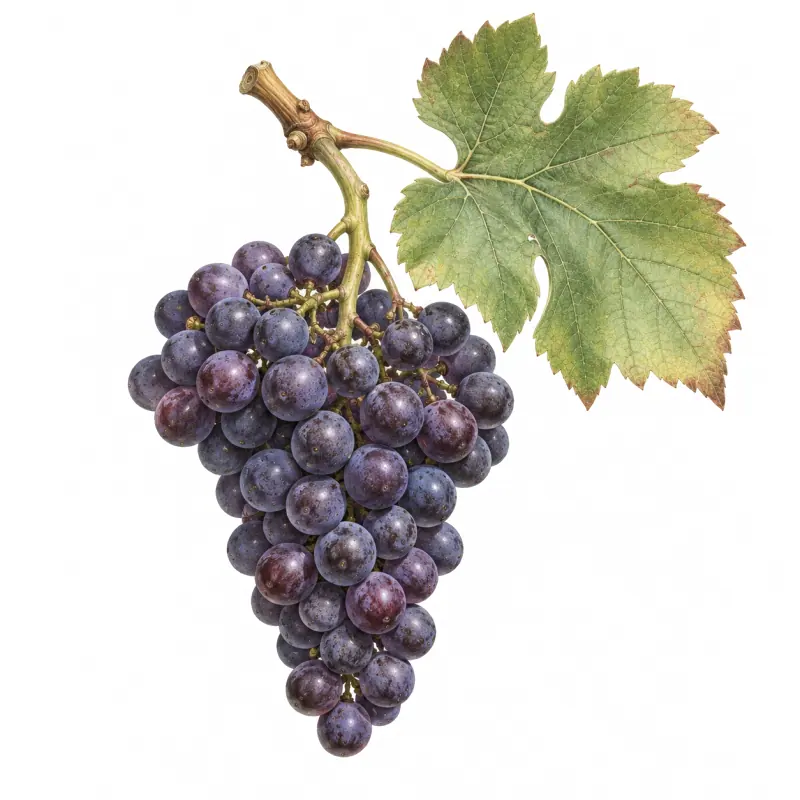
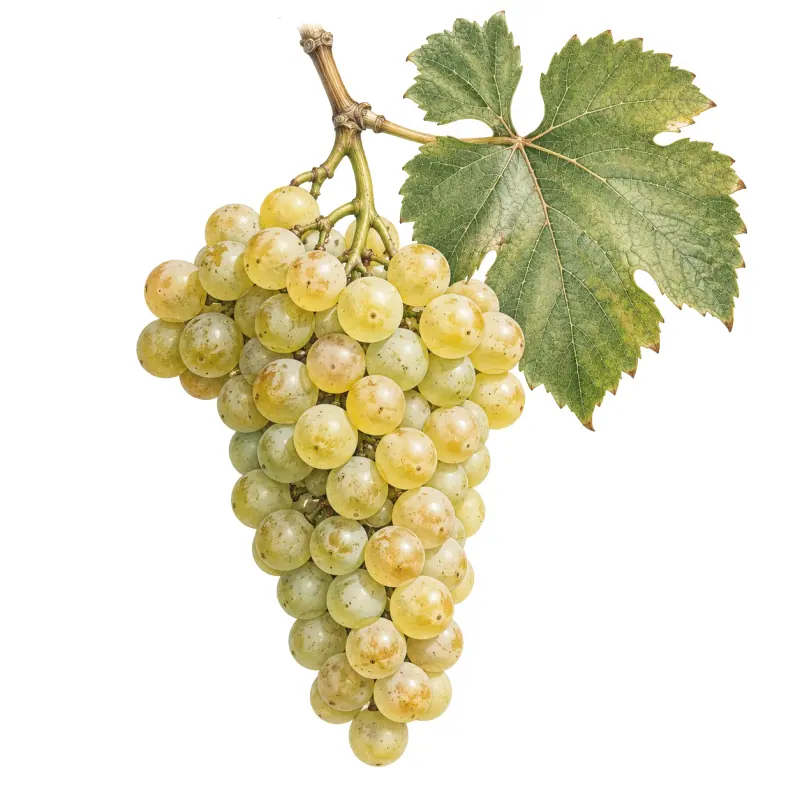
The valley has an umbrella IG, Valle de Uco, department IGs (Tupungato or Valle de Tupungato, Tunuyán, San Carlos) and district IGs: La Consulta, Los Chacayes, Pampa El Cepillo, Paraje Altamira, San Pablo and Vista Flores. San Pablo is not based on political boundaries. Gualtallary was requested by growers and wineries and appears in the INV's 2023 report as a 'mención precaria'. In 2022 Valle de Uco accounted for 41% of all IG and DOC wine sold in Argentina. In 2021 the INV counted 1,309 vineyard owners and 109 wineries; 62% of the wine sold from the valley's wineries was exported. Malbec covered 16,051 ha, 40.9% of Mendoza's Malbec. The national tourism authority also lists Cabernet Sauvignon, Pinot Noir, Chardonnay, Merlot and Sauvignon Blanc; these describe production, not a legal list.
Classification
- IG Valle de UcoThe most used Argentine IG in 2022 (41% of IG/DOC wine sold).
- Department IGsTupungato (Valle de Tupungato), Tunuyán and San Carlos.
- District IGsLa Consulta, Los Chacayes, Pampa El Cepillo, Paraje Altamira (2013, extended 2016), San Pablo and Vista Flores; Gualtallary held a provisional 'mención precaria'.
How it connects
Wine region
- in Mendoza
Grape variety
- grows Malbec
- grows Cabernet Sauvignon
- grows Pinot Noir
- grows Chardonnay
- grows Merlot
- grows Sauvignon Blanc