
Wine · Wine region · Short entry
Touraine
Touraine
Touraine is the historic district around Tours and the name of a broad AOC across 143 communes along the Loire, Cher, Indre and Vienne. Sauvignon Blanc leads its whites, Côt and Cabernet Franc its reds, and five complementary names (Amboise, Azay-le-Rideau, Chenonceaux, Mesland and Oisly) mark stricter local areas. This entry concerns AOC Touraine, not every appellation in the district.
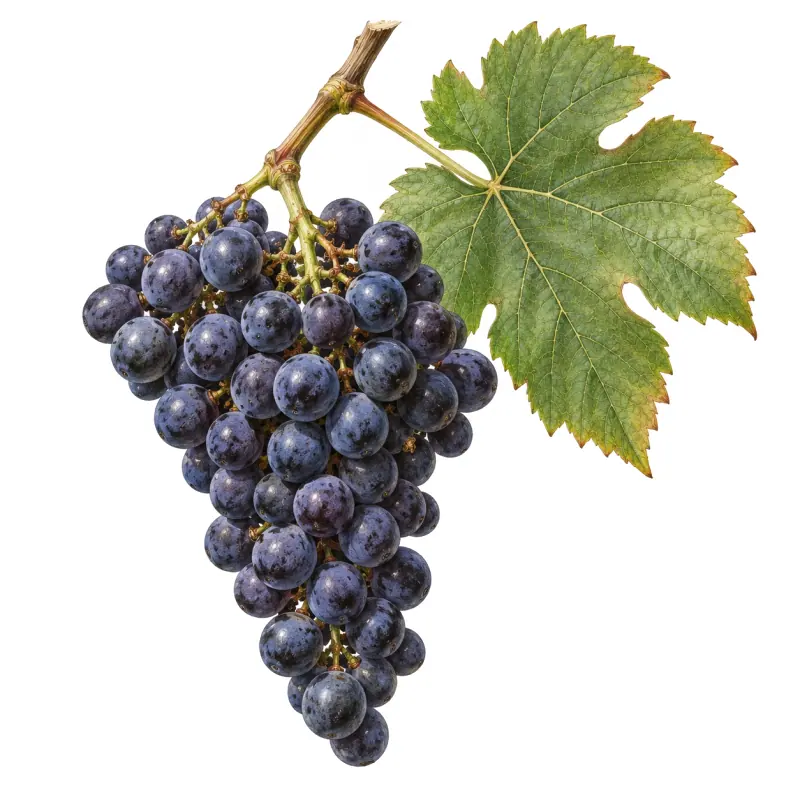
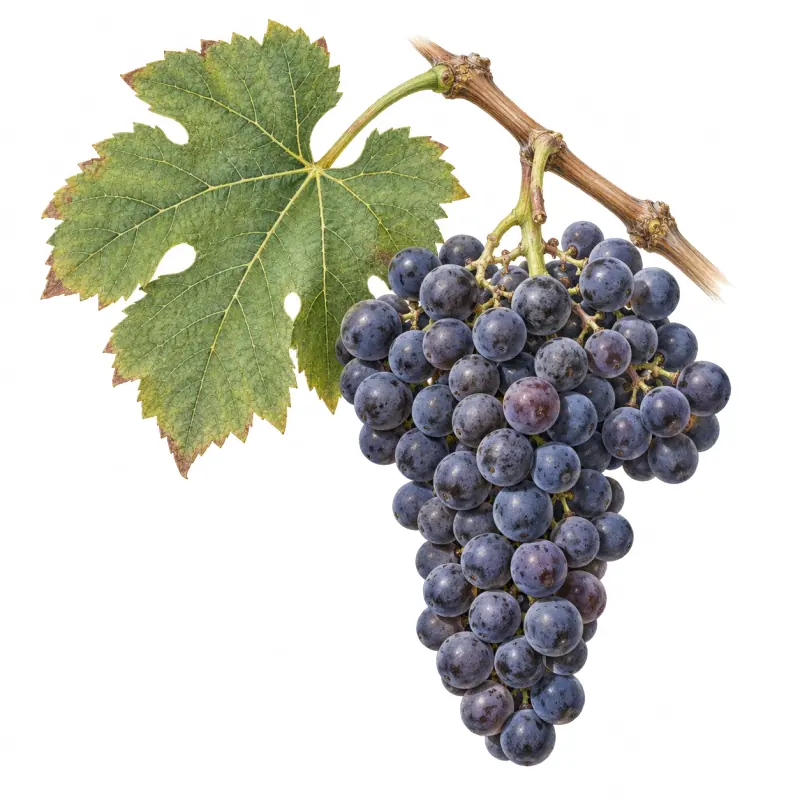
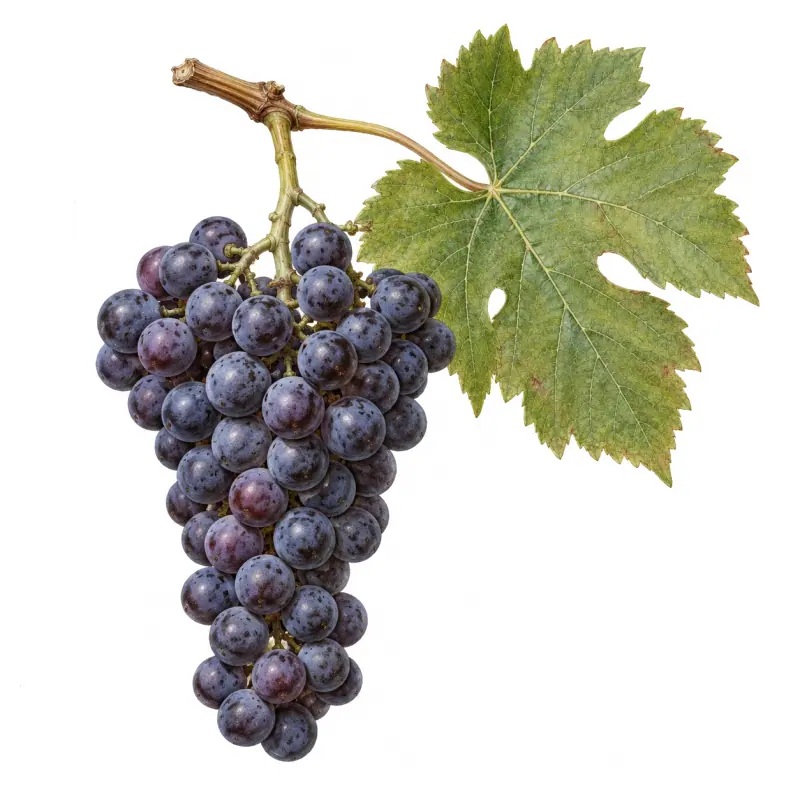
From a Roman press to five local names
The remains of an old press found at Cheillé, near Azay-le-Rideau, show vines in Touraine by the second century. The Church drove expansion between the eighth and twelfth centuries, and the royal court in the Loire châteaux in the sixteenth century raised the fame of certain crus. The Edict of twenty leagues (1577), which banned vineyards around Paris, helped production grow, and Gamay arrived from the Lyon area. The best wines left for Holland and England through the customs post at Ingrandes-sur-Loire and were called "vins de la mer". An agricultural survey of 1804 named Côt the main grape of the Cher slopes.
After phylloxera growers replanted with grafted Gamay and Sauvignon Blanc. AOC Coteaux de Touraine was recognised in 1939 and renamed Touraine in 1953, when Azay-le-Rideau was added; Amboise and Mesland followed in 1955, Chenonceaux and Oisly later. In 2009 about 800 growers farmed 4,500 ha.
A plateau cut by four rivers
The zone is a gently rolling plateau in the south-west of the Paris Basin, where the Cher, Indre and Vienne join the Loire. The vineyard stretches over about 100 km along the valleys, except in the Sologne viticole to the east, where it sits on the plateau between the Cher and the Loire. InterLoire places much of it south-east of Tours, between the Loire and Cher or on slopes above the Cher. Altitude rarely exceeds 100–120 m. Delimited parcels lie on draining soils, mainly over Turonian and Senonian rocks, of three kinds: clay-with-flint mixed with Miocene sand (bournais perrucheux); clay-with-flint (perruches) or stony clay-limestone soils (aubuis) on the first slopes; and gravel on old alluvial terraces. Surface flints raise heat exchange in the soil during ripening.
The climate is oceanic, fading east of the meridian of Tours, with rain rising from about 550 mm in the west to 650 mm in the east and a wider temperature range.
West and east of the Tours meridian
The specification describes round wines with fresh, balanced finishes. Whites, often pale gold, range from citrus and exotic fruit to white flowers; Sauvignon Blanc, two-thirds of production in 2009, does best on perruches and aubuis. Gamay on clay-with-flint gives fruity, lively reds. Reds east of the Tours meridian are built on Côt, those west of it on Cabernet Franc, which gives elegant, powerful wines with red and black fruit. Each complementary name has its own character: Azay-le-Rideau rosés must be made by direct pressing, and Oisly makes only dry Sauvignon Blanc on Sologne sands, gravels and faluns. Sparkling wines rest on an acid structure, with brioche notes after long ageing on laths.
A name with geographical additions
AOC Touraine covers still whites, reds and rosés (decree of 24 December 1939) and white and rosé sparkling wines (16 October 1946). Whites are Sauvignon Blanc with up to 20% Sauvignon Gris. Reds have Côt as principal grape, at least 40%, with Cabernet Franc, Cabernet-Sauvignon, Gamay and Pinot Noir; estates entirely west of the Tours meridian may use Cabernet Franc as sole principal grape, at 90% or more. Touraine Gamay is at least 75% Gamay. White sparkling wine must contain at least 60% Chenin or Orbois.
The complementary names have their own grapes: Chenin for Amboise, Azay-le-Rideau and Mesland whites, Sauvignon Blanc for Chenonceaux and Oisly whites, Côt for Amboise and Chenonceaux reds, and Gamay for Mesland reds. Base yields are 65 hl/ha for whites and 60 for reds and rosés. Vouvray, Chinon and Montlouis-sur-Loire are separate AOCs.
How it connects
Wine region
- in Loire Valley
Grape variety
- grows Sauvignon Blanc
- grows Malbec
- grows Cabernet Franc
- grows Gamay
- grows Chenin
Continue exploring
- CountryFrance162 entries in the atlas so far
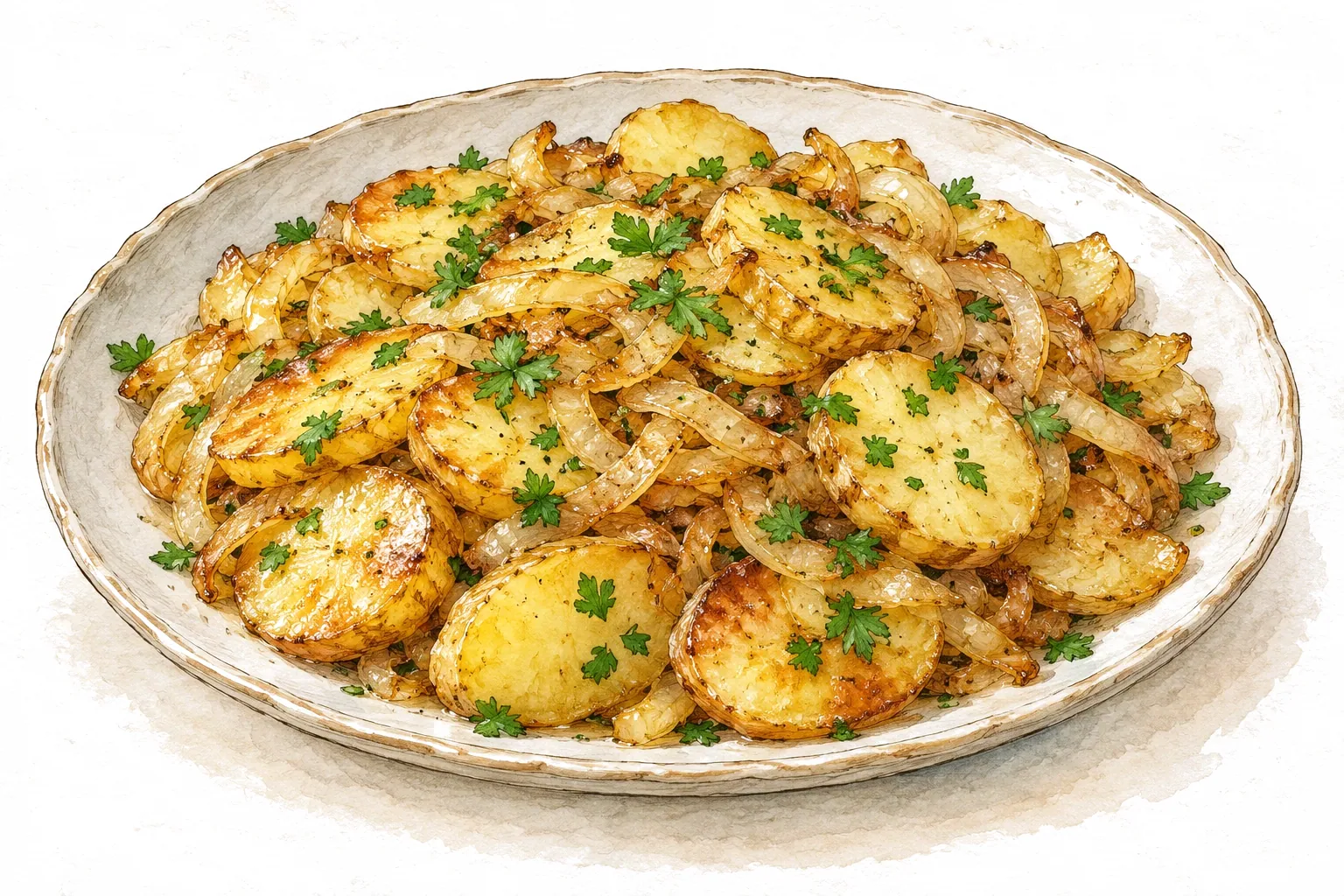 RecipePommes de terre à la lyonnaiseLyon, France
- Grape varietyCabernet Franc
- Grape varietyCheninFrance
- Grape varietyGamay
- Grape varietyMalbec
- Grape varietySauvignon BlancFrance
- Wine regionLoire ValleyNantes, France
 StoryThe Cistercians and the Clos de VougeotVougeot, France
 Grape varietyPinot Noir