Wine · Wine region · Short entry
Chinon
Chinon
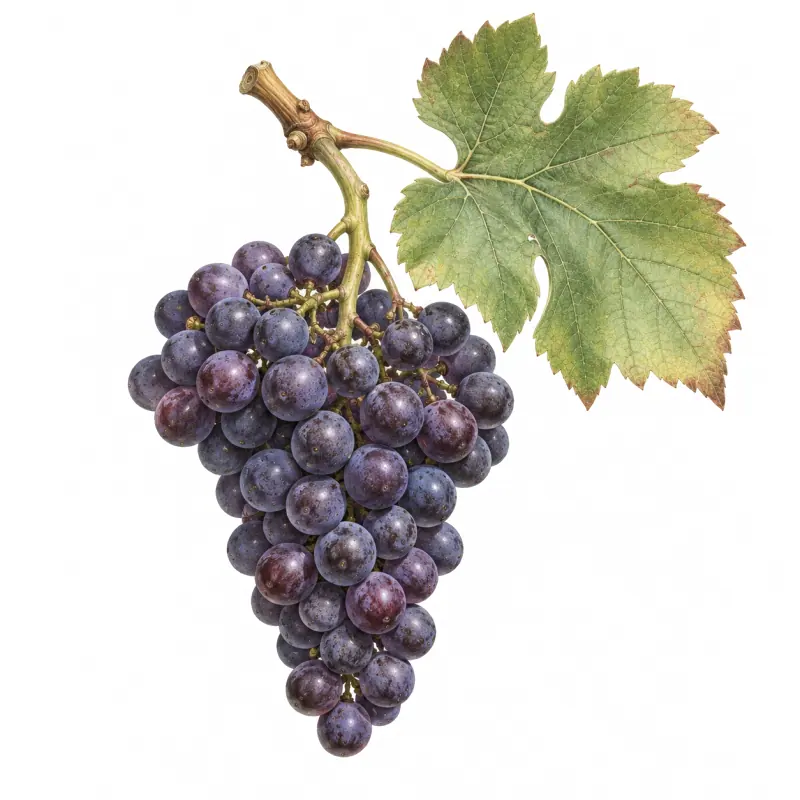
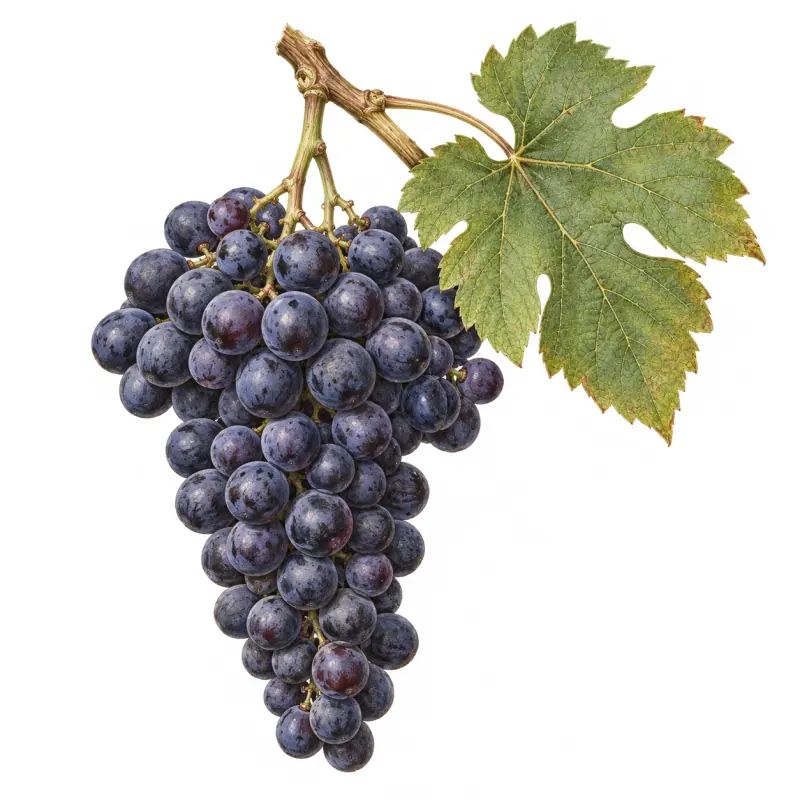
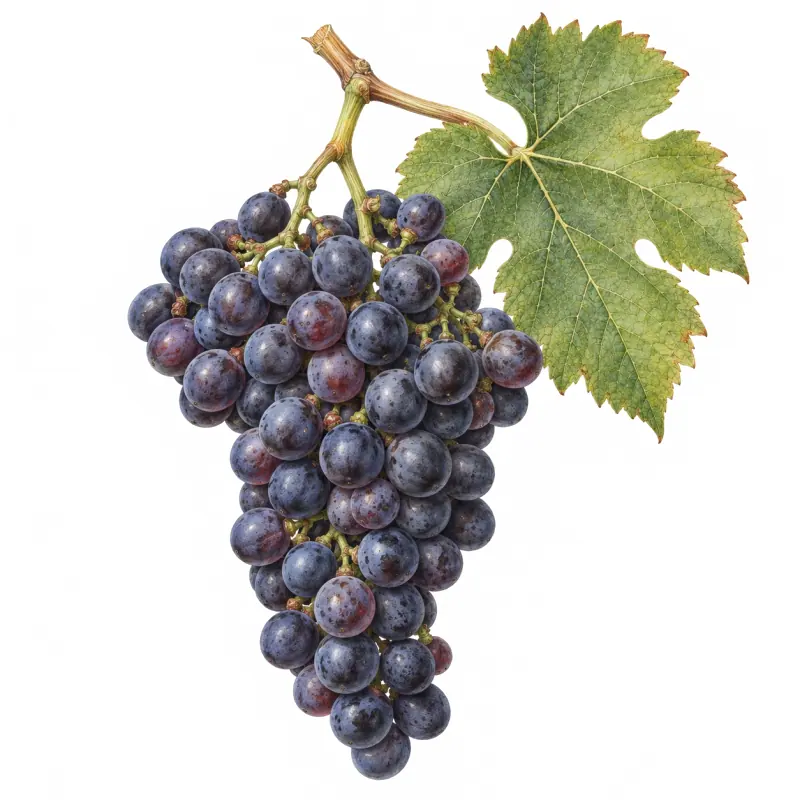
Chinon lies around the meeting of the Vienne and the Loire at the western end of Touraine. Cabernet Franc, locally called Breton, makes about 90% of its wine as red, alongside rosé and a little Chenin white. Its soils range from Turonian tuffeau slopes to the sand and gravel of the Vienne.
Plantagenet fortress and Rabelais's Breton wine
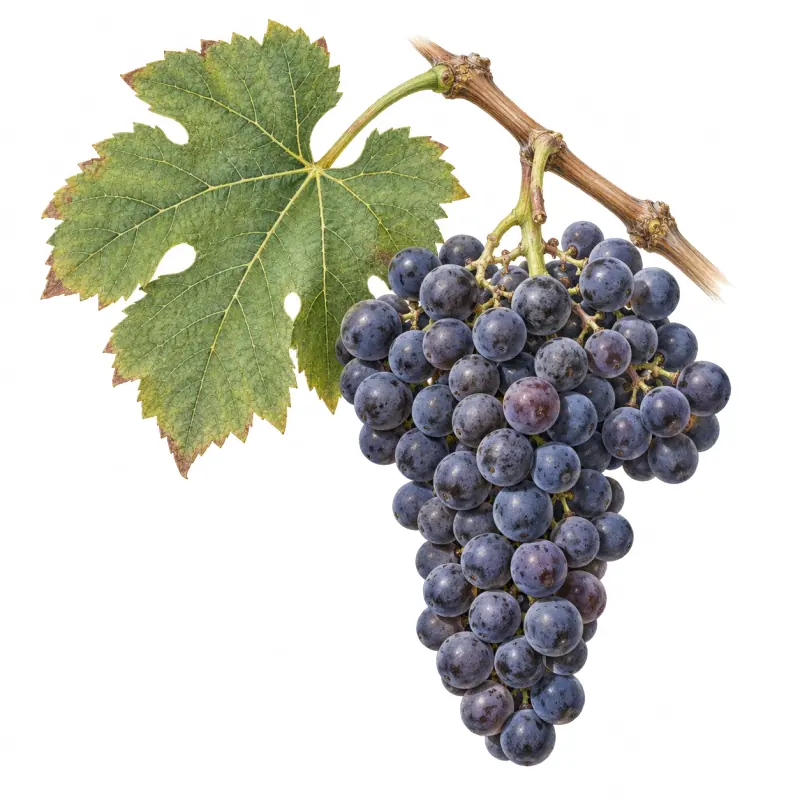
Archaeological finds across Touraine, from vine pollen and pips to presses and amphora workshops, show wine made and exported since Antiquity, and Chinon, a road and river junction at the mouth of the Vienne, grew vines in Gallo-Roman times. An eleventh-century life of Saint Mexme tells of a Chinon owner shipping his wine down the river to Nantes for a better price. Under the Plantagenets Chinon became the centre of a vast fief and its wines reached the court. Cabernet Franc came up the Loire from Nantes at that time, hence its local name Breton. Rabelais, born near Chinon around 1490, wrote in Gargantua (1534) of "this good Breton wine, which does not grow in Brittany but in this good land of Véron".
Growers formed a defence syndicate on 24 May 1937, and the AOC followed on 31 July 1937. The vineyard grew from 550 ha in 1937 to 2,400 ha in 2009.
Three vineyard settings
Vines follow the Vienne valley and the left banks of the Indre and the Loire. On both sides of the Vienne they occupy slopes and plateau edges; in the Véron, the confluence with the Loire, the landscape is more open. Across 26 communes of Indre-et-Loire the most typical soils come from Upper Cretaceous sediments (Cenomanian, soft Turonian chalk and Senonian clay-flint) or from the filtering sand and gravel of the Vienne's flood bed. Delimited parcels keep brown or shallow soils on glauconitic Turonian chalk and shallow sandy-clay or sandy-gravel soils.
The climate is oceanic to semi-continental and warmer and drier than the rest of the region. Mild spring temperatures allow early budbreak, and southern plants such as magnolias, figs and palms grow there. Air currents generated by the two rivers drain away cold air. Quarries dug in the tuffeau at the foot of the slopes later served for winemaking and storage.
Tuffeau structure, gravel fruit
The specification describes Cabernet Franc, a mid-season grape, as close to its limit here, and credits the confluence climate with authentic, elegant wines. Turonian soils give reds with good tannic structure; sandy-clay and sandy-gravel soils give fruitier wines, and producers blend wines from both. Reds range from dark ruby to deep garnet, with small red and black fruit and present but rounded tannins; some richer wines repay a few years and develop smoky, cocoa or spicy notes. Rosés are fresh, with red and white fruit and sometimes citrus or pepper. Whites have natural acidity that lets fruit and flowers evolve towards honey, toasted almond or quince.
Cabernet country with a white counterpart
Chinon is reserved for still white, red and rosé wines, all dry according to the specification. Reds and rosés are made from Cabernet Franc, with Cabernet-Sauvignon limited to 10% of plantings; whites are Chenin only. The base yield is 55 hl/ha. In 2009 reds made about 90% of volume, rosés 8% and whites 2%, when a little over 200 growers produced an average of 125,000 hl.
InterLoire describes reds ranging from lighter, fruit-led bottlings to more structured wines for keeping. The confrérie of the Entonneurs rabelaisiens, created in 1961, promotes the wines.
How it connects
Wine region
- in Loire Valley
Grape variety
- grows Cabernet Franc
- grows Chenin