
Wine · Wine region · Short entry
South-West France
South-West France
South-West France is a scattered group of vineyards from the Massif Central to the Pyrenees and from the Garonne to the Basque coast, across Occitanie and Nouvelle-Aquitaine. The regional wine body groups them into six areas: Aveyron, the Tarn basin, the Lot valley, the Garonne basin, Gascony and the Pyrenean foothills. It is a geographic grouping of separate appellations, not a single AOC.
Pilgrims and river boats
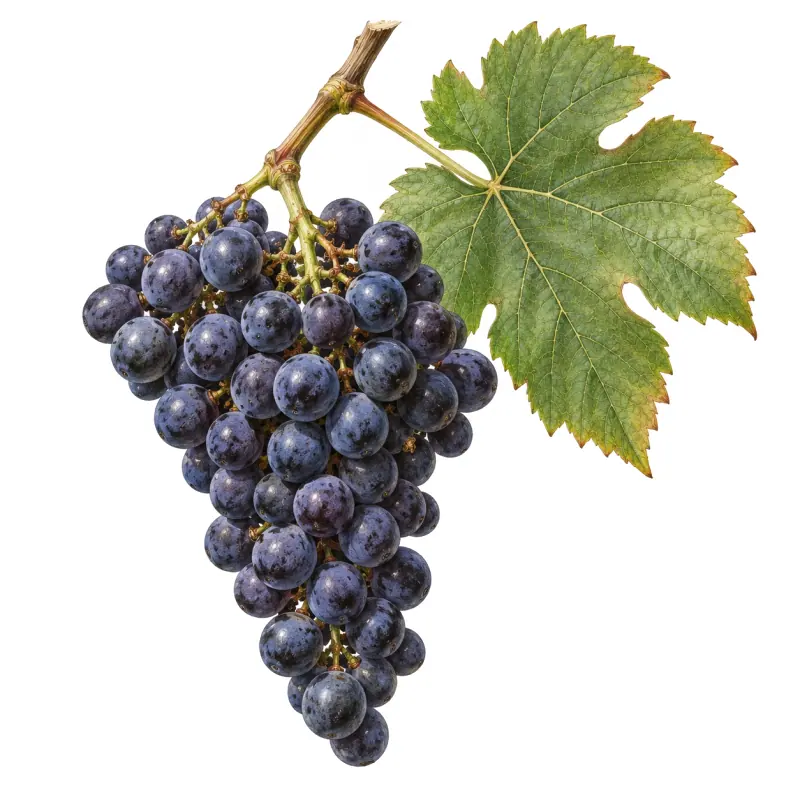
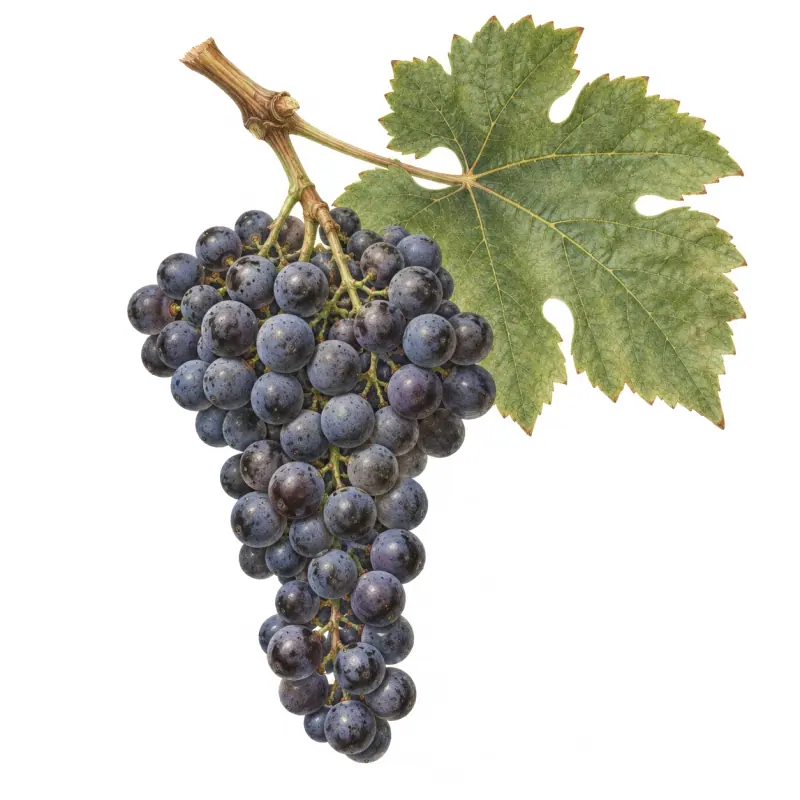
The regional wine body dates the growth of the vineyards to the Roman conquest. It adds two local factors. Between two mountain ranges and two seas, the region is humid and favoured wild vines, and native grapes emerged; it describes Cabernet Franc as born in the Basque Pyrenees. Pilgrim routes to Santiago de Compostela brought abbeys and monasteries that grew vines and spread grapes: by its account Côt and Cabernet Franc reached Bordeaux and then the Loire this way. The Garonne, into which the Tarn, Lot, Aveyron and Ariège flow, carried the wines on gabarres. The Cahors specification adds that the jurats of Bordeaux long regulated the river trade in these "haut-pays" wines. In the late nineteenth century phylloxera and then mildew ruined the vineyards, which later generations rebuilt.
A constellation of vineyards
The vineyards run from the Massif Central to the Pyrenees and from the banks of the Garonne to the Basque coast, in six groups: Aveyron, the Tarn basin, the Lot valley, the Garonne basin, Gascony and the Pyrenean foothills. Landscapes range from river plains and gentle slopes to mountain foothills and sandy landes; between two massifs many vines are terraced, and hillsides drain better and have less mist than the plains. The Garonne collects the Ariège, Aveyron, Tarn and Lot, while the Adour and the Nive water the Pyrenean foothills. Oceanic influence is strongest in the west, with wet springs and usually sunny, dry autumns; continental influence grows to the north-east and Mediterranean influence to the south. The Autan is said to clean the air, and on the Pyrenean foothills a warm, dry foehn from Spain blows on nearly one day in three, notably in autumn.
Local grapes, local styles
The wine body credits the mix of influences and the isolation of the vineyards with a wide range of distinct wines. Where woods and rivers meet, autumn morning mists followed by sunny afternoons favour noble rot, which concentrates sugar for sweet wines. The appellation specifications give their own accounts: dark, tannic reds from Côt at Cahors and from Tannat at Madiran, and whites of marked liveliness from the Manseng grapes at Jurançon, where the foehn helps grapes shrivel on the vine.
Local grapes and separate appellations
The South-West is a geographic and wine-cultural grouping rather than one AOC. Its appellations define their own grapes and rules. Cahors is red only, with at least 70% Côt (Malbec). Madiran is red only, with at least 60% Tannat. Jurançon is white only, from Petit and Gros Manseng with accessory local grapes, in sweet, dry (sec) and vendanges tardives versions. Other areas keep their own varieties and blends. Treating all regional reds, whites or sweet wines as one style hides these differences.
How it connects
Grape variety
- grows Malbec
- grows Tannat
- grows Petit Manseng
- grows Gros Manseng
Recipe
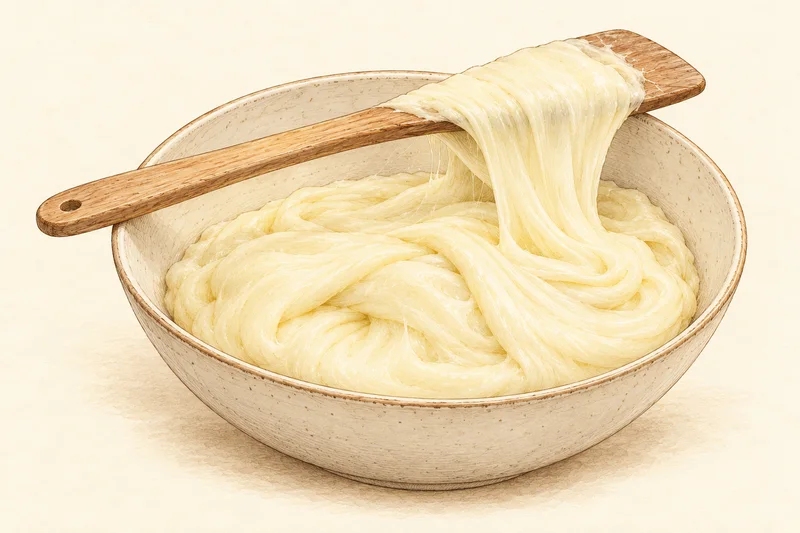
- pairs with Aligot
Continue exploring
- CountryFrance162 entries in the atlas so far
 RecipeAligotAubrac, Laguiole, France
- Grape varietyGros MansengFrance
- Grape varietyMalbec
- Grape varietyPetit MansengFrance
- Grape varietyTannat
- Wine regionCahorsCahors, France
- Wine regionJurançonJurançon, France
- Wine regionMadiranMadiran, France
 PotatoBintjeFriesland, Netherlands