
Wine · Wine region · Short entry
Madiran
Madiran
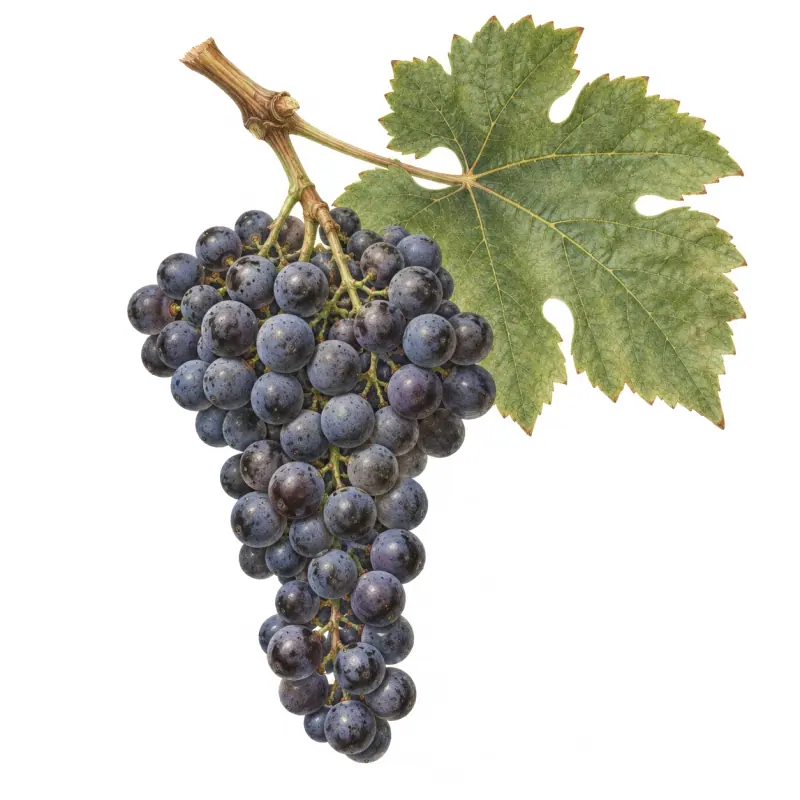
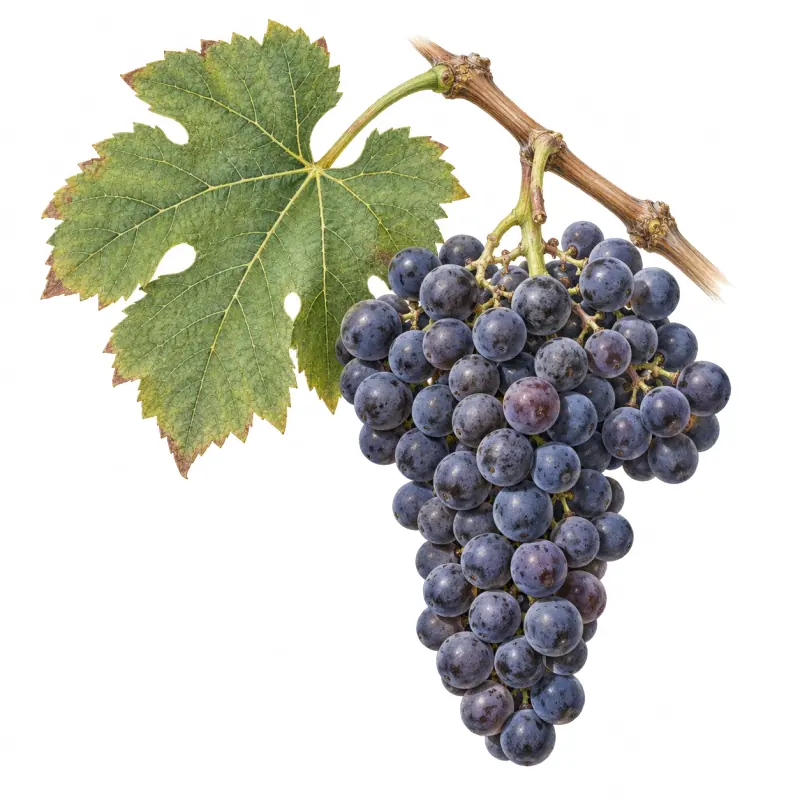
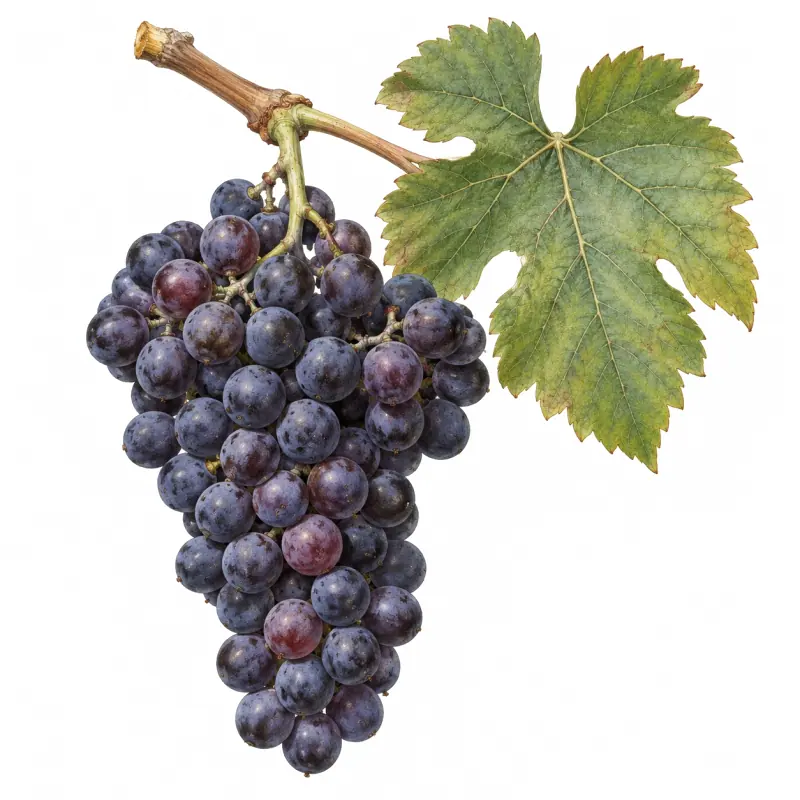
Madiran is a red-wine appellation in the Pyrenean foothills south and west of the Adour, across 37 communes of the Pyrénées-Atlantiques, Hautes-Pyrénées and Gers. Tannat must make up at least 60% of each holding's vines, with Cabernet Franc, Cabernet-Sauvignon, Fer and Manseng Noir as accessories. The AOC dates from 1948.
Wine for the mountains and the Antilles
Archives of the priory of Madiran show vines everywhere in the area by the early thirteenth century. From the fifteenth century merchants from Bigorre and Béarn came to buy wine for the Pyrenean valleys, and growers traded it for timber and building stone. Notarial records of the sixteenth and seventeenth centuries describe vines in rows at about 4,000 per hectare on high trellises. In the seventeenth century a new market opened in the French Antilles. Both markets wanted dark, concentrated, tannic wines that kept, and to the old Fer and Bouchy (Cabernet Franc) growers added Tannat. The name Madiran is first cited in 1744, and the vineyard reached 5,000 ha by the end of the eighteenth century. Growers' syndicates formed in 1906 and 1936, the AOC was recognised by decree on 10 July 1948, and Viella was added in 1966. After a long decline the vineyard has grown since the early 1980s to about 1,300 ha.
Five ridges of molasse
The area lies south and west of the Adour, on a belt of hills formed by five parallel ridges running roughly north to south, between the Adour valley to the east and a silty plateau to the west. The ridges are mainly Tertiary molasse, continental deposits eroded from the Pyrenees, largely marls with some limestone beds near the foot of the slopes, capped by gravelly clays and a pebble sheet. Steep west-facing slopes expose the molasse and carry clay-limestone soils; gentle east-facing slopes and the plateaus are covered with wind-blown silts and acid leached soils called boulbènes, often wet and deep unless enriched with gravel or pebbles. Vines are scattered on the slopes among maize and livestock. The climate is mild and fairly humid, with fresh, wet springs and hot, often dry summers and autumns, when a warm, dry foehn-type south wind blows about one day in three.
Tannat tamed
The specification says markets for concentrated, tannic red wines that kept shaped local practice from the fifteenth century, and made Tannat essential to the blend. Tannat is vigorous, fairly late and sensitive to grey rot, but ripens here because well-oriented slopes shed excess rain and are sunnier and warmer. Growers seek phenolic ripeness and adapt maceration to the tannins. The wines have red and black fruit, fresh and fruity at first, developing toward candied fruit and spice; they combine roundness and richness with a fresh finish and age well.
Tannat at the centre
Madiran is reserved for still red wine. Tannat is the principal grape, at least 60% of each holding's vines; Cabernet Franc, Cabernet-Sauvignon, Fer (locally Pinenc) and Manseng Noir are accessories. The base yield is 55 hl/ha. Destemming is compulsory, and the wines are aged until 15 April of the year after the harvest so that the tannins soften before sale. The cooperatives of Saint-Mont (1948) and Crouseilles (1950) make Madiran, and the vineyard is shared almost equally between private and cooperative cellars.
How it connects
Wine region
Grape variety
- grows Tannat
- grows Cabernet Franc
- grows Cabernet Sauvignon
- grows Fer Servadou
Continue exploring
- CountryFrance162 entries in the atlas so far
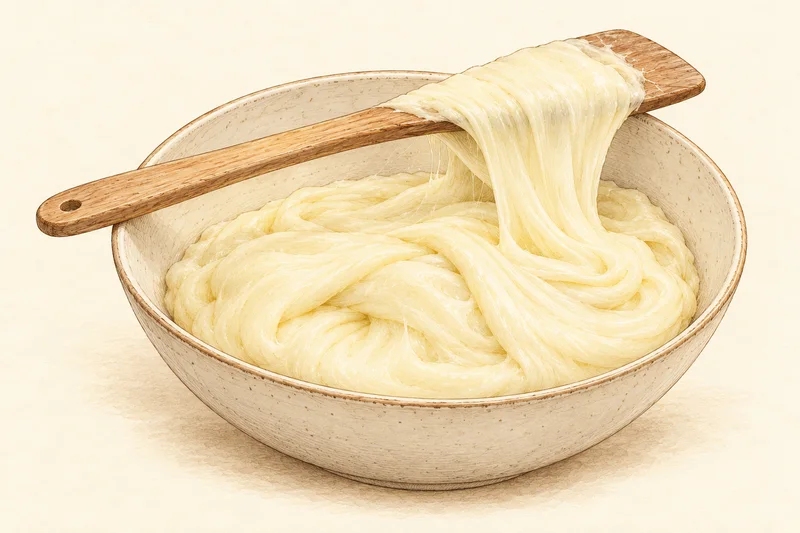 RecipeAligotAubrac, Laguiole, France
- Grape varietyCabernet Franc
- Grape varietyCabernet Sauvignon
- Grape varietyFer Servadou
- Grape varietyTannat
- Wine regionSouth-West FranceCahors, France
- Wine regionBordeauxBordeaux, France
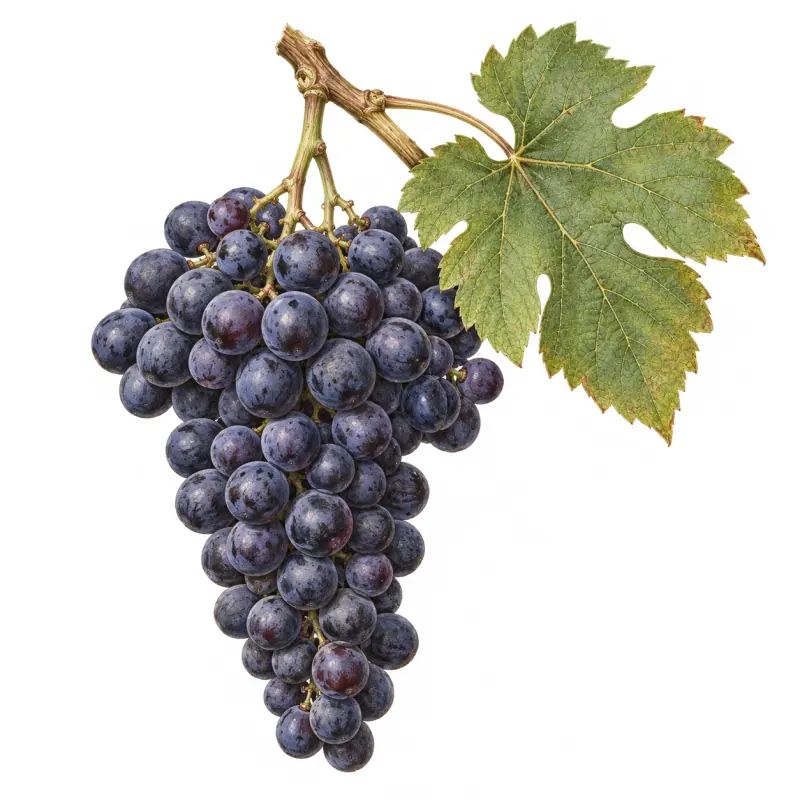 Grape varietyCarmenère
- Grape varietyGros MansengFrance