
Wine · Wine region · Short entry
Jurançon
Jurançon
Jurançon is a white-wine appellation of 25 communes in the hills south and west of Pau, on the northern foothills of the Pyrenees. Petit Manseng and Gros Manseng are its principal grapes. Sweet wines were recognised in 1936, dry wines (Jurançon sec) in 1975 and the vendanges tardives mention in 1995.
The wine of the court of Navarre
A mosaic of vine leaves and grapes was found in an Aquitano-Roman villa at Jurançon, but the specification thinks the vineyard developed mainly in the fourteenth century, as a growing population cleared the hillsides. In the fifteenth century the viscounts of Béarn settled at Pau and bought vines on the nearby hills; a privilege let owners bring their own wine into town at reduced duty. In 1550 Henri II, king of Navarre, and his daughter Jeanne d'Albret owned vines at Jurançon, and the For de Béarn of 1551 gave wine a large place. The grape "Mansengue" is cited from the sixteenth century, and Petit Manseng, Gros Manseng, Camaralet and Courbu appear in eighteenth-century records, when exports went to Holland through Bayonne. Disease and two world wars reduced the vineyard from 6,000 ha to under 600 ha. The sweet wines became an AOC by decree on 8 December 1936, the dry wines in 1975, and the Gan cooperative, founded in 1949, now makes 60% of the volume.
Hilltops, cirques and the foehn
The vineyard lies on the northern foothills of the Pyrenees, scattered but mostly on the tops of the hills. The specification divides it into three parts. In the north-east the Jurançon poudingue, a conglomerate of pebbles in a calcareous cement, weathers to stony clay. In the south, flysch of alternating hard and soft beds, tilted north by the rise of the Pyrenees, forms east–west ridges with slopes facing south. In the west the geology mixes flysch, poudingue, summit pebble sheets and molasse. Soils are mostly clayey and very stony, except on north-facing slopes, where loess gives silt. Slopes are often steep, with tight cirques in the poudingue, and many vines stand on terraces. Rain is high, about 1,200 mm a year with no dry season, and sunshine moderate, about 1,900 hours; but a warm, dry foehn-type south wind blows about one day in three in autumn and spring, drying and warming the air. Clos Lapeyre describes tall trellising and the Mansengs' early budbreak and late ripening.
Acidity against sugar
The specification describes wines marked by liveliness: acidity balances alcohol and residual sugar, giving freshness without heaviness. Young wines show fruit and flowers; with age they gain dried fruit and spice, and they can last from a few years to several decades. Vendanges tardives wines, from grapes left to shrivel on the vine into autumn, are richer in sugar and more intense. Dry wines are lively but fat. It credits the steep slopes and cirques, sunny and quick to drain, the autumn foehn, and late, thick-skinned local grapes that resist grey rot, picked in successive passes.
Sweet, dry and late-harvest
Jurançon is reserved for still white wine. Gros Manseng and Petit Manseng are the principal grapes, together more than 50% of the vines; Camaralet de Lasseube, Courbu, Petit Courbu and Lauzet are accessories. The dry wine must carry the word "sec". The vendanges tardives mention, possible since 1995, is reserved for wines from Petit and Gros Manseng alone. Base yields are 40 hl/ha for Jurançon and vendanges tardives and 60 for Jurançon sec. About 60 private cellars and the Gan cooperative share the vineyard, which covered about 1,200 ha in 2010.
How it connects
Wine region
Grape variety
- grows Petit Manseng
- grows Gros Manseng
- grows Courbu
Continue exploring
- CountryFrance162 entries in the atlas so far
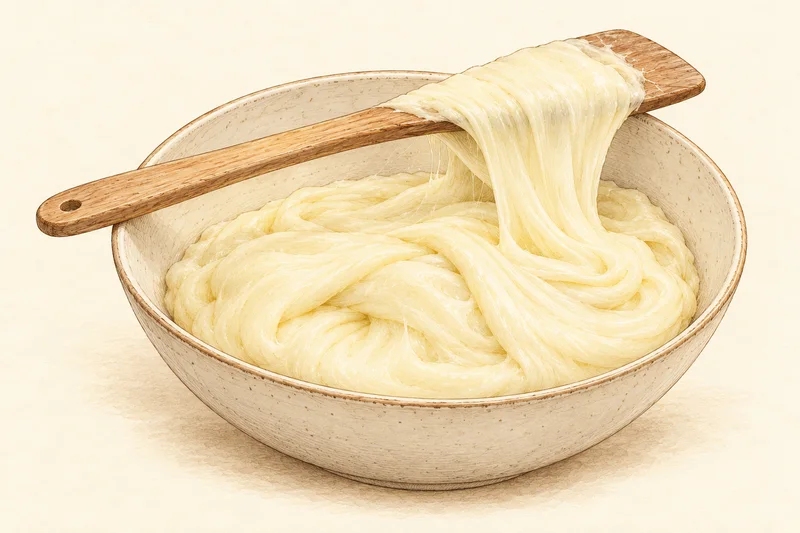 RecipeAligotAubrac, Laguiole, France
- Grape varietyCourbuFrance
- Grape varietyGros MansengFrance
- Grape varietyPetit MansengFrance
- Wine regionSouth-West FranceCahors, France
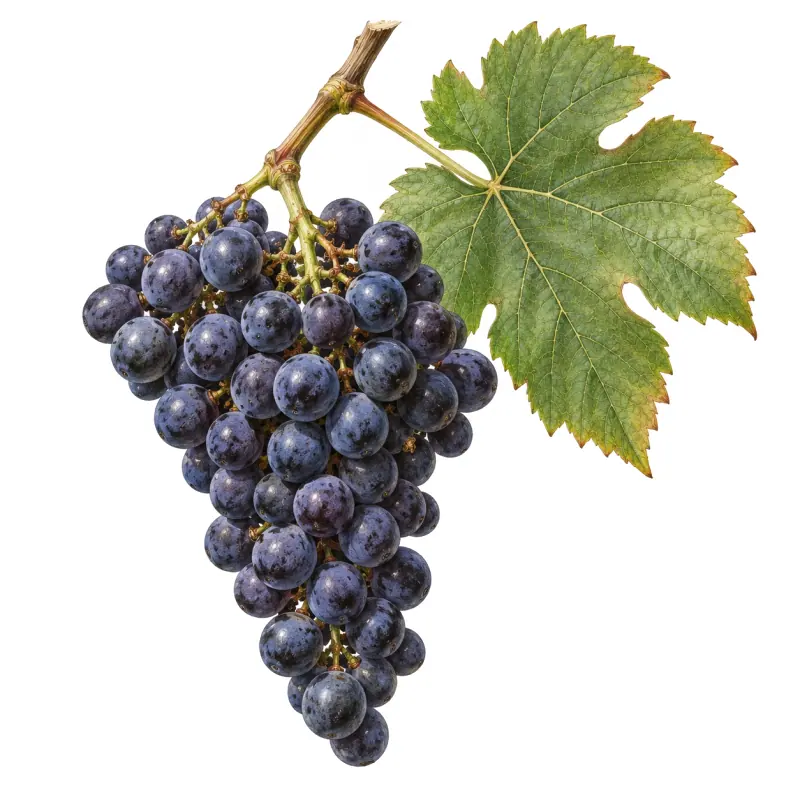 Grape varietyMalbec
- Grape varietyPetit CourbuFrance
- Grape varietySavagnin blancFrance
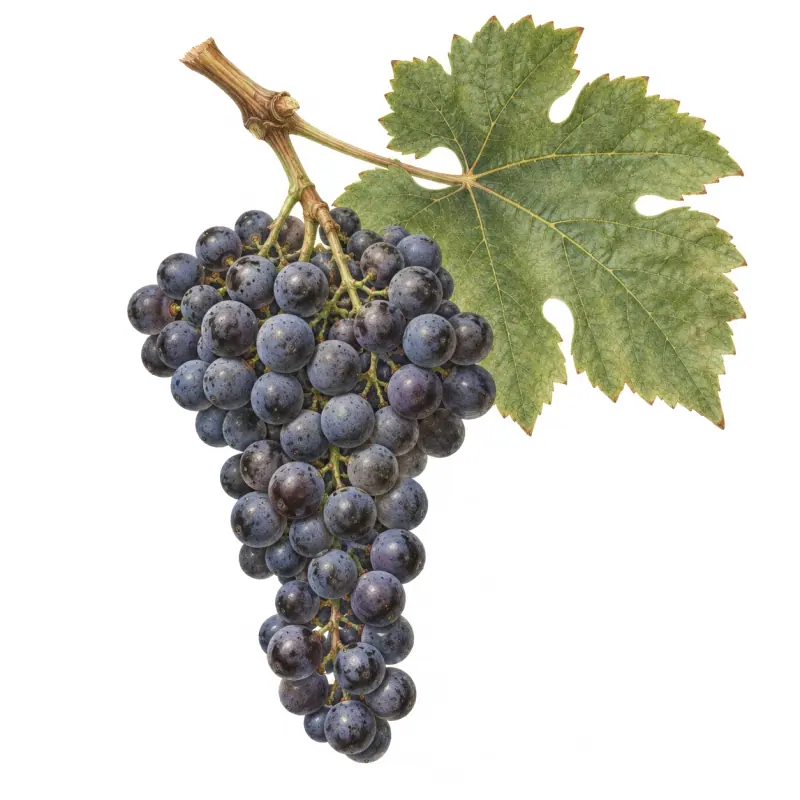 Grape varietyTannat