Wine · Wine region · Short entry
Cahors
Cahors
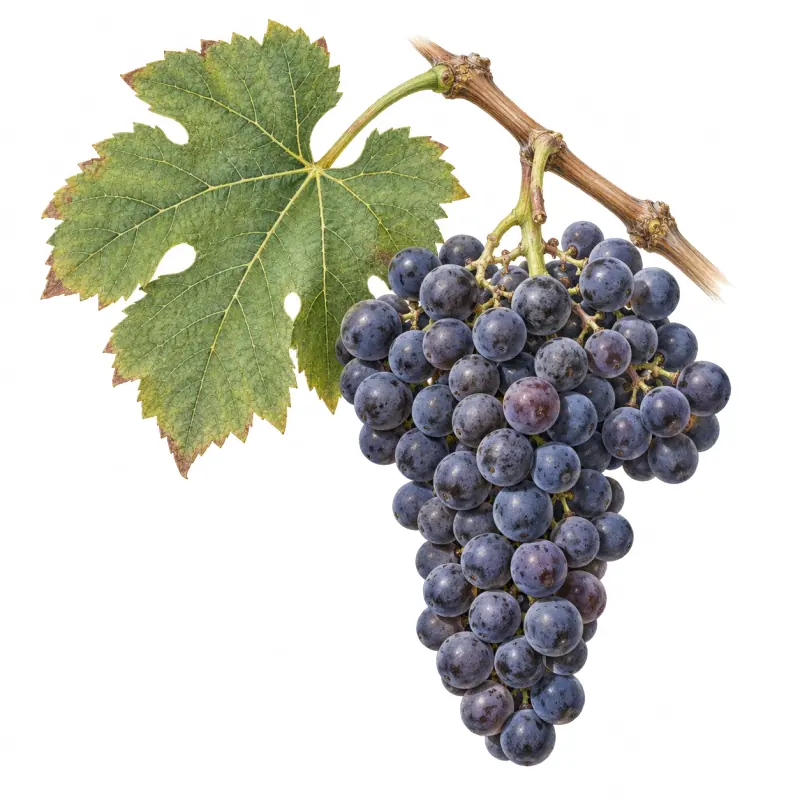
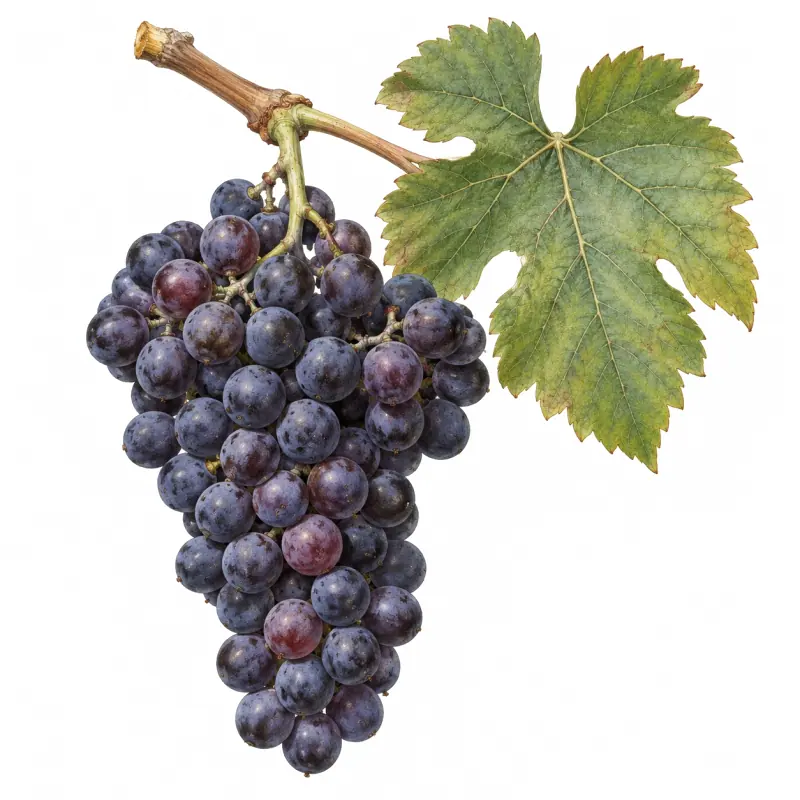
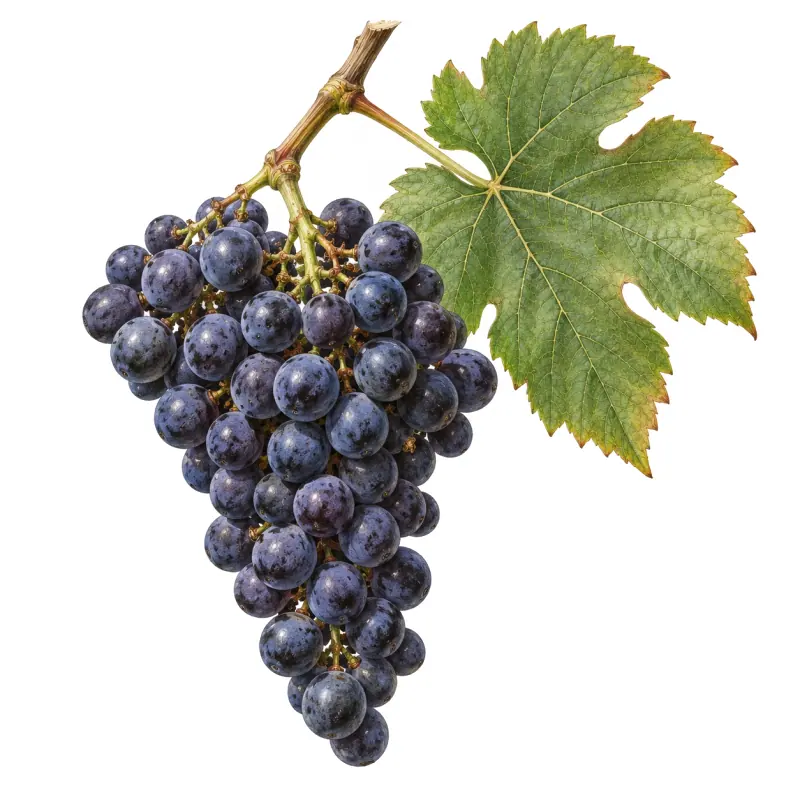
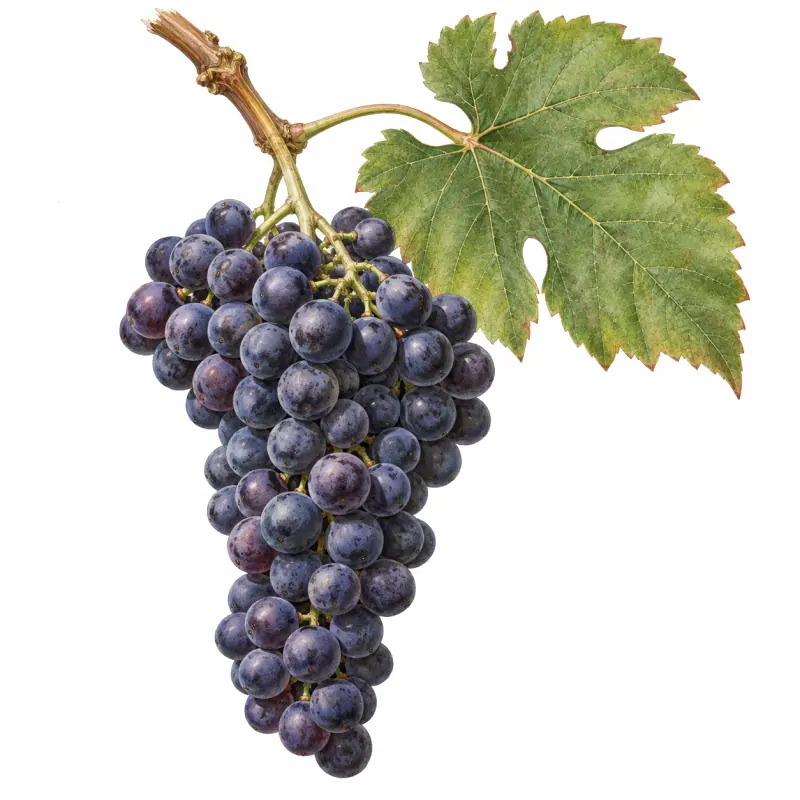
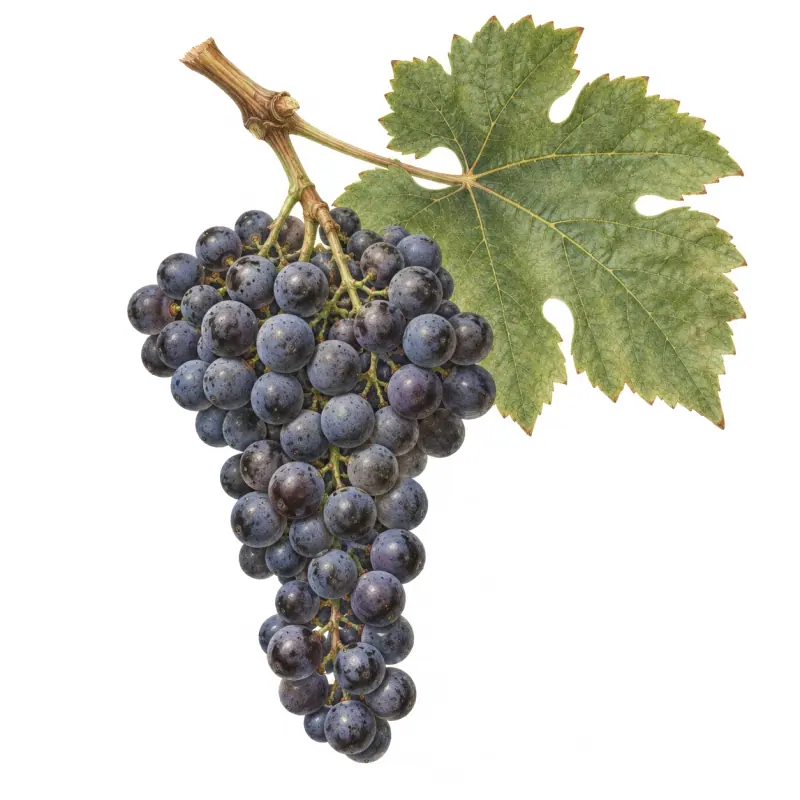
Cahors is a red-wine appellation of 45 communes in the Lot, on the terraces of the Lot valley and the limestone causses of Quercy. Côt, also called Malbec, must make up at least 70% of each holding's vines, with Merlot and Tannat as accessories. The AOC dates from 1971.
Down the Lot to Bordeaux
Vines came to Quercy after the Roman conquest. In the seventh century Saint Paul, bishop of Verdun, thanked Saint Didier, bishop of Cahors, for a much-appreciated gift of ten vessels of Quercy wine. The marriage of Eleanor of Aquitaine and Henry II in 1152 boosted Bordeaux and the vineyards upstream. In 1219 the bishop and consuls of Cahors agreed that the river between Cahors and Fumel should stay open; the Lot was fitted with towpaths and locks, and wine left from ports such as Douelle, Albas and Puy-l'Évêque for Bordeaux and beyond, subject to rules set by the Bordeaux jurats. By the mid-nineteenth century Quercy had about 40,000 ha of vines; phylloxera arrived in 1876. A growers' syndicate formed in 1929, the Lot court recognised the name "Vins de Cahors" on 31 July 1930, VDQS status came in 1946, and after the frosts of 1956 and 1957 the AOC was recognised on 15 April 1971.
Terraces and limestone uplands
The area lies on both sides of the Lot, which has cut its valley and meanders into the limestone causses of Quercy. The specification names three units. The causse plateaus of Jurassic and Cretaceous limestone, cut by side valleys, form high flat-topped hills of about 300 m with steep sides. The Quercy Blanc plateau in the south is lacustrine Oligocene and Miocene marl and limestone. The Lot valley has stepped alluvial terraces and wide meanders shaped in the Quaternary. The climate is oceanic with continental and Mediterranean influences: cold winters, a sharp rise in temperature in spring, hot sunny summers and about 700 mm of rain spread through the year. West winds bring rain; the warm, dry Autan blows from the south-east for a few days in spring and autumn. A gradient of Atlantic influence across the area changes ripening dates.
A niche for Côt
The specification describes red wines of strong colour when young, with red and/or black fruit and spice, and tannins that can be very present. Depending on the grapes' origin and the cellar, they run from pleasant and fruity to more structured, and with age gain dried-fruit and truffle notes as the tannins soften. It credits the oceanic spring, the dry summer and autumn heat and the Autan, which hastens budbreak, flowering and ripening and dries the vines after August storms, while the valley warms the air and drains cold air from the causses. On these soils Côt grows with moderate vigour.
The French Malbec appellation
Cahors is reserved for still red wine from 45 communes of the Lot. Côt, also called Malbec, is the principal grape, at least 70% of each holding's vines; Merlot and Tannat are accessories. The base yield is 50 hl/ha. Destemming is compulsory, and the wines are aged before sale. In 2008 about 4,000 ha were farmed by nearly 350 producers: 226 growers' cellars, one cooperative and two merchant-winemakers. The IVSO notes the old description of Cahors as a "black wine", referring to Malbec's dark colour rather than to a separate category.