Wine · Wine region · Short entry
Pouilly-Fumé
Pouilly-Fumé
Pouilly-Fumé, also called Blanc Fumé de Pouilly, is a Sauvignon Blanc white-wine appellation of seven communes on the right bank of the Loire in the Nièvre, grouped around the hill of Saint-Andelain. The same specification covers Pouilly-sur-Loire, a different white wine from Chasselas. Both were recognised by decree of 31 July 1937.
Benedictines, the Briare canal and table grapes
A Gallo-Roman estate called Pauliacum, the domain of Paulus, points to early viticulture, and in 680 Bishop Vigile left his Pouilly estate and vines to the abbey of Notre-Dame d'Auxerre. Monastic orders, notably the Benedictines of La Charité-sur-Loire, expanded the vineyard; a plot of about 4 ha called Loge aux Moines recalls them. From the sixteenth century Loire boats carried the wine, and the Briare canal, opened in 1642 to link the Loire to the Seine, turned trade towards Paris. In the eighteenth century the vineyard covered 2,000 ha of Melon, Meslier Saint-François, Sauvignon Blanc and Chasselas.
In the later nineteenth century much of it supplied Chasselas table grapes to Paris by rail, until phylloxera in 1890. Sauvignon Blanc then became the main grape. A judgment of 1923 gave the name Pouilly-Fumé to Sauvignon wines and Pouilly-sur-Loire to Chasselas wines, and the cooperative was founded in 1948.
Limestone, marl and flint
The zone stretches about 20 km along the right bank of the Loire on the south-eastern edge of the Paris Basin. It rises to 270 m, more than 100 m above the valley floor, with deep branching valleys running north-east to south-west towards the river. The vineyard is grouped in seven communes around the hill of Saint-Andelain. The specification favours four soils: Kimmeridgian marls called terres blanches, the most widespread, in the centre at Pouilly-sur-Loire and Saint-Andelain, which the wine council calls oyster-bearing; stony soils on Oxfordian limestone called caillottes, mainly in the north-east; silex, clayey flint residues of Cretaceous erosion, mostly at Saint-Andelain; and siliceous soils at the western end, at Tracy-sur-Loire.
The climate is degraded oceanic, with about 600 mm of rain a year, and the Loire drains cold air from the side valleys.
Citrus, flowers and the language of flint
The specification links shelter from west winds and the Loire's moderating effect to regular ripening, while warm days and cool nights during ripening keep freshness and develop aroma. Pouilly-Fumé can show citrus, white flowers, varietal notes and minerality, with complexity, finesse, generosity and freshness. By soil it describes powerful wines with citrus on terres blanches, elegant wines with white flowers on caillottes and fresh wines with mineral finishes on silex. Pouilly-sur-Loire is lively and refreshing, often with mineral, white-flower and dried-fruit notes and some roundness. The wine council's "flinty" is tasting language, not evidence that the wine contains smoke.
Two appellations around one town
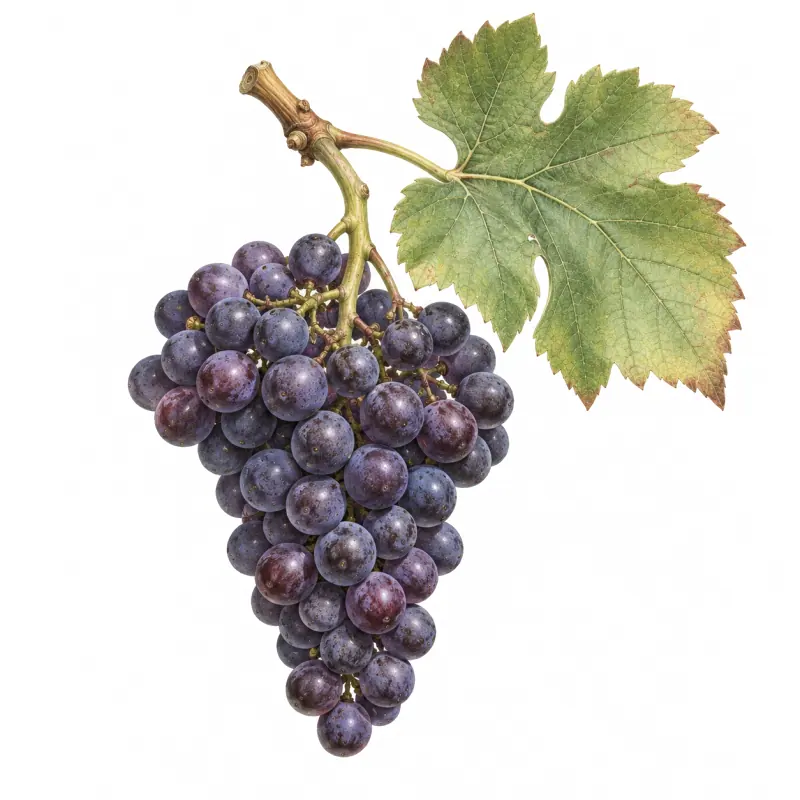
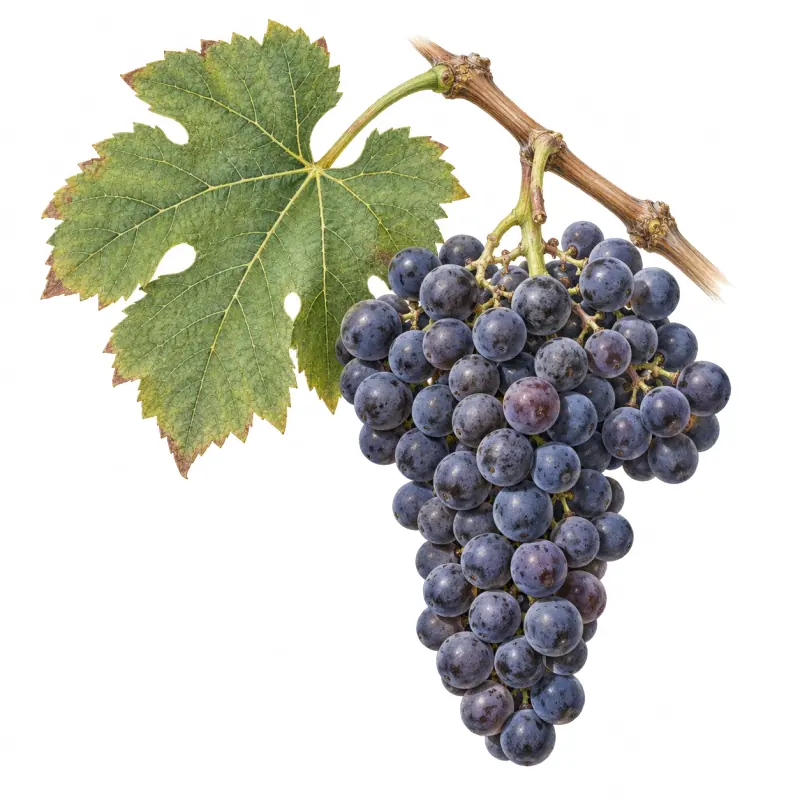
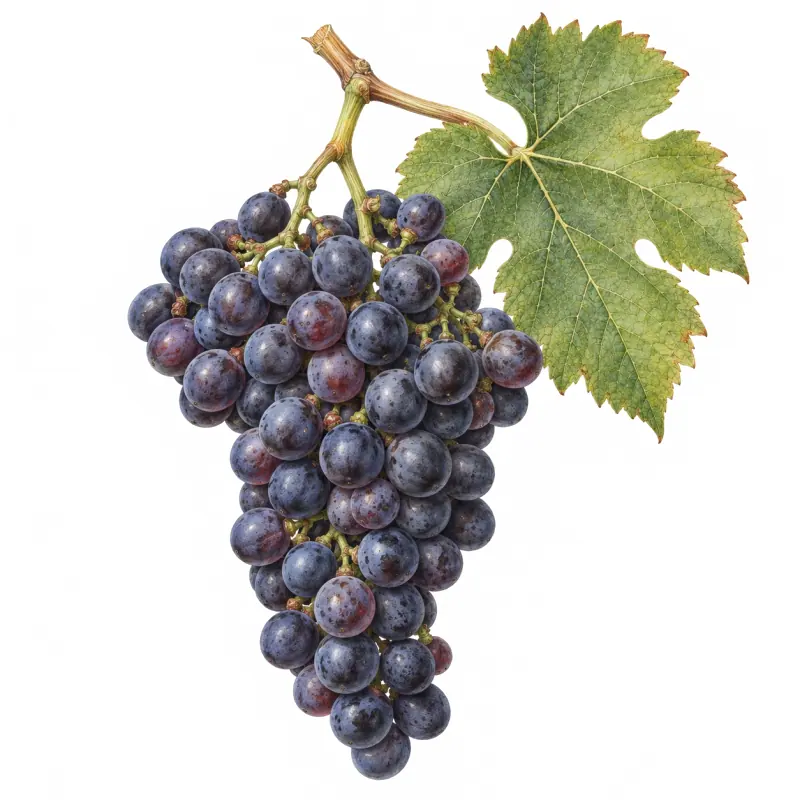
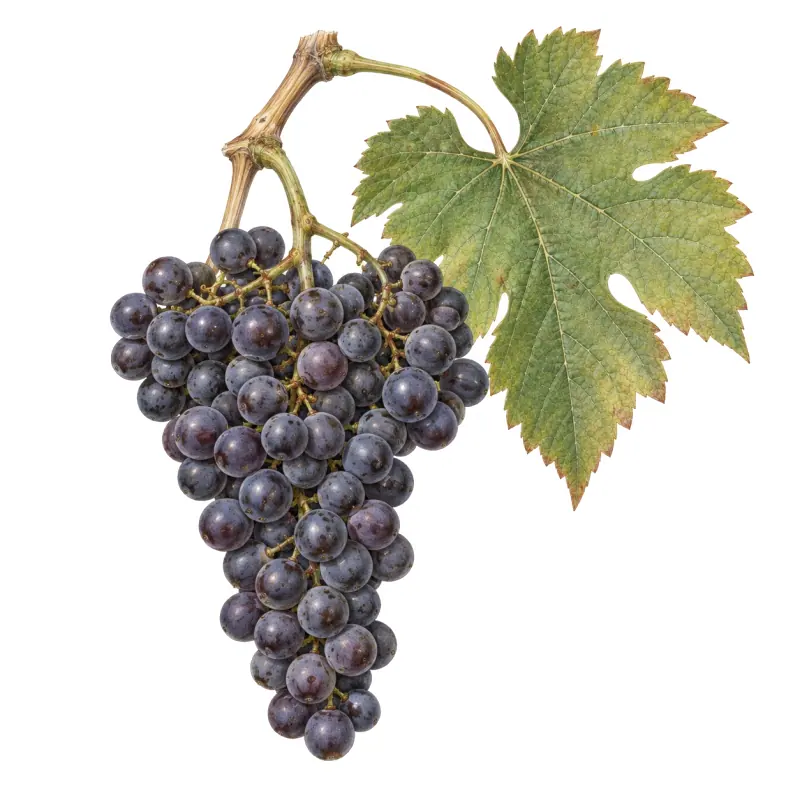
Pouilly-Fumé (or Blanc Fumé de Pouilly) and Pouilly-sur-Loire are separate AOCs for still white wine under one specification: the first from Sauvignon Blanc alone, the second from Chasselas alone. The base yield is 65 hl/ha. The communes are Garchy, Mesves-sur-Loire, Pouilly-sur-Loire, Saint-Andelain, Saint-Laurent-l'Abbaye, Saint-Martin-sur-Nohain and Tracy-sur-Loire. Blanc fumé is the local name for Sauvignon Blanc, because ripe berries are covered with a grey bloom. In 2009 about 1,250 ha produced some 60,000 hl, and the wines are exported to more than 90 countries.
How it connects
Wine region
- in Loire Valley
Grape variety
- grows Sauvignon Blanc