
Wine · Wine region · Short entry
New Zealand
New Zealand's wine regions run about 1,600 km from Northland to Central Otago, mostly on the eastern coasts of both main islands in the rain shadow of the mountains; no vineyard lies more than 130 km from the sea. Wine names are registered as geographical indications under an Act in force since 27 July 2017, and a registered GI on a label requires at least 85% of the wine from that place. Samuel Marsden planted the first recorded vines at Kerikeri in 1819.
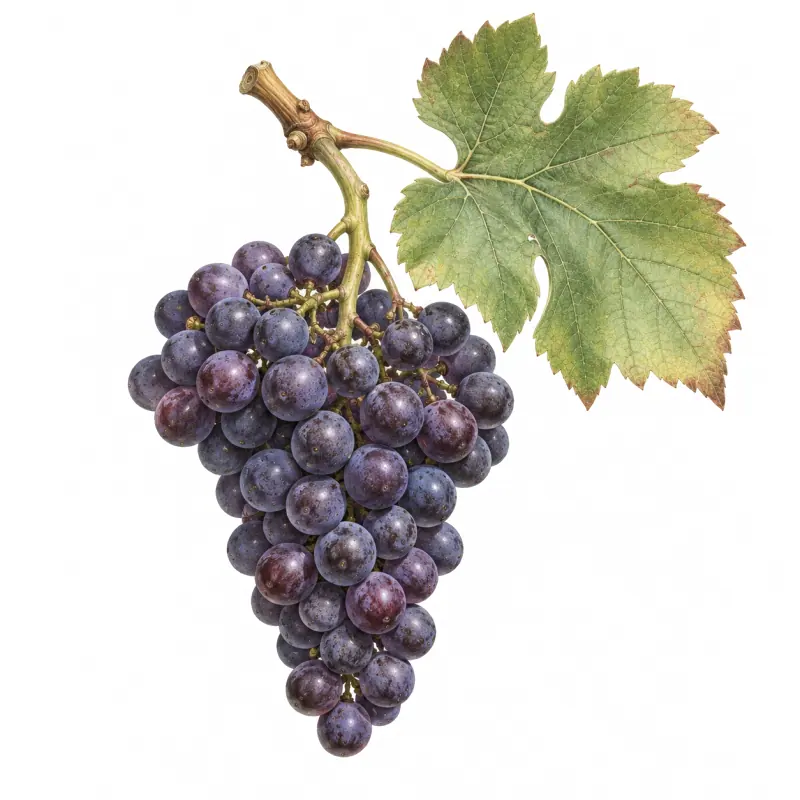

Marsden, Busby and the export era
New Zealand Winegrowers dates the first recorded planting to 25 September 1819, when the Anglican missionary Samuel Marsden planted a vine at the Stone Store, Kerikeri. James Busby, the first British Resident, is the earliest recorded winemaker: in 1840 the French explorer Dumont d'Urville tasted his 'light white wine, very sparkling' at Waitangi. French missionaries planted vines in Hawke's Bay in 1851, and French priests, Hawke's Bay pastoralists and Croatian gum-diggers kept winemaking going through the 19th century despite oidium, phylloxera and prohibitionists.
The industry grew during the Second World War and after legal changes in the 1950s and 1960s; restaurants could sell wine from 1960. Light, slightly sweet Müller-Thurgau dominated the 1970s, and Montana planted in Marlborough in 1973. From 1985 the government removed barriers to imported wine, and exports rose from NZ$18 million in 1990.
Eastern coasts in the mountains' rain shadow
New Zealand Winegrowers places most wine regions on the eastern coastlines of the North and South Islands, in the rain shadow of the mountains, along about 1,600 km from subtropical Northland to Central Otago, among the world's most southerly vineyards. The climate is temperate and maritime: no vineyard is more than 130 km from the ocean, sunshine hours are long and sea breezes cool the nights.
Soils differ by region. Marlborough's Wairau plains have silts and gravels left by braided rivers; Hawke's Bay has gravel beds, alluvial soils and stony terraces on its plains; Central Otago has soils of weathered schist, loess and glacial gravels in an inland basin. Marlborough, with almost 31,000 ha, holds about two-thirds of the national vineyard. Within regions, New Zealand Winegrowers stresses differences between subregions.
What a registered GI must show
To register a GI, the applicant must explain and give evidence of the quality, reputation or other characteristic of the wine that is essentially attributable to its origin. IPONZ examiners assess the history of the area, its geography, soils, climate, methods, the quality of the wines and their reputation. In the Marlborough and Central Otago examinations, they gave low weight to sensory descriptions supplied by a third party and relied most on evidence of reputation, such as exports, labels and awards. New Zealand Winegrowers presents the national style through a temperate maritime climate that suits a wide range of varieties, expressed region by region and subregion by subregion.
The GI register and the 85% rule
IPONZ keeps the register of New Zealand and foreign GIs for wines and spirits. A registered New Zealand GI may be used on wine only if at least 85% of the wine comes from grapes harvested in that place, any remainder comes from grapes harvested in New Zealand, and the use matches the registration (sections 21 to 26 of the Act). A GI can be renewed for ten years at a time after its first five years.
Eighteen applications were filed when the Act came into force on 27 July 2017, from Northland and Auckland to Central Otago, including nested names such as Hawke's Bay and Central Hawke's Bay, Wairarapa and Martinborough, or Canterbury, North Canterbury and Waipara Valley. Marlborough and Hawke's Bay were registered on 26 February 2018 and Central Otago on 29 October 2018. Sauvignon Blanc, Chardonnay, Pinot Gris and Pinot Noir dominate output; the OIV put 2024 production at 2.8 million hl.
Classification
- Registered New Zealand GIA name registered by IPONZ under the Geographical Indications (Wine and Spirits) Registration Act 2006; at least 85% of the wine from grapes harvested in the place, the rest from New Zealand grapes.
How it connects
Wine region
- subregion Marlborough
- subregion Central Otago
- subregion Hawke’s Bay
Grape variety
- grows Sauvignon Blanc
- grows Pinot Noir
- grows Chardonnay
Recipe
- origin Pavlova
Continue exploring
- CountryNew Zealand5 entries in the atlas so far
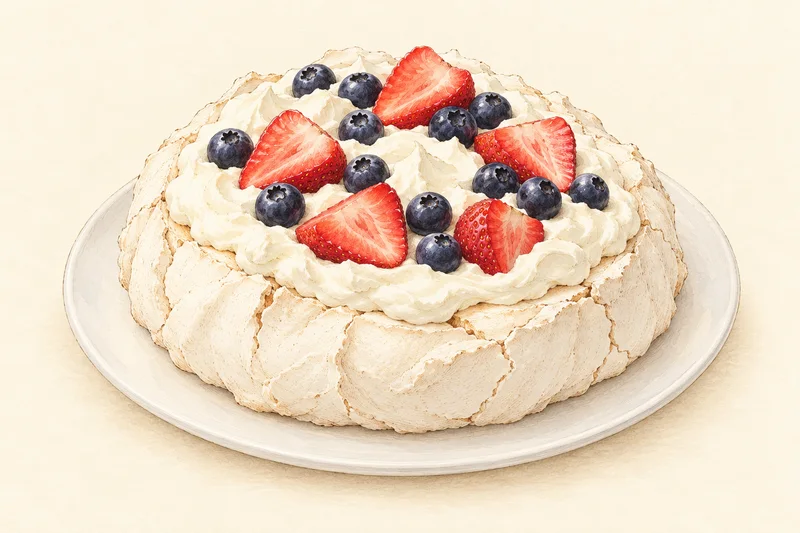 RecipePavlovaNew Zealand
- Grape varietyPinot Noir
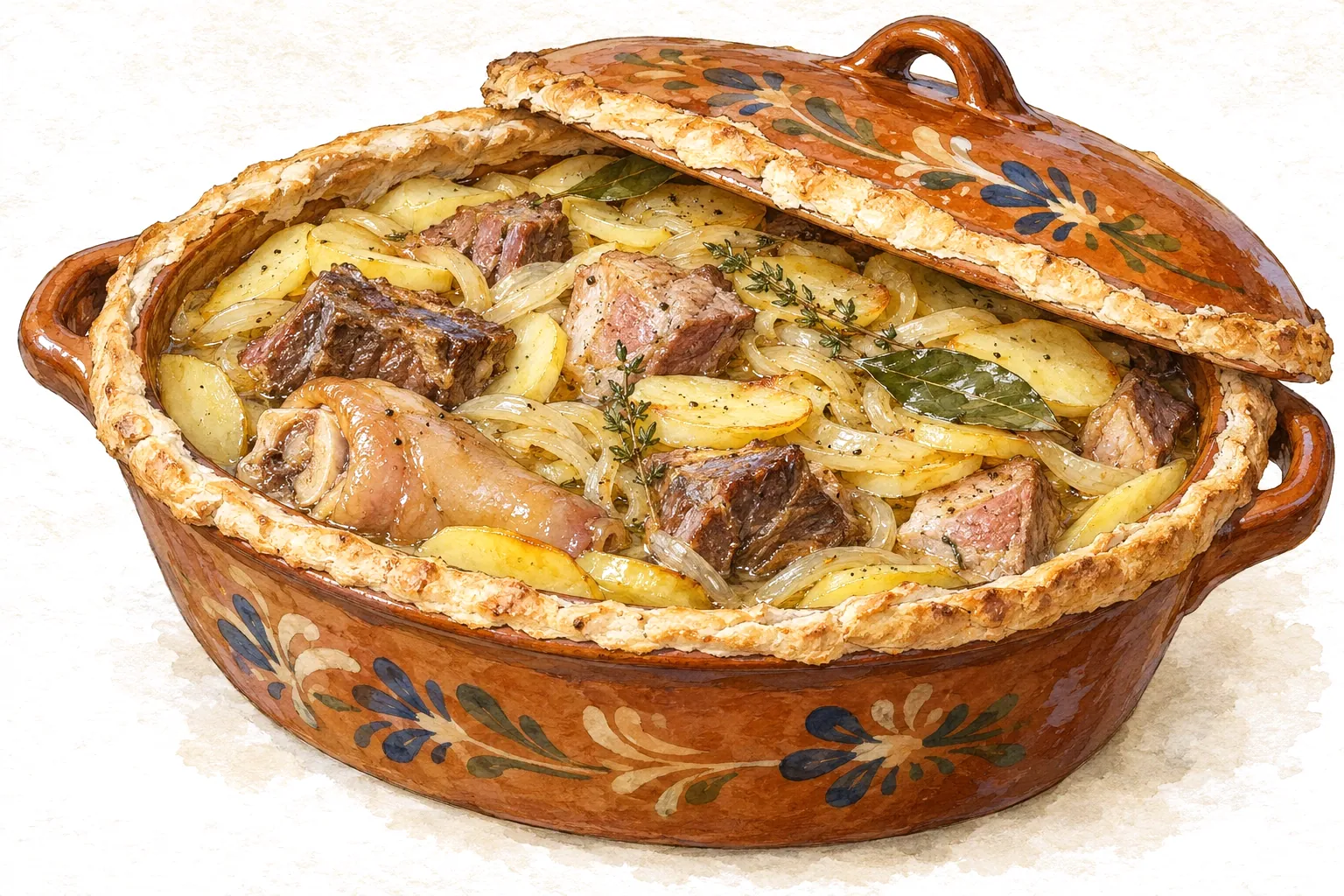 RecipeBaeckeoffeAlsace, France
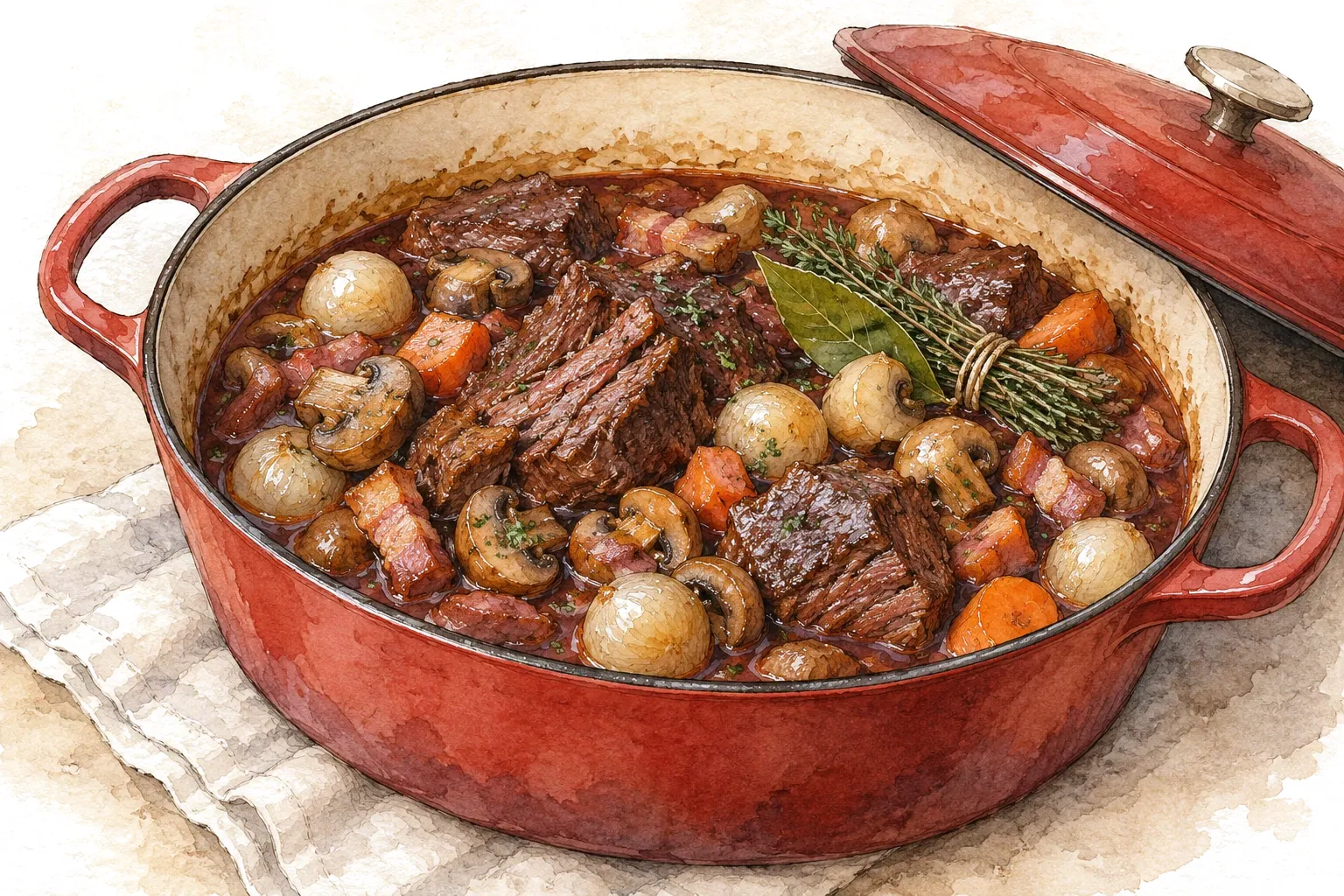 RecipeBœuf bourguignonDijon, France
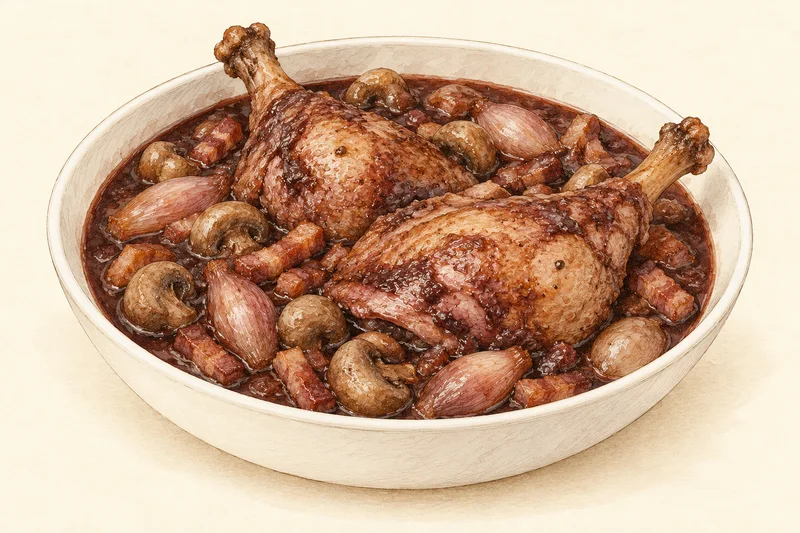 RecipeCoq au vinBurgundy, France
- Grape varietyChardonnay
- Grape varietySauvignon BlancFrance
- Wine regionCentral OtagoCromwell, New Zealand
- Wine regionHawke’s BayHastings, New Zealand