
Wine · Wine region · Short entry
Hawke’s Bay
Hawke's Bay, on the east coast of the North Island, is New Zealand's second-largest wine region and its oldest, with vines first planted by Marist missionaries in 1851. Rivers from the inland ranges have left gravel beds and alluvial terraces across the Heretaunga Plains, alongside hill, river-valley and coastal sites. It is best known for red blends and Chardonnay, with Syrah, and was registered as a GI on 26 February 2018.

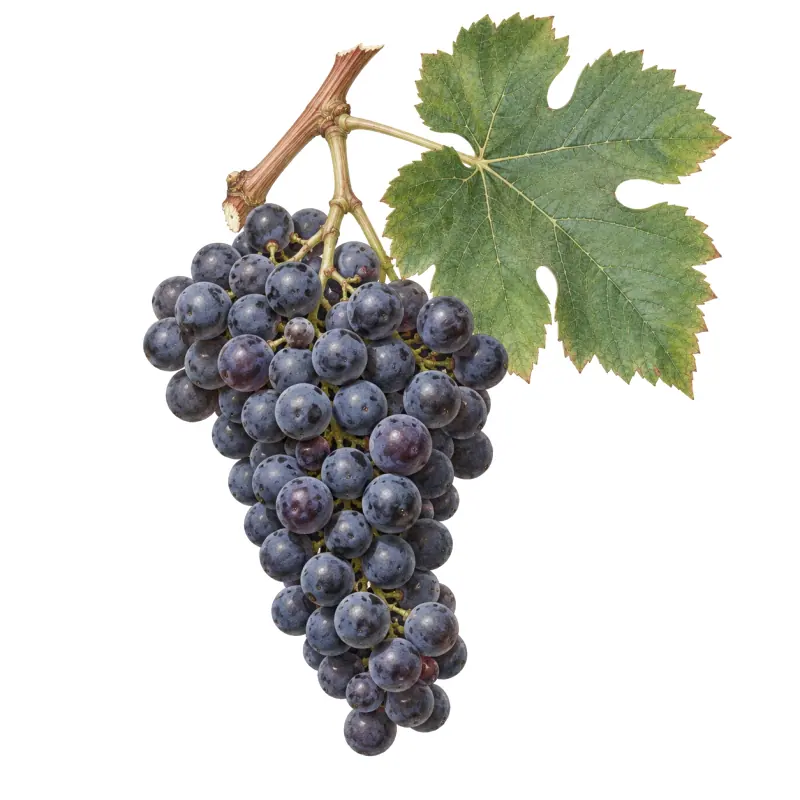
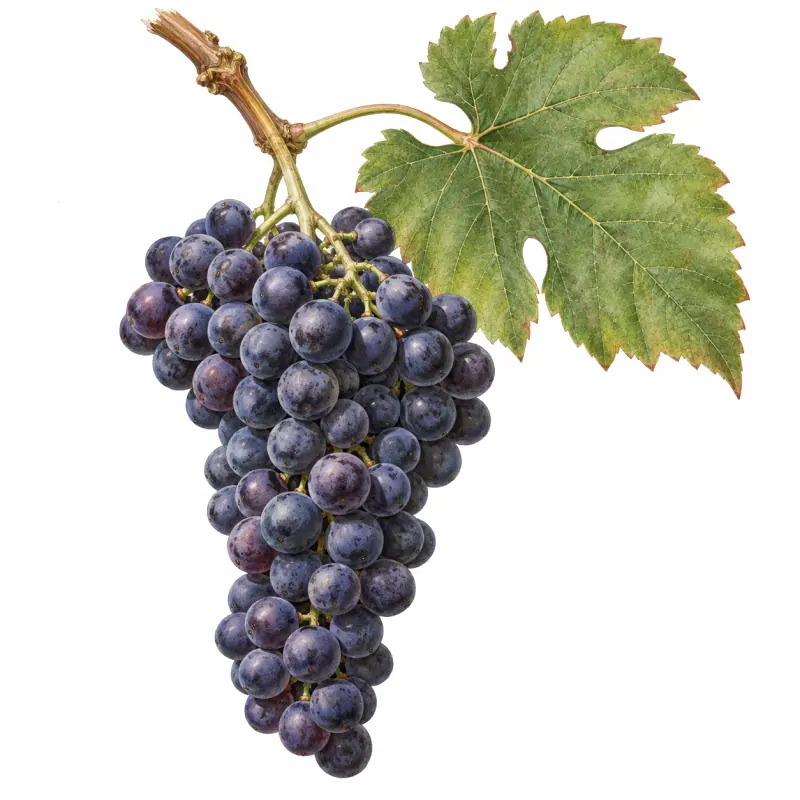
Mission vines and pioneering plains vineyards
New Zealand Winegrowers and Hawke's Bay Wine date the first vines to 1851, planted by French Marist missionaries; Mission Estate, founded that year, is presented by New Zealand Winegrowers as New Zealand's oldest winery. Hawke's Bay pastoralists were among those who kept winemaking alive through the setbacks of the 19th century. The pioneering vineyards of Taradale and Meeanee lay on the plains between Havelock North and Napier, where the Gimblett Gravels and the Bridge Pa Triangle are now planted.
The Hawke's Bay GI application was among the 18 filed on 27 July 2017, alongside a separate application for Central Hawke's Bay; Hawke's Bay was accepted on 2 November 2017 and registered on 26 February 2018. Hawke's Bay Wine says the region has since joined the Great Wine Capitals network.
Rivers, gravels and five growing areas
Hawke's Bay Wine describes a region shaped by wide rivers flowing from the mountain ranges across the Heretaunga Plains to the coast, with high country protecting it from weather extremes. Four rivers have created many sheltered sites that differ in altitude, aspect and soil, and the association counts 25 soil types. The growing season is long, hot and dry, tempered by cool coastal breezes.
New Zealand Winegrowers distinguishes five areas. The coast, at Bay View in the Esk River valley and Te Awanga in the south, has gravelly soils. The hills, around Havelock North, Maraekakaho and Bay View, are planted mainly to red varieties. The plains between Havelock North and Napier are crossed by gravel beds, free-draining alluvial soils and stony terraces, including the Gimblett Gravels and the Bridge Pa Triangle. The river valleys offer sheltered, higher sites, and Central Hawke's Bay lies inland at up to 300 m and is cooler.
Red blends, Chardonnay and Syrah
New Zealand Winegrowers names red blends and Chardonnay as the region's best-known wines. It describes Chardonnay as full-bodied, long and almost opulent, with acidity balancing the richness; Syrah as perfumed and elegant, with ripe fruit, supple tannins and spice; Cabernet Sauvignon as structured, with dark fruit and spice; and Merlot as challenging in the climate but fleshy in drier years on chosen sites. Sauvignon Blanc ranges from tropical and broad to lighter, herbaceous early-picked styles. Coastal gravels favour Chardonnay and early-ripening reds, including Pinot Noir; higher sites supply Sauvignon Blanc, Pinot Gris and Pinot Noir.
GI 1005 and Central Hawke's Bay
Hawke's Bay is registered GI no. 1005, with renewal due in 2032. Central Hawke's Bay was filed as its own GI in 2017. The Gimblett Gravels and the Bridge Pa Triangle are named growing areas within the region but were not among the 2017 GI applications. Hawke's Bay Wine counts 38 varieties and more than 100 producers. A wine labelled Hawke's Bay needs at least 85% of its grapes from the registered area, the rest from New Zealand.
How it connects
Wine region
- in New Zealand
Grape variety
- grows Chardonnay
- grows Syrah
- grows Merlot
- grows Cabernet Sauvignon
Continue exploring
- CountryNew Zealand5 entries in the atlas so far
- Grape varietyCabernet Sauvignon
- Grape varietyChardonnay
- Grape varietyMerlot
- Grape varietySyrah
- Wine regionNew ZealandNew Zealand (national overview), New Zealand
 RecipeEscargots à la bourguignonneBurgundy, France
 RecipeFondue au ComtéJura massif, Franche-Comté, France
 RecipeGougèresBurgundy, France
 RecipePavlovaNew Zealand