Wine · Wine region · Short entry
Muscadet
Muscadet
Muscadet is a white wine from Melon grown south and east of Nantes, near the Atlantic. The regional AOC Muscadet, created in 1937, covers a little over 6,300 ha; Muscadet Sèvre et Maine, Muscadet Coteaux de la Loire and Muscadet Côtes de Grandlieu are distinct, more restricted appellations. The name does not refer to a Muscat grape.
A Burgundian plant after the frost of 1709
The specification traces the vineyard to the first centuries AD. Nantes, an ocean port at the mouth of the Loire, shipped wine early to the British Isles and northern Europe. Under Dutch merchants the Nantais turned to white wine and brandy, helped by taxes: Breton wines paid half the duty of wines from upstream. The first records of the "plant bourguignon" planted under the name Muscadet date from the mid-seventeenth century. After the hard winter of 1709 destroyed much of the vineyard, frost-resistant Melon was replanted on the best sites.
Wars in 1793 and phylloxera from 1884 delayed its rise. Replanting on grafted vines brought rows and Guyot pruning. After court rulings in the 1920s, Muscadet Sèvre et Maine and Muscadet Coteaux de la Loire became AOCs in 1936 and Muscadet by decree of 23 September 1937. In 2023 about 440 producers farmed a little over 6,300 ha.
An Atlantic vineyard on ancient rocks
Vines grow mainly on slopes formed by the Loire, the Sèvre and the Maine, the Goulaine marsh, Lake Grandlieu and their tributaries, south and east of Nantes, across parts of Loire-Atlantique, Maine-et-Loire and Vendée. The geology is complex. Precambrian and Palaeozoic mountain building left plutonic rocks (granite, gabbro) and metamorphic rocks (gneiss, micaschist, eclogite, amphibolite), locally covered by Tertiary clays and pebbly sands; Quaternary windblown silt has mostly been eroded. The soils are usually brown, healthy, sandy and stony, and delimited parcels drain freely, warm up well and hold little water.
Large bodies of water keep annual temperatures even: winters are mild and summers stay cool, ventilated by sea breezes. Rain is slightly short in the growing season, which gives much sunshine for the latitude, though autumn spring tides can bring heavy showers. InterLoire notes that distance from the sea, the Loire and other waters creates differences within the vineyard.
Freshness made in the cellar
The specification says the wines take their main character from winemaking: fine, delicate aromas, usually fruity or floral, and a balance dominated by freshness. Coarse soils start the vine's cycle early and limit vigour; mild winters add earliness, and sea winds protect the foliage from disease. Fractured rock lets roots go deep for a moderate, regular water supply. Moderate summer temperatures keep freshness and delicate aromas. The wines stay only briefly on their fine lees, and early racking amplifies the fruity and floral scents formed by yeast during fermentation. InterLoire describes light, fresh examples with citrus and green-apple notes.
Melon, rather than Muscat
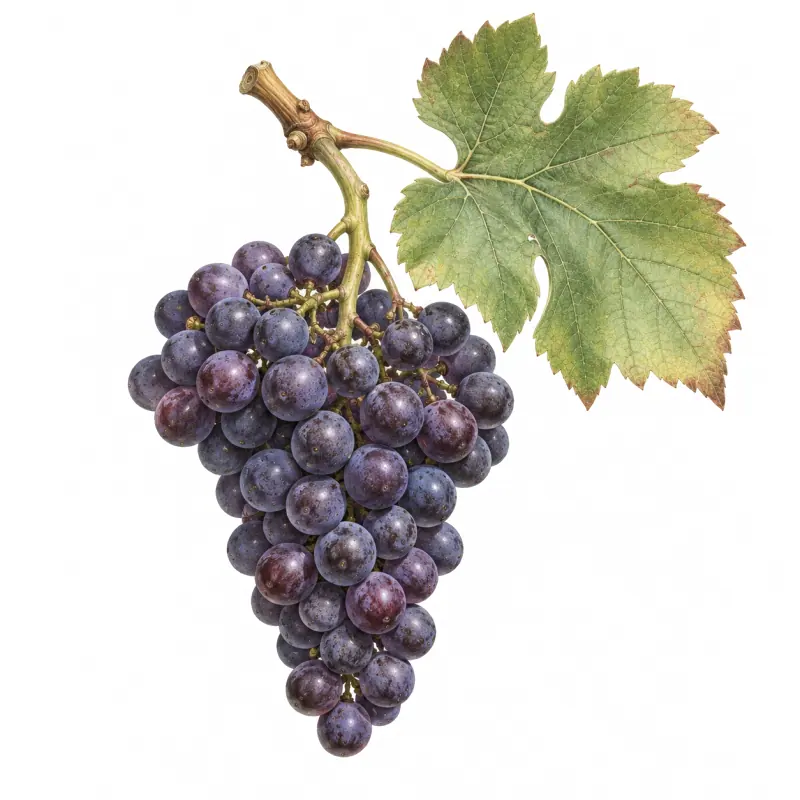
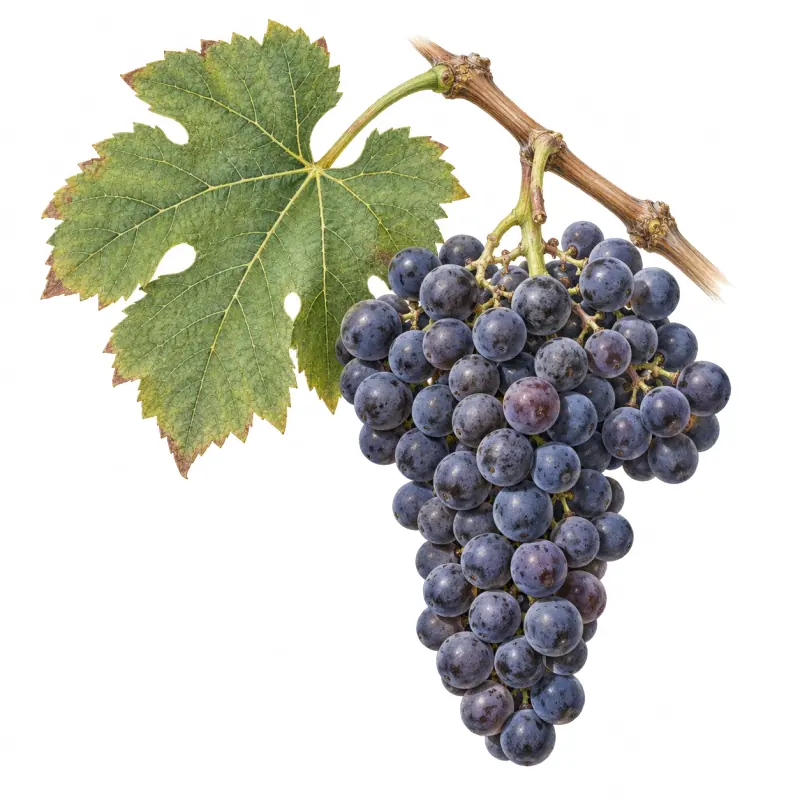
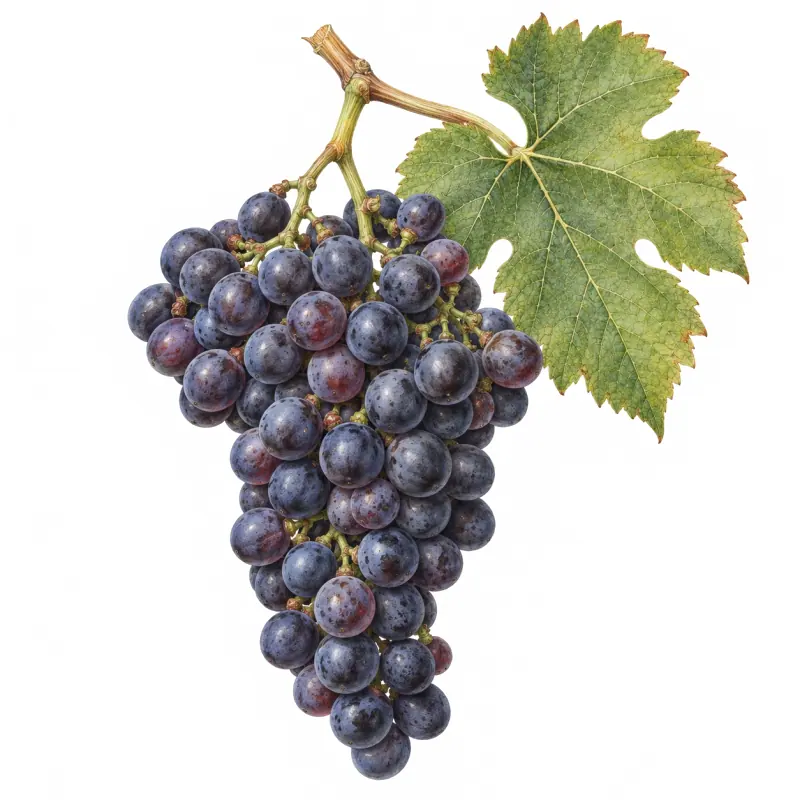
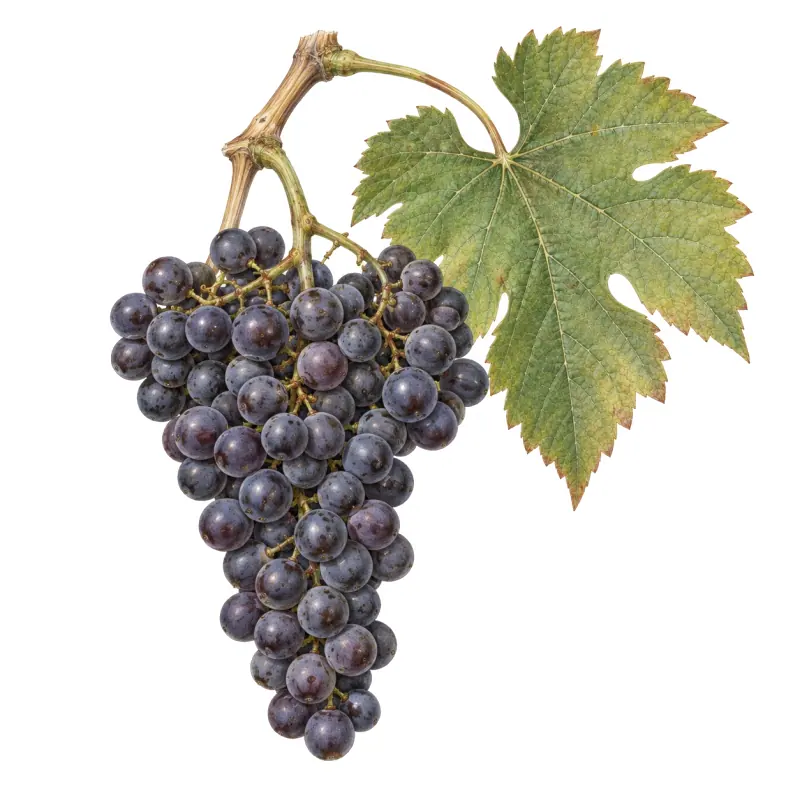
AOC Muscadet is reserved for still white wine, which may be sold as primeur or nouveau. The principal grape is Melon, also called Melon B or Melon de Bourgogne, with Chardonnay as accessory grape up to 10% of the holding's plantings. The base yield is 70 hl/ha. Early separation from the fine lees distinguishes the regional AOC from the more restricted Muscadet Sèvre et Maine, Muscadet Coteaux de la Loire and Muscadet Côtes de Grandlieu, which have their own rules. The 1937 recognition date belongs to the regional appellation, not to every Muscadet designation.
Exports reached nearly 40% of volumes in the 1980s. The specification calls the vineyard one of the world's largest white-wine vineyards by area in production.
How it connects
Wine region
- in Loire Valley
Grape variety
- grows Melon