
Wine · Wine region · Short entry
Côte Chalonnaise
Côte Chalonnaise
South of the Côte de Beaune, the Côte Chalonnaise is a hilly Burgundy wine-growing area about 25 km long and 7 km wide, with vines on the best south-east-facing slopes. Its village appellations are Bouzeron, Givry, Mercurey, Montagny and Rully, and Bouzeron gives Aligoté a rare village appellation of its own.
Cluny, the dukes and sparkling wine
The Mercurey specification dates written references to its vineyard to 312 AD and records that in 1400 the wine was on the list served to the Duke of Burgundy at his residence in Arras. The abbey of Cluny, founded in 909, was a major landowner on the Côte Chalonnaise, and the Cistercians held plots near Chalon-sur-Saône. For a long time the wines were sold as "vin de Beaune".
The BIVB calls the Côte Chalonnaise the cradle of Crémant de Bourgogne: in 1822 merchants from Chalon-sur-Saône who owned vines in Rully and Mercurey invited a young man from Champagne, and sparkling white Burgundy began. Crémant de Bourgogne received its AOC in 1975. Mercurey became an AOC in 1936 and Rully in 1939; the Couchois to the west gained the AOC Bourgogne Côte du Couchois in 2000.
Soil, slope and climate
The Côte Chalonnaise is a north–south limestone relief facing east, between the limestone foothills of the granite massif of Mont-Saint-Vincent and the Saône plain. Valleys cut across layers of hard limestone and marl that tilt gently east, so wooded ridges alternate with marly combes planted with vines. The BIVB describes a rocky limestone base from which sand, flinty clay and marl emerge, at the northern tip of the Massif Central. At Mercurey, clays with chert on the western ridges give more acid, very stony soils.
The Mercurey specification describes an oceanic climate with southern influences coming up the Saône valley and continental influences, sunny summers and under 800 mm of rain a year, spread evenly. The BIVB adds hot summers and dry autumns that let the grapes ripen. The Couchois, west of the Canal du Centre, lies at 200–300 m.
What the place gives the wine
The BIVB sets out a simple rule for the area: white wines come from vines on clay-limestone soils, while reds do better where there is less clay. Pinot Noir on south-facing sites gives vigour and character to the reds of Mercurey, Givry and Rully. The Mercurey specification describes both grapes giving rich, powerful wines that keep well, with many nuances from the varied soils and exposures. The BIVB summary for the area is ruby reds and delicate whites.
Grapes and appellations
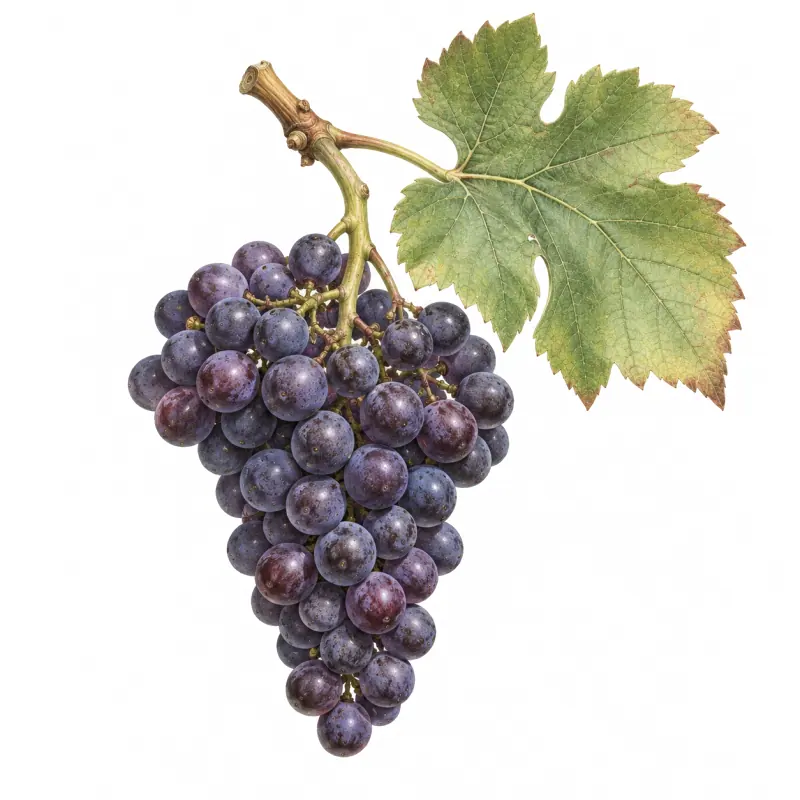
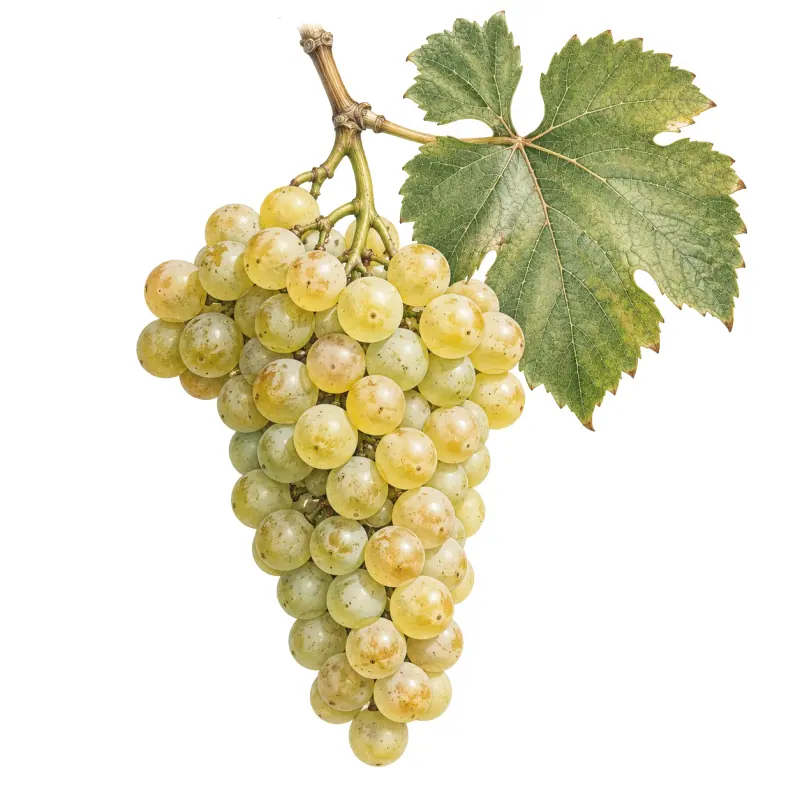
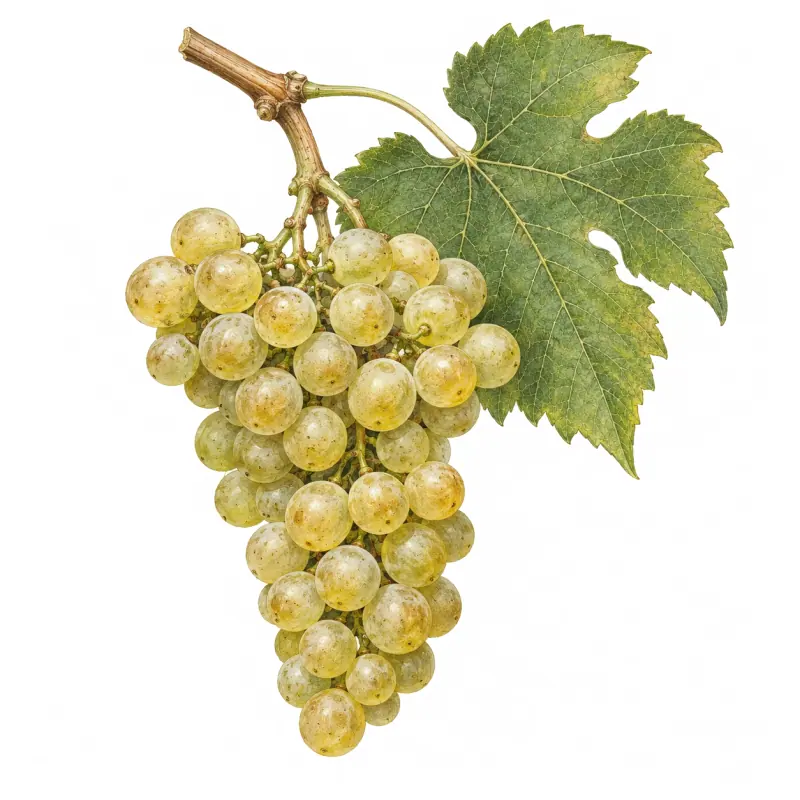
Pinot Noir and Chardonnay dominate. The village appellations, some with Premier Cru climats, are Bouzeron, Givry, Mercurey, Montagny and Rully. Bouzeron is the only village appellation made entirely from Aligoté. Bourgogne Côte Chalonnaise and Bourgogne Côte du Couchois are regional appellations specific to the area; the first should not be confused with the broader geographic region described here. Bourgogne, Bourgogne Aligoté, Bourgogne Passe-tout-grains and Coteaux Bourguignons are also made.
How it connects
Grape variety
- grows Pinot Noir
- grows Chardonnay
- grows Aligoté
Continue exploring
- CountryFrance162 entries in the atlas so far
- Grape varietyPinot Noir
- Wine regionBurgundyBeaune, France
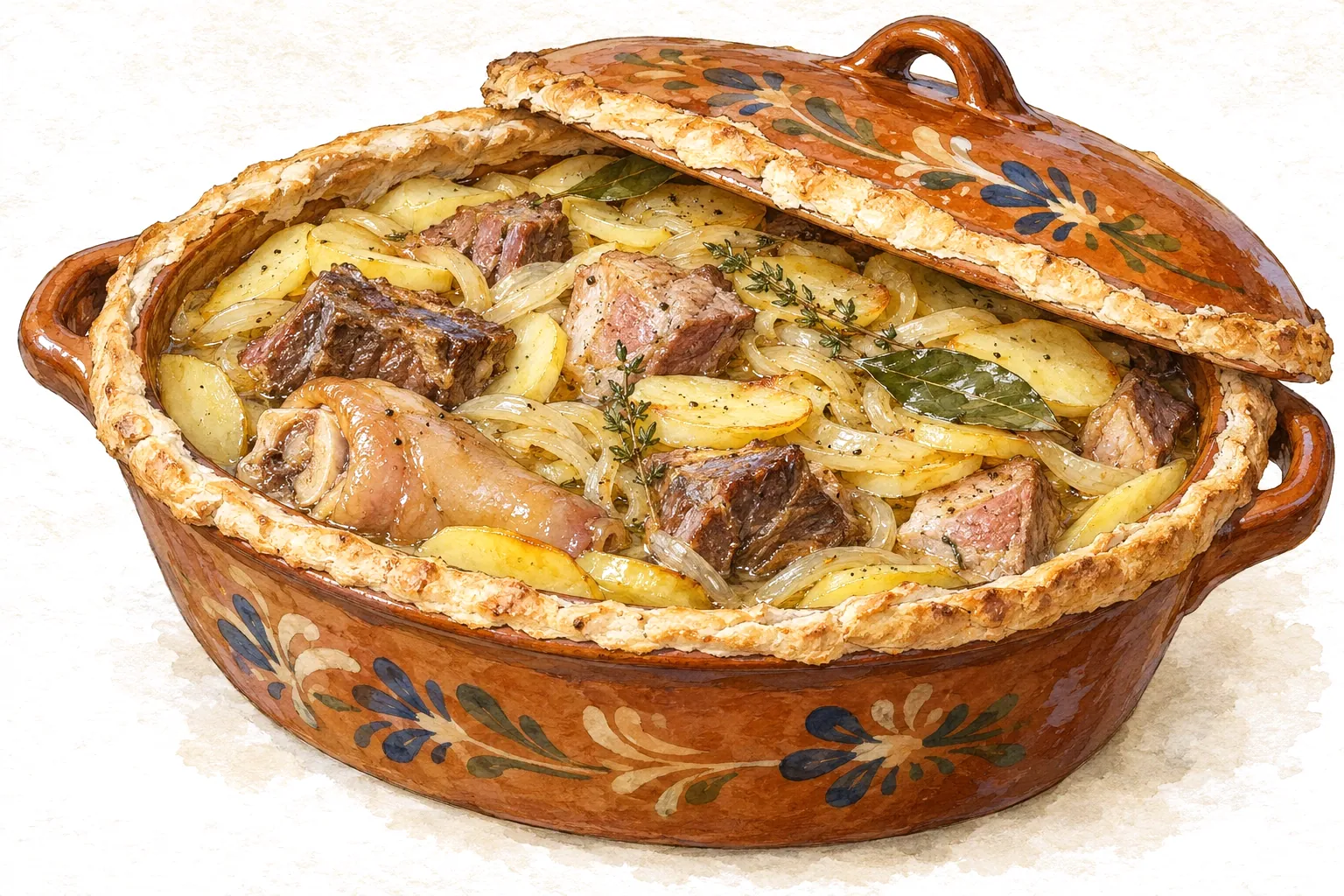 RecipeBaeckeoffeAlsace, France
 RecipeBœuf bourguignonDijon, France
 RecipeCoq au vinBurgundy, France
- Grape varietyAligoté
- Grape varietyChardonnay
- Wine regionMercureyMercurey, France
- Wine regionRullyRully, France