Wine · Wine region · Short entry
Rully
Rully
Rully is a Côte Chalonnaise village appellation making both Chardonnay whites and Pinot Noir reds, from Rully and Chagny. Chardonnay is planted on clay-limestone and Pinot Noir on soils with less clay. The village is also a centre of Crémant de Bourgogne, whose history the BIVB traces to Rully and Mercurey in 1822.

Château, abbeys and sparkling wine
The BIVB sheet describes Rully as a village with a long history, with a château held by the same family for six centuries. The abbey of Saint-Bénigne of Dijon, the house of Vergy and the Dukes of Burgundy all played a part in the history of its vineyards.
In 1822, according to the BIVB, merchants of Chalon-sur-Saône who owned vines in Rully and Mercurey invited a young man from Champagne to their estates, and sparkling white Burgundy was born. Since the early nineteenth century Rully has been an important centre for what became Crémant de Bourgogne, which received its AOC in 1975. Rully was granted its own AOC by the decree of 13 June 1939, for red and white wines at village and Premier Cru level.
Soil, slope and climate
Vines occupy slopes around Rully and Chagny at about 230–300 m. The BIVB sheet stresses that soil, exposure and altitude vary considerably here and explain subtle differences between the wines. Pinot Noir grows on brown or lime-rich soils with little clay; Chardonnay prefers clay-limestone. The BIVB geology page describes the Côte Chalonnaise as a rocky limestone base from which sand, flinty clay and more marly soils emerge, part of the northern tip of the Massif Central.
The BIVB describes hot summers and dry autumns that let the grapes ripen, on the best south-east-facing slopes of a hilly landscape.
What the place gives the wine
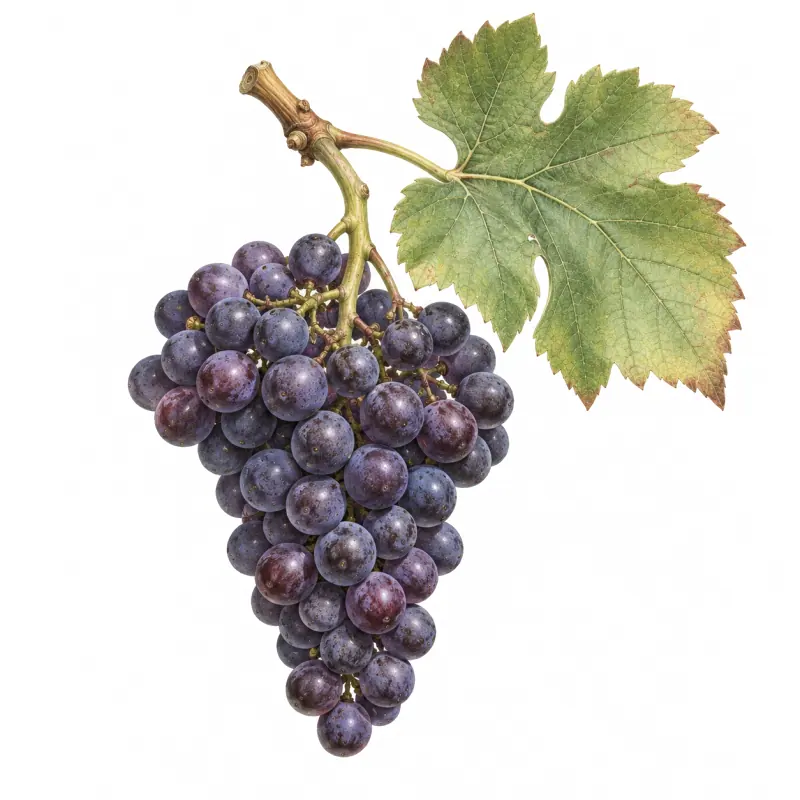
The BIVB sheet describes white Rully as gold with green glints, with hedgerow flowers (acacia, may, honeysuckle, elderflower), violet, lemon, white peach and flint, and with time honey, quince and dried fruit. It is lively and rounded, fleshy and long. The red ranges from ruby to dark garnet, with blackcurrant, blackberry and cherry, liquorice, lilac and rose petal. Its tannins give it a well-defined structure, a little closed when young and softer after a few years. The BIVB links the clay-limestone and low-clay soils to the choice of grape rather than to specific flavours.
Grapes and classification
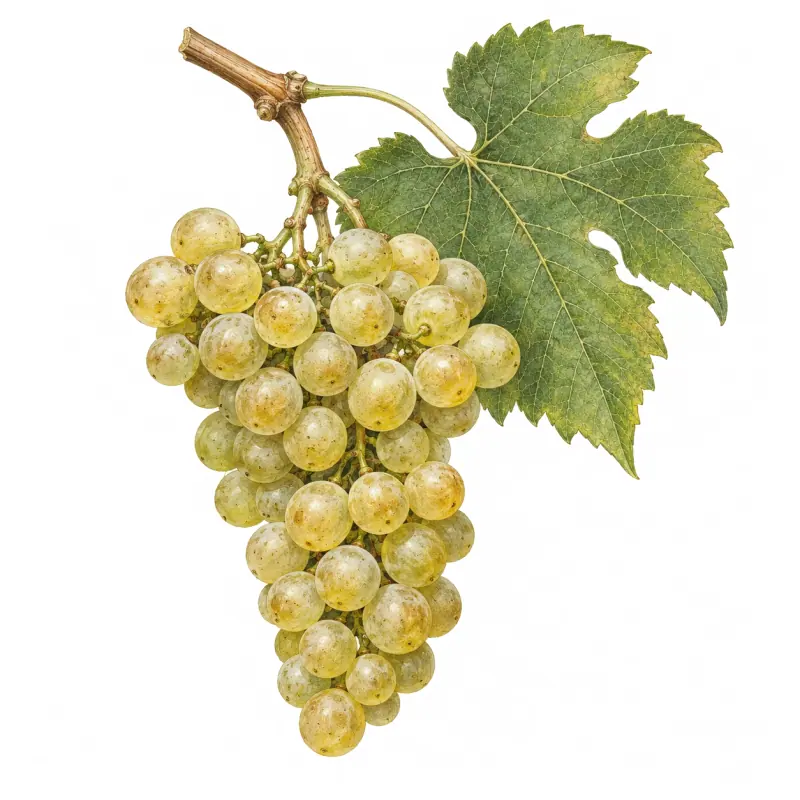
Whites come from Chardonnay and reds from Pinot Noir. The appellation covers Rully and Chagny and includes 23 Premier Cru climats. In 2022 the BIVB recorded 248.34 ha of white (69.67 ha Premier Cru) and 118.10 ha of red (27.87 ha Premier Cru). Crémant de Bourgogne is a separate regional appellation, even though Rully has a long connection with its production.
How it connects
Wine region
Grape variety
- grows Chardonnay
- grows Pinot Noir
Continue exploring
- CountryFrance162 entries in the atlas so far
- Grape varietyPinot Noir
 RecipeBaeckeoffeAlsace, France
 RecipeBœuf bourguignonDijon, France
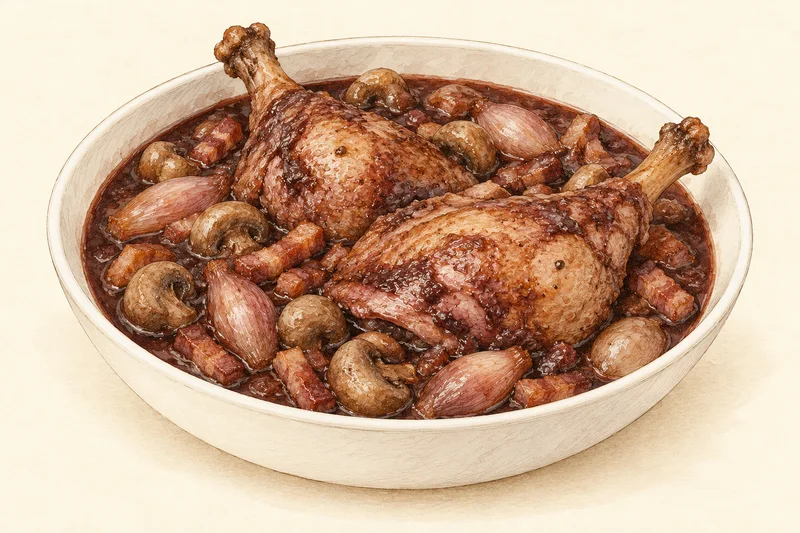 RecipeCoq au vinBurgundy, France
- Grape varietyChardonnay
- Wine regionCôte ChalonnaiseMercurey, France
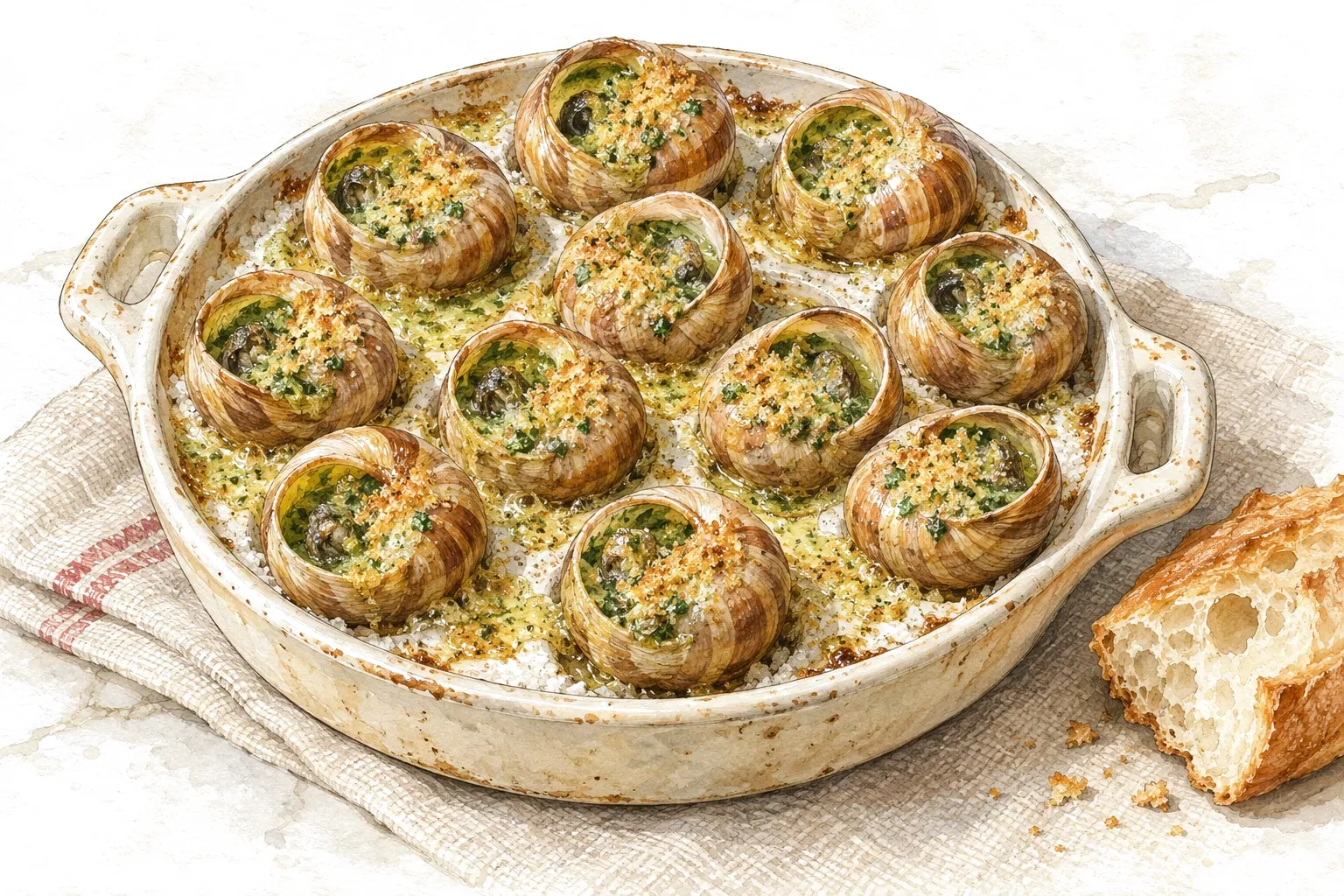 RecipeEscargots à la bourguignonneBurgundy, France
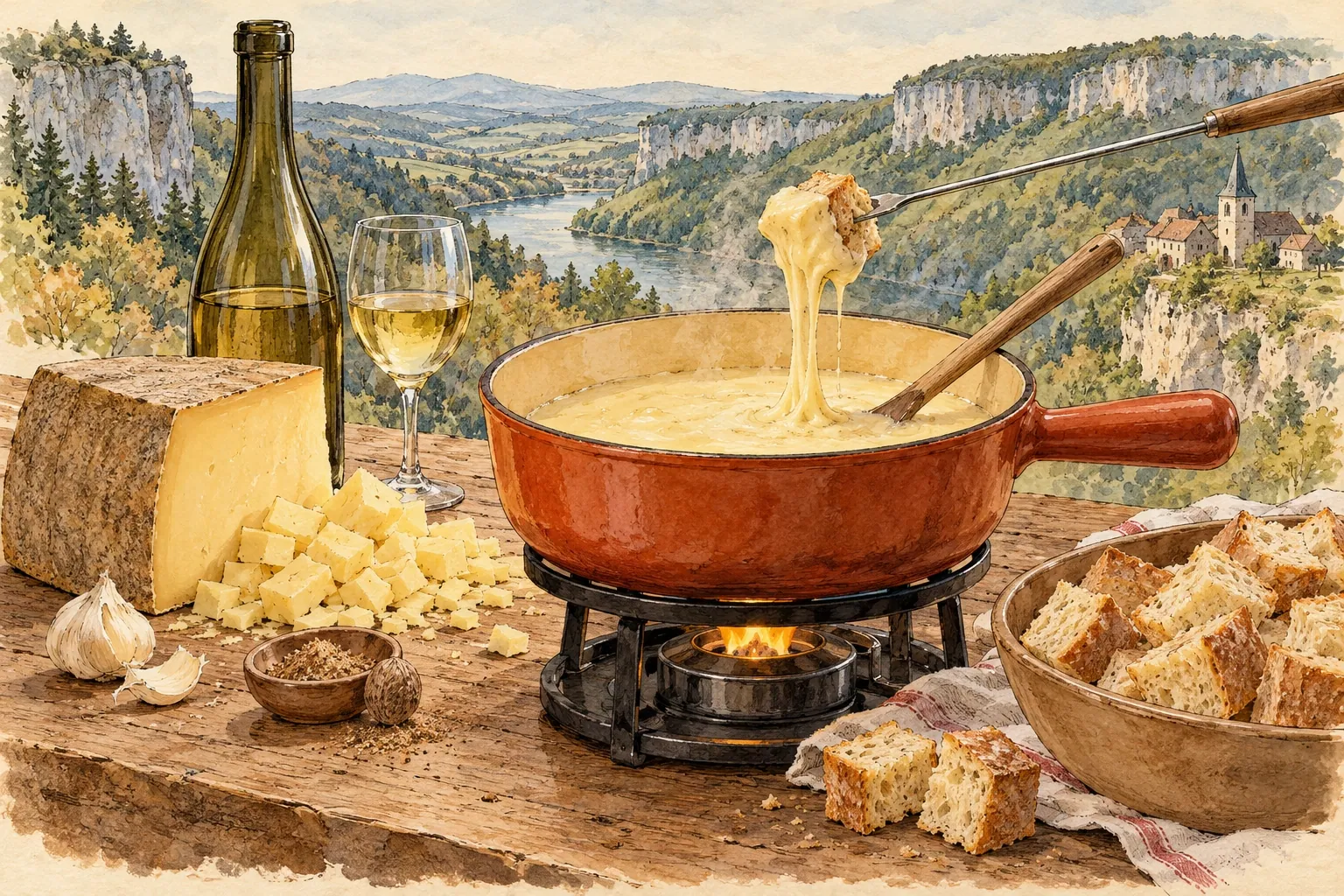 RecipeFondue au ComtéJura massif, Franche-Comté, France
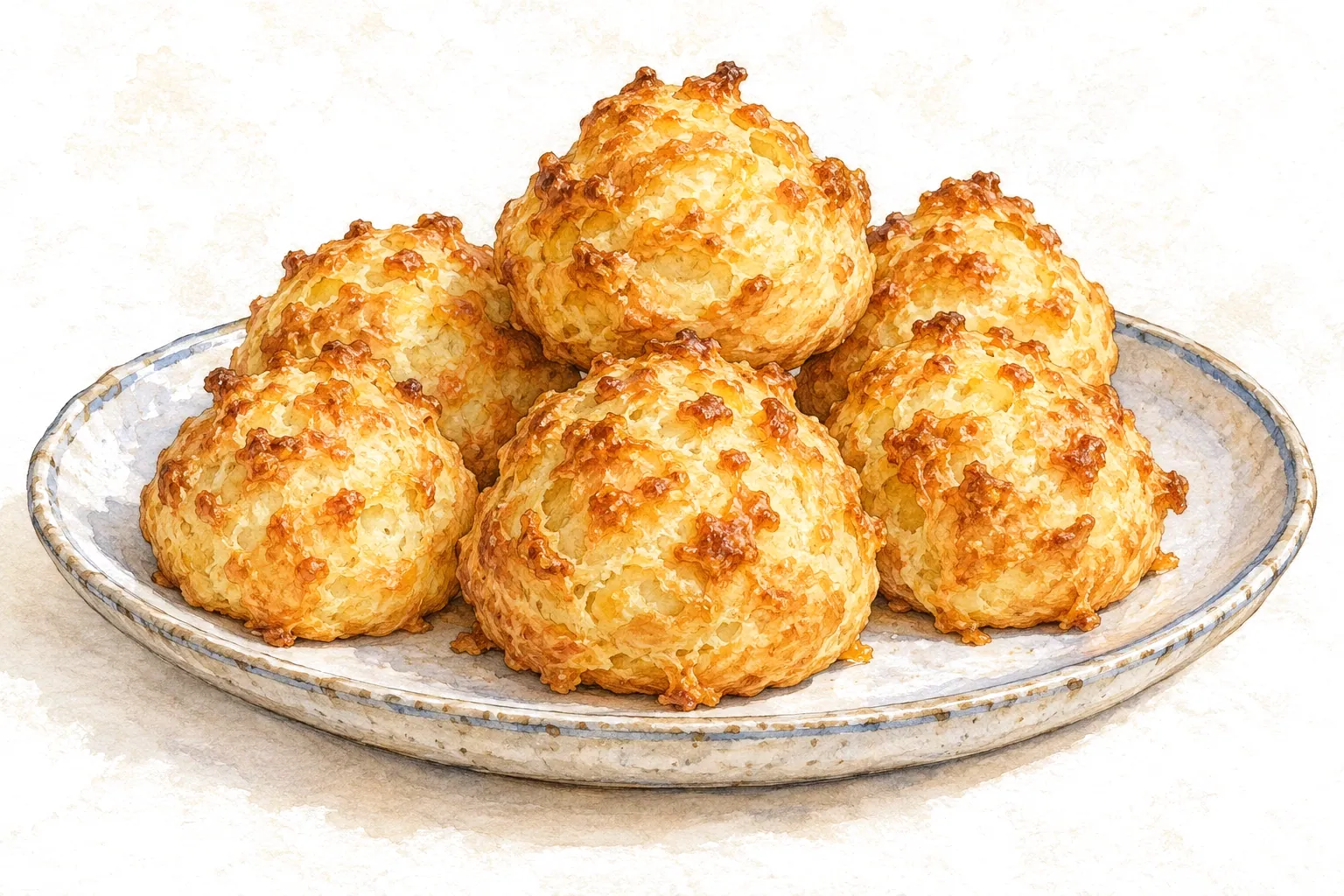 RecipeGougèresBurgundy, France